
La Merveille
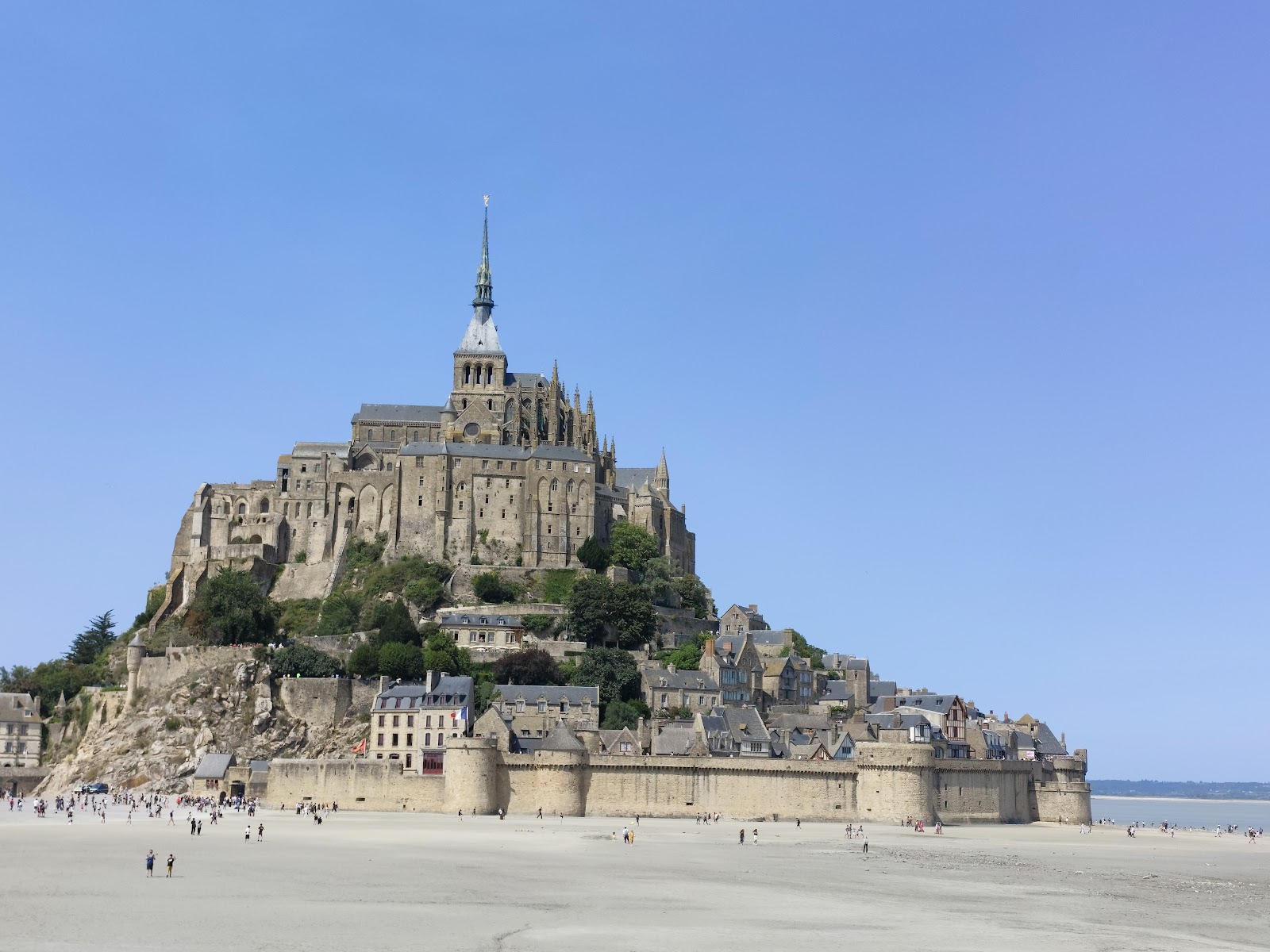
La Merveille — the Marvel — is the great Gothic pile that crowns the western face of Mont Saint-Michel, rising 35 metres on sixteen buttresses above the tidal flats. Built between 1211 and 1228, it is two three-storey buildings stacked with a logic that still reads clearly: cellar and chaplaincy at the base, grand guest hall and scriptorium in the middle, cloister and refectory at the top.
What stops people is the cloister's double row of carved arches on granite columns, offset so that no two pillars align — a trick that keeps the stonework light against the sky. Below it, the Promenoir holds one of the oldest ribbed vaulted ceilings in Europe, quiet and cool even when the island above is at its most crowded.
💛 What travellers fall for
People who come back tend to make for the refectory first, before the tour groups arrive. The wall of recessed windows along its length throws a particular morning light that photographs poorly but reads well in person. The Salle des Hôtes, with its two enormous fireplaces, rewards a slow walk — the proportions are easy to miss if you're moving fast.
The story behind La Merveille
In 1204, Philippe Auguste of France took Normandy from the English and, by way of recompense to the abbey he had partly burned in the process, provided the funds to build something new on the mount's exposed western face. Work began in 1211 and was completed by 1228 — seventeen years across four successive abbots — producing the structure that still stands.
The building survived centuries largely intact before the architect Édouard Corroyer arrived in 1872 to assess its condition. He found enough to concern him that he spent fifteen years on its restoration, and it was officially classified as a historic monument in 1874.
Good to know
La Merveille is accessed through the Abbey ticket (€11 in 2026; free for under-18s and EU residents under 25, but a ticket is still required). Abbey opens at 09:00 in summer, 09:30 the rest of the year. Arrive at opening or in the last two hours before close — 10:00 to 16:00 draws the heaviest crowds.
Where is La Merveille?
Location
- In Mont Saint-Michel
- 48.6363, -1.5117
- Open in Google Maps
More tickets & tours for La Merveille
Book directly at the provider
More of Mont Saint-Michel
Discover where to stay, what to do and the best deals for your trip.
Explore Mont Saint-Michel →More attractions in Mont Saint-Michel
All of Mont Saint-Michel →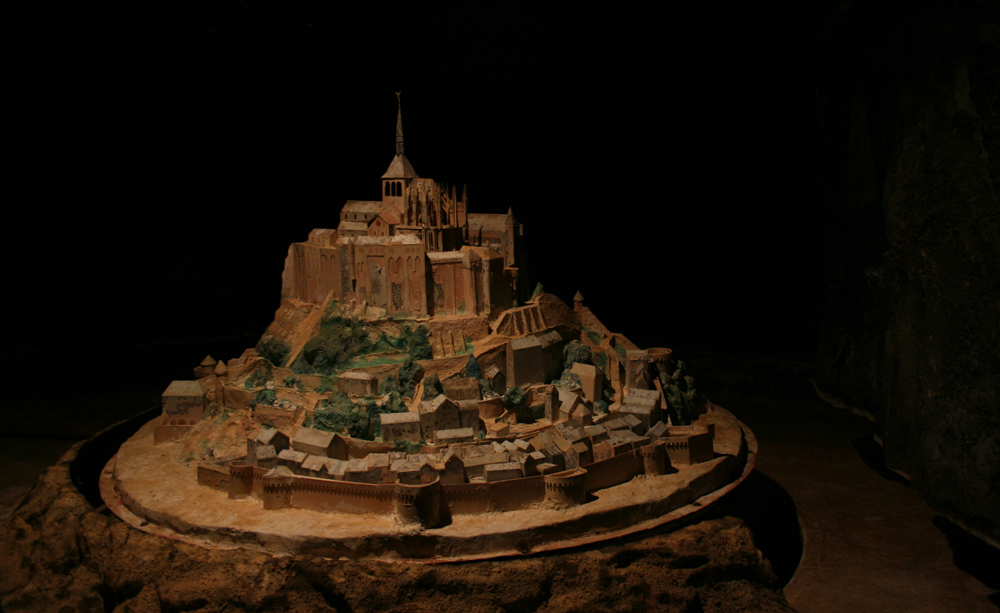
Background adapted from Wikipedia (CC BY-SA) · map data © OpenStreetMap contributors · ratings & place photos via Google · other photos with per-image credit. Ticket links may earn us a commission at no extra cost to you.