
Champagne



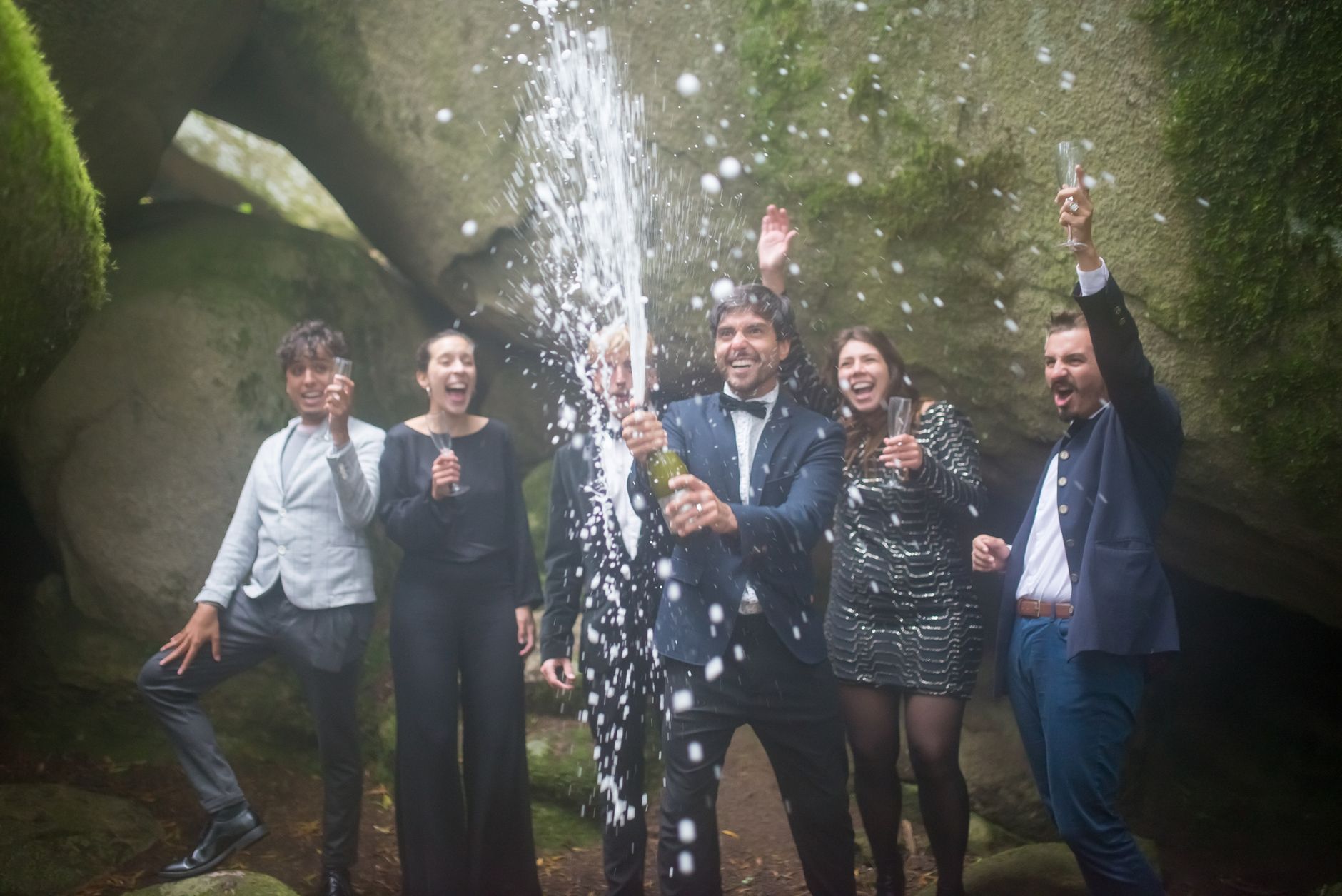


Forty-five minutes from Paris by train, the landscape shifts from suburb to something older and quieter: chalk-white hills, low vine rows, and the occasional cellar door set into a hillside like a secret kept in plain sight. This is Champagne — a region whose name has become shorthand for celebration worldwide, yet whose actual geography most people never visit.
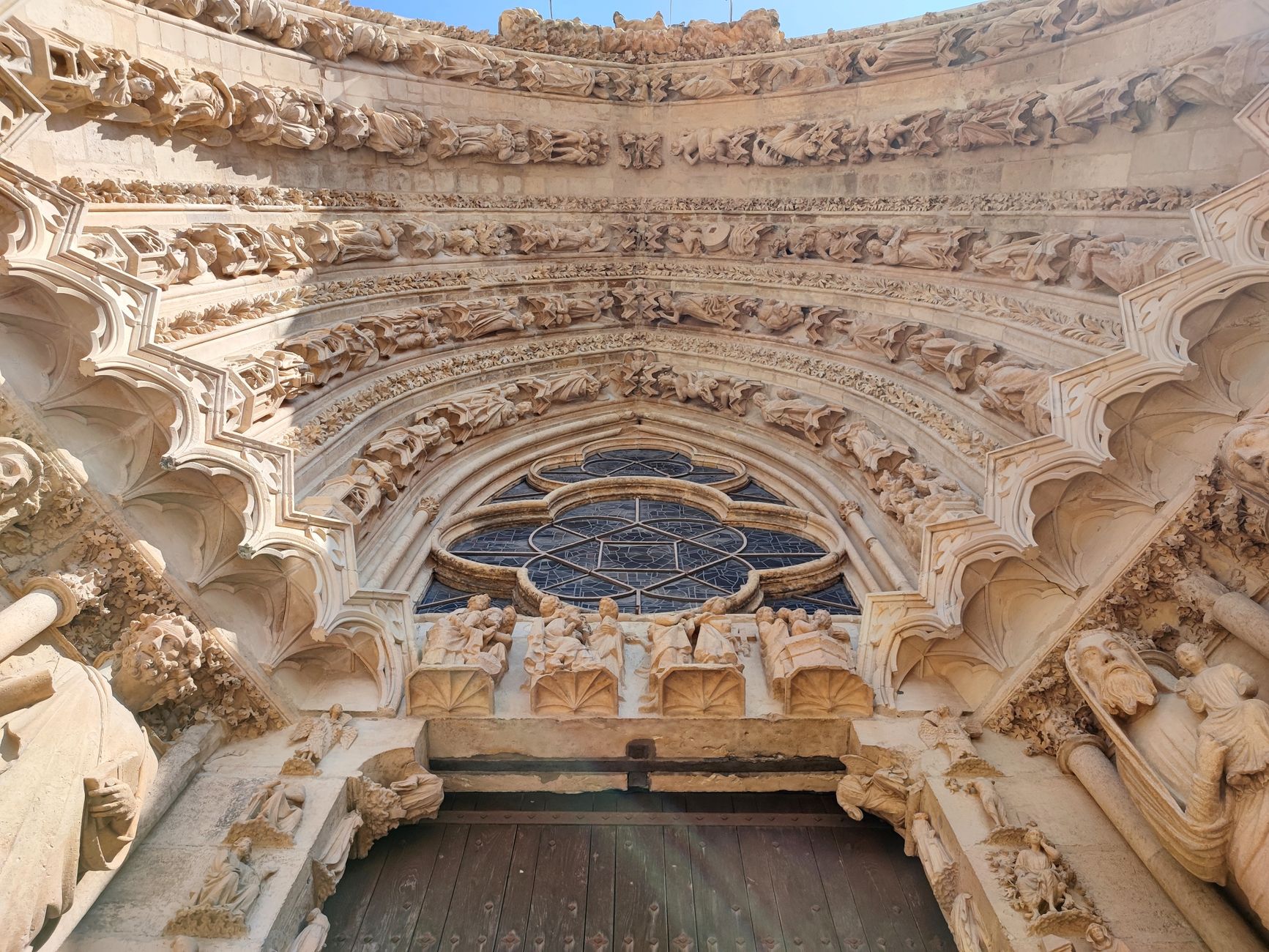
Reims anchors the north with Gothic stone and Roman arches; Épernay, to the south, runs its famous Avenue de Champagne through the heart of the great houses. Between them, the vineyards roll across UNESCO-listed hills above some 28 kilometres of underground cellars carved into the chalk.
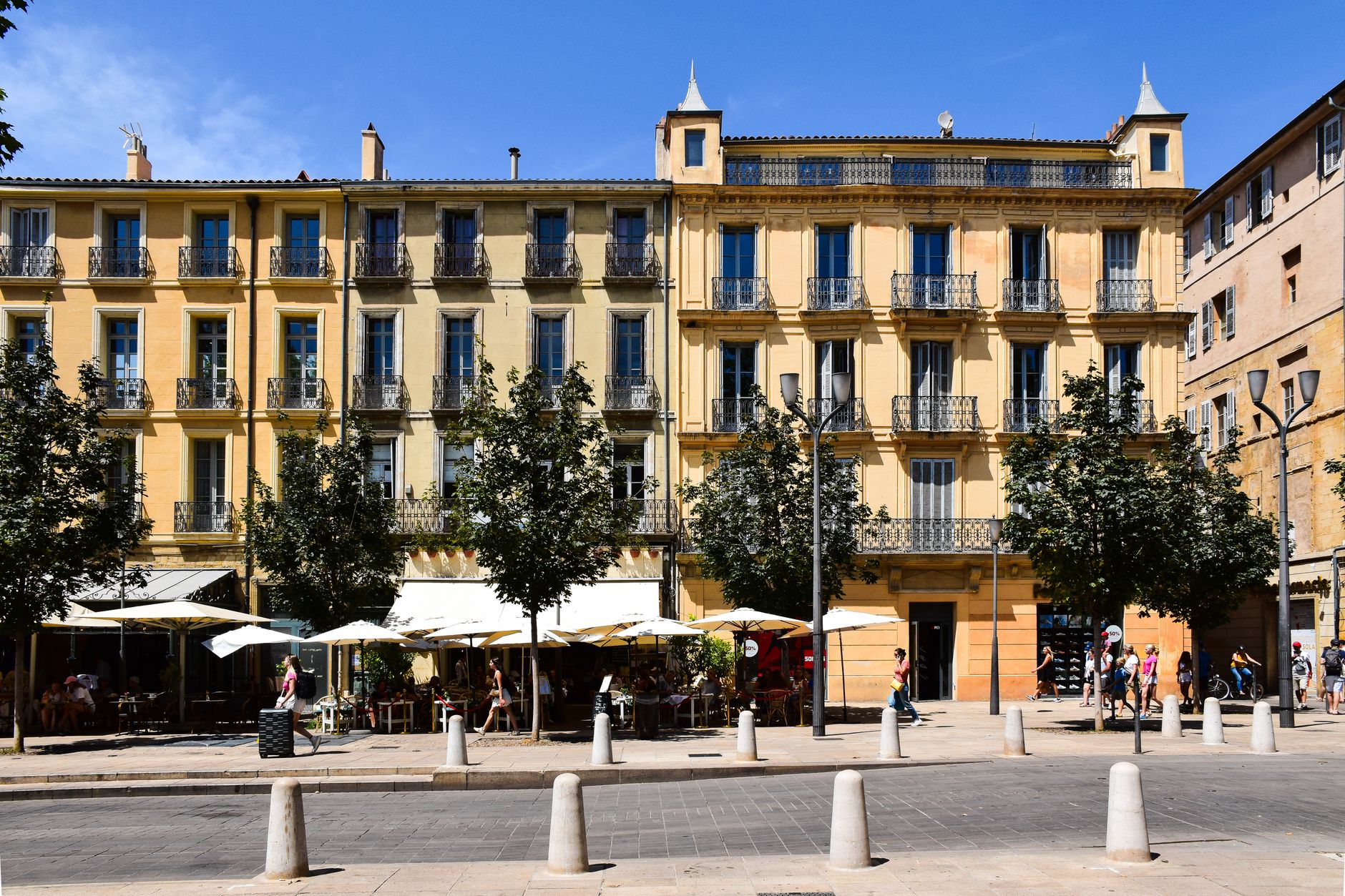
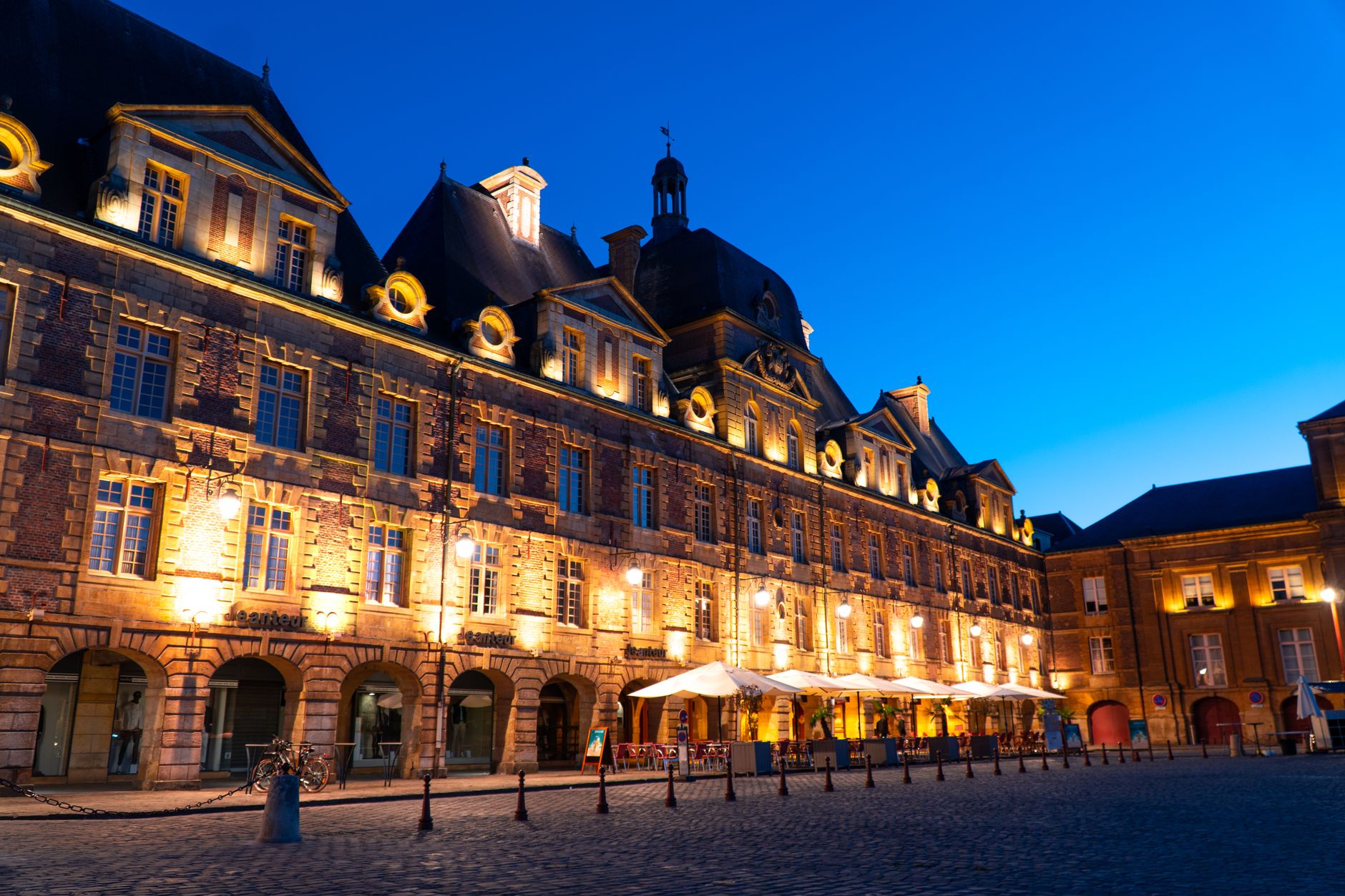
Popular cities in Champagne
💛 What travellers fall for
People who return tend to do it differently the second time — skipping the big-house tours in favour of smaller producers, and spending a morning at the Abbey of Saint-Remi before the tour groups arrive. Épernay on a weekday is a different proposition from Épernay on a summer weekend. That distinction is worth remembering.
Experiences you don't want to miss




How Champagne came to be
Romans were cultivating vines here before the 5th century, and the chalk beneath the region has been carved into tunnels since the first century AD — the Cryptoporticus beneath Reims dates to that era. When Hugh Capet was crowned King of France at Reims Cathedral in 987, he began a royal tradition that kept the region's wine at the centre of French ceremony for centuries. The County of Champagne passed to the French crown in 1314.
The modern industry took shape in the 17th century, when Benedictine monk Dom Pierre Pérignon developed production methods still in use today. The 18th century brought the founding of the great houses — Ruinart in 1729, Moët et Chandon in 1743, Veuve Clicquot in 1772 — and the AOC designation followed in 1927. In 2015, the region's hills, houses and cellars entered the UNESCO World Heritage List.
Who and what shaped it
People who shaped it
Landmark buildings
See Champagne in motion
Plan your visit
On the map
When to go
Champagne has a cool continental climate: summers are mild and well-suited to touring, though July and August bring the most visitors. Winters are cold and grey, but the cellars stay a constant 10–12°C year-round, which makes underground visits perfectly comfortable in any season.
Right now
↡ Cities
No places match these filters.
Background & history adapted from Wikipedia (CC BY-SA) · specs from Wikidata (CC0) · weather from Open-Meteo · map data © OpenStreetMap contributors · photos from Wikimedia Commons / Unsplash with per-image credit. No third-party reviews or social posts reproduced.