
Langres
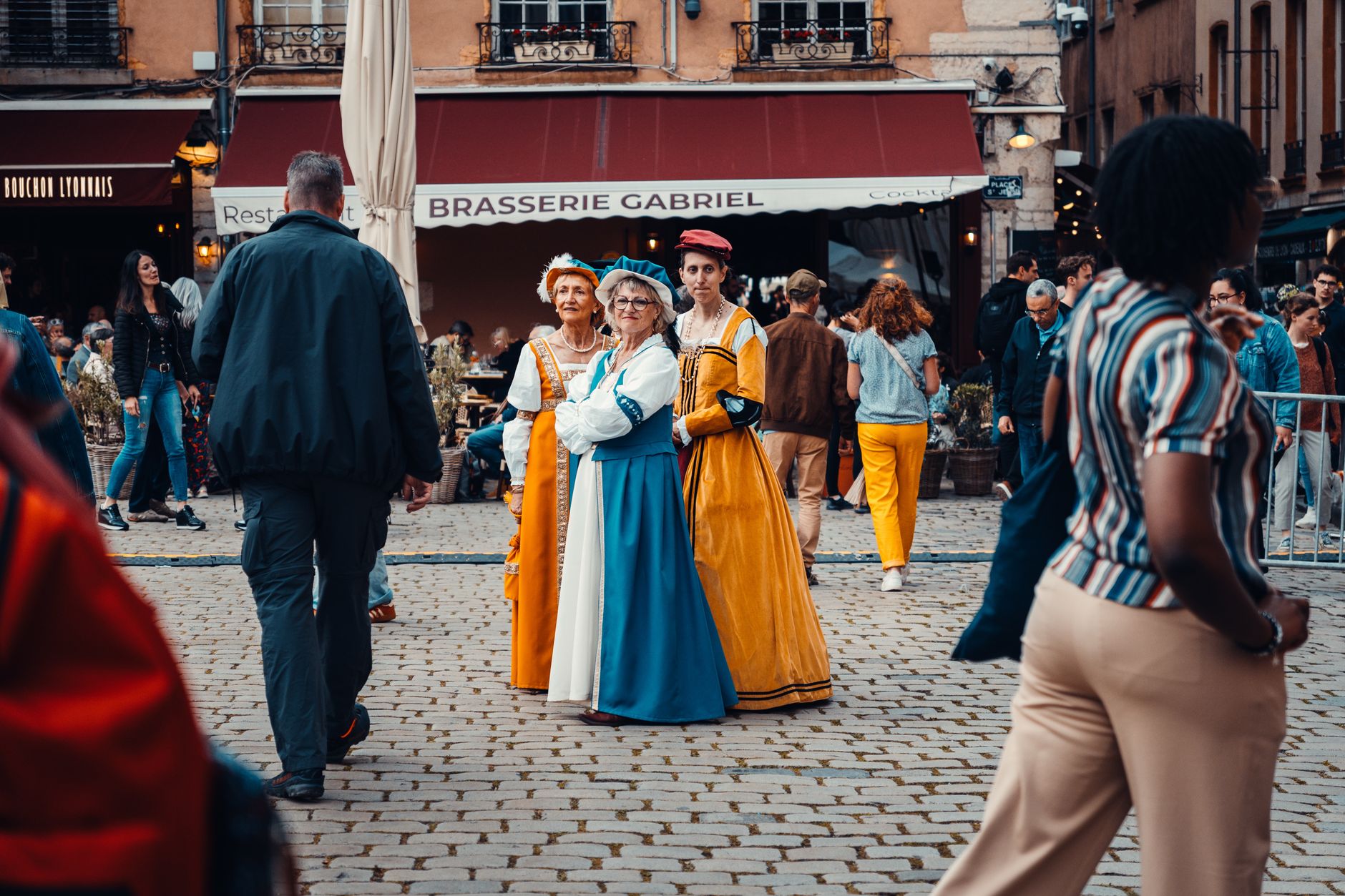

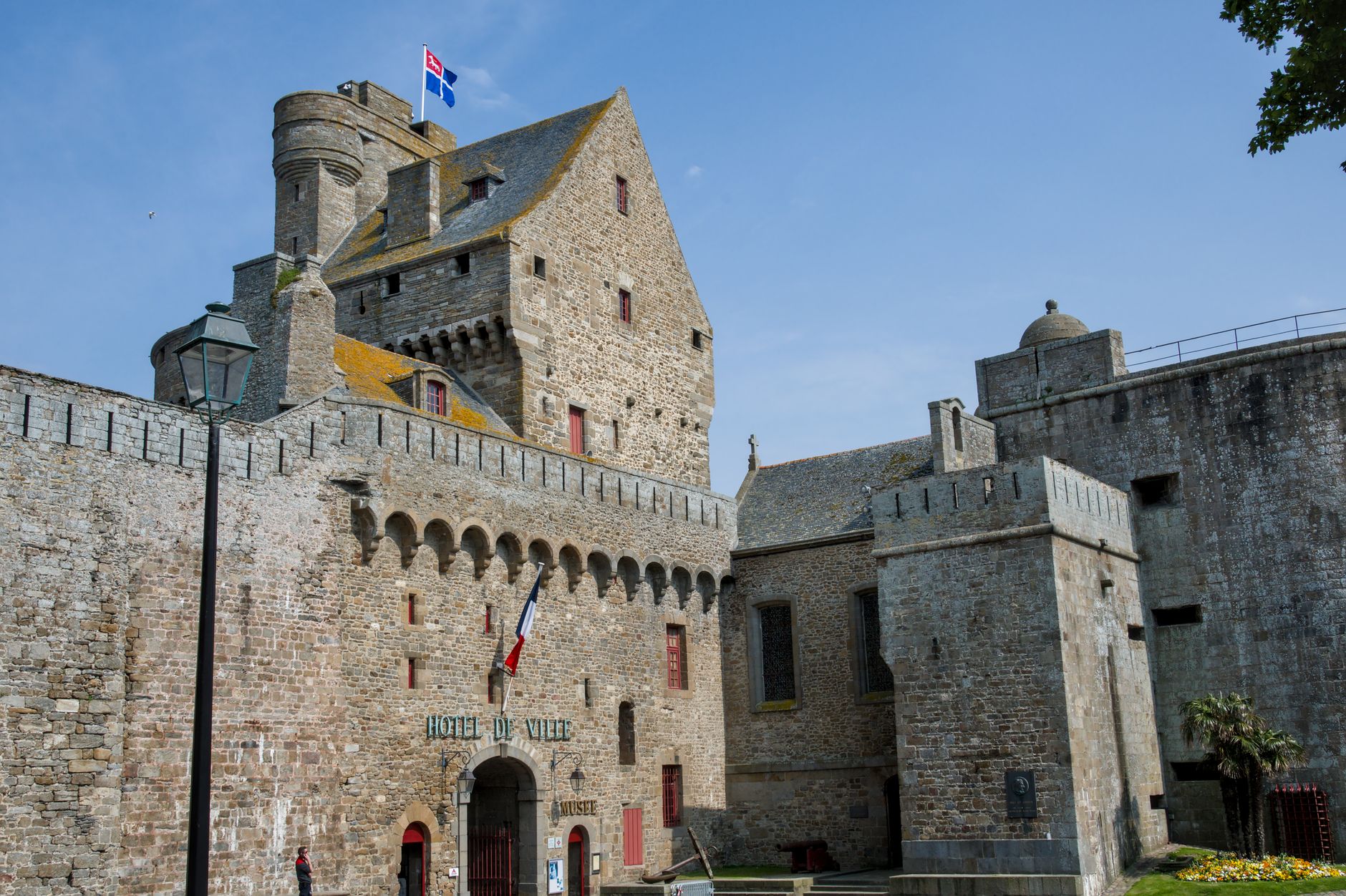
Langres sits on a limestone plateau above the surrounding valleys, ringed by nearly three and a half kilometres of stone walls that have been repaired, thickened and fought over for two thousand years. Walk the rampart circuit and you pass towers from the fifteenth and sixteenth centuries, a nineteeth-century citadel, and gaps where Roman foundations show through like old bone.
The town is compact enough to cross on foot in twenty minutes, yet it keeps turning up surprises: a cathedral begun around 1150 whose crypt still holds Romanesque frescoes, a mosaic of Bacchus pulled from a Roman house floor, and a square named after the philosopher who was born here and helped rewrite how Europe thought about knowledge.
💛 What travellers fall for
People who come back tend to do the rampart walk twice — once on the tourist tram for orientation, once on foot in the early morning before the Friday market fills Place Diderot. The Tour de Navarre repays a slow look; those seven-metre-thick walls were meant to be seen from a distance by an army thinking twice about attacking.
Experiences you don't want to miss





Deals in Langres
Book directly at the provider

How Langres came to be
Before it was Langres it was Andematunum, the principal town of the Lingones, a Gallic tribe whose territory Rome absorbed. Christianity arrived in the late second century with St. Bénigne, and by the early third century Langres had its first bishop. That episcopal seat grew into something unusual: from the twelfth century through to the Revolution, the Bishops of Langres held the title of duke and peer of France, giving the church here a temporal weight that shaped the town's architecture and ambition.
The Renaissance left a particular mark — civil, religious and military buildings went up across the town — and the fortifications kept pace with changing warfare, adding the Tour de Navarre in the sixteenth century specifically to overawe any force that might consider a siege. The nineteenth century added a Vauban-style citadel, the latest layer on walls that had already been standing for two millennia.
Who and what shaped it
People who shaped it
Landmark buildings
See Langres in motion
Plan your visit
On the map
When to go
Summers are mild and dry by local standards, with July averaging around 26°C — good walking weather. Winters are genuinely cold, with more than thirty snowy days a year on average, so the ramparts take on a different character between November and March: quieter, sometimes beautiful, occasionally icy underfoot.
Right now
Background & history adapted from Wikipedia (CC BY-SA) · specs from Wikidata (CC0) · weather from Open-Meteo · map data © OpenStreetMap contributors · photos from Wikimedia Commons / Unsplash with per-image credit. No third-party reviews or social posts reproduced.