
Troyes
The easiest way to understand Troyes is to look down at a map: the old city is shaped, precisely, like a champagne cork — the River Seine curling around its rounded top, a grid of avenues defining the straight sides below. It is a city of stained glass, more of it than anywhere else in Europe, and on a clear morning the cathedral on Rue de la Cité turns light into something you weren't expecting.
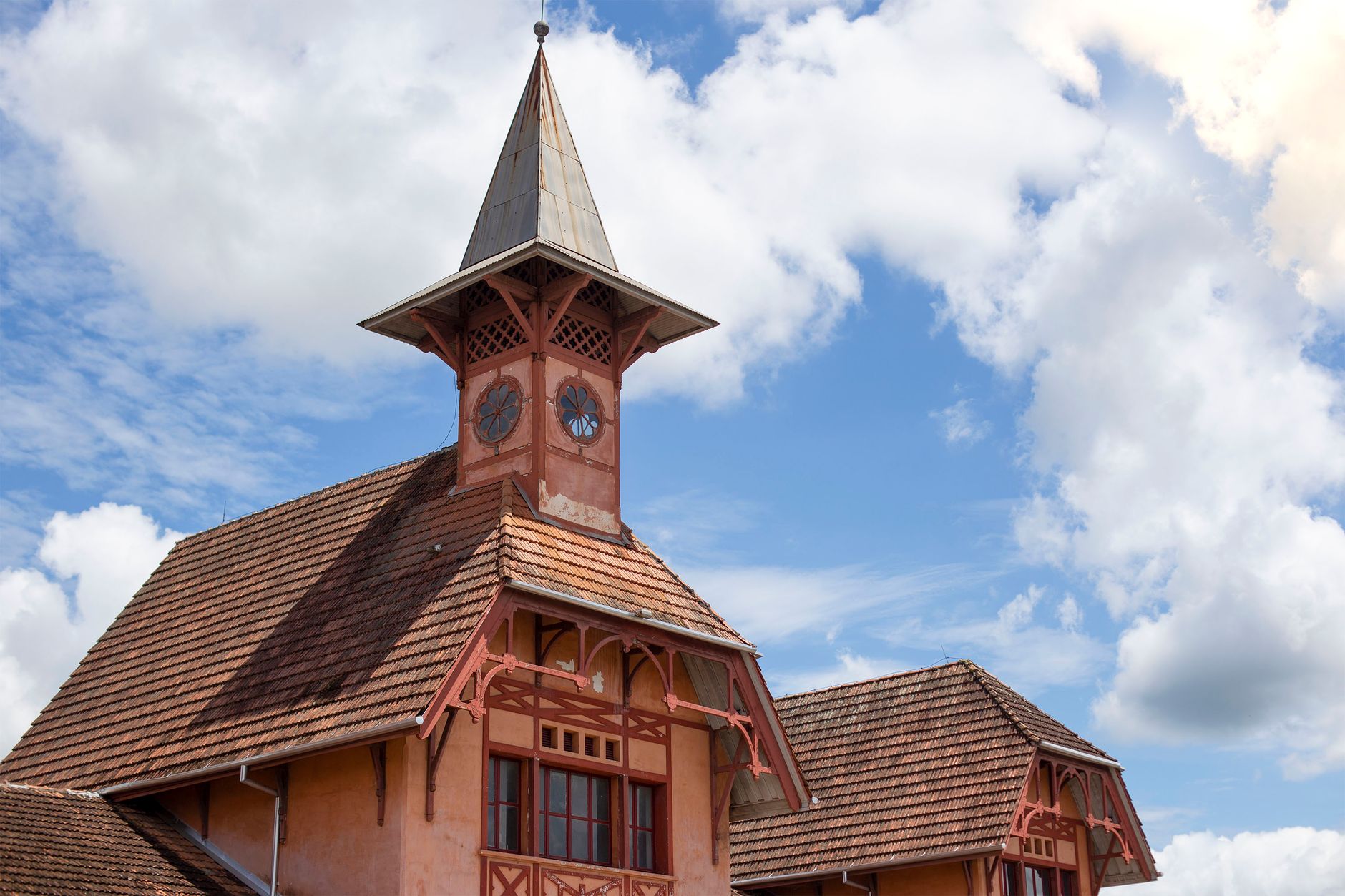
The half-timbered houses that crowd the medieval lanes survived a catastrophic fire in 1524 that levelled a thousand homes, which means the ones standing now are genuinely old — 16th century, mostly, with the lean and creak to prove it. Eleven Catholic churches serve a city of roughly 60,000 people, one for every 5,600 inhabitants, and each holds something worth pausing for.
💛 What travellers fall for
People who come back tend to mention the Cité du Vitrail first — not the cathedral, which gets all the attention, but the dedicated stained-glass centre in the Hôtel-Dieu-le-Comte, where you can stand close enough to read the brushwork. The Apothecary Museum in the same building, with its rows of 17th-century pharmaceutical jars, is the kind of room you photograph and then stand in for twenty minutes anyway.
Experiences you don't want to miss


Deals in Troyes
Book directly at the provider

How Troyes came to be
Troyes began as Augustobona Tricassium, a Roman settlement on the Via Agrippa linking Reims to Lyon, and served as capital of the Tricasses tribe under Augustus. Its position mattered enough that in 451 AD the plains nearby became the site of the Battle of the Catalaunian Plains, where the Roman general Flavius Aetius and the Visigothic king Theodoric I halted Attila's advance. By the end of the 9th century, following Norman raids, the Counts of Champagne made it their capital.
The city's most consequential document was signed on 21 May 1420, when the Treaty of Troyes promised the French crown and Catherine de France to Henry V of England — a marriage that took place two weeks later in the church of Saint-Jean-au-Marché, which still stands. The 1524 fire remade the urban fabric almost entirely, which is why so much of what you walk through today dates from the decades immediately after.
Who and what shaped it
People who shaped it
Landmark buildings
See Troyes in motion
Plan your visit
On the map
When to go
Troyes has a continental climate with cold, sometimes damp winters and warm summers. April through June and September through October offer mild temperatures and reliable light — the kind that makes stained glass worth travelling for.
Right now
Background & history adapted from Wikipedia (CC BY-SA) · specs from Wikidata (CC0) · weather from Open-Meteo · map data © OpenStreetMap contributors · photos from Wikimedia Commons / Unsplash with per-image credit. No third-party reviews or social posts reproduced.