
Charleville-Mézières
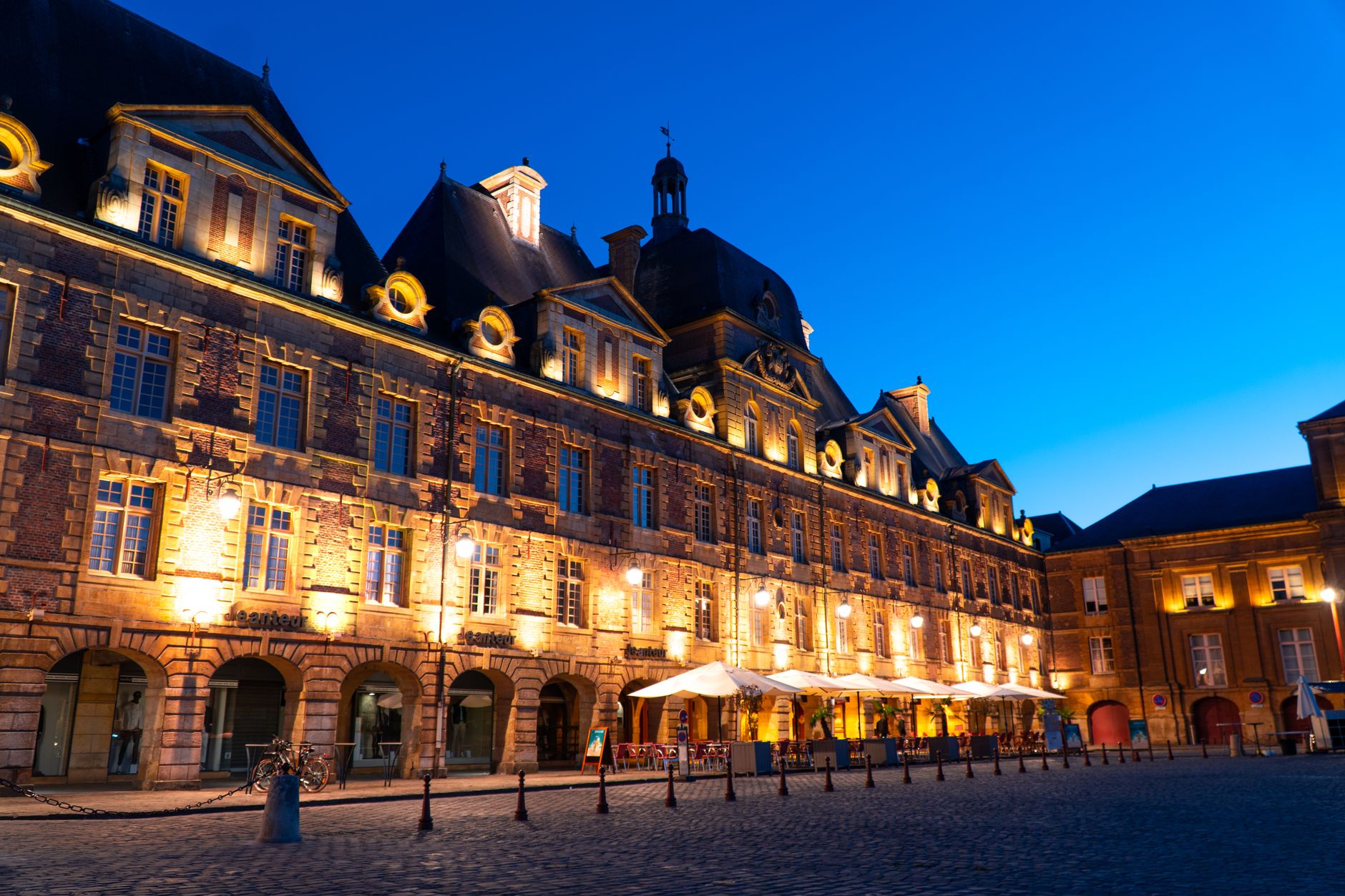

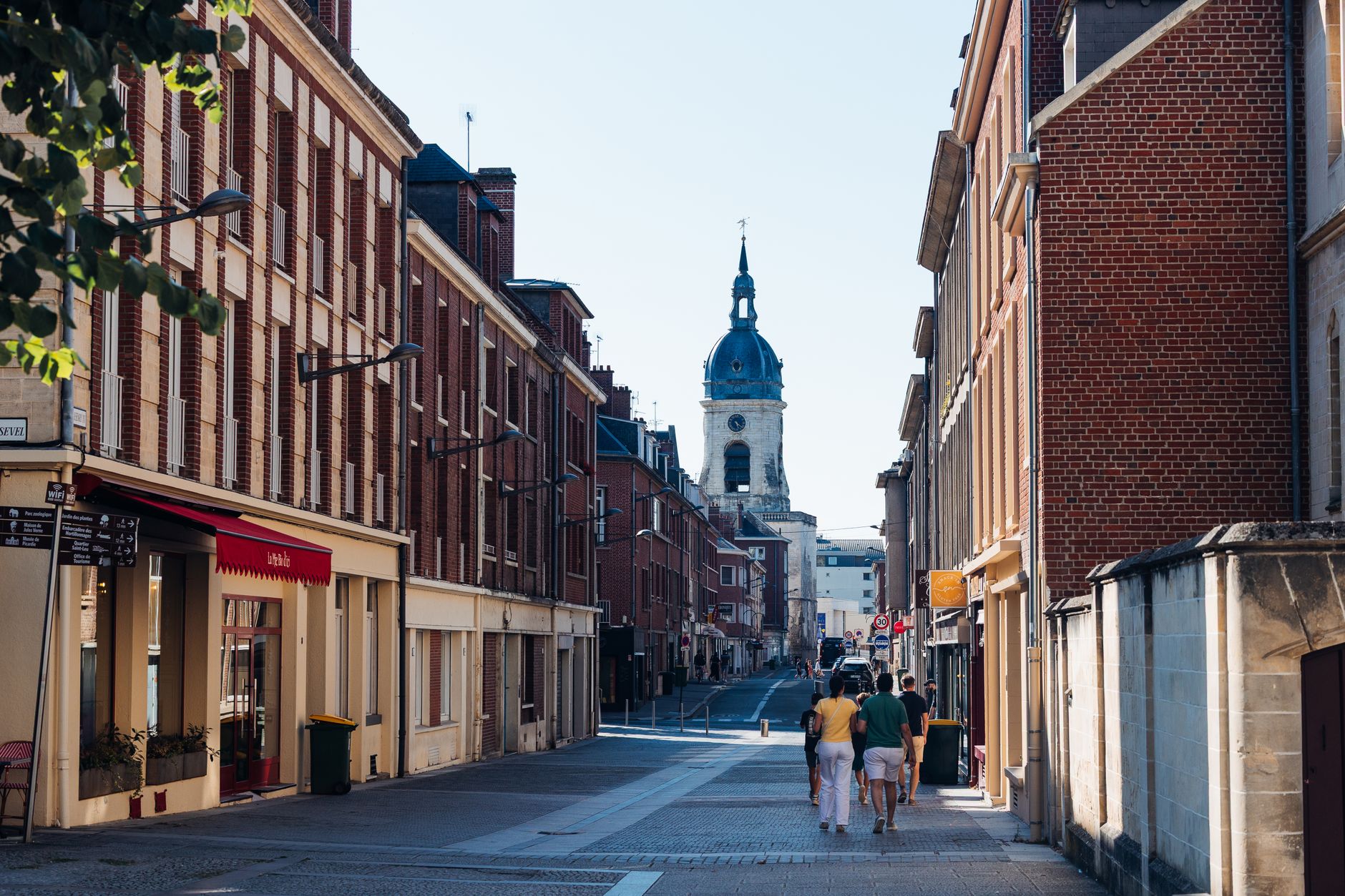
Stand in the middle of Place Ducale on a quiet morning and the geometry of the thing stops you: 27 pavilions in warm brick and pale stone, arranged with the precision of a duke who wanted to build a city from scratch and largely succeeded. Charles Gonzaga laid out Charleville in 1606 as a planned capital for his principality of Arches, and the square he commissioned from architect Clément Métezeau still anchors the city four centuries on.
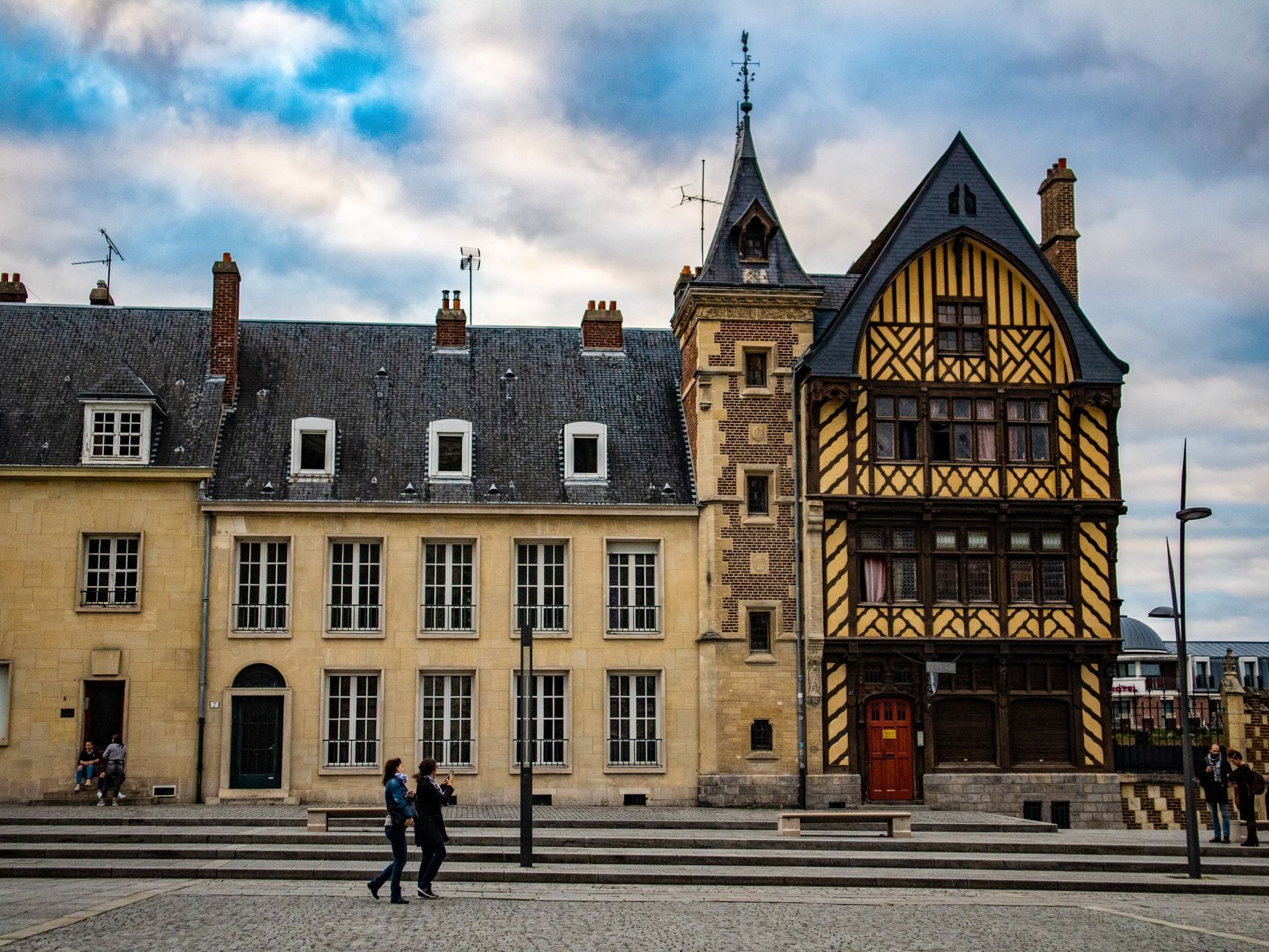
Across the Meuse, the older town of Mézières carries a different weight — Gothic basilica, 16th-century ramparts, a history of sieges and bombardments that left marks still readable in the rebuilt streetscape. The two towns merged officially in 1966, but they remain distinct in texture, worth crossing the river to feel the difference.
💛 What travellers fall for
People who come back tend to time a visit around the hourly show of Le Grand Marionnettiste on Place Churchill — the ten-metre automaton is quietly absurd and genuinely worth the wait. They also make a point of walking the Meuse riverbank at dusk, when the mill housing the Rimbaud Museum reflects in the water and the city feels briefly like somewhere a teenage poet might have found intolerable and loved.
Experiences you don't want to miss


Deals in Charleville-Mézières
Book directly at the providerHow Charleville-Mézières came to be
Mézières has the longer record: first settled in 899, it passed from the archbishops of Reims to the counts of Rethel and became a fortified town whose ramparts — the Tour de Roy, the Porte de Bourgogne — still stand on the right bank of the Meuse. In 1521 the Chevalier Bayard held it against Emperor Charles V. Charleville, by contrast, was invented: Charles Gonzaga, Duke of Mantua, founded it in 1606 as a Renaissance planned town, and the Place Ducale was built between 1612 and 1628.
The city's position made it a recurring target. Germans occupied the area in 1815, 1870, 1914, and 1940; Mézières took serious damage in both World Wars. The Hôtel de Ville, completed in 1930 in neo-Gothic style, is itself a product of post-WWI reconstruction. The two towns and several surrounding villages were formally merged on 1 October 1966.
Who and what shaped it
People who shaped it
Landmark buildings
See Charleville-Mézières in motion
Plan your visit
On the map
When to go
Summers are mild to warm with occasional heavy showers; the Place Ducale can feel genuinely pleasant in June and September. Winters are cold and grey, with frost common from December through February — manageable, but the city rewards fair-weather visits.
Right now
Background & history adapted from Wikipedia (CC BY-SA) · specs from Wikidata (CC0) · weather from Open-Meteo · map data © OpenStreetMap contributors · photos from Wikimedia Commons / Unsplash with per-image credit. No third-party reviews or social posts reproduced.