
Chaumont
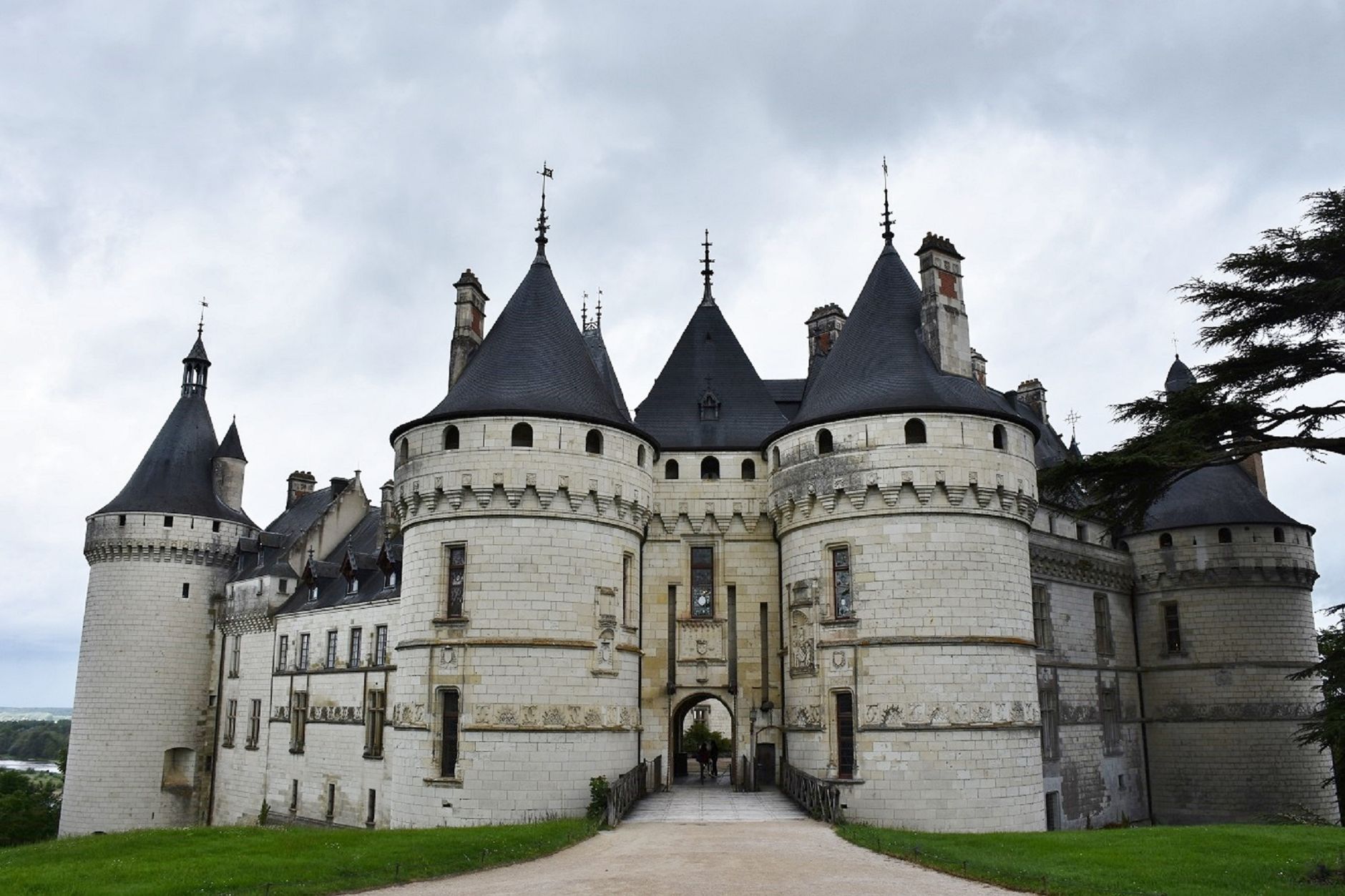
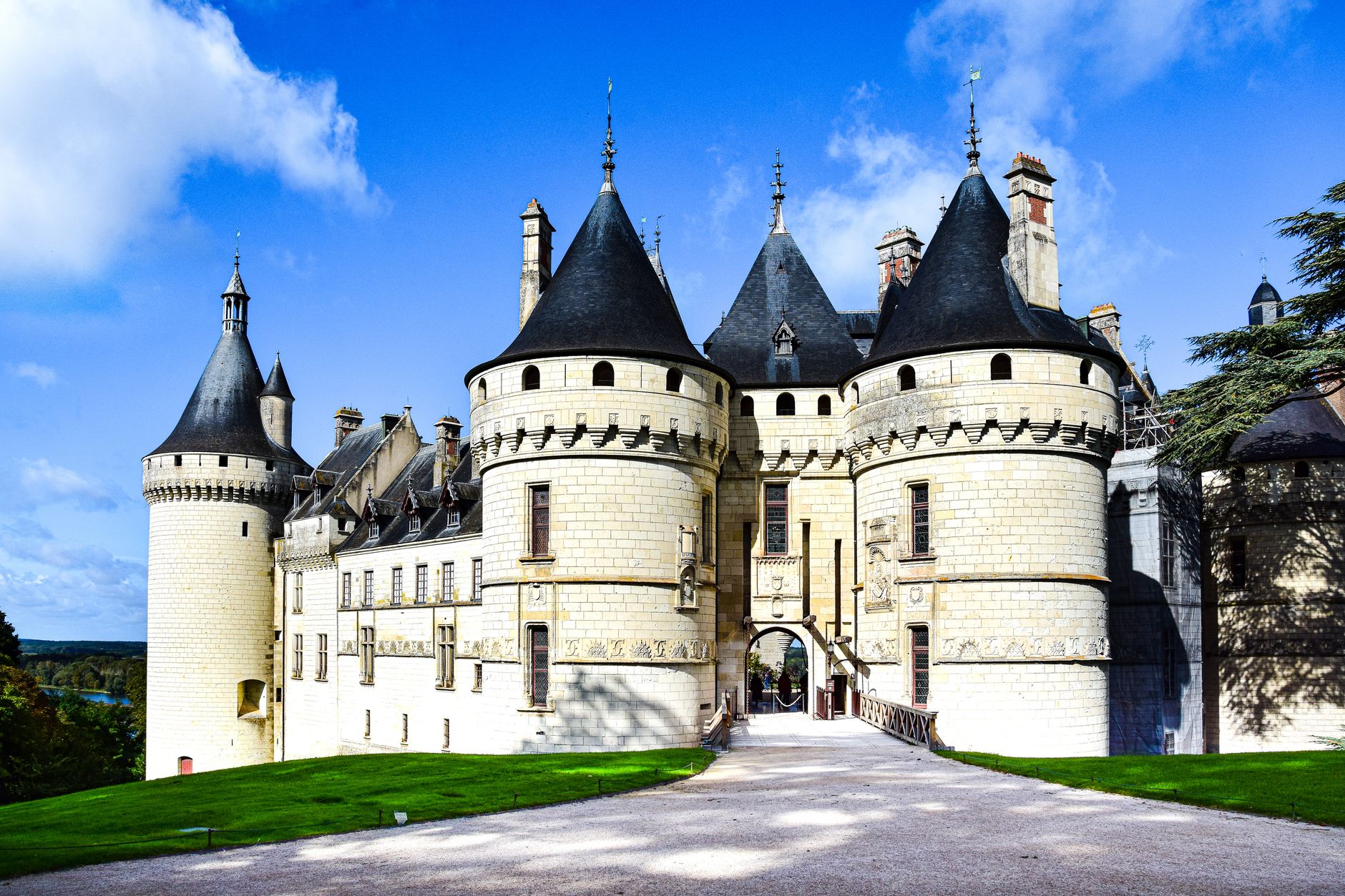
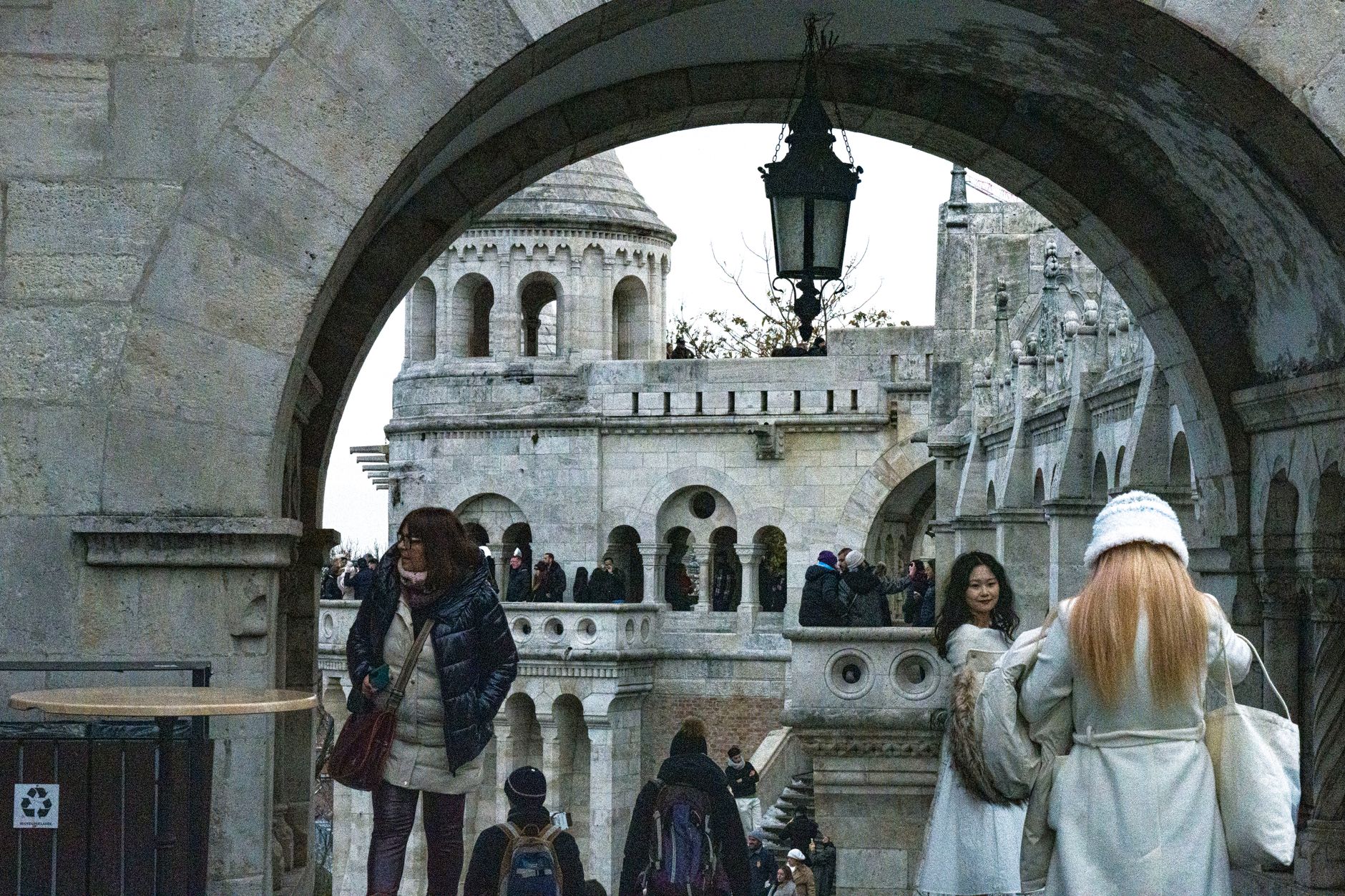
The viaduct stops you first — 600 metres of stone and iron striding over the Suize Valley, built in 1856 and still carrying trains between Paris and Mulhouse. From the walkway on its first level, the town arranges itself below you: a prefecture city of 21,000 on a limestone plateau, the kind of place that governed a department for two centuries without ever trying to be anything grander than itself.
Wander into Vieux Chaumont and you'll notice the tourelles — small cylindrical towers, about thirty of them surviving, tucked against the façades of ordinary houses, each one containing a spiral staircase that once served the upper floors. They're a quirk specific to this town, and finding them becomes its own slow itinerary.
💛 What travellers fall for
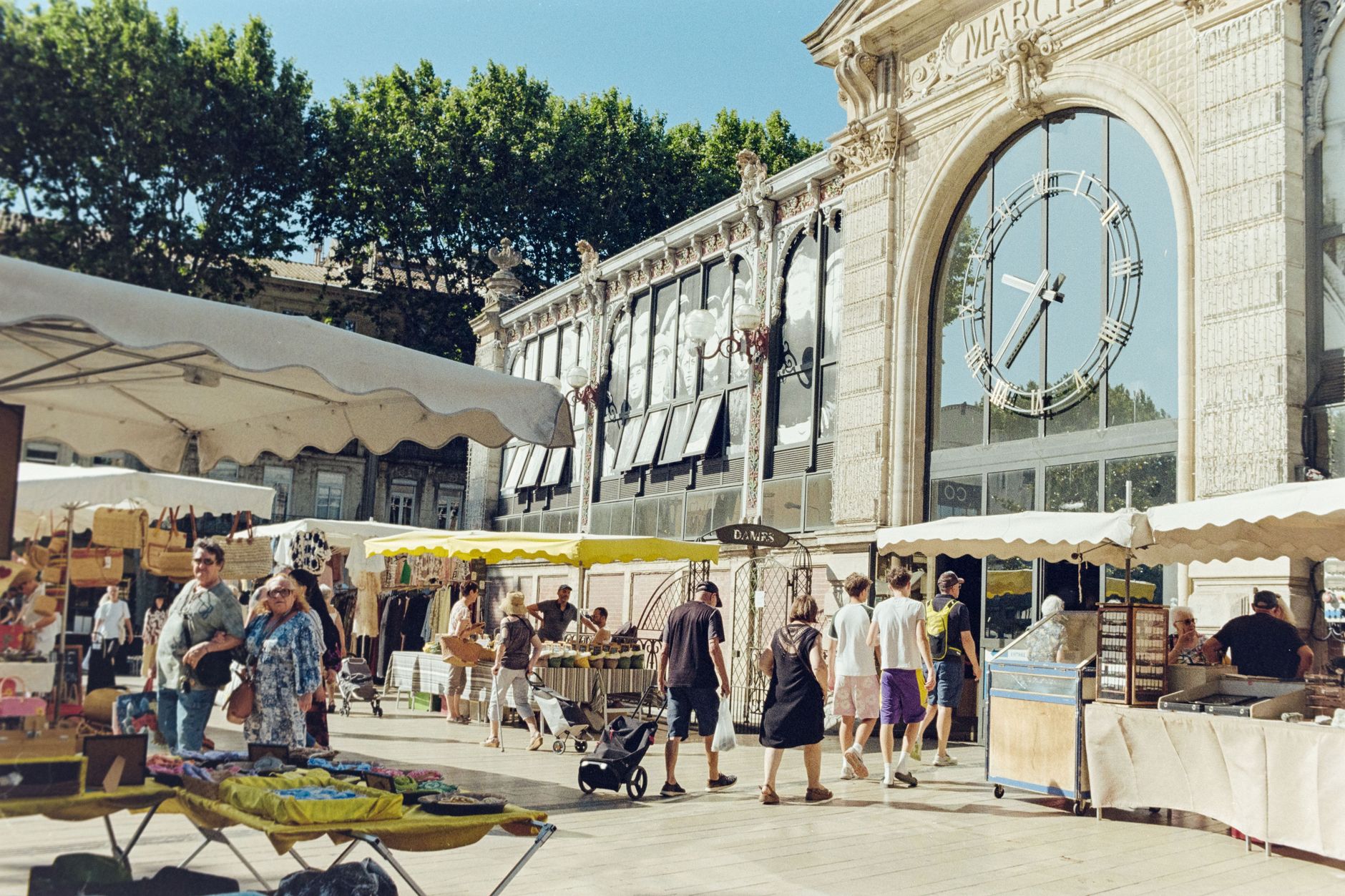
People who come back tend to time it for the graphic design festival, which runs from mid-May to mid-September and draws work to Le Signe — the National Center of graphic design opened in 2016 — that you won't see exhibited anywhere else in France. The Saturday morning market is worth building your schedule around; it wraps up by one.
Experiences you don't want to miss



Deals in Chaumont
Book directly at the provider
How Chaumont came to be
Chaumont grew as the seat of the Counts of Bassigny and later of Champagne, receiving its municipal charter in 1190. Its position at the edge of Champagne gave it strategic weight well beyond its size: in March 1814, the United Kingdom, Austria, Prussia, and Russia signed an offensive treaty against Napoleon here, one of the agreements that sealed his first abdication.
A century later the city found itself at the centre of another war's logistics — in 1917, Chaumont became the headquarters of the American armies in France. The twentieth century was harder: bombing in both 1940 and 1944 left marks the town has since rebuilt around. Its poster collection, bequeathed in 1906, eventually grew into the International Biennial of Graphic Design, giving Chaumont a cultural identity that has little to do with its military history and everything to do with paper and ink.
Who and what shaped it
People who shaped it
Landmark buildings
See Chaumont in motion
Plan your visit
On the map
When to go
Summers are comfortable — warm without being oppressive, with temperatures rarely climbing above 30°C — and the festival season runs right through them. Winters are genuinely cold and often grey, with significant rainfall spread across the whole year, so a good coat and waterproof layer are useful in any season.
Right now
Background & history adapted from Wikipedia (CC BY-SA) · specs from Wikidata (CC0) · weather from Open-Meteo · map data © OpenStreetMap contributors · photos from Wikimedia Commons / Unsplash with per-image credit. No third-party reviews or social posts reproduced.