
Bar-le-Duc
The upper town of Bar-le-Duc asks you to climb. Take the steep lanes from the Ornain valley floor and you arrive on a long, quiet street flanked by Renaissance stonework — carved gateways, tall townhouses, the occasional ducal crest — that most of France has forgotten exists. The Church of Saint-Étienne stands at one end, and inside it, Ligier Richier's cadaver sculpture of René de Châlons holds the room in absolute silence: a flayed skeleton, arm raised, offering his own heart to heaven.
Down in the lower town, the 1088 Church of Notre-Dame anchors the river crossing, and the medieval clock tower still marks the hours as it has since 1381. Bar-le-Duc wears its history without theatre.
💛 What travellers fall for
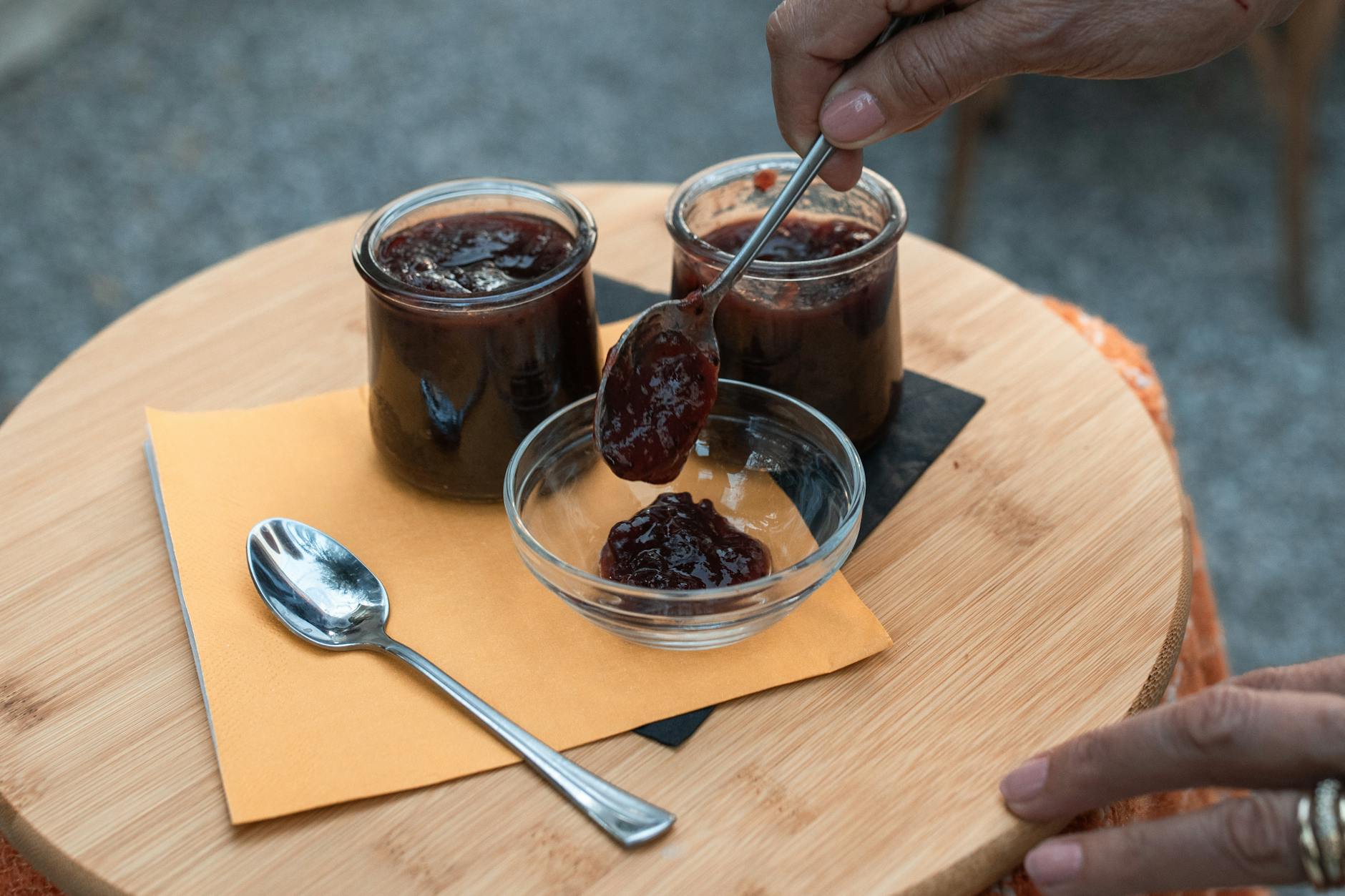
People who come back tend to time it around a Tuesday or Saturday market, then walk the Rue des Ducs-de-Bar slowly enough to read the stonework. The small jam shop producing Bar-le-Duc's traditional redcurrant confiture — seeds removed one by one with a goose quill — is a fifteen-minute walk from the centre and worth every step.
Experiences you don't want to miss



Deals in Bar-le-Duc
Book directly at the provider


How Bar-le-Duc came to be
A Roman settlement called Caturiges stood on the right bank of the Ornain in the first century AD, and the town's name itself traces back to the river barrier at Notre-Dame Bridge. Frederick I of Upper Lorraine fortified it in the tenth century; by 1354 it was the seat of a county, and then a duchy. The fifteenth and sixteenth centuries were its golden age, shaped by the patronage of René I of Anjou and later René II, and refined further under Dukes Antoine the Good and Charles III, whose nobles built the stately townhouses that still line the upper town.
The duchy passed to Lorraine in 1480, and the ducal château — set on a rocky promontory above the valley — was dismantled in 1670. In 1916, Bar-le-Duc became the staging post for the supply convoys running to besieged Verdun along what Maurice Barrès named the Voie Sacrée.
Who and what shaped it
People who shaped it
Landmark buildings
See Bar-le-Duc in motion
Plan your visit
On the map
When to go
Summers are comfortable and partly cloudy, with temperatures reaching around 24°C — the best time to walk the upper town without the cold biting at you. Winters are genuinely harsh: temperatures can dip to −1°C and below, with persistent wind and cloud cover that makes the stone streets feel very exposed.
Right now
Background & history adapted from Wikipedia (CC BY-SA) · specs from Wikidata (CC0) · weather from Open-Meteo · map data © OpenStreetMap contributors · photos from Wikimedia Commons / Unsplash with per-image credit. No third-party reviews or social posts reproduced.