
Épernay
The Avenue de Champagne is exactly what it sounds like: a long, straight road lined with grand maisons, each one sitting above kilometres of chalk cellars carved out of the hillside. Beneath your feet, under 1.5 kilometres of 19th-century facades, more than 200 million bottles are slowly turning. Épernay is a small city — you can walk most of it in an afternoon — but what happens underground here shapes how the world celebrates.
The champagne houses anchor everything. Moët & Chandon has been here since 1743, Ruinart since 1729. You can descend into their galleries on a guided tour, taste from a coupe, and come back up into the light with a better understanding of why this particular chalk, this particular latitude, matters.
💛 What travellers fall for
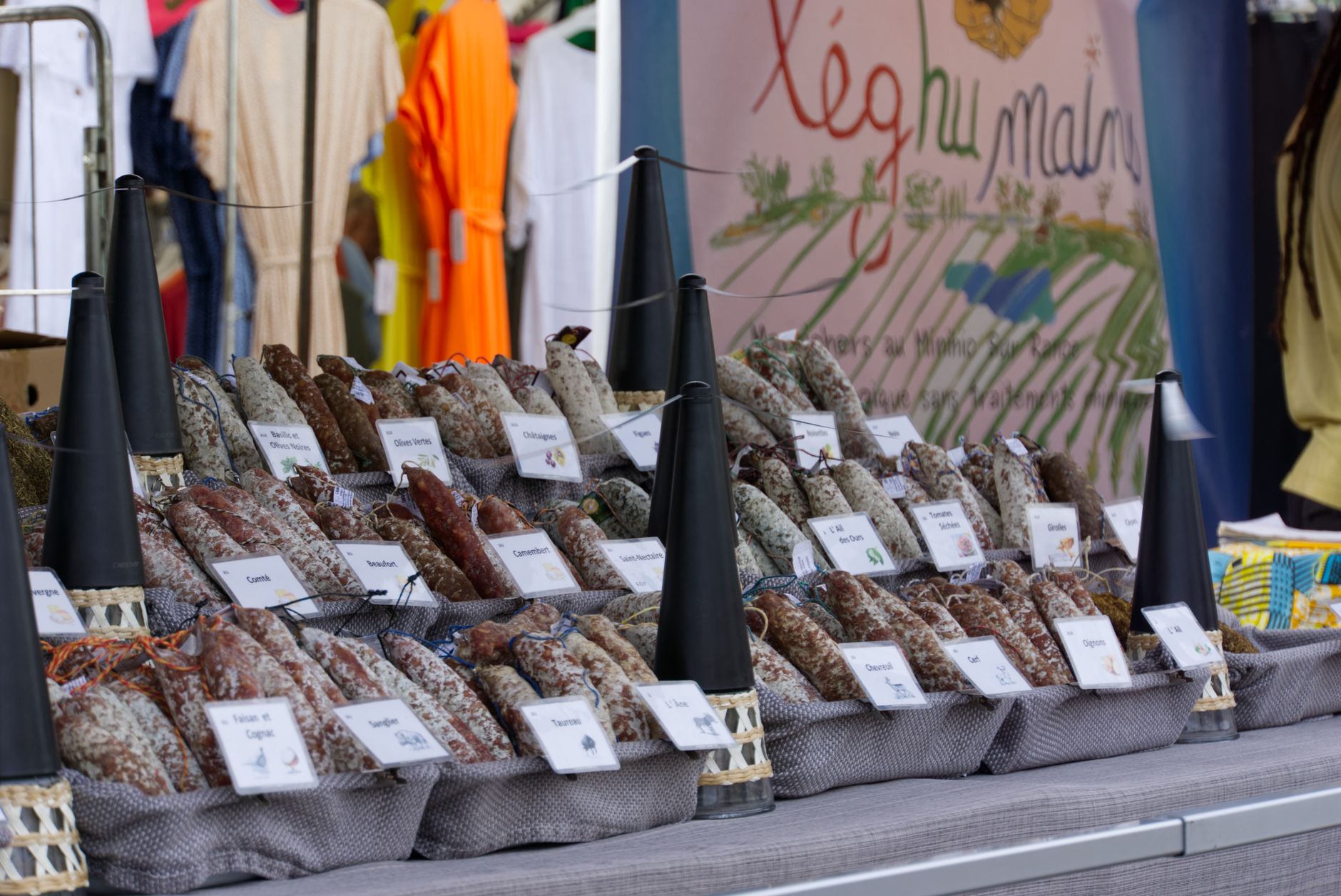
People who return tend to spread their house visits across two days rather than rushing three in one afternoon — the tastings add up. Mercier's cellar tour by electric mini-train is genuinely different from the others. The Wednesday and Saturday markets near the centre are worth building a morning around before any cellar descents.
Experiences you don't want to miss




Deals in Épernay
Book directly at the provider
How Épernay came to be
Épernay spent its early centuries passing between powerful hands — archbishops of Reims held it from the 5th century, then the counts of Champagne. Francis I burned it to the ground in 1544. It was named a duchy in 1642 and assigned to the duc de Bouillon. The Paris-Strasbourg railway arrived on 2 September 1849, the same year Pol Roger founded his champagne house, and the two facts together tell you something about the town's ambitions.
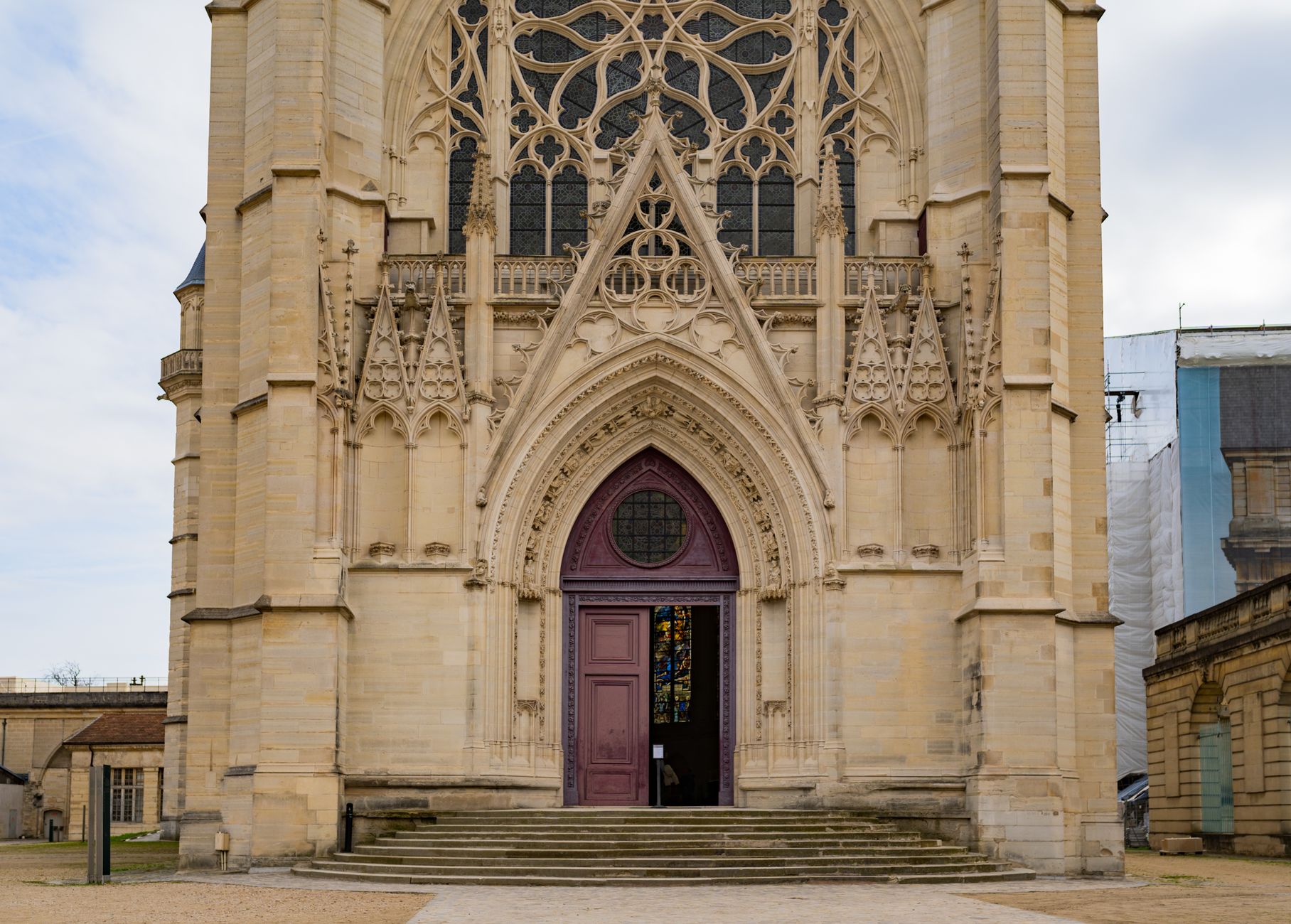
The First World War left two-thirds of Épernay destroyed. What you see today — the Avenue de Champagne's confident facades, the Romano-Gothic Notre-Dame completed in 1915, the Town Hall Victor Lenoir built in 1858 — is partly a city rebuilt around its one irreplaceable asset: the cellars, which the war could not touch. General Patton's Third Army liberated the town on 28 August 1944. In 2015, UNESCO recognised the Champagne Hillsides, Houses and Cellars as a World Heritage Site.
Who and what shaped it
People who shaped it
Landmark buildings
See Épernay in motion
Plan your visit
On the map
When to go
July is the sunniest month, with over ten hours of light a day and temperatures around 20–26°C — good for walking the avenue and the hillside vineyards. Winter is cool and frequently overcast, averaging around 5°C in January, with occasional snow; the cellars stay the same temperature year-round regardless.
Right now
Background & history adapted from Wikipedia (CC BY-SA) · specs from Wikidata (CC0) · weather from Open-Meteo · map data © OpenStreetMap contributors · photos from Wikimedia Commons / Unsplash with per-image credit. No third-party reviews or social posts reproduced.