
Reims
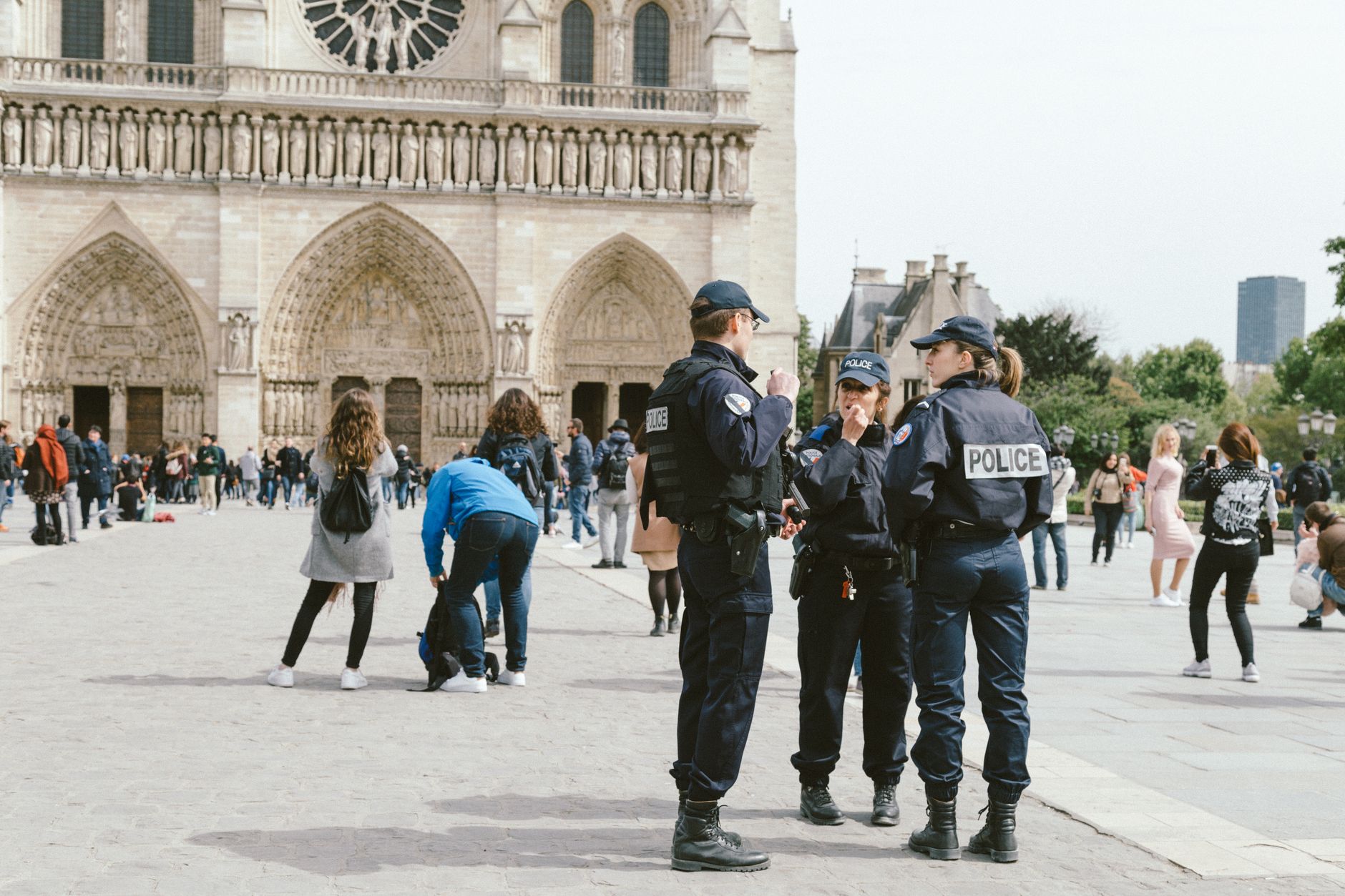

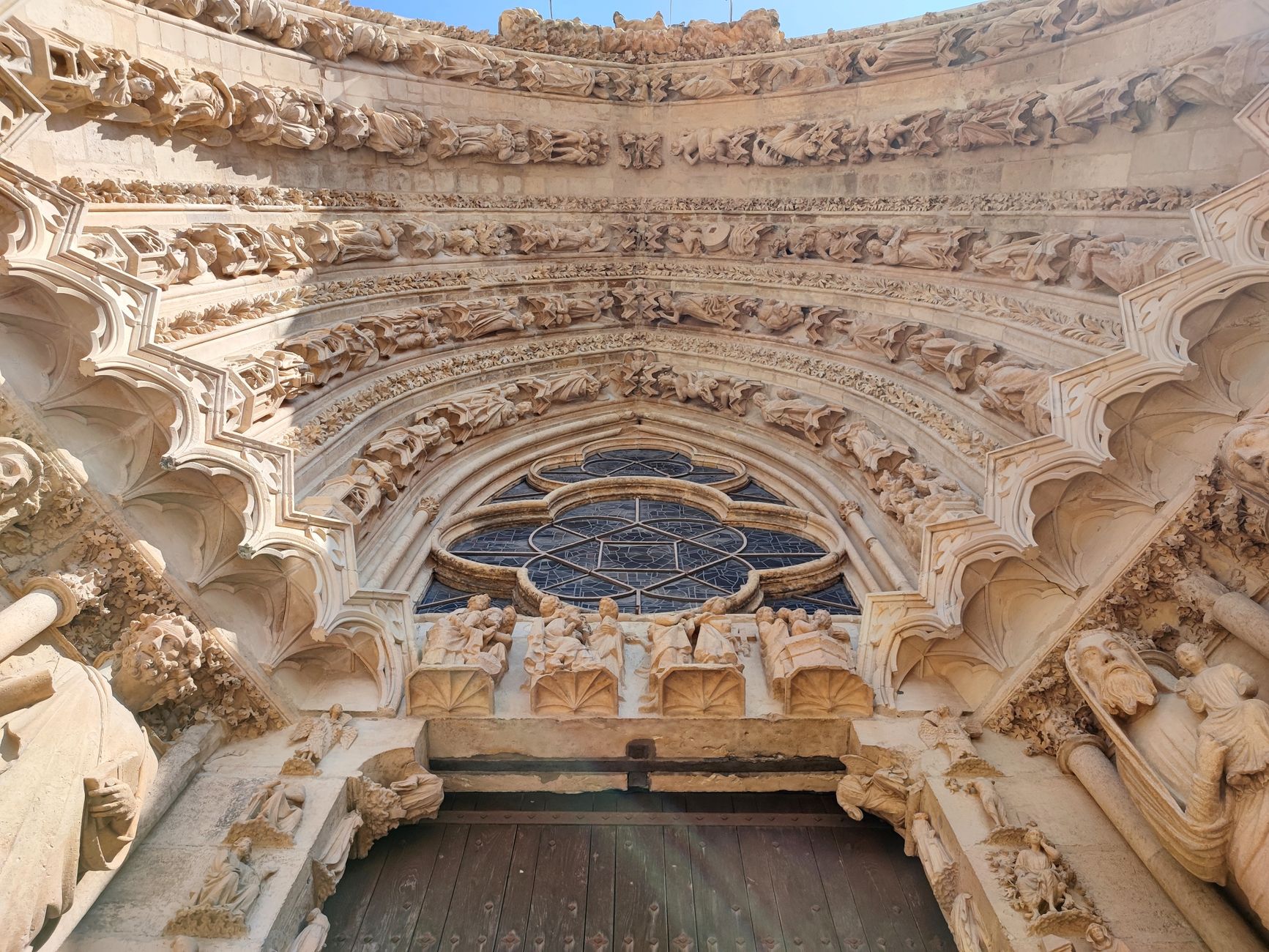
Stand in front of the Cathedral of Notre-Dame de Reims and count, if you can, the figures carved into its western façade — there are 2,303 of them. The stone is the colour of old honey in afternoon light, and the twin towers rise 81 metres above a city that was almost entirely levelled in the First World War and rebuilt, stubbornly, within a decade.
Reims sits 129 kilometres northeast of Paris on the Vesle River, compact enough that nearly everything worth seeing falls within 500 metres of the old Roman forum. Three of its monuments share a single UNESCO listing. The champagne country starts just beyond the city limits.
💛 What travellers fall for
People who come back tend to arrive early at the cathedral — before the tour groups — when the Marc Chagall windows in the ambulatory hold the morning light to themselves. They also make a point of walking down to the Porte de Mars, the vast 3rd-century Roman arch that most visitors walk straight past on their way from the train station.
Experiences you don't want to miss



Deals in Reims
Book directly at the provider
How Reims came to be
Before it was French, Reims was Roman — Durocortorum, capital of the Remi tribe, a city of perhaps 50,000 people whose chalk-cut cryptoporticus still runs beneath the old forum. Christianity arrived by 260 AD, and in 496 Bishop Remigius baptised the Frankish king Clovis I here, a moment that set the city on its long trajectory as the place where France crowned its kings. Twenty-five coronations followed, from Louis VIII in 1223 to Charles X in 1825; the most famous brought Charles VII to the altar in 1429 with Joan of Arc standing nearby.
Construction of the current cathedral began in 1211 under Archbishop Aubry de Humbert and designer Jean d'Orbais, replacing an earlier church destroyed by fire. The western façade came in the 14th century. In World War I, German shelling gutted much of the city and badly damaged the cathedral. Restoration drew funding from John D. Rockefeller in 1924, and the city's post-war rebuild — carried out by more than 400 architects — was complete within a generation.
Who and what shaped it
People who shaped it
Landmark buildings
See Reims in motion
Plan your visit
On the map
When to go
Winters are cold and grey, with temperatures hovering around 5°C and dropping to freezing at night. Spring and early autumn are mild and well-suited to walking the city; summer is warm without being oppressive.
Right now
Background & history adapted from Wikipedia (CC BY-SA) · specs from Wikidata (CC0) · weather from Open-Meteo · map data © OpenStreetMap contributors · photos from Wikimedia Commons / Unsplash with per-image credit. No third-party reviews or social posts reproduced.