
Châlons-en-Champagne
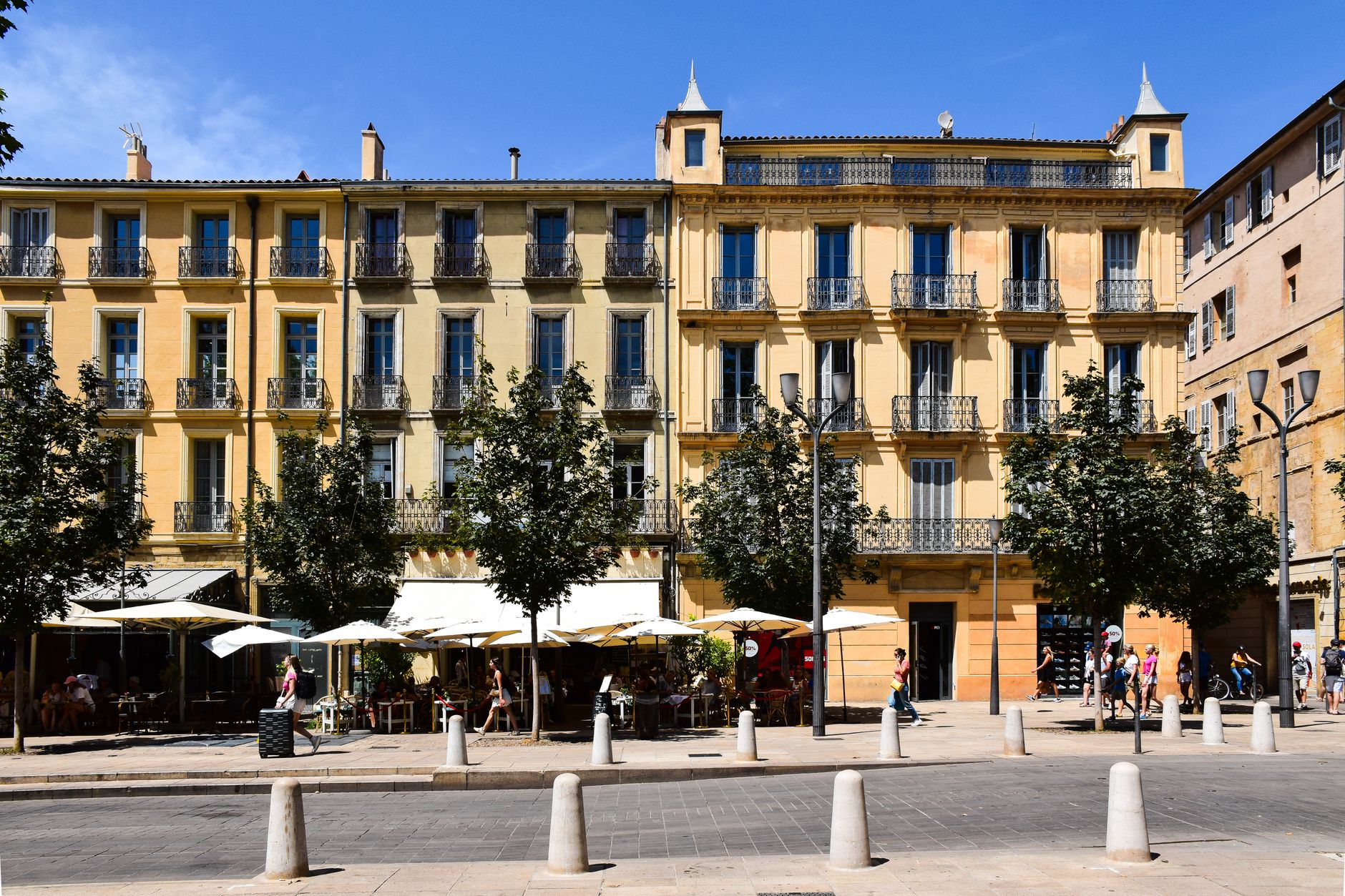
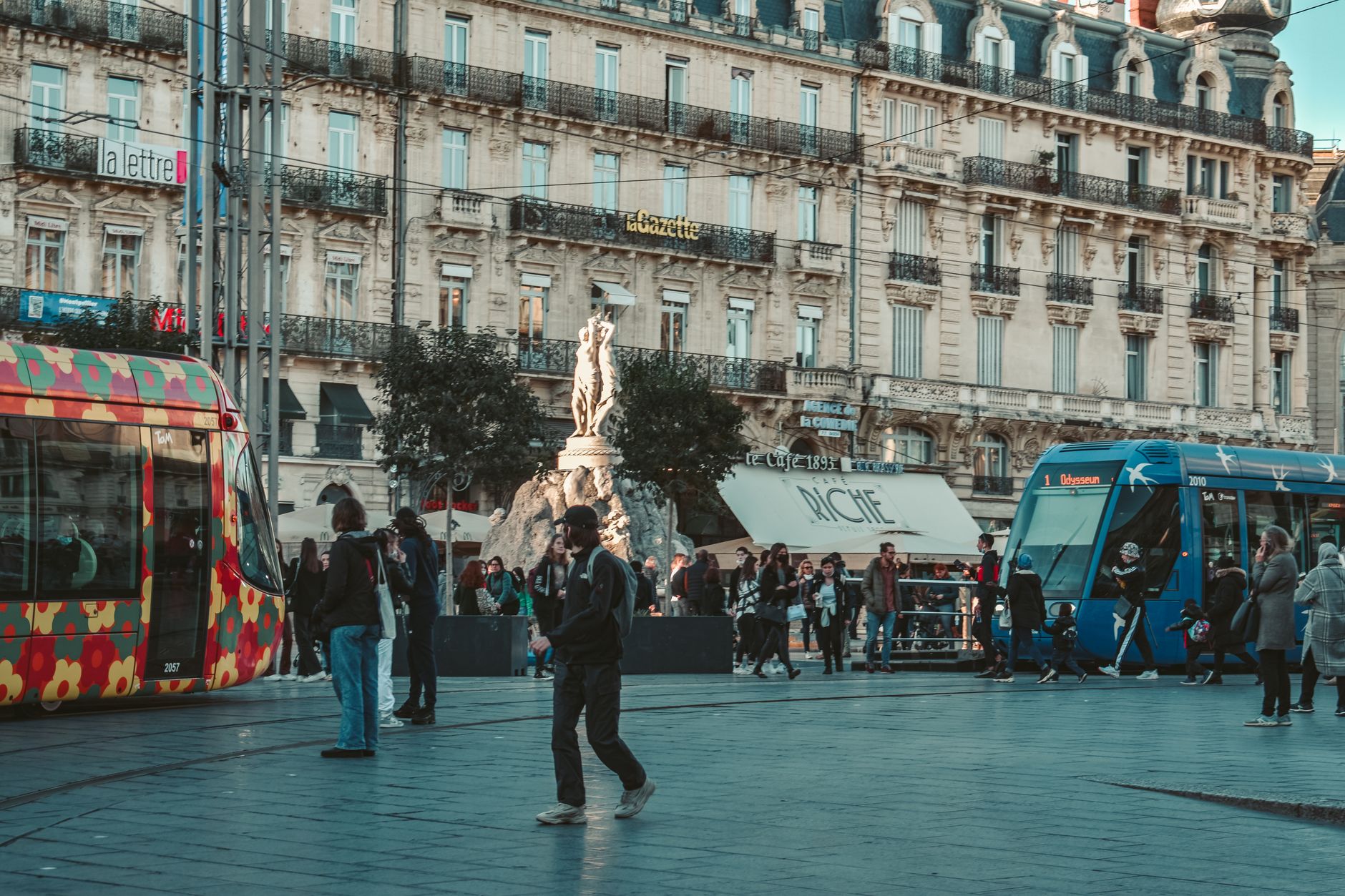
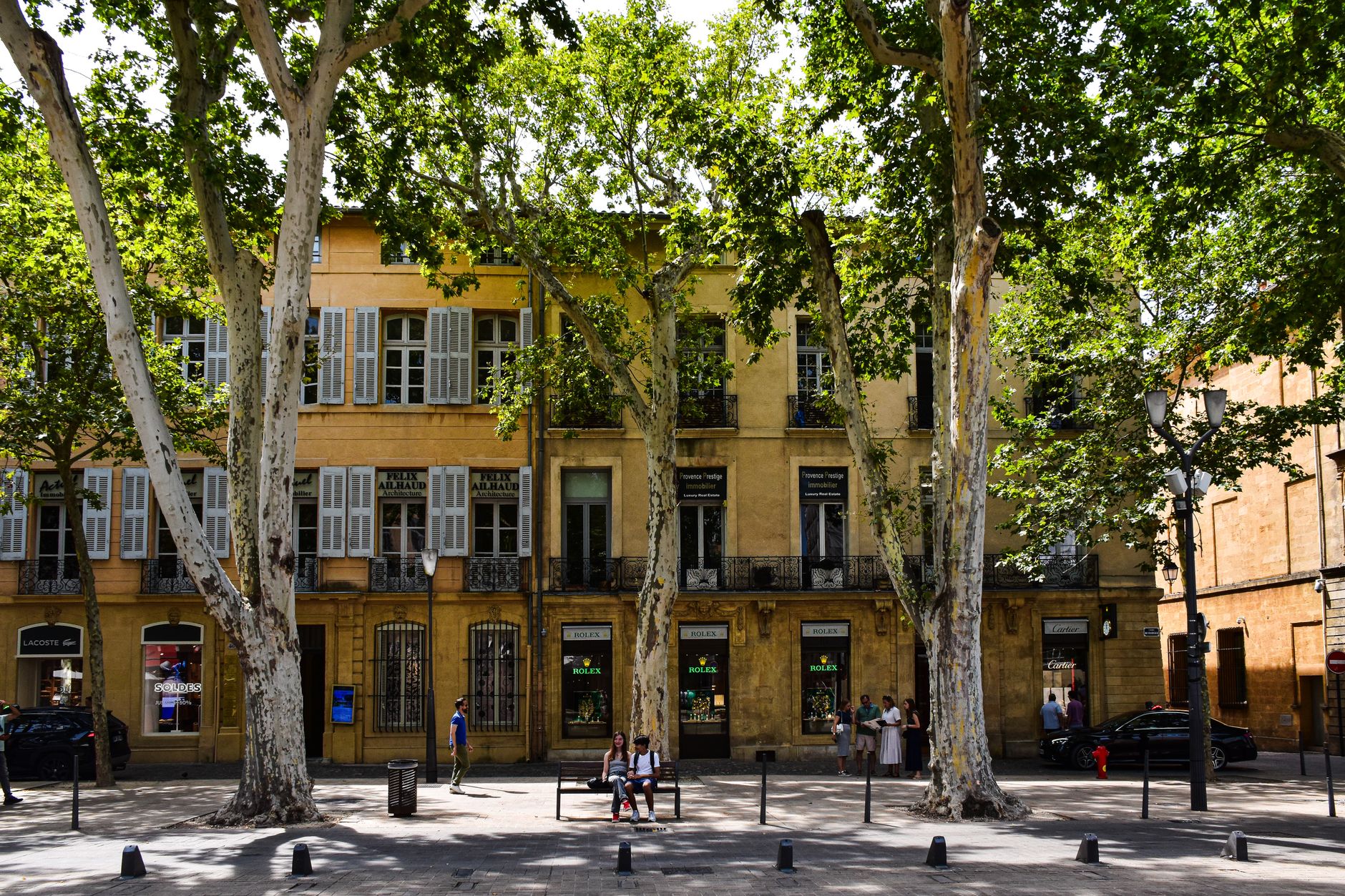
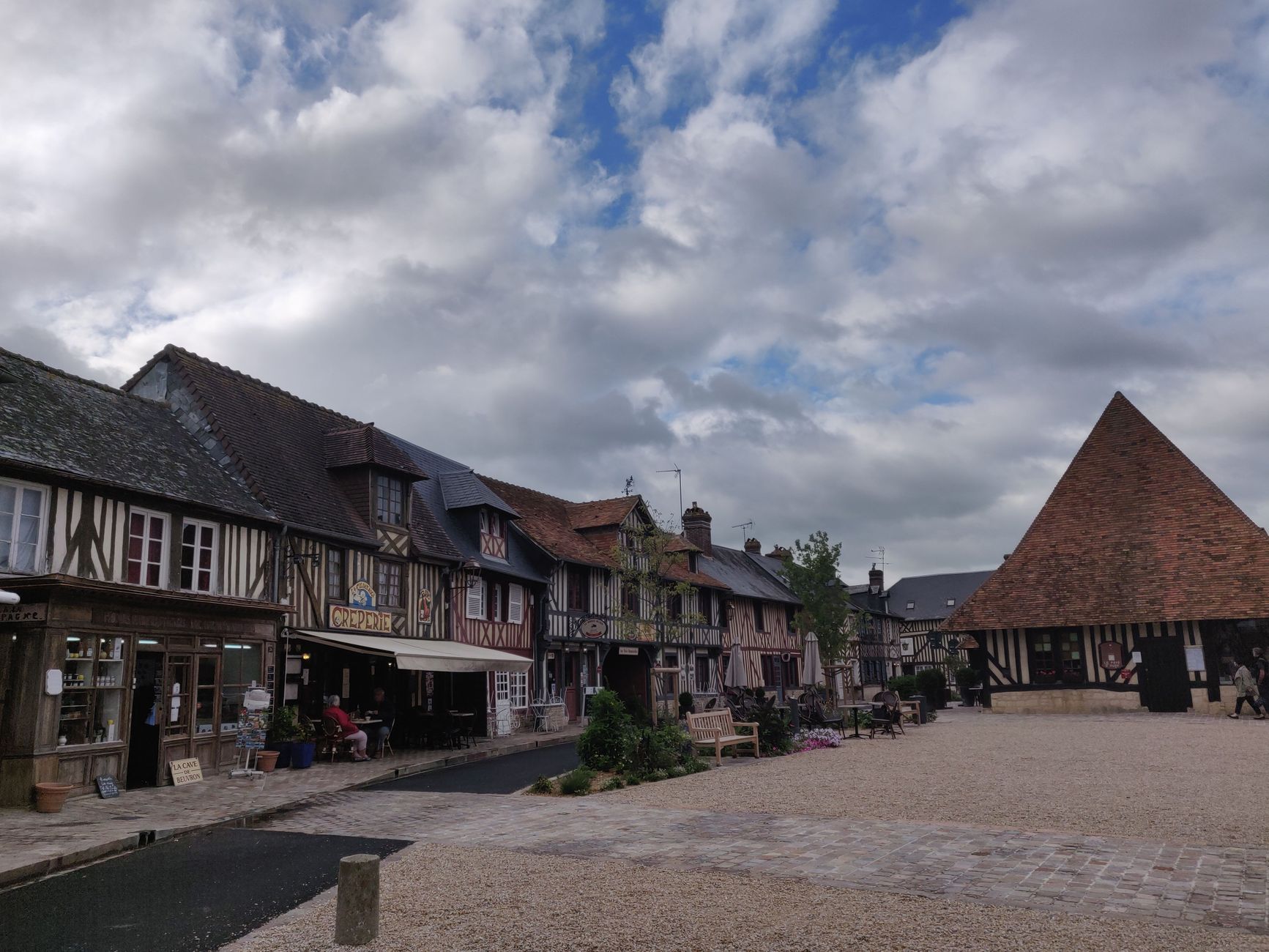
Stand in front of Notre-Dame-en-Vaux on a quiet morning and count the bells — there are 56 of them in the carillon, one of the largest in Europe, and when they ring the sound fills the medieval street in a way that's hard to prepare for. Châlons-en-Champagne sits in the flat Marne plain with a confidence that comes from deep roots: this was a Gallo-Roman settlement, a medieval textile hub, a city that once rivalled Épernay for Champagne production before phylloxera took the vines and the town quietly reinvented itself around administration and memory.
What remains is an unusually compact city where UNESCO-listed Gothic churches stand a few streets from a 19th-century circus building that now trains the next generation of European circus artists, and where a single surviving Champagne house — Joseph Perrier, founded 1825 — keeps three kilometres of Gallo-Roman chalk galleries beneath a former coaching inn.
💛 What travellers fall for
People who come back tend to make time for the Joseph Perrier cellars, where the galleries run at a single level through chalk that was already old when the Romans cut it. They also walk the Petit Jard along the Mau canal at dusk, and look up at the timber-framed houses on Place de la République — the kind of detail that takes a second visit to really see.
Experiences you don't want to miss


Deals in Châlons-en-Champagne
Book directly at the provider


How Châlons-en-Champagne came to be
The name goes back to the Catalauni, a Belgic tribe whose settlement the Romans latinised as Catalaunum. In 451 CE the surrounding plains became the site of one of late antiquity's decisive engagements: a combined Roman and Visigoth force stopped Attila the Hun here, ending his westward advance into Europe. The town's bishops held it as an ecclesiastical peerage through the early medieval centuries, and by the 13th century Châlons had joined the Hanse — a trading league of 17 textile towns across Flanders and northern France — bringing enough prosperity to fund the Gothic churches that still define the skyline.
The Wars of Religion tested the city's loyalties, and it came down on the side of Henry IV, who repaid the allegiance by relocating the Parliament of Paris here in 1589. By the 19th century the surrounding plateau was planted with thousands of hectares of vines and a dozen Champagne houses operated in town — until phylloxera arrived and erased the industry within a generation. The city shifted its identity toward regional administration, a role it formalised when it dropped 'sur-Marne' from its name in 1995.
Who and what shaped it
People who shaped it
Landmark buildings
See Châlons-en-Champagne in motion
Plan your visit
On the map
When to go
The Marne plain offers no shelter from wind, and winters can be raw and grey. Late April through June and September through October give you mild days and manageable crowds — summer is warm but the flat landscape offers little shade outside the garden walks.
Right now
Background & history adapted from Wikipedia (CC BY-SA) · specs from Wikidata (CC0) · weather from Open-Meteo · map data © OpenStreetMap contributors · photos from Wikimedia Commons / Unsplash with per-image credit. No third-party reviews or social posts reproduced.