
French Alps (Mont Blanc)
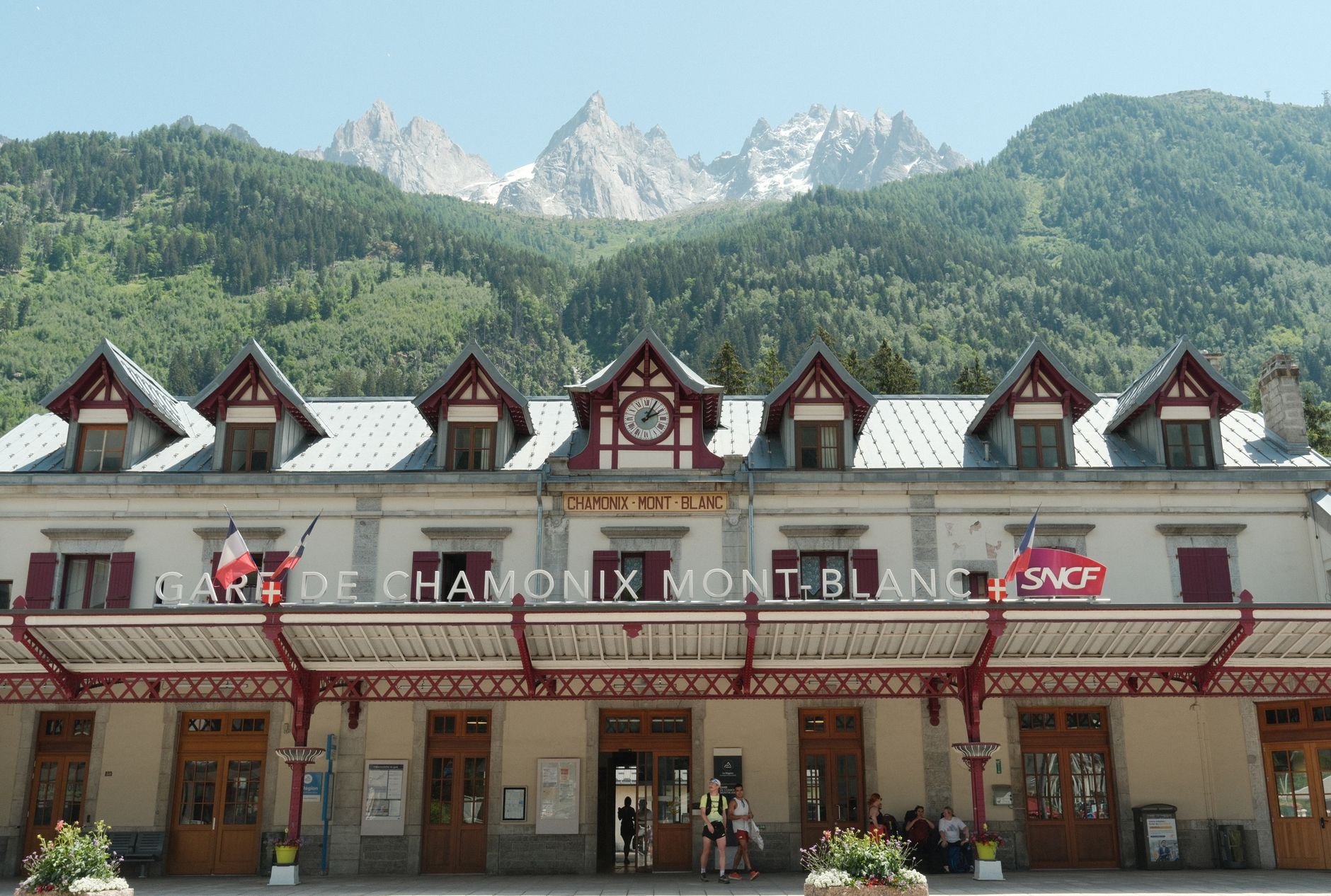
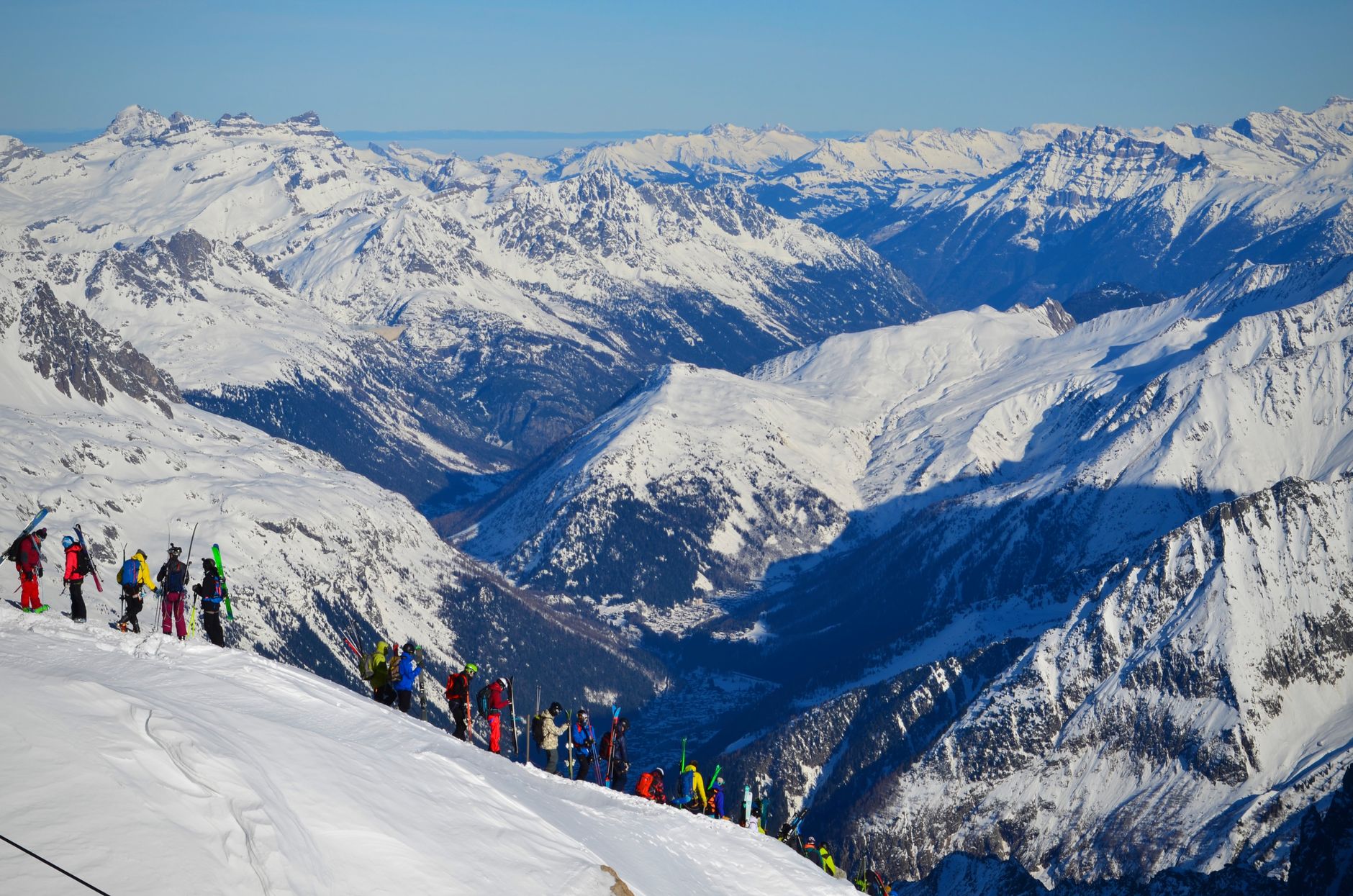
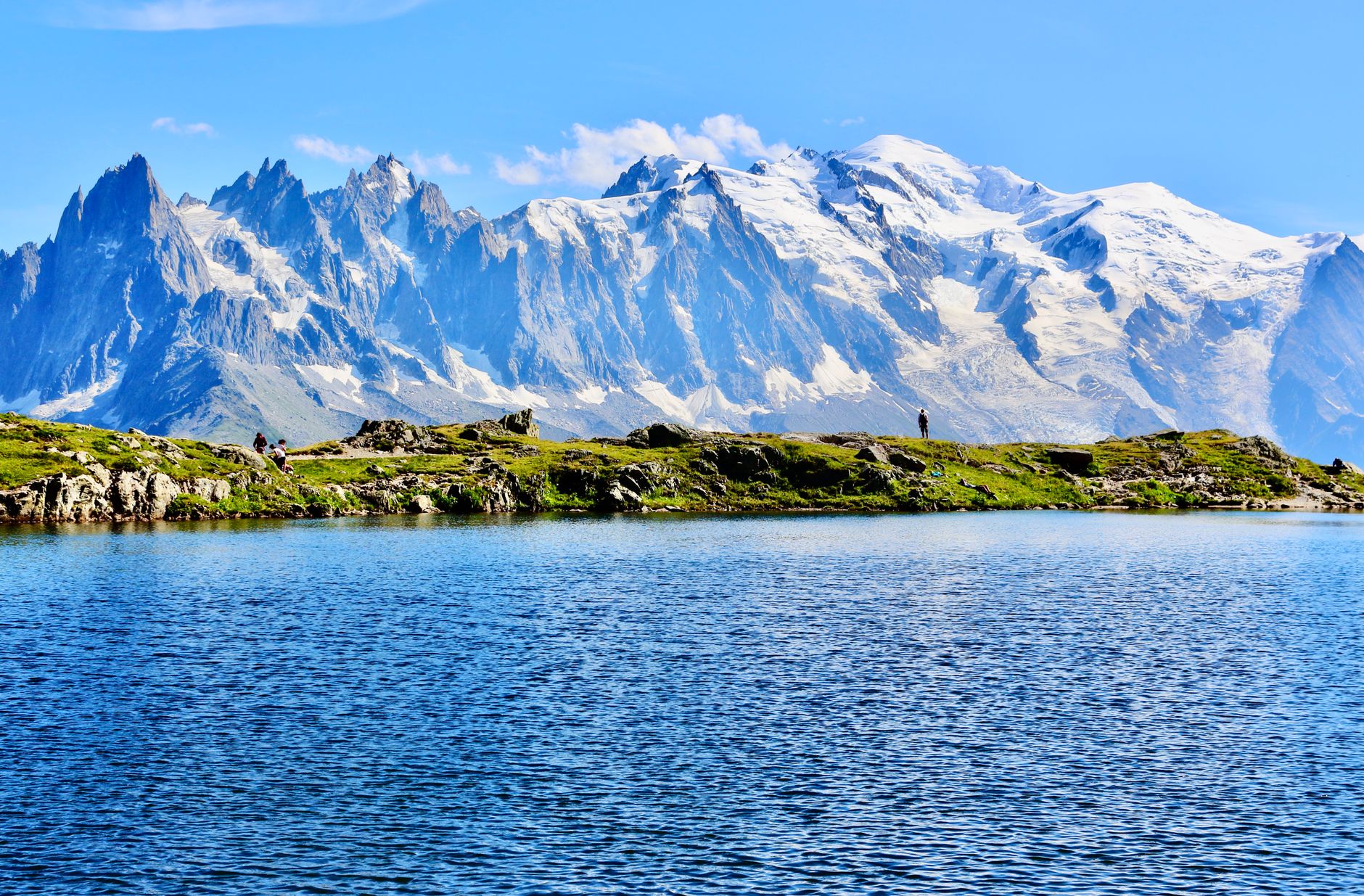
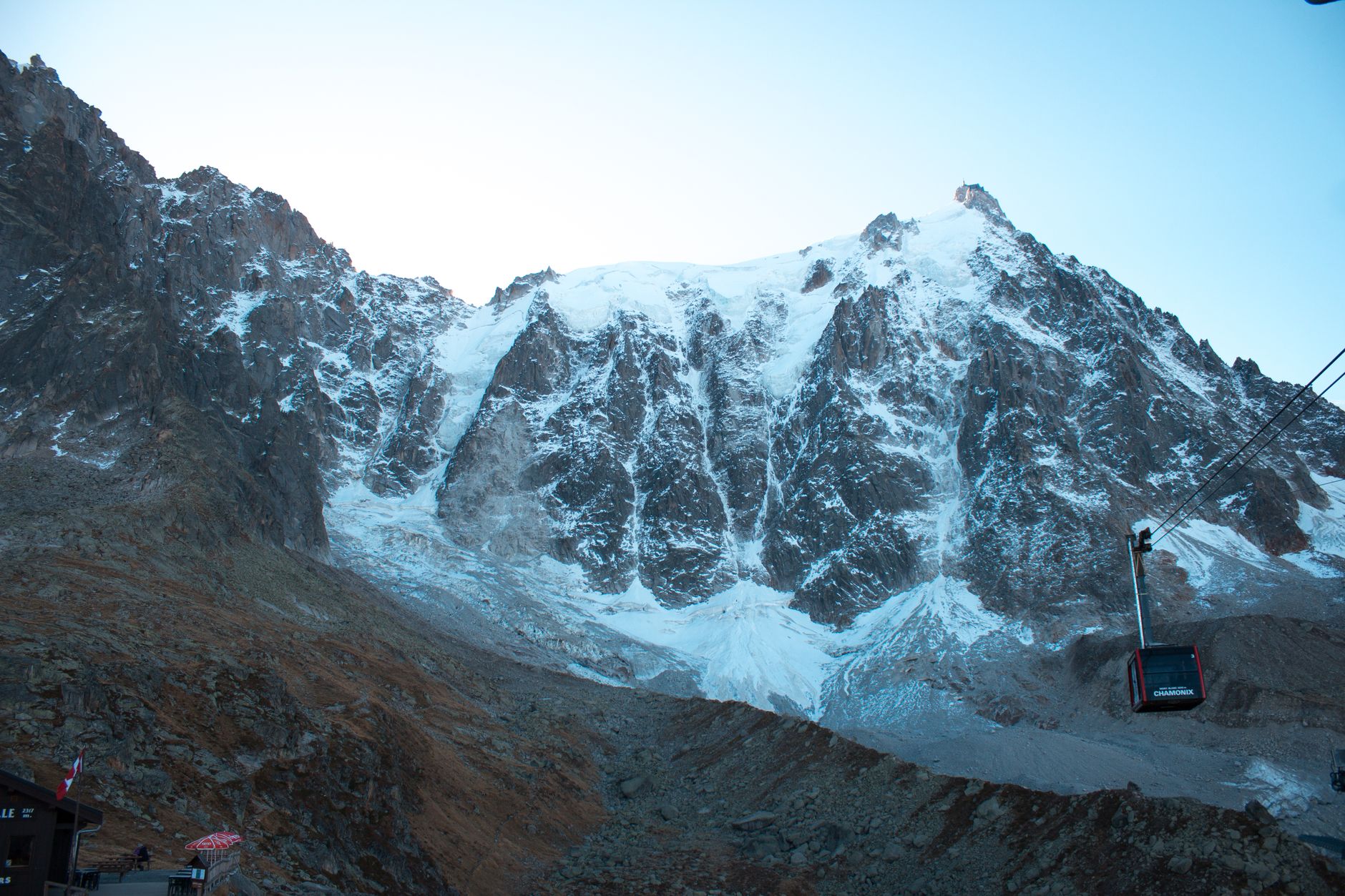
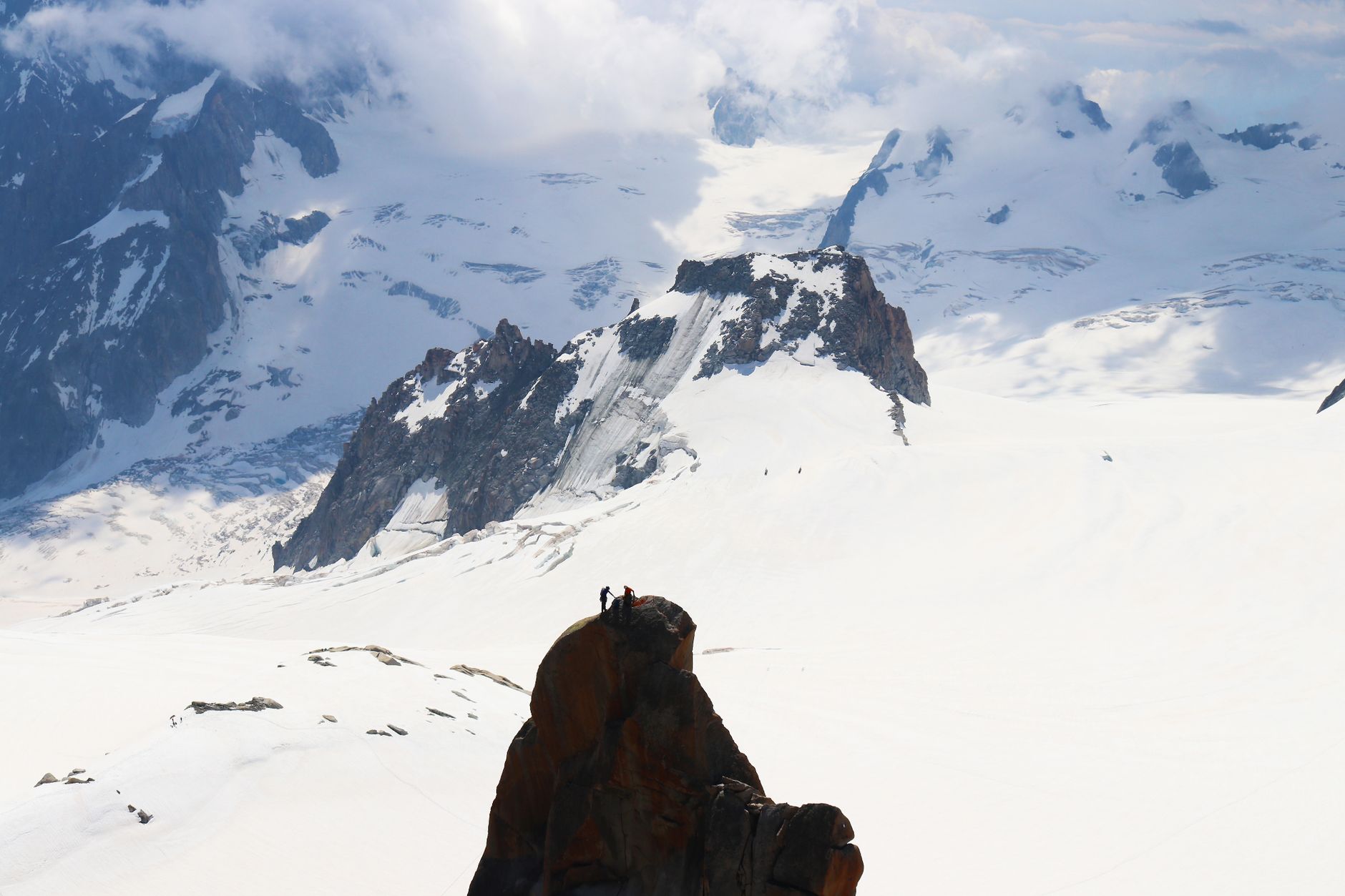
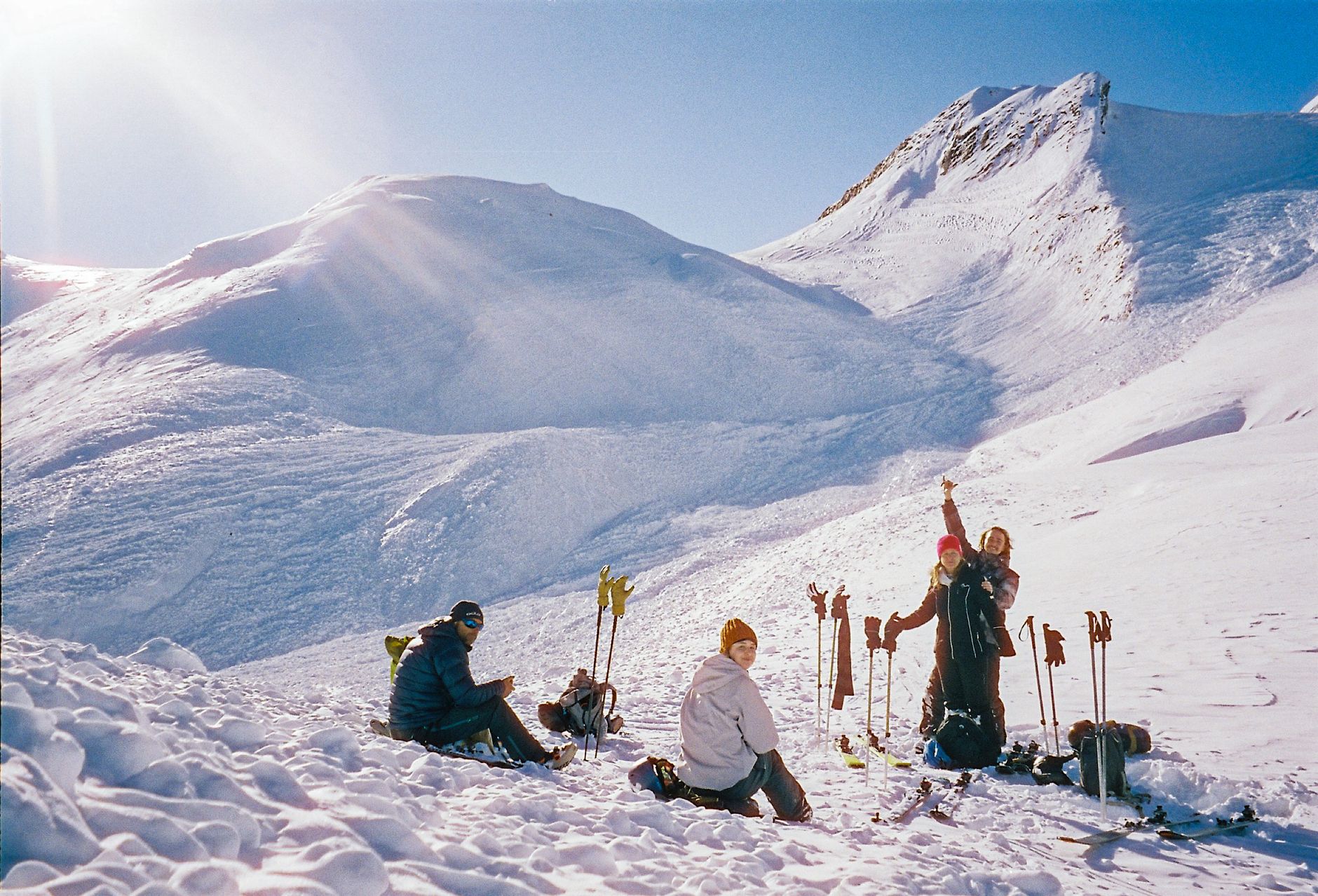
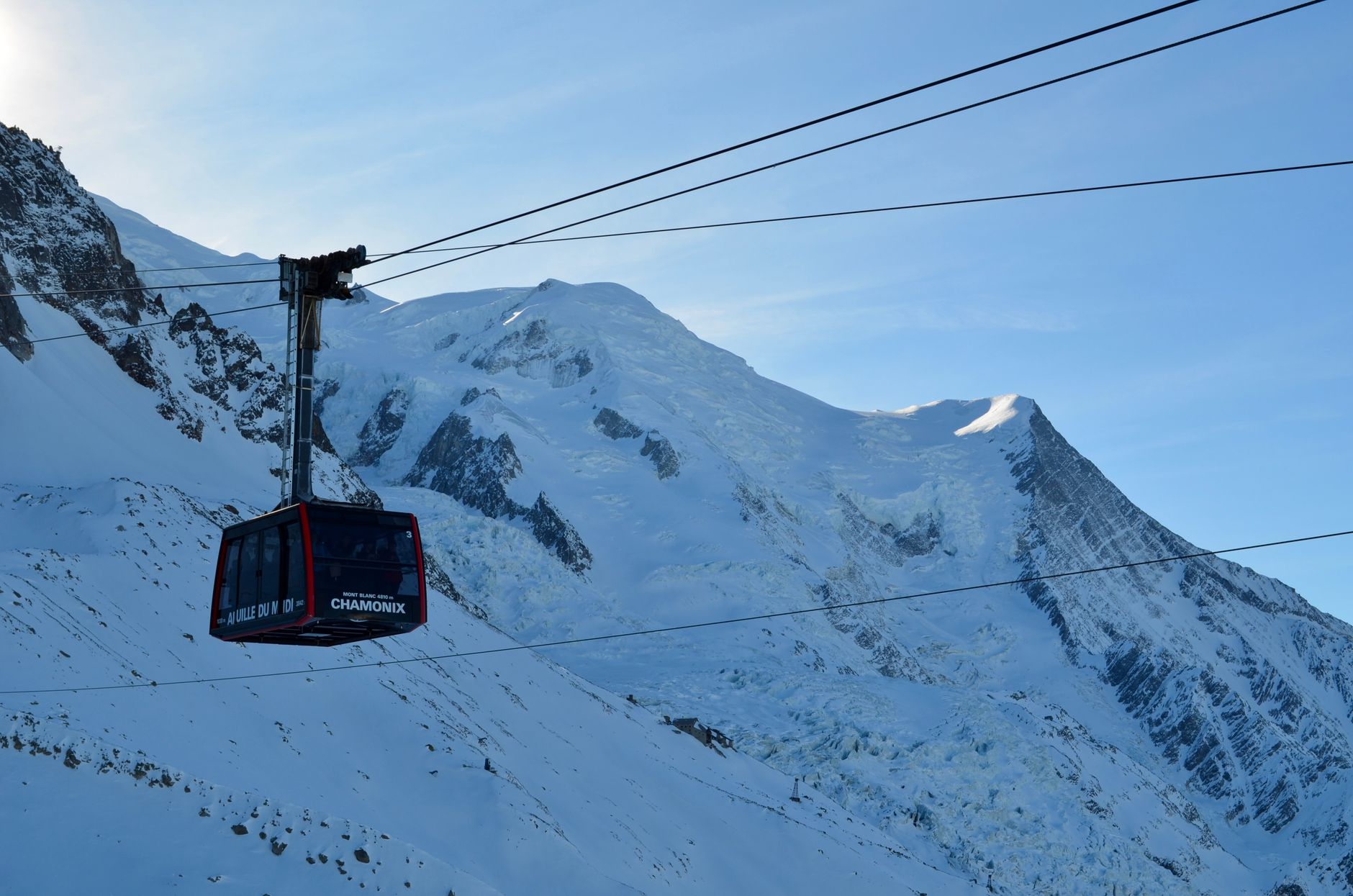
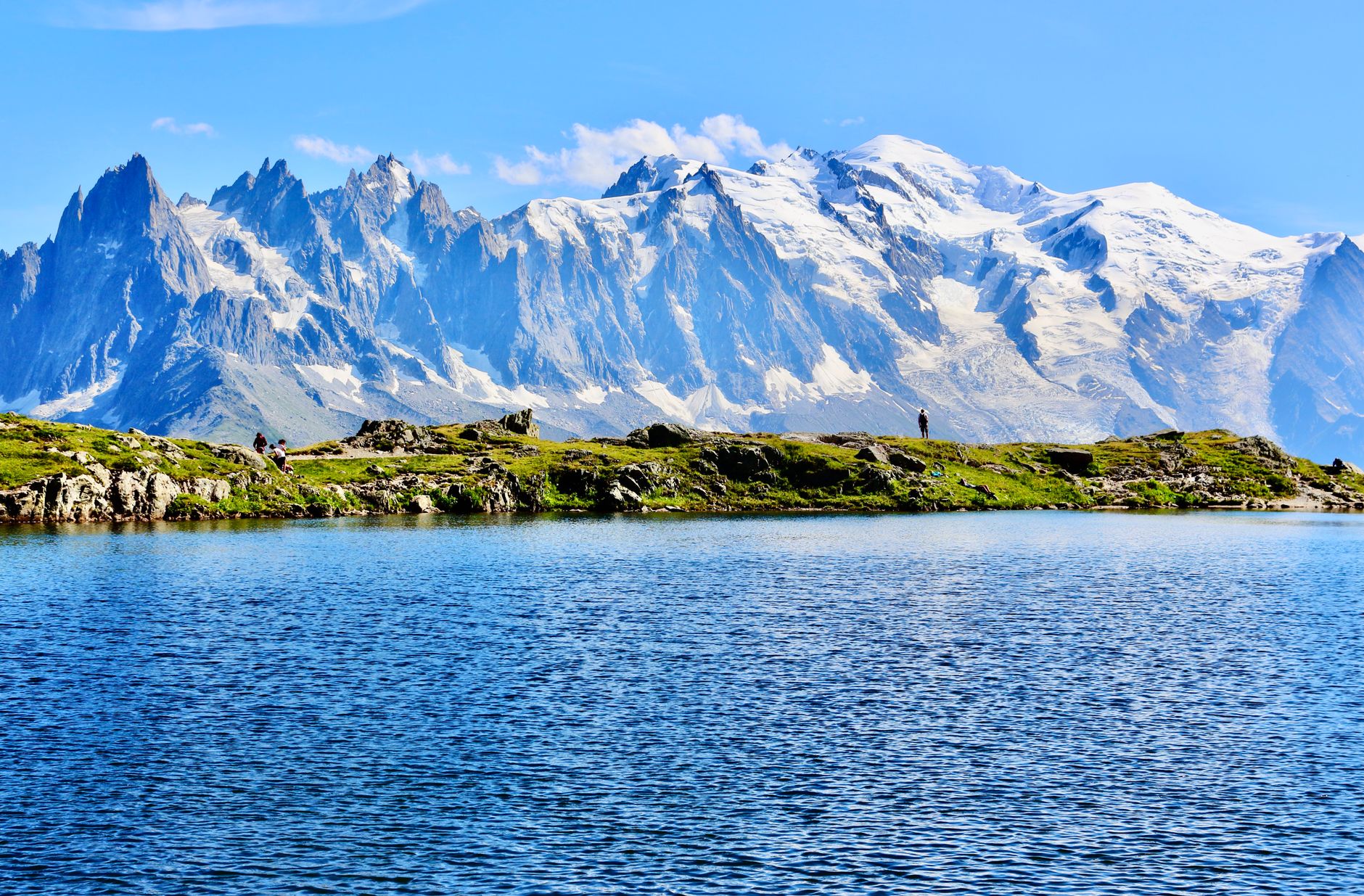
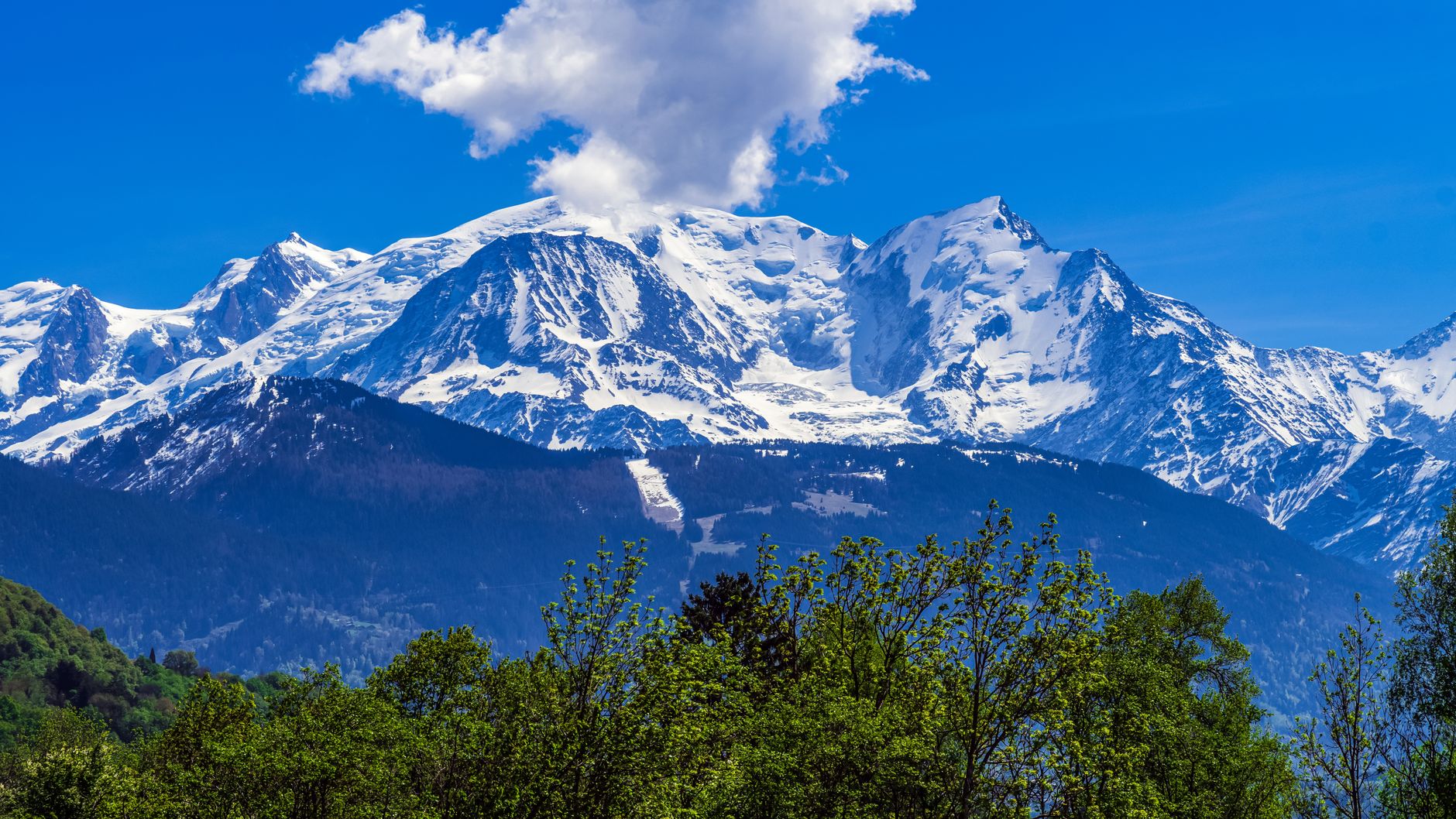
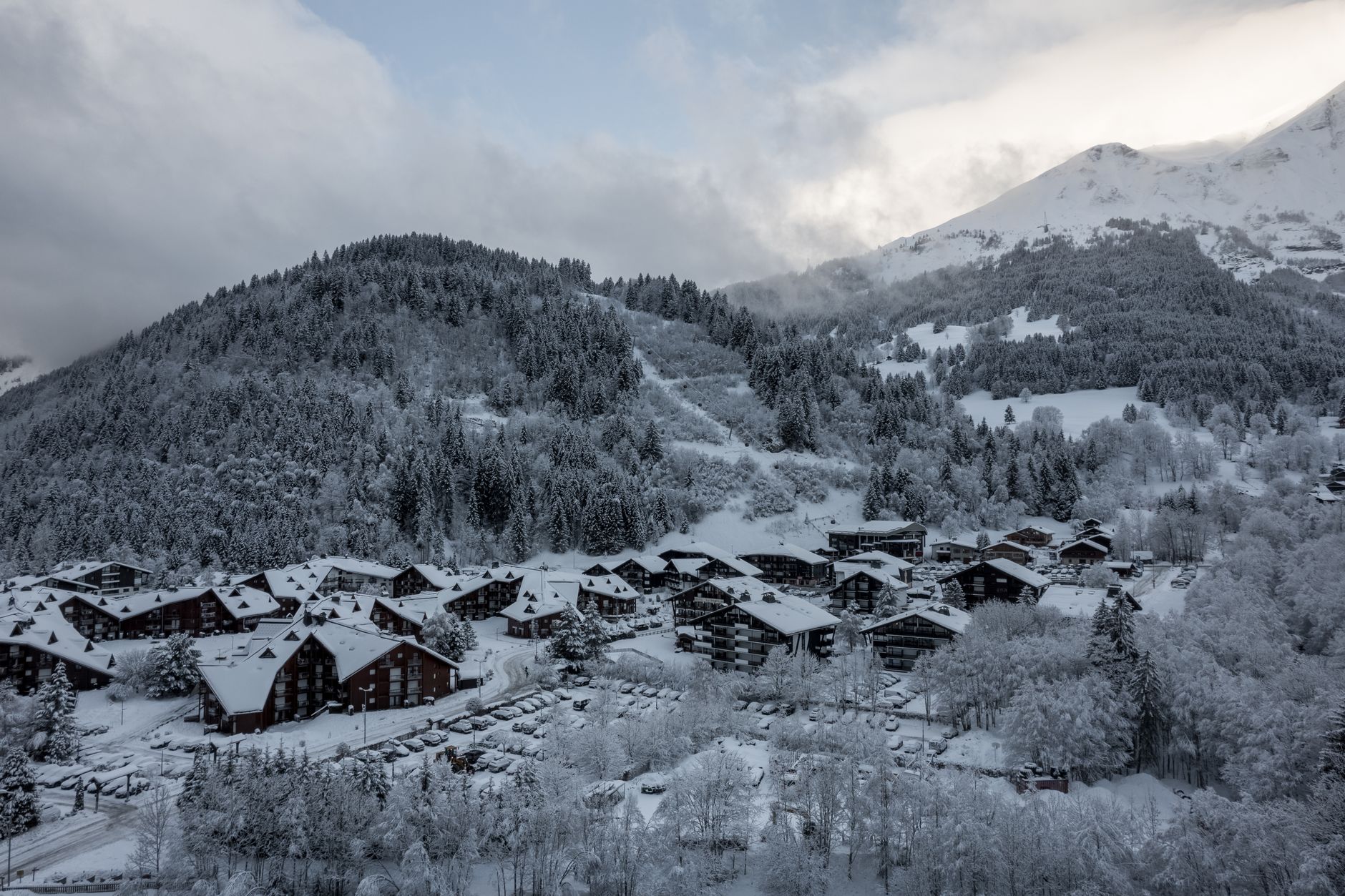
At 4,808 metres, Mont Blanc is the highest point in the Alps and in all of Western Europe — a fact that stops being abstract the moment you step off the Aiguille du Midi cable car at 3,842 metres and feel the cold hit your face in August. The massif anchors a valley, Chamonix, that has been drawing climbers, naturalists and the merely curious since English explorers named the Mer de Glace in 1741.
This is a region where the landscape does the talking. The 170-kilometre Tour du Mont Blanc loops through France, Italy and Switzerland; the Montenvers cog railway has been ferrying visitors to the glacier since 1909. You can arrive knowing nothing about alpinism and leave with a genuine sense of what draws people back, season after season.
Popular cities in French Alps (Mont Blanc)
💛 What travellers fall for
People who return to Chamonix Valley keep mentioning the Carte d'Hôte — the complimentary guest card included in your lodging tax that covers buses and trains across the valley. It quietly changes how you move around. Book Goûter route mountain huts through FFCAM well before you arrive; they fill fast, and there is no workaround.
Experiences you don't want to miss



How French Alps (Mont Blanc) came to be
The Mont Blanc massif took its present form around 15 million years ago, though Europeans long regarded it with suspicion — a 1626 document calls it 'The Accursed One.' The shift came in 1741, when William Windham and Richard Pococke reached the glacier they called the Mer de Glace, and curiosity began to replace dread. Swiss naturalist Horace Bénédict de Saussure accelerated things further by offering a prize in 1760 for the first summit ascent.
That reward was claimed on 8 August 1786, when Savoyard crystal hunter Jacques Balmat and Chamonix physician Michel-Gabriel Paccard reached the top together. Saussure himself followed the next year. Marie Paradis became the first woman to summit in 1808. By 1924, Chamonix was hosting the first Winter Olympic Games — a long arc from 'accursed' to Olympic host in under three centuries.
Who and what shaped it
People who shaped it
Landmark buildings
See French Alps (Mont Blanc) in motion
Plan your visit
On the map
When to go
Summers in the valley are mild, winters cold and heavily snowed; annual precipitation sits around 1,280 millimetres. The summit is a different matter entirely — permanent ice, temperatures around −20°C, and conditions that can shift without warning regardless of season.
Right now
↡ Cities
No places match these filters.
Background & history adapted from Wikipedia (CC BY-SA) · specs from Wikidata (CC0) · weather from Open-Meteo · map data © OpenStreetMap contributors · photos from Wikimedia Commons / Unsplash with per-image credit. No third-party reviews or social posts reproduced.