
Combloux
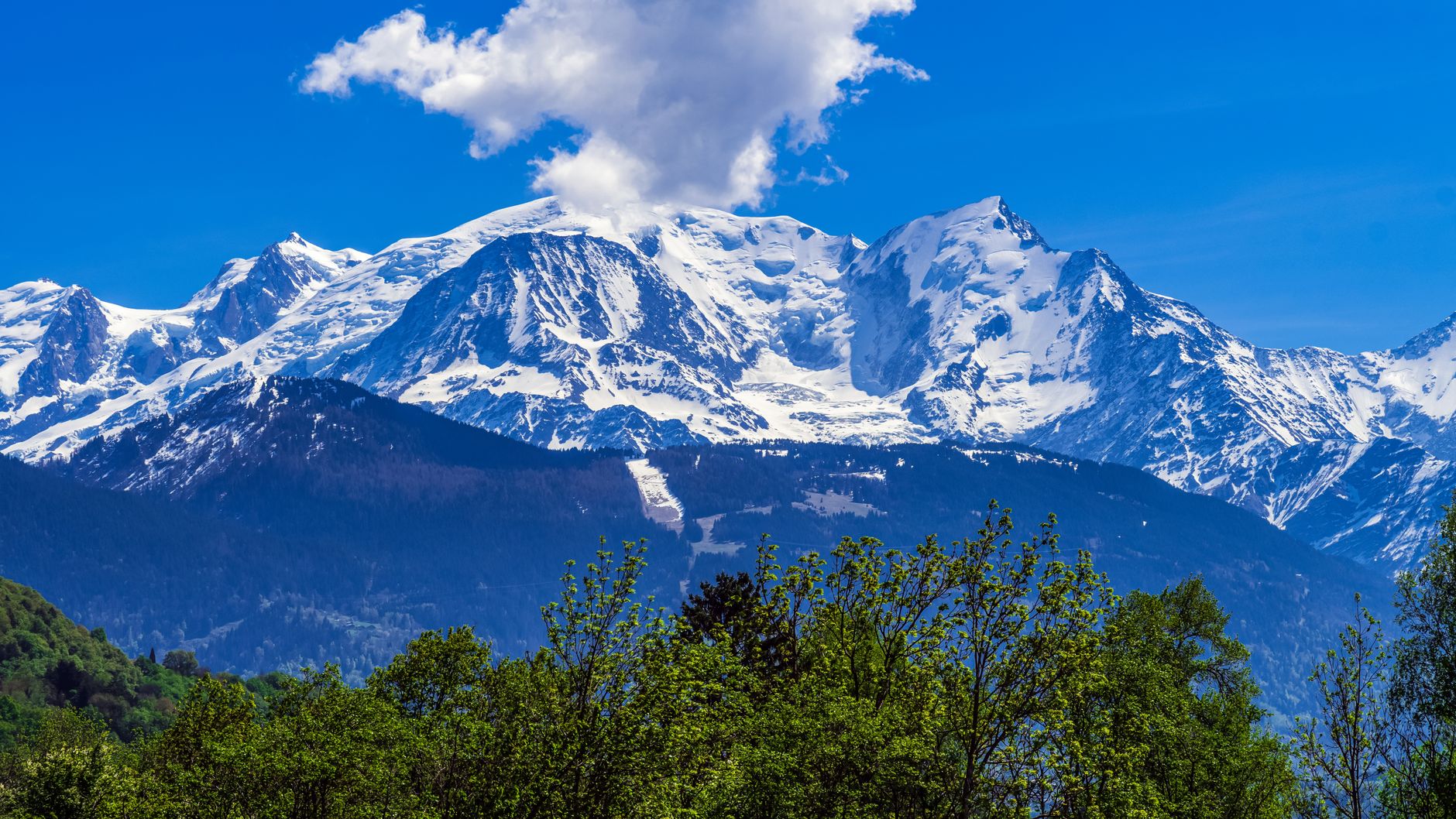
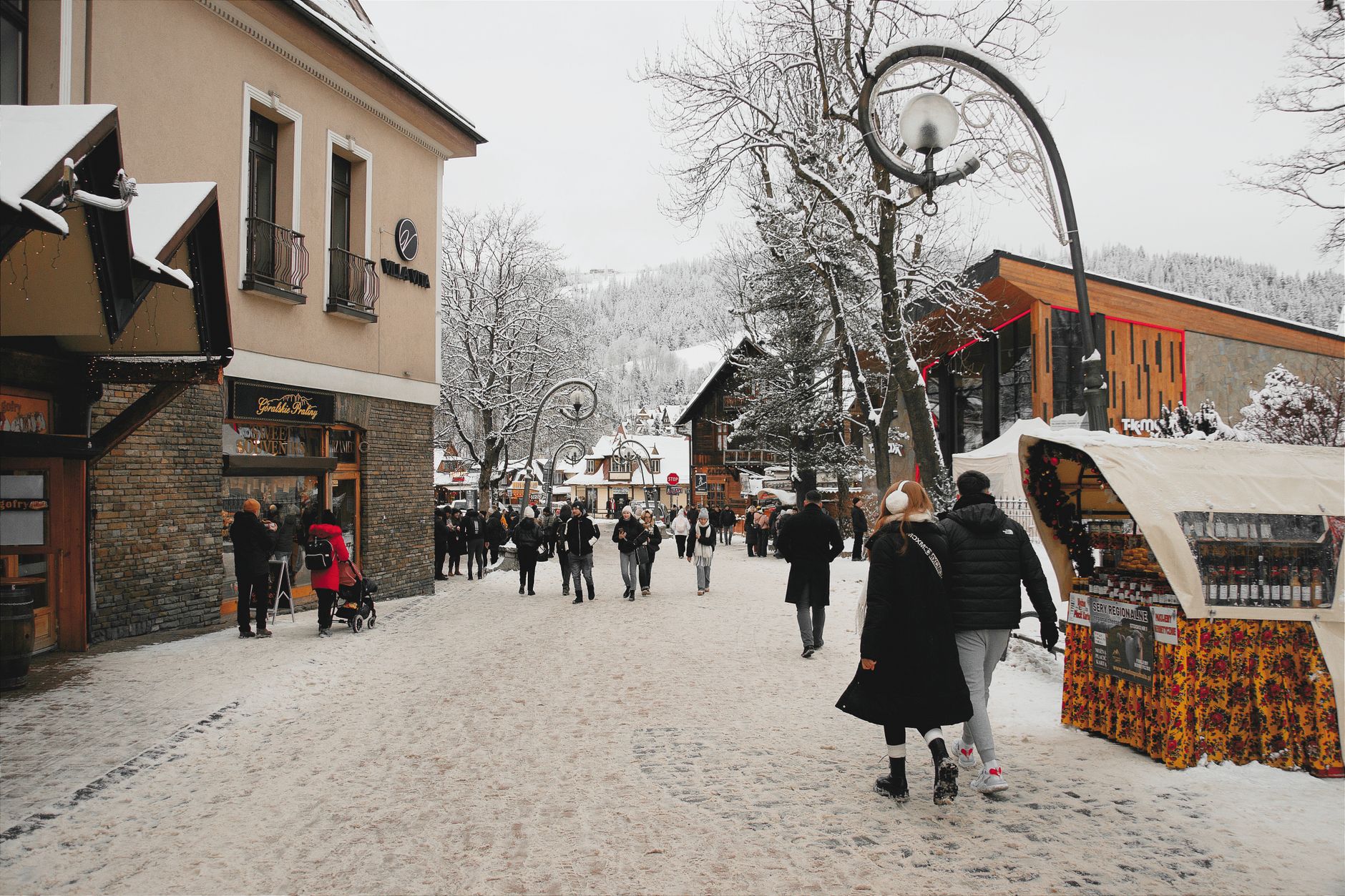
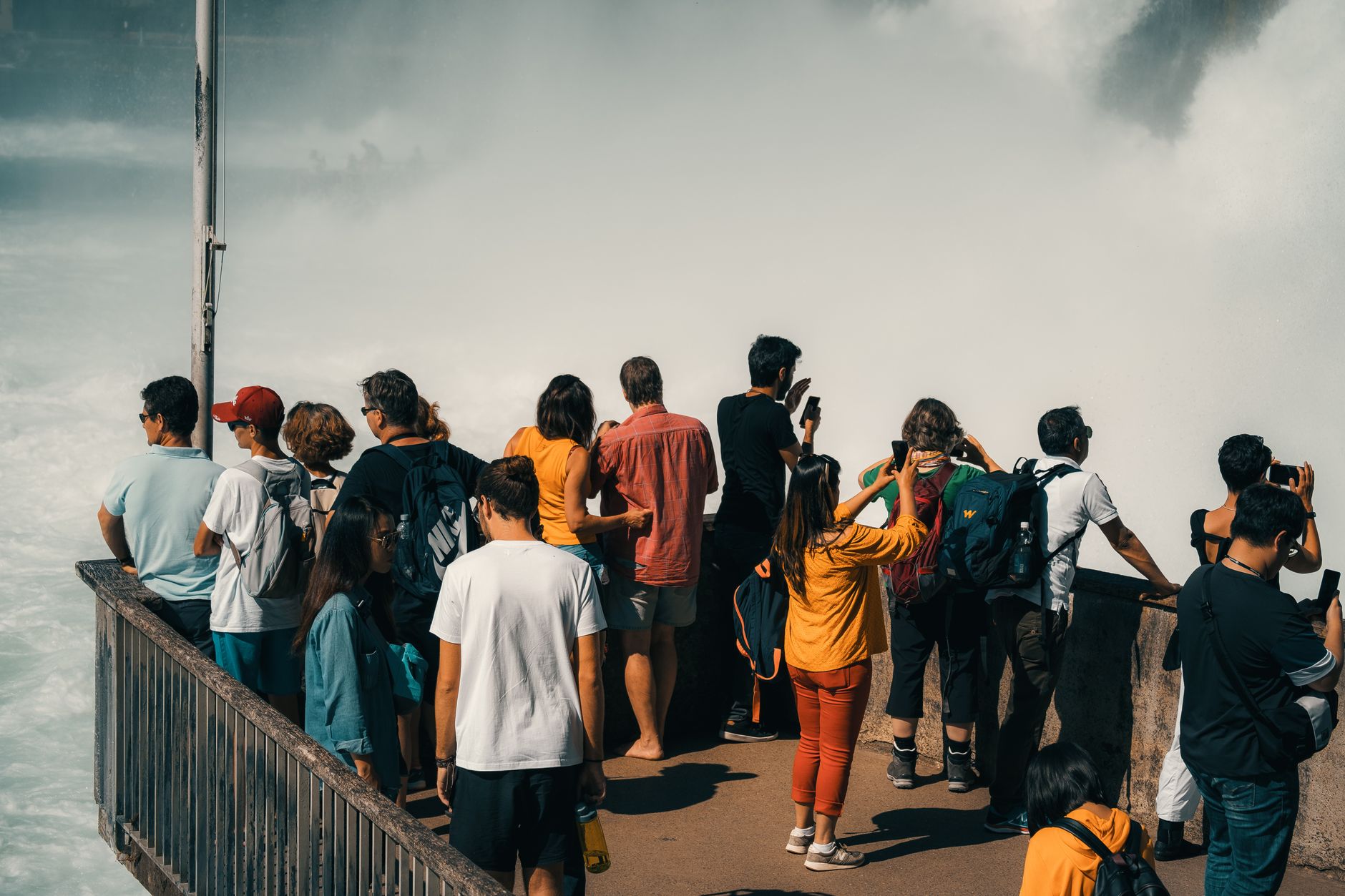
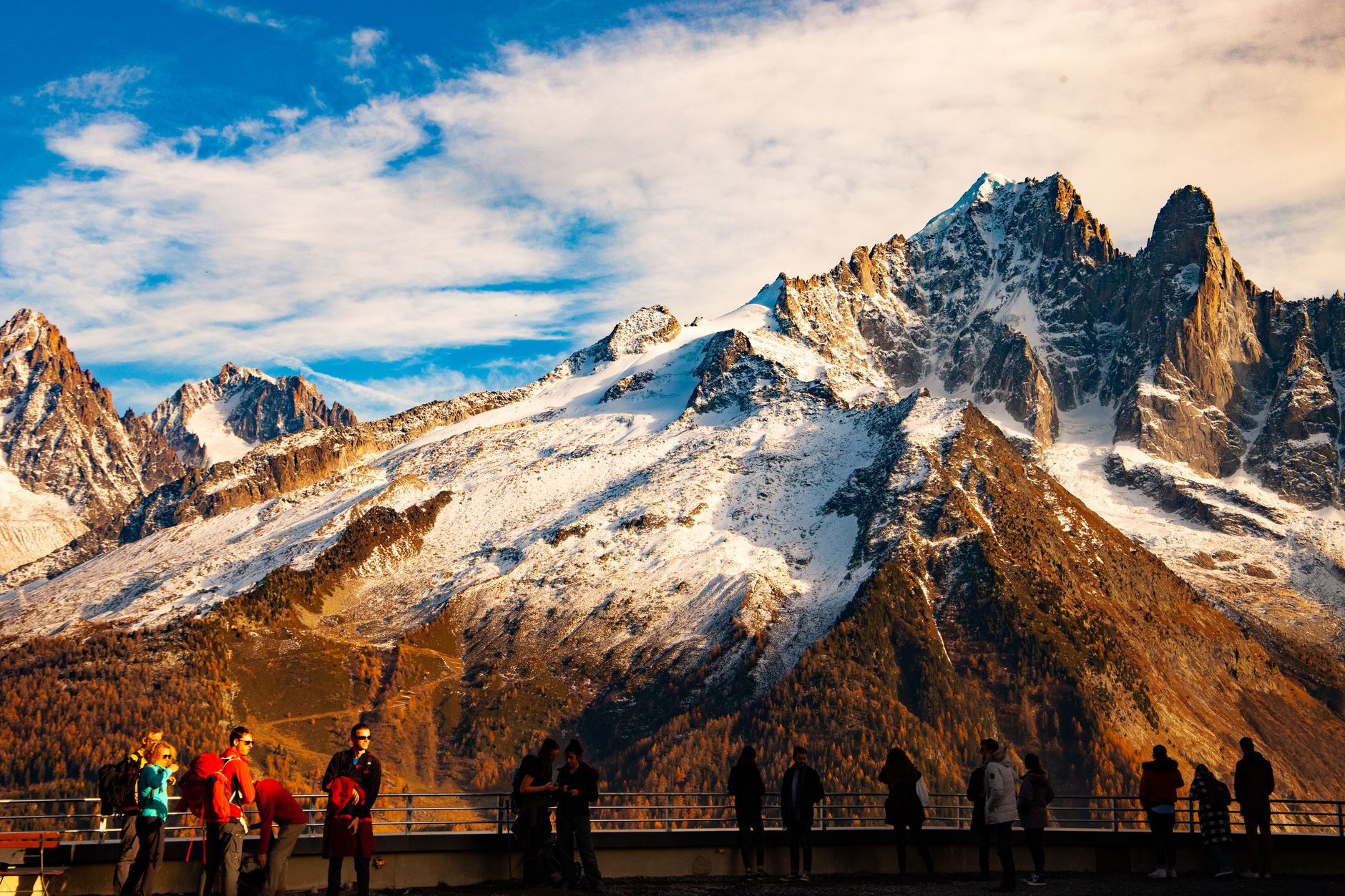
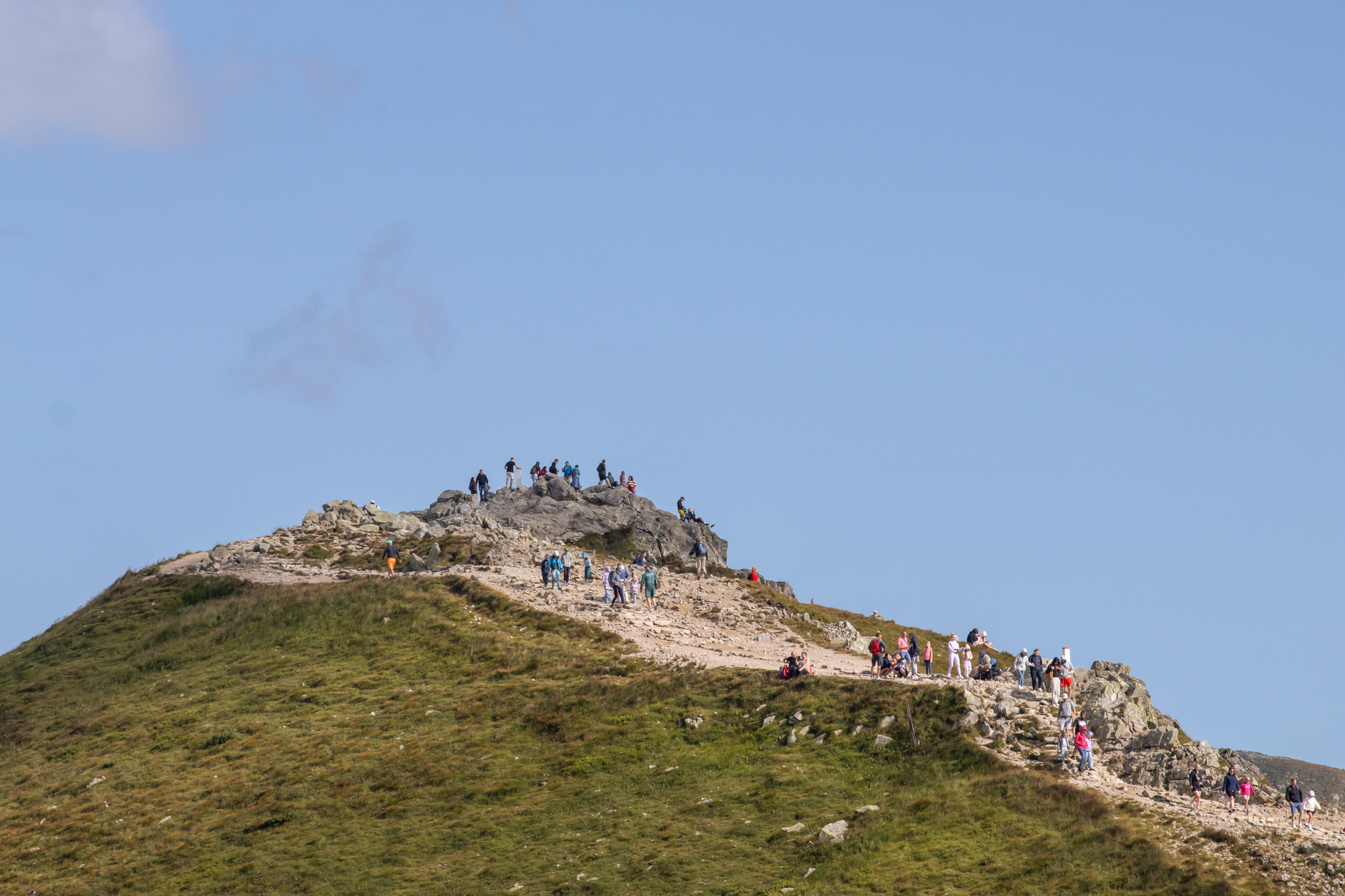
The name gives it away if you know your Latin: Combloux was once wolf country, a valley where Benedictine monks cleared forest and farmers grew cereal on steep slopes facing Mont Blanc. Today the wolves are gone and the mountain is the whole point — that particular view, with the massif filling the southern sky above a church tower that took 126 years to fully rebuild, is the one Victor Hugo called a pearl in a glacier setting.
At 980 metres, Combloux sits just far enough from Megève to feel like itself: a working Haute-Savoie village that learned to ski in 1935 and eventually became the first French commune to buy and run its own lifts. That civic instinct still shows.
💛 What travellers fall for
People who come back tend to mention two things: swimming in the biotope lake on a July afternoon — sun-warmed water filtered by ten thousand plants, no chlorine smell, the Aravis ridge in the background — and the quiet that descends on the village once the Megève crowd has moved on. Book the lake early in the week; weekends fill fast.
Experiences you don't want to miss



Deals in Combloux
Book directly at the provider
How Combloux came to be
A seal from 1284 shows a wolf's head beside the name — the Latin root, Cumba Lupis, means Wolf Valley. The village sat on a Roman road and by around the year 1000 was a seat of local ecclesiastical administration, with Benedictine monks from Megève shaping the land. By the 18th and 19th centuries, around a thousand Comblorans lived here, farming cereals on the south-facing slopes.
The pivot came in two acts. In the 1920s the village shifted toward summer tourism; then in December 1935 the PLM railway company installed the first ski lift. It ran until 1939, sat idle through the war, and in 1949 local enthusiasts bought it back — making Combloux the first French commune to finance and operate its own ski infrastructure. The 2025 inauguration of a ten-seat gondola marked ninety years of that tradition.
Who and what shaped it
People who shaped it
Landmark buildings
See Combloux in motion
Plan your visit
On the map
When to go
Winters are reliably cold and snowy from December through March, with the ski area spanning 720 to 1,784 metres — enough vertical to hold cover through the season. Summers are warm and clear at altitude, though afternoon thunderstorms roll in quickly from July onward; mornings are the time to be on a trail or in the lake.
Right now
Background & history adapted from Wikipedia (CC BY-SA) · specs from Wikidata (CC0) · weather from Open-Meteo · map data © OpenStreetMap contributors · photos from Wikimedia Commons / Unsplash with per-image credit. No third-party reviews or social posts reproduced.