
Les Houches
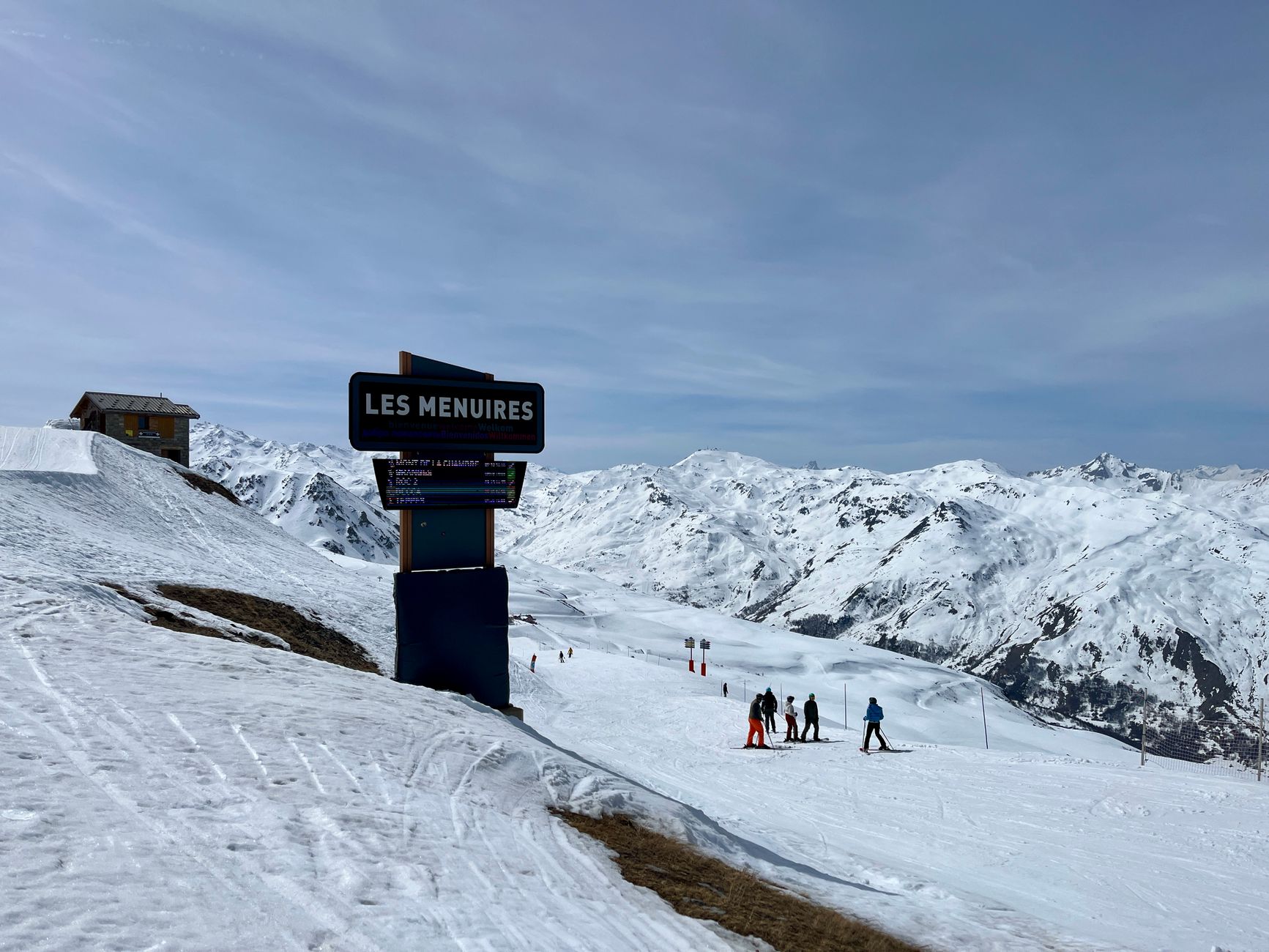
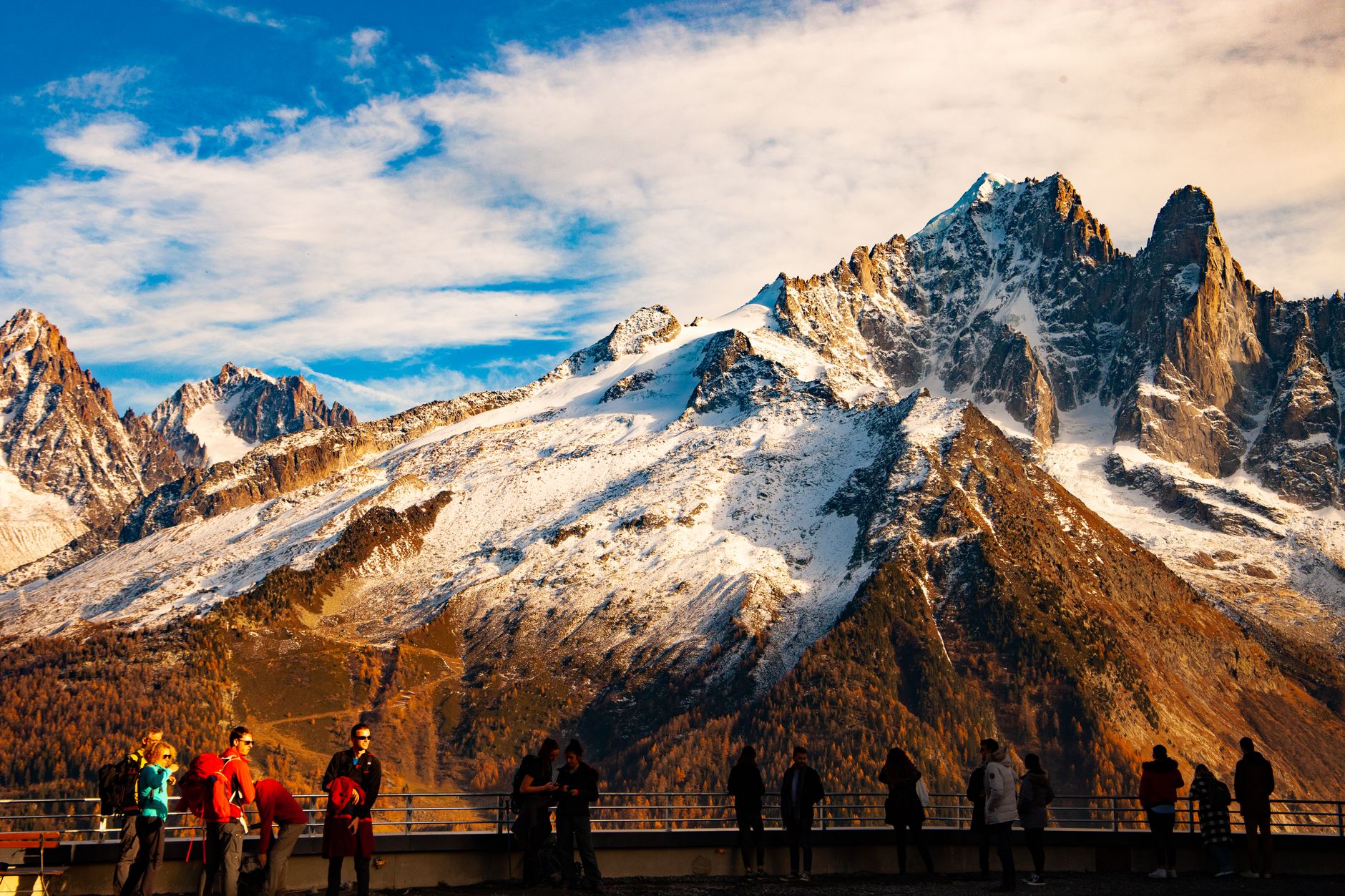
Les Houches sits at the western entrance to the Chamonix valley, where the road and railway first emerge from the gorge and the mountains announce themselves properly. The name comes from an old word for farmland, which tells you something — this was a working place long before it was a resort, and traces of that stay with you in the stone-based larch chalets of Coupeau and La Flatière, and in the small Baroque church of Saint-Jean-Baptiste, its onion dome visible from the valley floor.
Today the village is perhaps best known for the Kandahar, a 3,343-metre downhill run with an 870-metre vertical drop that has hosted World Cup racing since the 1960s. But Les Houches also carries a quieter distinction: a physics school founded here in 1951 drew Enrico Fermi, Wolfgang Pauli and a young Kip Thorne to think hard thoughts against a backdrop of glaciers.
💛 What travellers fall for
Regulars tend to mention the same thing unprompted: the ski pass. Les Houches runs its own lift system, separate from the Chamonix Le Pass, and the day rate sits noticeably lower. If you're basing yourself here rather than Chamonix town, a local pass saves real money and the Kandahar gives you all the vertical you need.
Experiences you don't want to miss


Deals in Les Houches
Book directly at the provider

How Les Houches came to be
The village takes its name from a term meaning farmland, and a 14th-century agricultural settlement is the earliest record. For centuries it remained part of Chamonix's parish until around 1730, when Les Houches established its own under the patronage of Saint John the Baptist — the church built in 1766 still stands at 1,013 metres, Baroque portal and all.
The Le Fayet–Chamonix road arrived in the 1860s and the railway in 1901, opening the valley to summer visitors. The decisive modern turn came after the war: in 1951, French physicist Cécile DeWitt-Morette founded the École de Physique des Houches, an institution that would attract some of the most consequential scientific minds of the 20th century. A decade later, the village hosted the 1962 FIS Alpine World Ski Championships, cementing a second identity alongside the lecture halls.
Who and what shaped it
People who shaped it
Landmark buildings
See Les Houches in motion
Plan your visit
On the map
When to go
Winters run from December through March with heavy snowfall — base depths of 150 to 200 centimetres at altitude are normal — and daytime temperatures hovering just below freezing. Summer is mild and relatively dry, with highs around 15–18°C, though mornings in the valley can be cool enough to need a layer at any point in the season.
Right now
Background & history adapted from Wikipedia (CC BY-SA) · specs from Wikidata (CC0) · weather from Open-Meteo · map data © OpenStreetMap contributors · photos from Wikimedia Commons / Unsplash with per-image credit. No third-party reviews or social posts reproduced.