
Sallanches
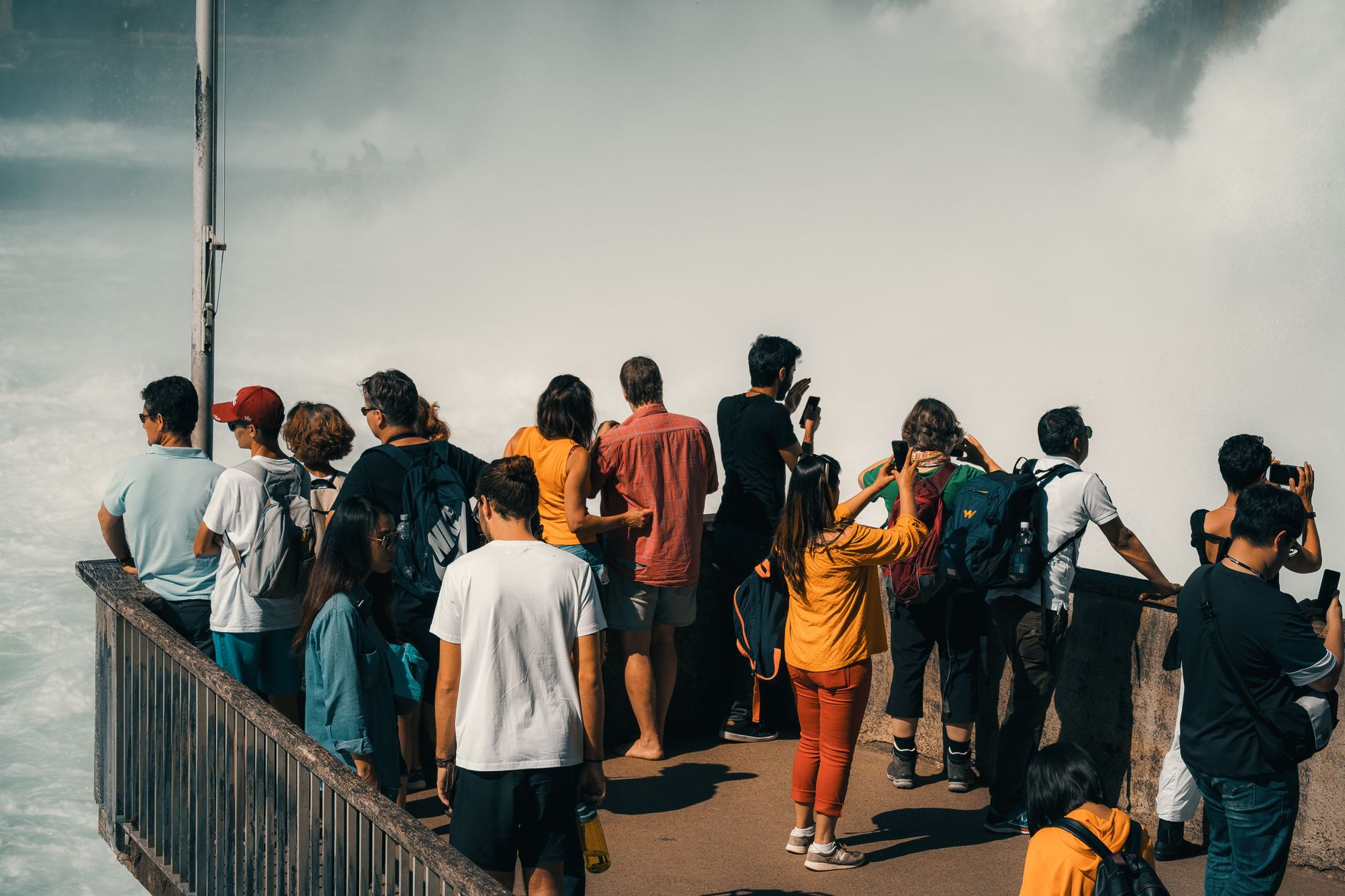
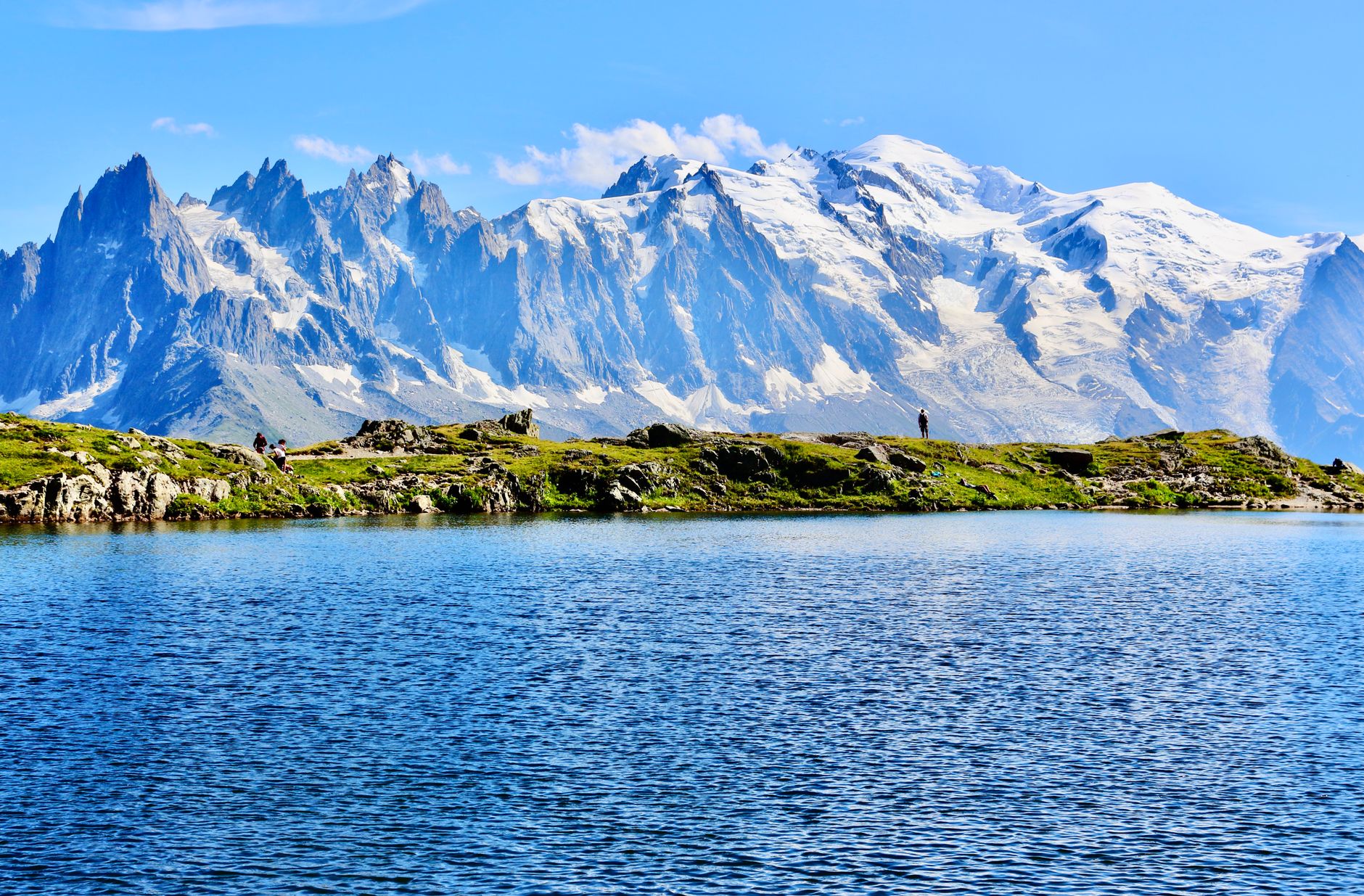
The street grid of Sallanches is not accidental. After a fire levelled 268 of the town's 273 houses in April 1840, engineer François Justin drew the replacement streets at deliberate angles so that nearly every view terminates on Mont Blanc. You feel this the moment you step into the centre — the mountain keeps appearing at the end of colonnaded avenues, framed like a painting someone keeps hanging in the same spot.
Sallanches sits in the wide Arve Valley, lower and less frenetic than Chamonix to its east, and it functions as the practical, unhurried hub of this corner of the French Alps. Markets, trains to Paris, a 270-metre waterfall visible from the road — it earns attention on its own terms.
💛 What travellers fall for
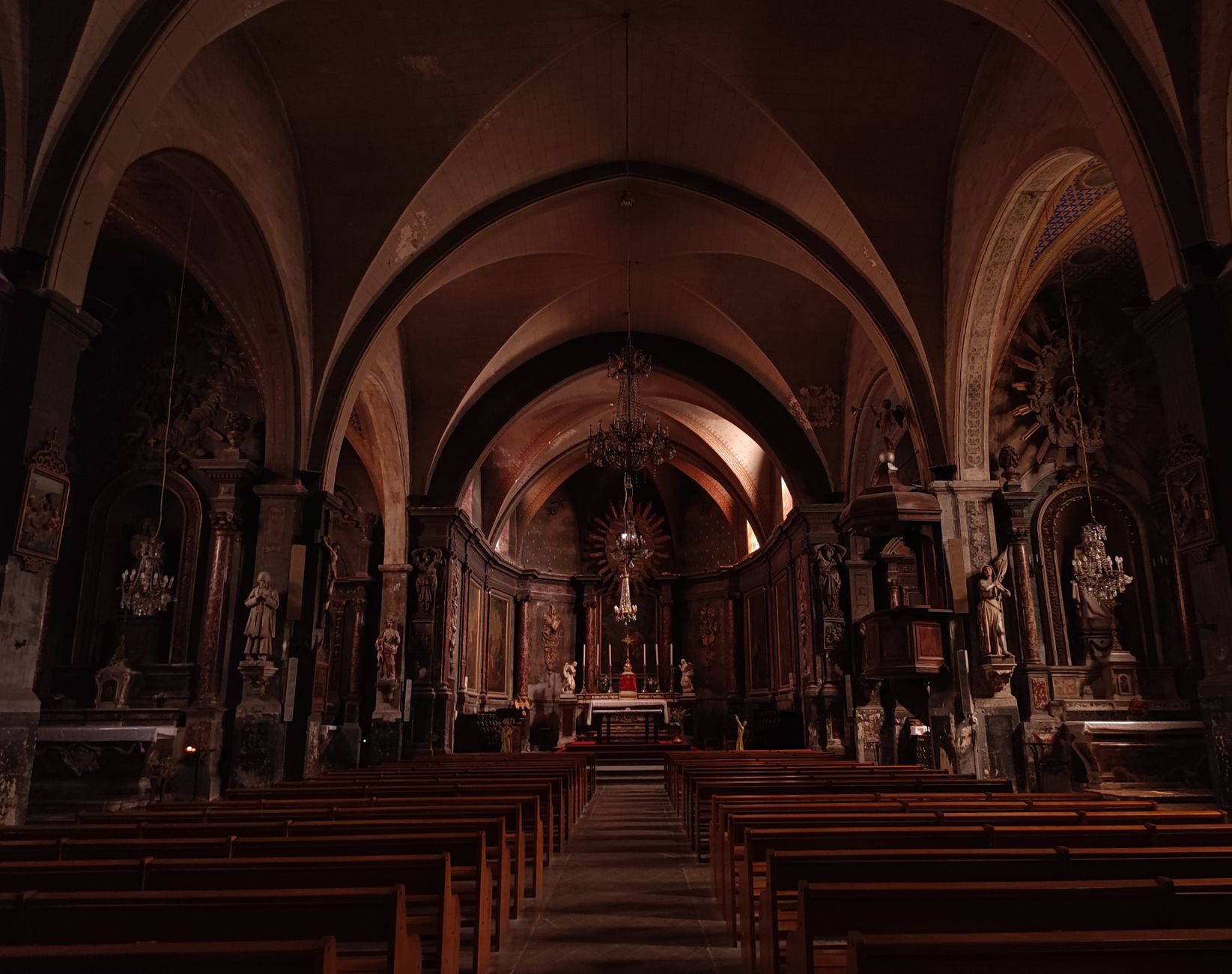
People who come back tend to time a visit around the weekly market, then walk out to the Cascade de l'Arpenaz before the tour coaches arrive. The Château des Rubins — reopened in 2021 as the Observatoire des Alpes — rewards a slow afternoon; the restored 14th-century rooms alone justify the detour. And the Collegiate Church of Saint-Jacques is quieter than its baroque interior deserves.
Experiences you don't want to miss



Deals in Sallanches
Book directly at the provider
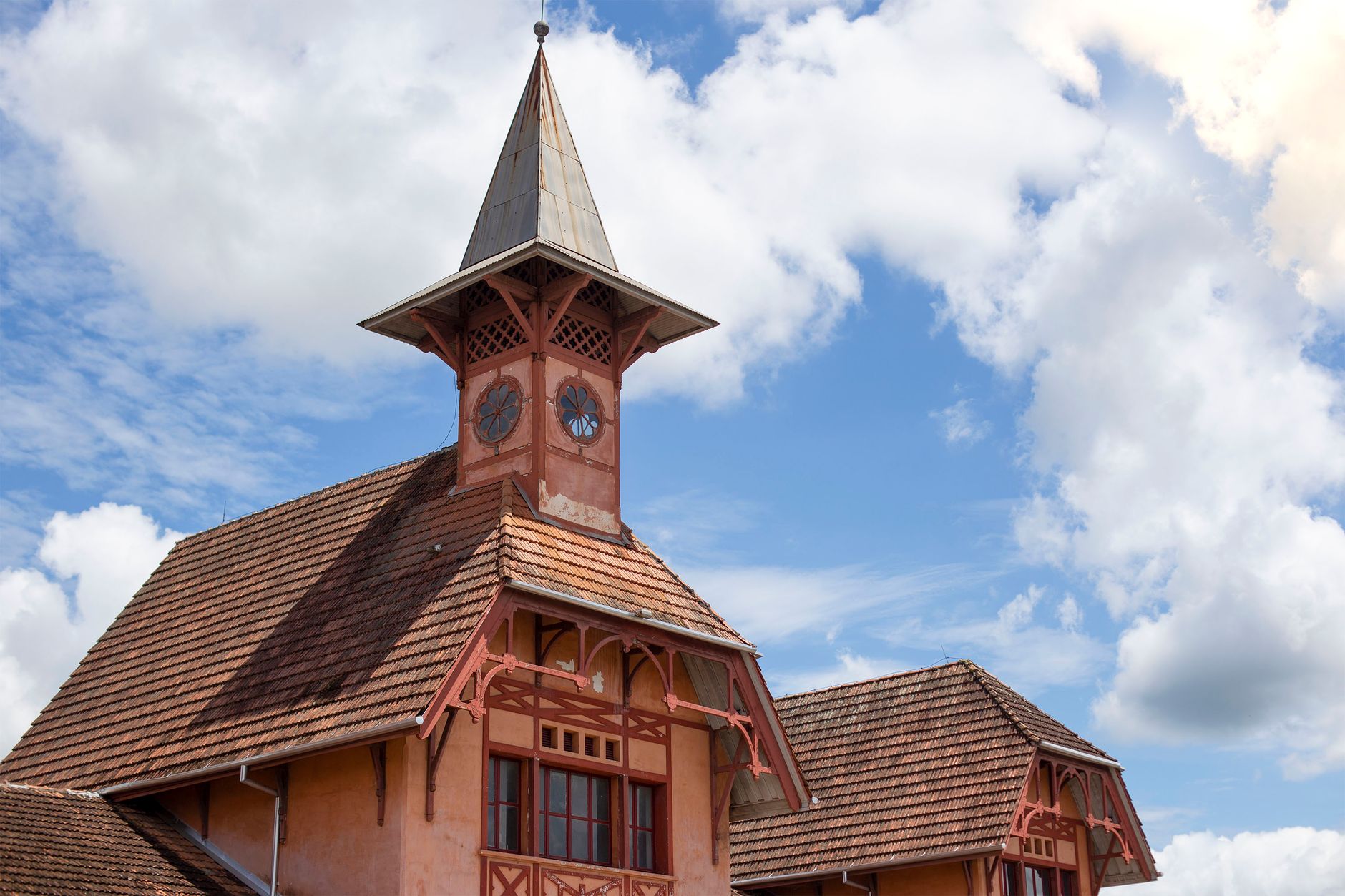
How Sallanches came to be
Human presence in the Arve Valley reaches back at least to Roman times, and the name 'Salanche' appears in records as early as the 10th century. Trading rights came in 1310, and from 1355 the town's fortunes were tied to the province of Faucigny under the House of Savoy. Two convents — Capuchin from 1619, Ursuline from 1630 — vanished in the Revolution.
What shaped the town most violently, though, was fire: seven major blazes between 1520 and 1840, the last of which destroyed 268 of 273 houses. King Charles Albert of Sardinia funded the rebuilding, and Justin's checkerboard plan produced the arcaded Hôtel de Ville, completed in 1844, still standing with its trompe-l'oeil paintings. The train arrived in 1889; in 1963, the ski brand Dynastar was founded here from the merger of Dynamic and Starflex.
Who and what shaped it
People who shaped it
Landmark buildings
See Sallanches in motion
Plan your visit
On the map
When to go
Summers are warm and generally sunny, with afternoon thunderstorms common in July and August — the light after them is worth waiting for. Winters are cold and often snowy in town, though Sallanches sits low enough that the streets stay passable when the higher resorts are deep in snow.
Right now
Background & history adapted from Wikipedia (CC BY-SA) · specs from Wikidata (CC0) · weather from Open-Meteo · map data © OpenStreetMap contributors · photos from Wikimedia Commons / Unsplash with per-image credit. No third-party reviews or social posts reproduced.