
French Riviera (Côte d'Azur)
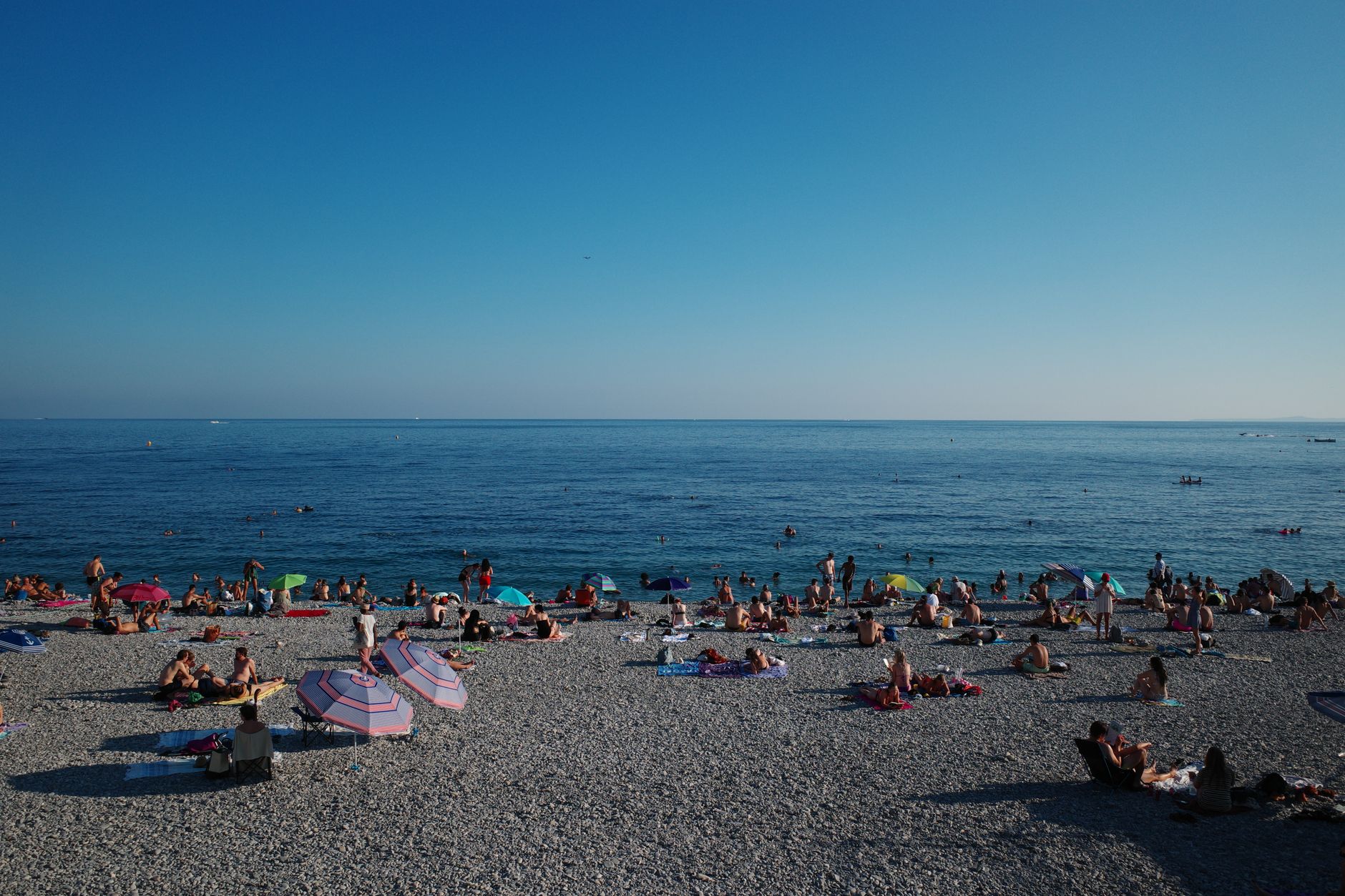
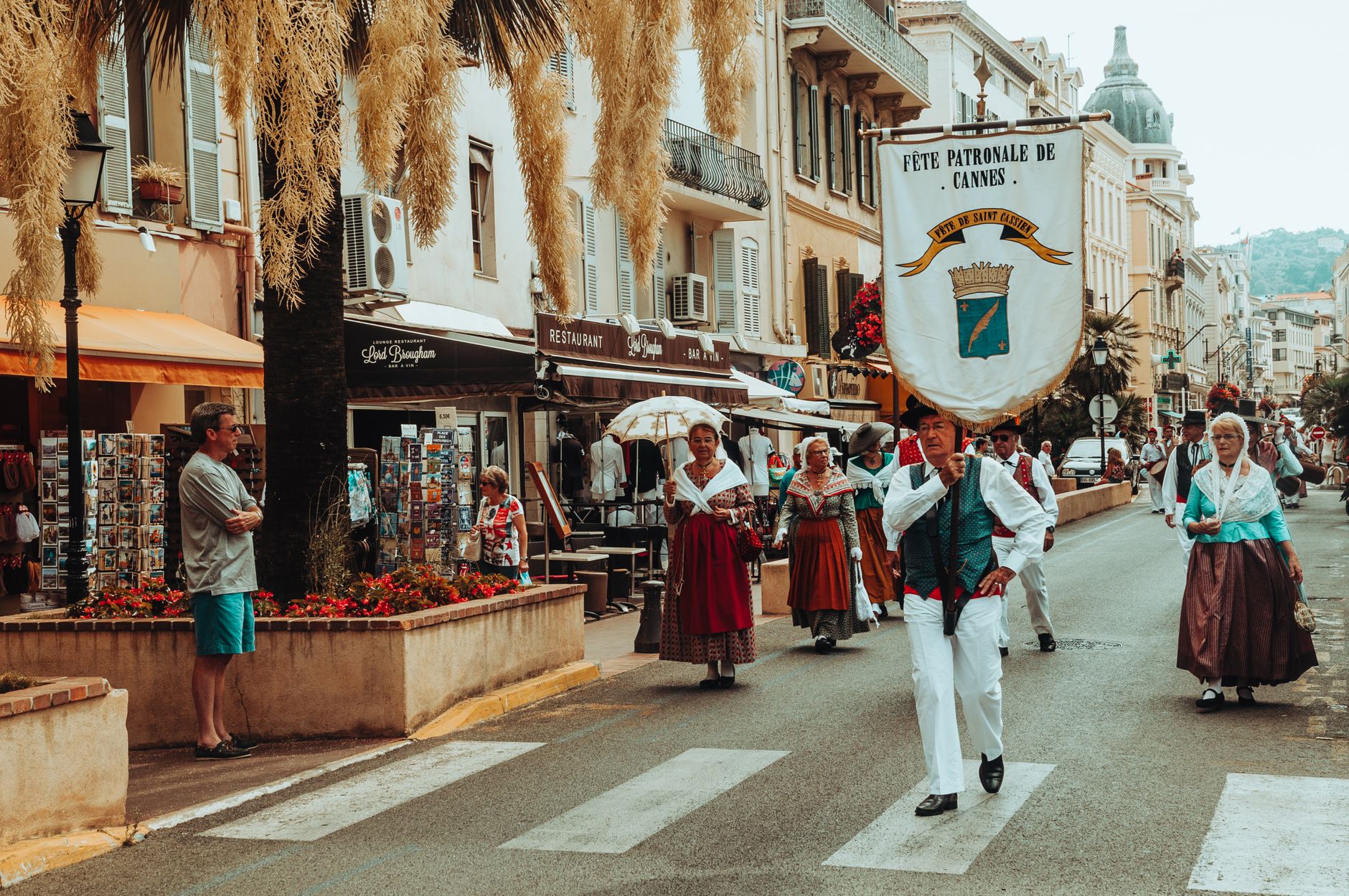

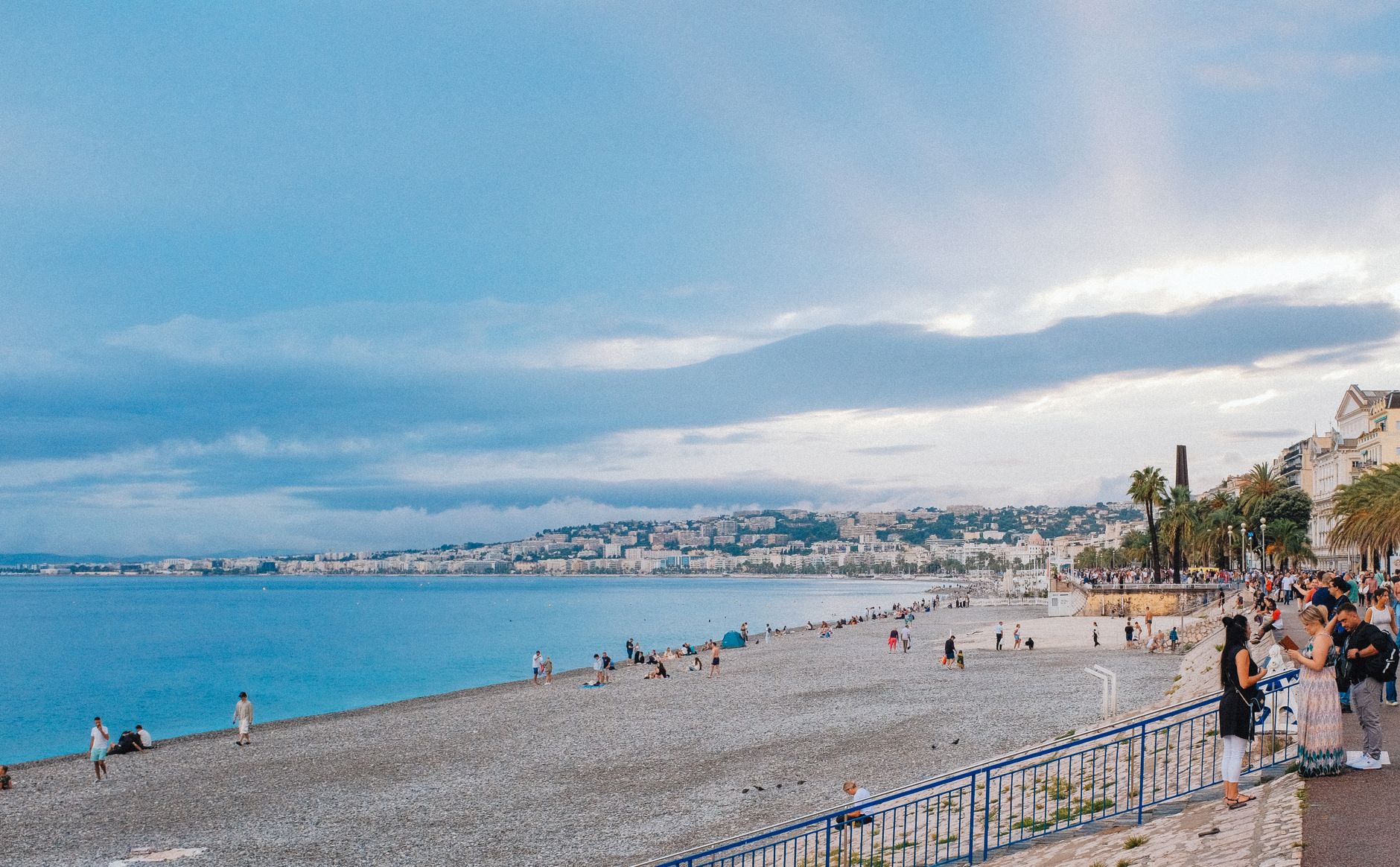
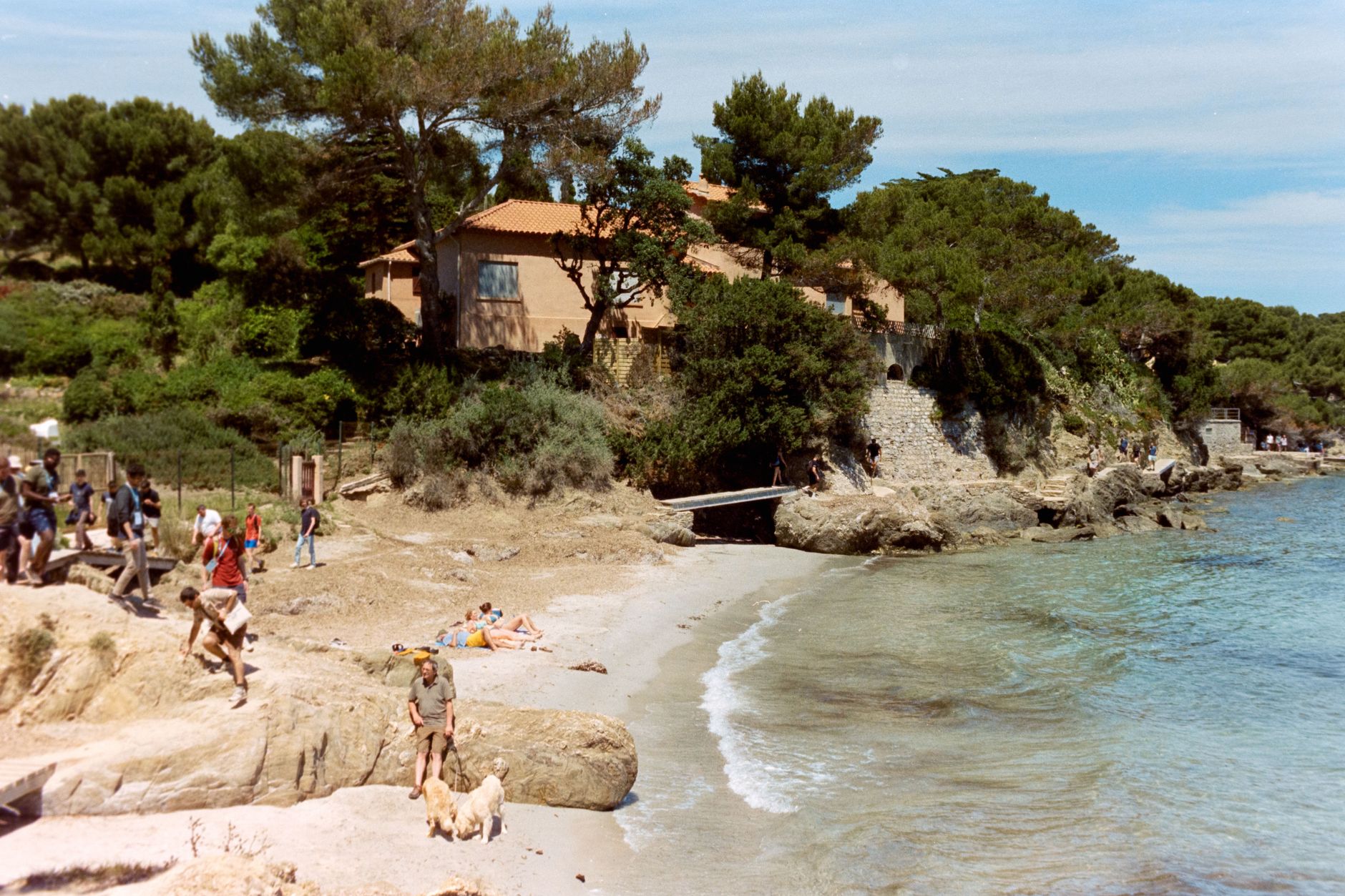
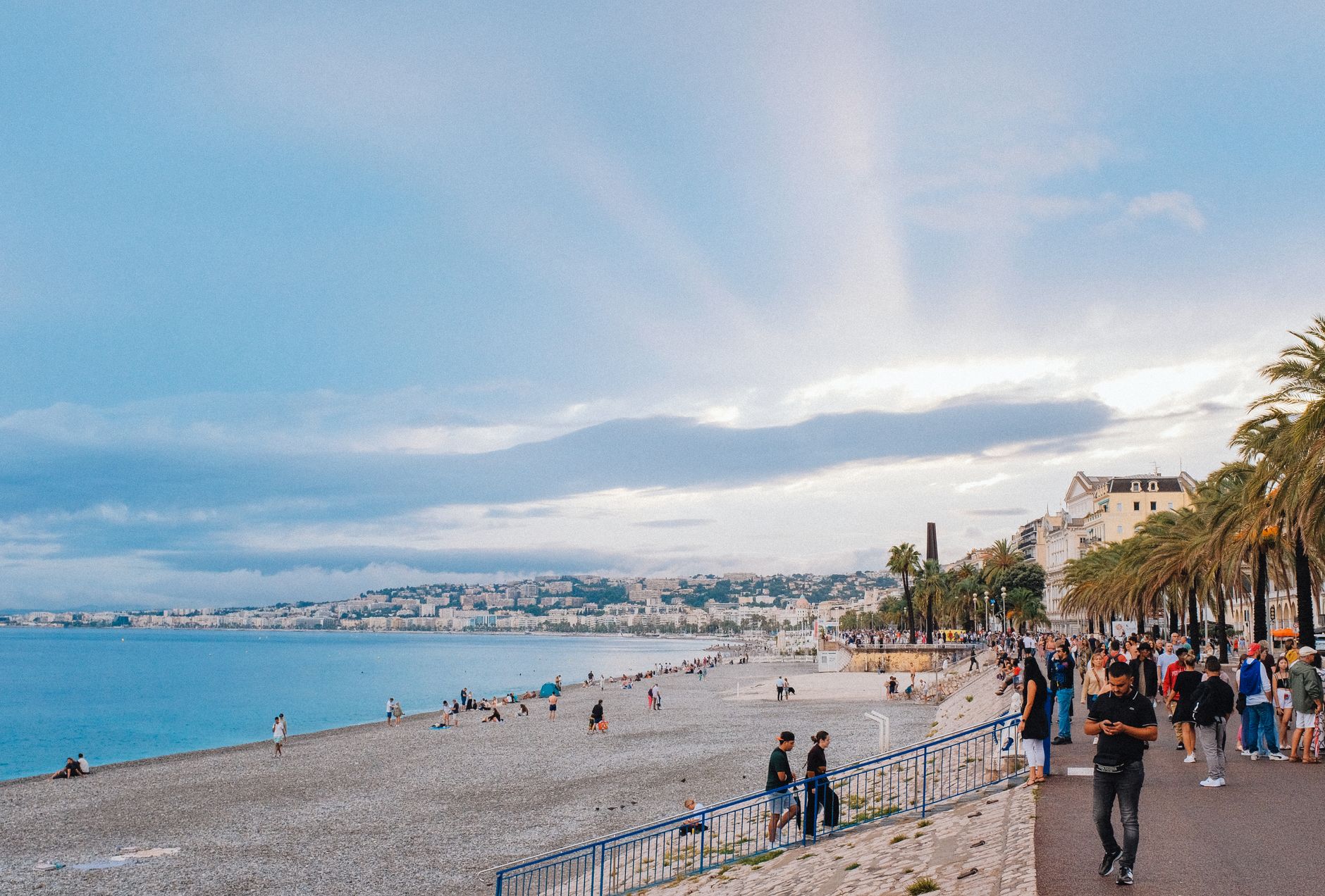
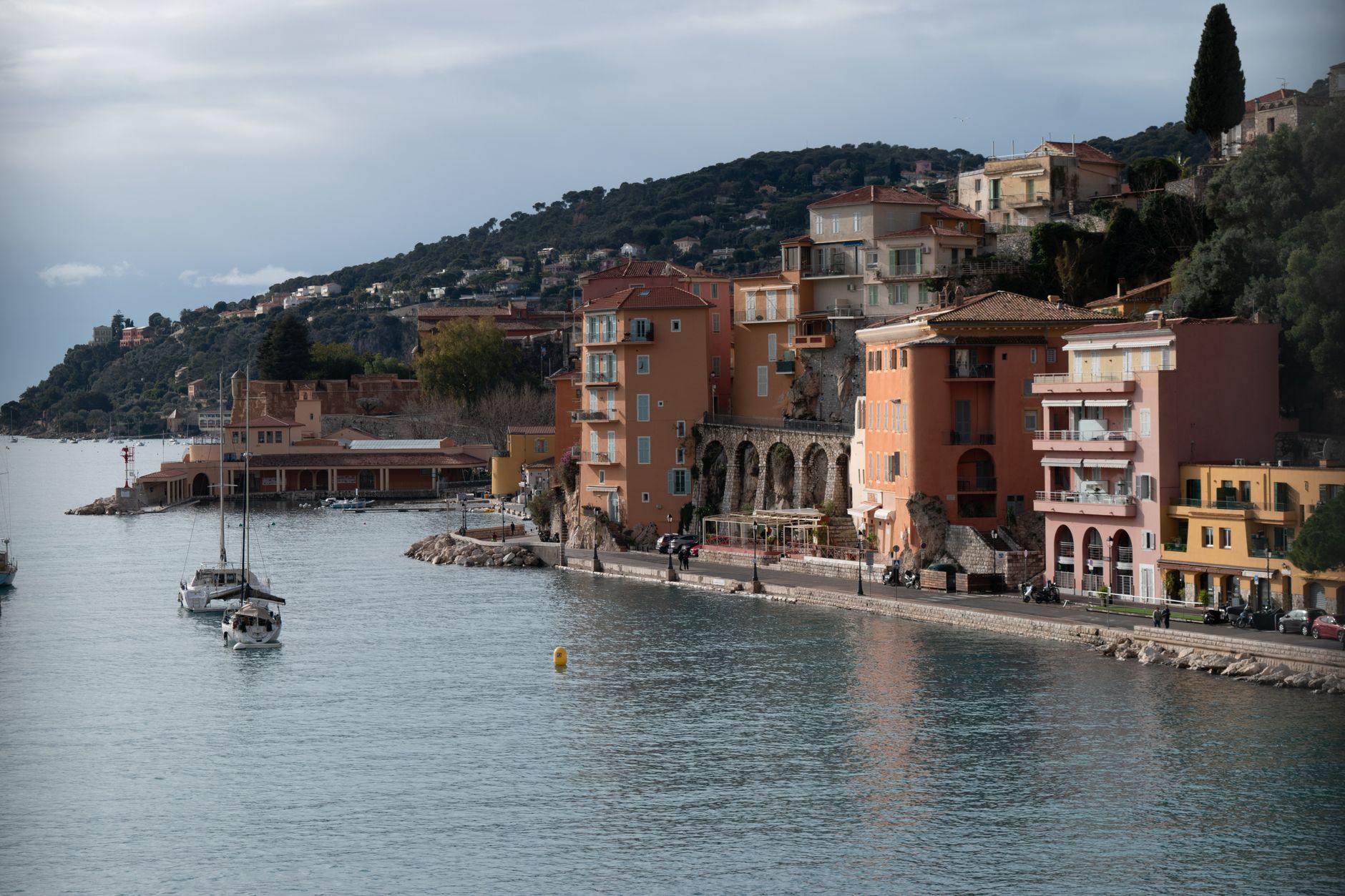
The light here is not a rumour. Stand on any promontory between Menton and Saint-Tropez and the Mediterranean really does hold that particular shade of blue — the one that made a French official coin the phrase *Côte d'Azur* in 1887, and that the Nice tourist office made official fifteen years later. What the light does to a whitewashed wall, to a fishing boat, to the limestone cliffs above Roquebrune, is why painters kept arriving and never quite left.
This is a long, narrow strip of coast where Belle Époque palaces share clifftops with modernist experiments, and where the social calendar flipped from winter to summer somewhere between the wars, partly because Coco Chanel decided a tan was elegant.
Popular cities in French Riviera (Côte d'Azur)
💛 What travellers fall for
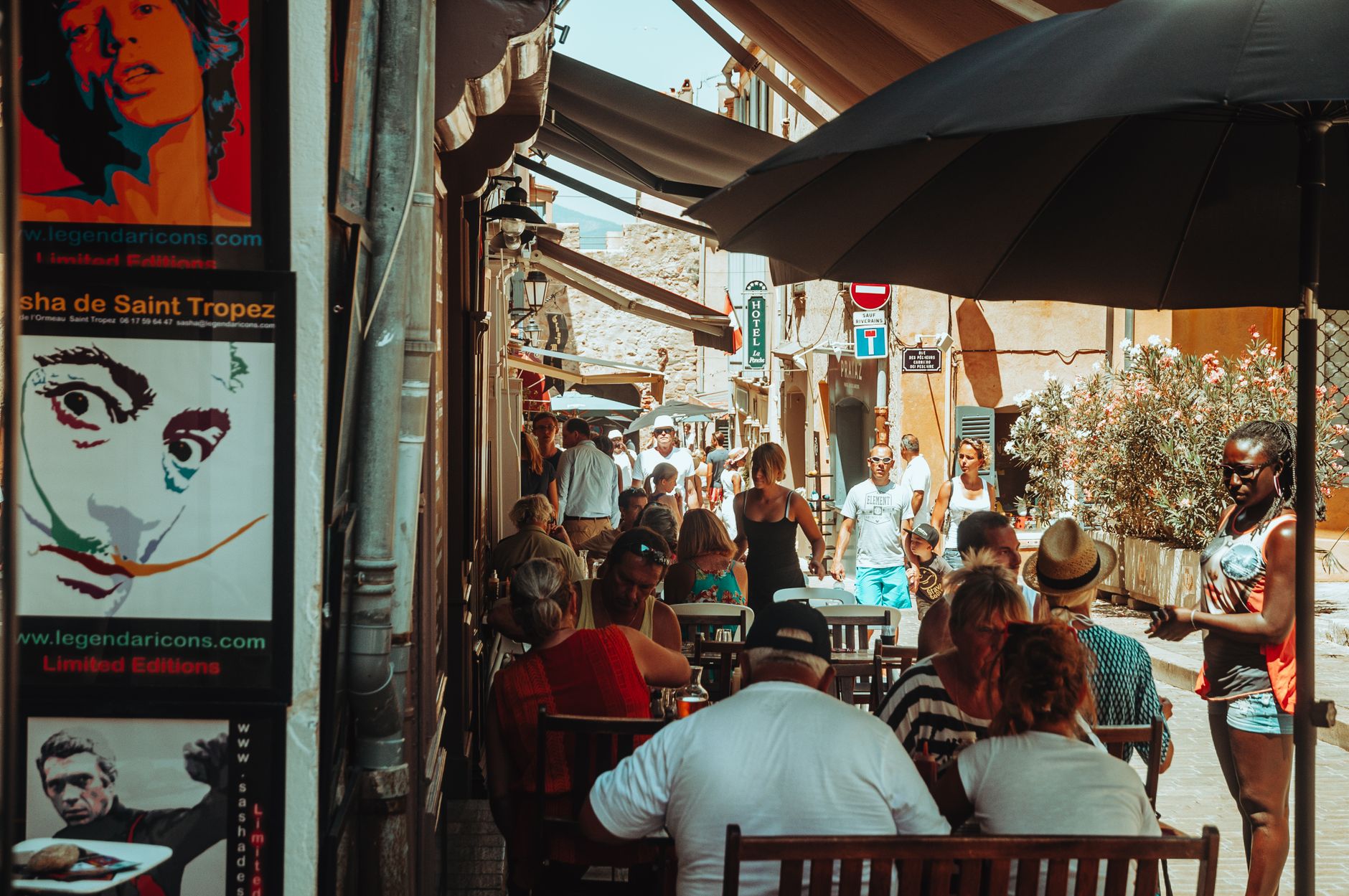
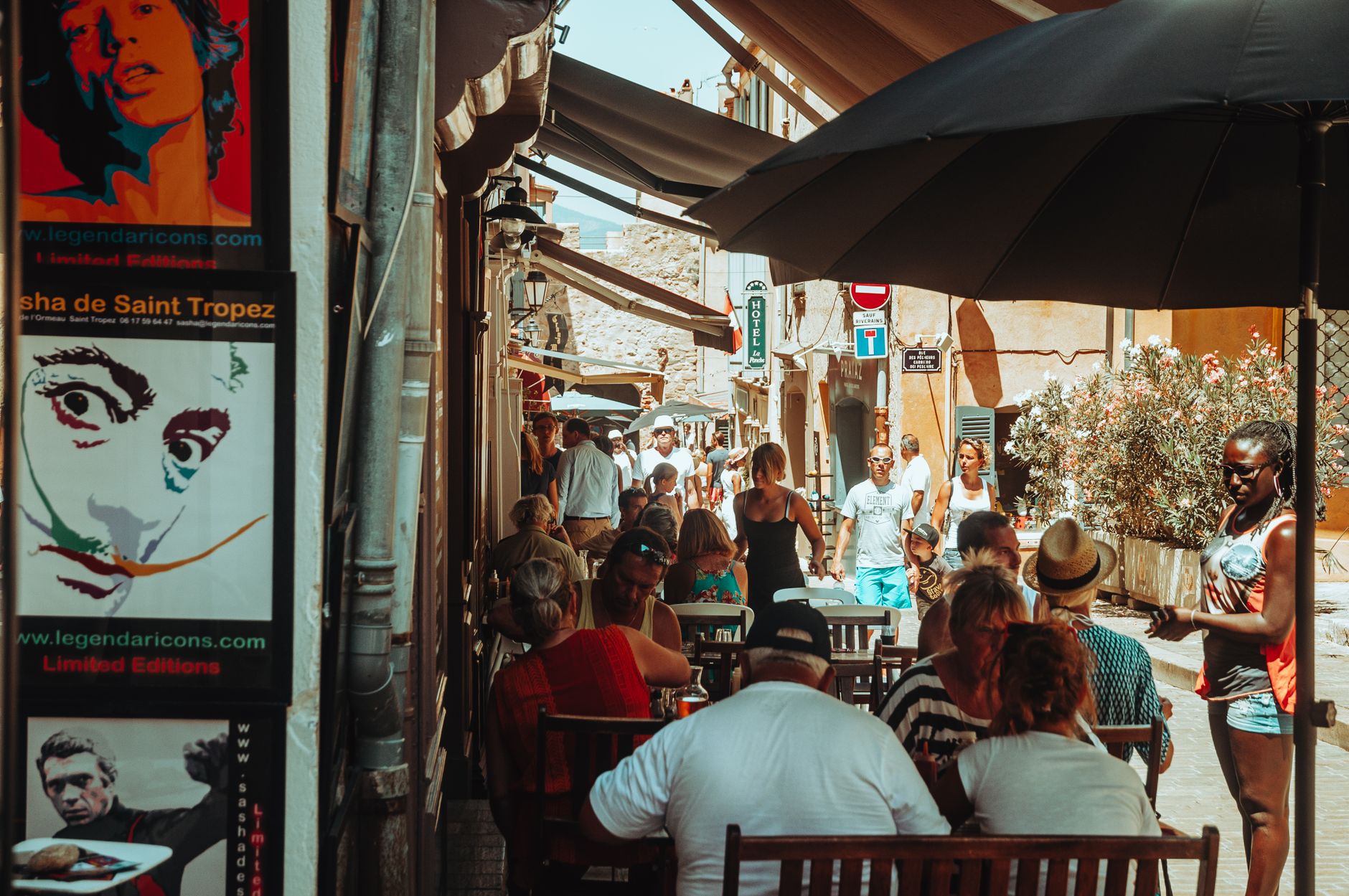
People who know the coast well tend to push east past Cannes toward the quieter cape villages — Roquebrune, Beaulieu-sur-Mer, Eze. They go to Cimiez on a weekday morning for the Matisse Museum before the tour groups arrive, and they learn early that July and August belong to traffic and crowds, not to them.
Experiences you don't want to miss



How French Riviera (Côte d'Azur) came to be
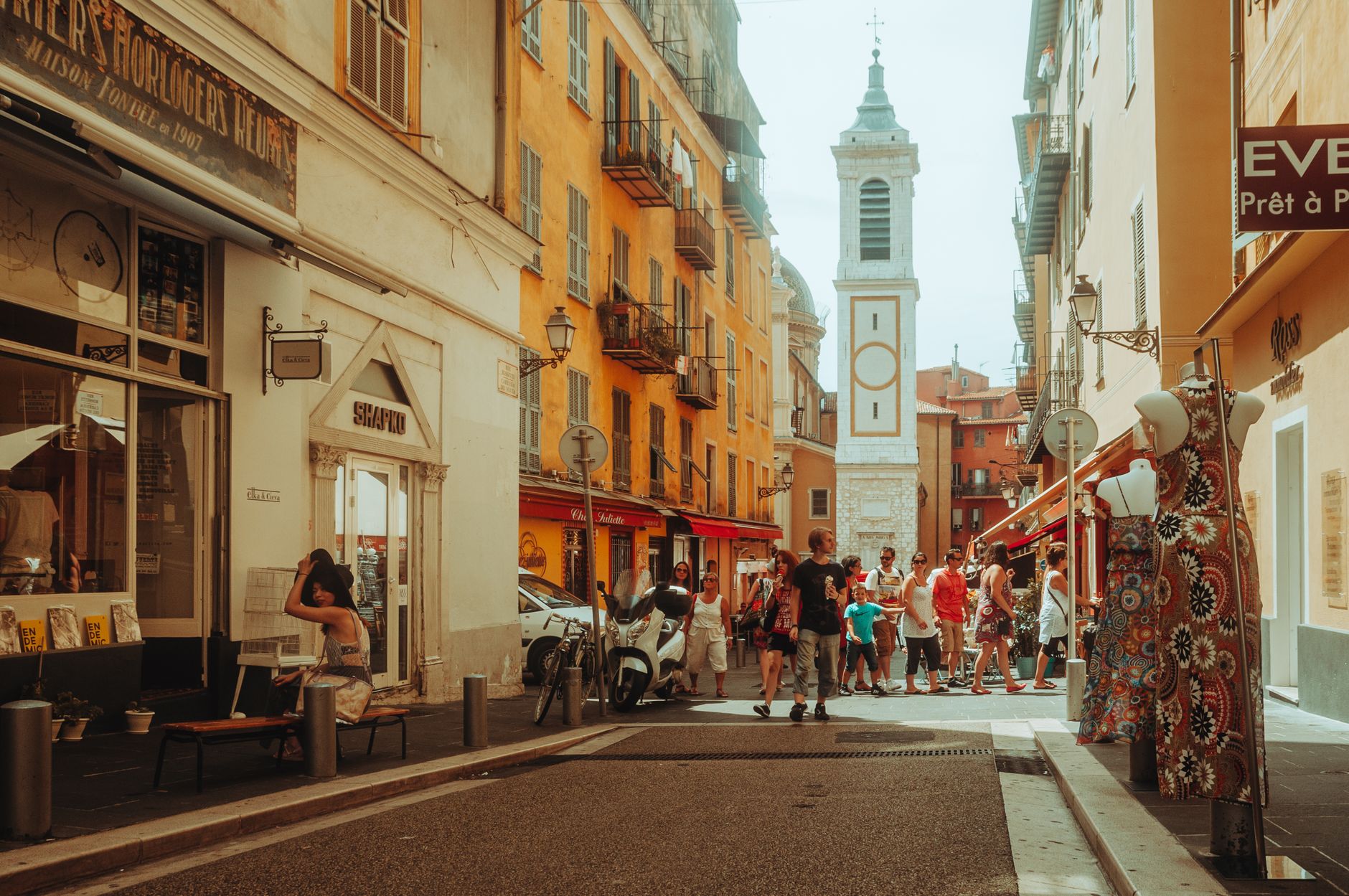
Tourism here has a precise starting point: 1763, when Scottish physician Tobias Smollett settled in Nice and published an account praising its winter climate. Swiss philosopher Johann Georg Sulzer followed, wrote similarly, and a pattern was set. The railway reached Nice in 1864; a hundred thousand visitors arrived the following year. Tsar Alexander II, Queen Victoria (who travelled with sixty to one hundred staff), and most of the European aristocracy made the Riviera their winter address through the Belle Époque.
The First World War reshuffled the guest list. Americans — business figures, film people, celebrities — replaced many of the monarchs, and the season migrated from winter to summer. By the end of the nineteenth century, Renoir, Matisse, and Picasso had all arrived; Matisse settled in Nice in 1917 and stayed. The modernists followed: Eileen Gray built Villa E-1027 at Roquebrune in 1929, Le Corbusier his tiny Cabanon on the same rocky shore in 1952.
Who and what shaped it
People who shaped it
Landmark buildings
See French Riviera (Côte d'Azur) in motion
Plan your visit
On the map
When to go
Winters are mild and famously sunny — the original selling point — with temperatures rarely dropping far below 10°C on the coast. Summers are hot, dry, and crowded; spring and autumn give you warm water, clear skies, and room to move.
Right now
↡ Cities
No places match these filters.
Background & history adapted from Wikipedia (CC BY-SA) · specs from Wikidata (CC0) · weather from Open-Meteo · map data © OpenStreetMap contributors · photos from Wikimedia Commons / Unsplash with per-image credit. No third-party reviews or social posts reproduced.