
Mougins
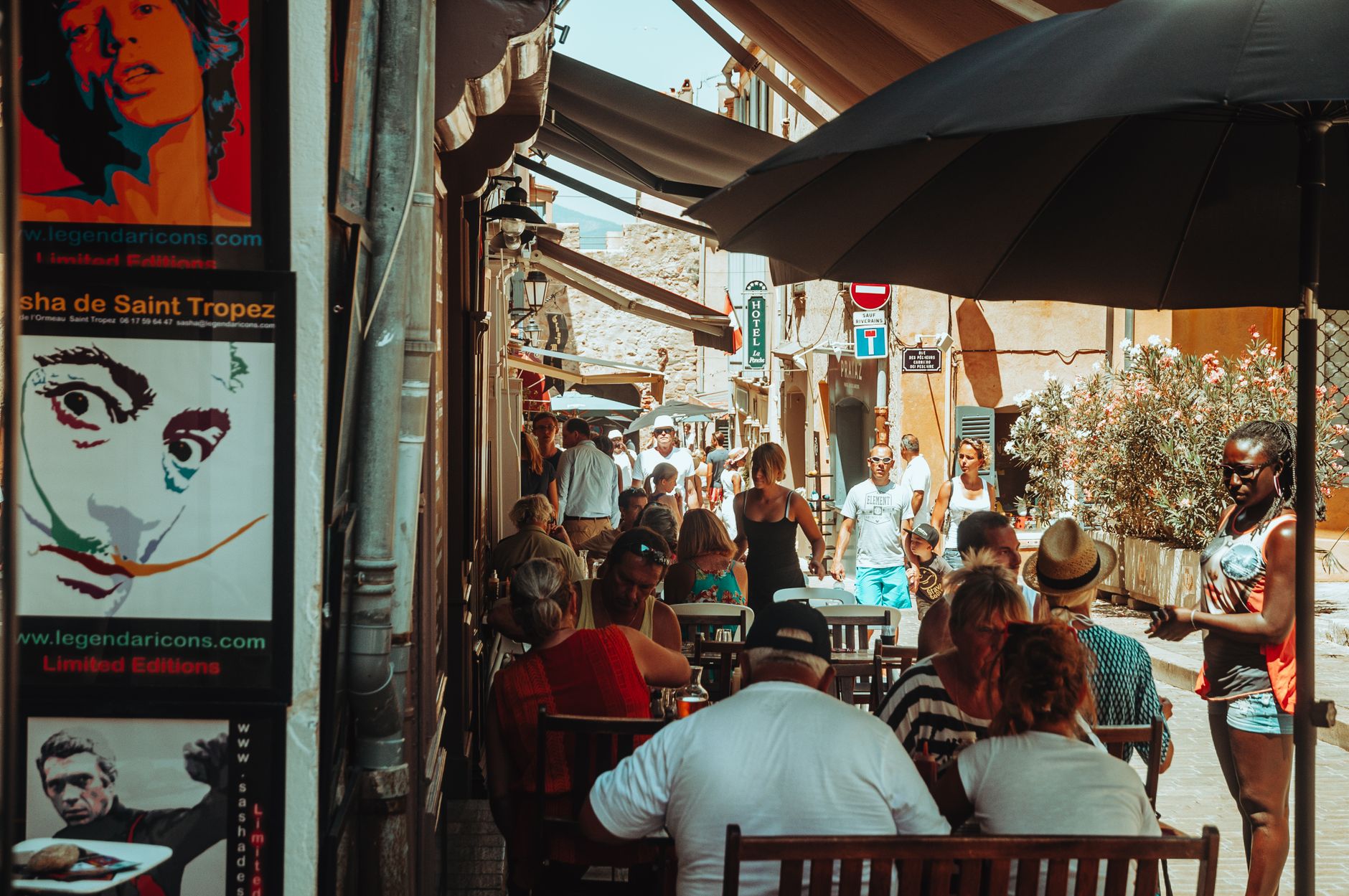
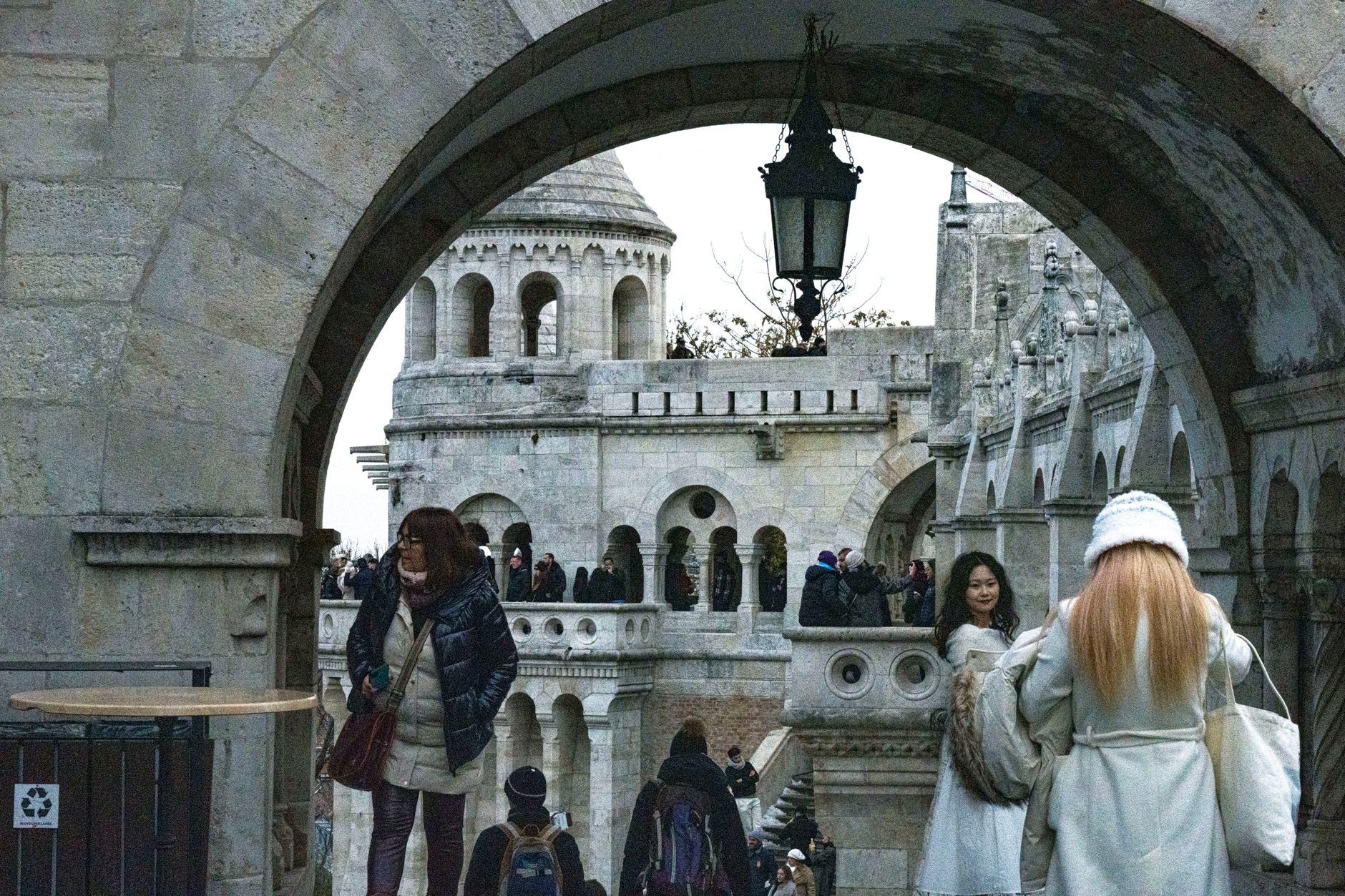
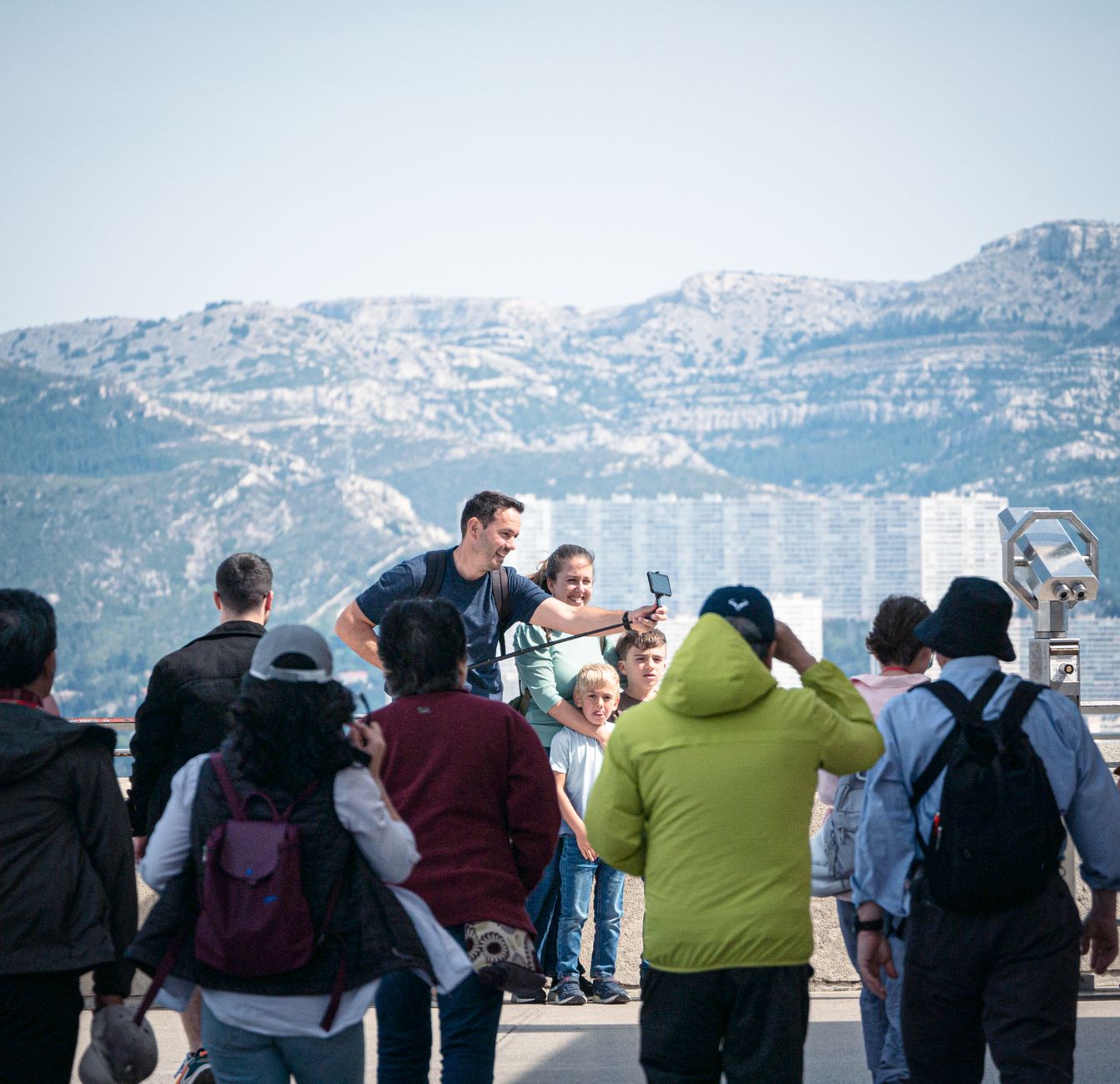
Mougins sits on a limestone spur 260 metres above the Côte d'Azur, close enough to Cannes to see its bay but far enough to feel like another century. The old village spirals inward in the way fortified hill towns do — tight lanes, worn stone, a single surviving gate called Porte Sarrazine — and at its centre the church of Saint-Jacques-le-Majeur anchors a square where the same café tables have been occupied by painters, exiled politicians and Michelin-starred chefs for decades.
Picasso spent the last twelve years of his life here, dying in 1973 at his farmhouse Mas Notre-Dame-de-Vie. That fact alone tells you something about the place. Artists don't retire to towns that have nothing to offer the eye.
💛 What travellers fall for
People who come back tend to walk out to Fontmerle Pond — five hectares with the largest lotus colony in Europe, planted in the 1960s — at some point in the late afternoon when the light drops. They also tend to seek out the bronze Picasso head on Place des Patriotes, made by Dutch sculptor Gabriel Sterk, and stand with it for a moment before finding dinner.
Experiences you don't want to miss


Deals in Mougins
Book directly at the provider


How Mougins came to be
The hilltop was Ligurian before it was Roman — the settlement called Muginum appears in the first century BC along the Via Aurelia, the road connecting Rome to Arles. In 1056 the Count of Antibes handed the hillside to the monks of Saint Honorat from the Îles de Lérins, who administered the village for more than seven centuries until the French Revolution ended their tenure in 1789. The fortifications the monks oversaw — ramparts, three gates, the spiral street plan — defined the shape of the village you walk through today.
By the 19th century Mougins was producing lavender, roses and jasmine for the perfumeries of nearby Grasse. The 20th century brought a different kind of cultivation: Francis Picabia built a house here in 1924 and the guest list that followed — Léger, Cocteau, Man Ray, Isadora Duncan — set a tone the village never quite shook. Roger Vergé arrived in 1969, invented what he called Cuisine du Soleil, and a young Alain Ducasse came to work for him. The kitchens and the canvases have always been close neighbours here.
Who and what shaped it
People who shaped it
Landmark buildings
See Mougins in motion
Plan your visit
On the map
When to go
Summers are hot and dry, with long evenings that make the old village genuinely pleasant after 6 pm when the day-trippers thin out. Spring and early autumn are ideal — warm, clear and quieter. Winter is mild by northern European standards but some restaurants and the tourist office reduce their hours significantly from November onward.
Right now
Background & history adapted from Wikipedia (CC BY-SA) · specs from Wikidata (CC0) · weather from Open-Meteo · map data © OpenStreetMap contributors · photos from Wikimedia Commons / Unsplash with per-image credit. No third-party reviews or social posts reproduced.