
Èze

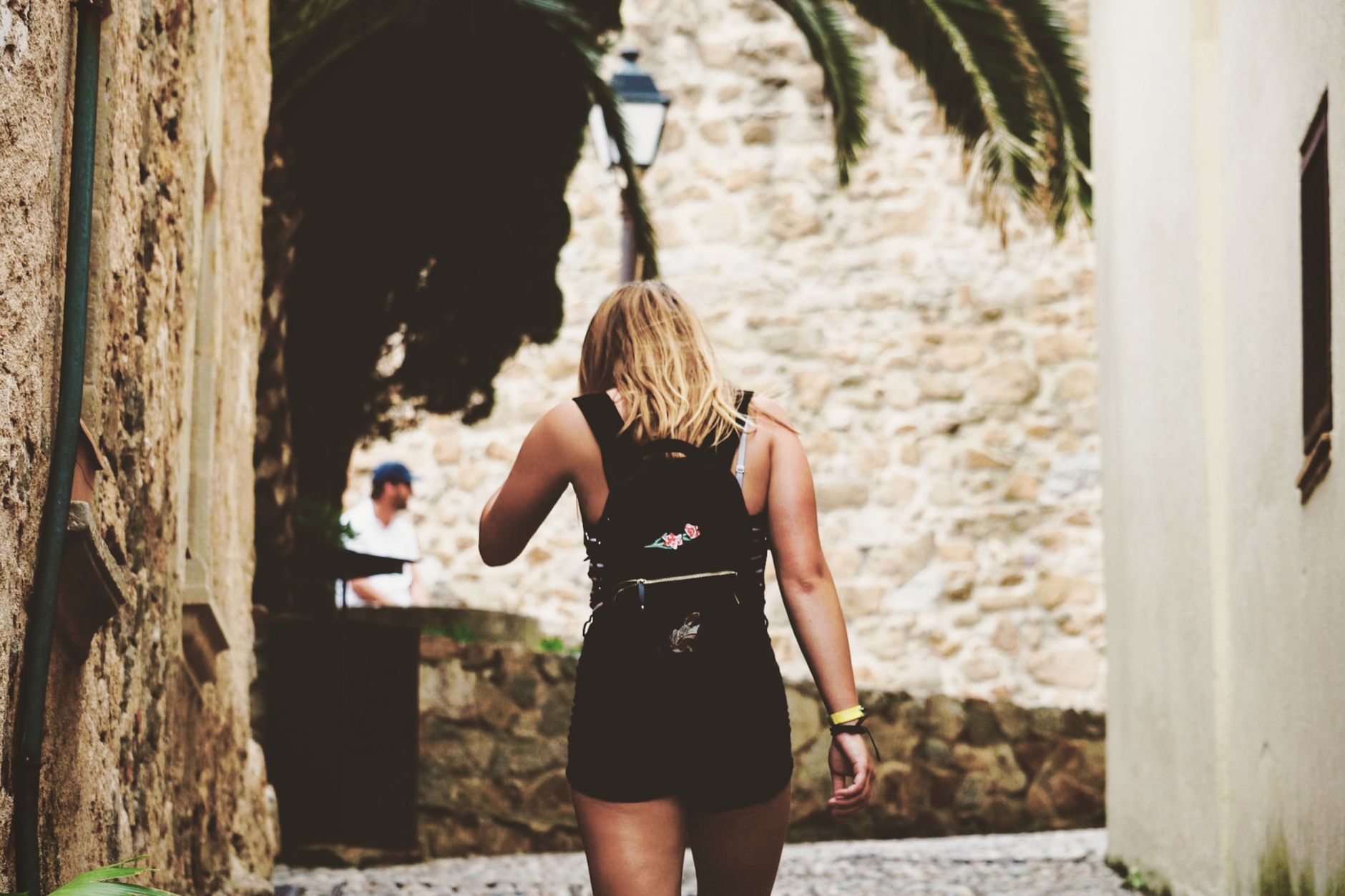
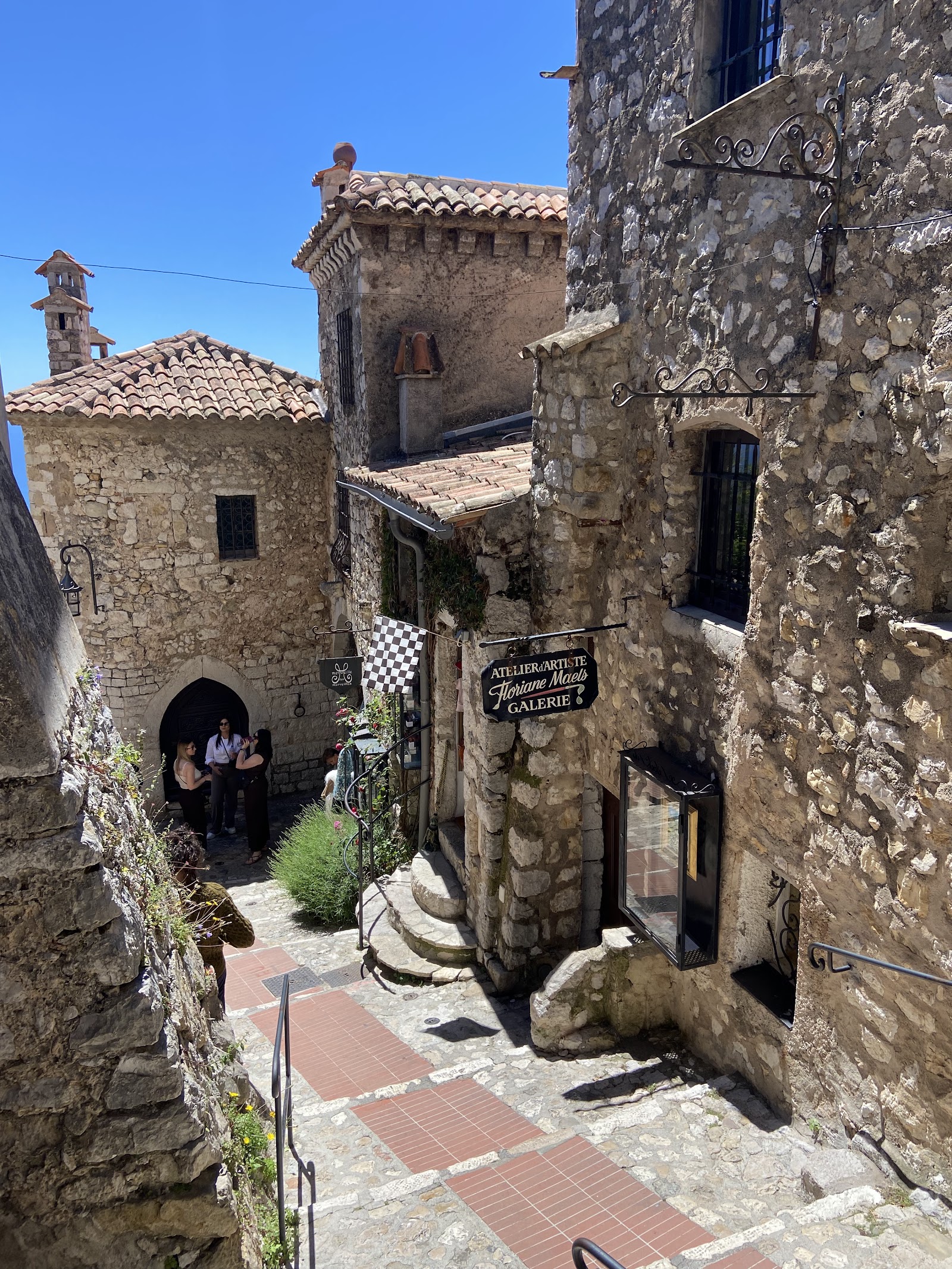
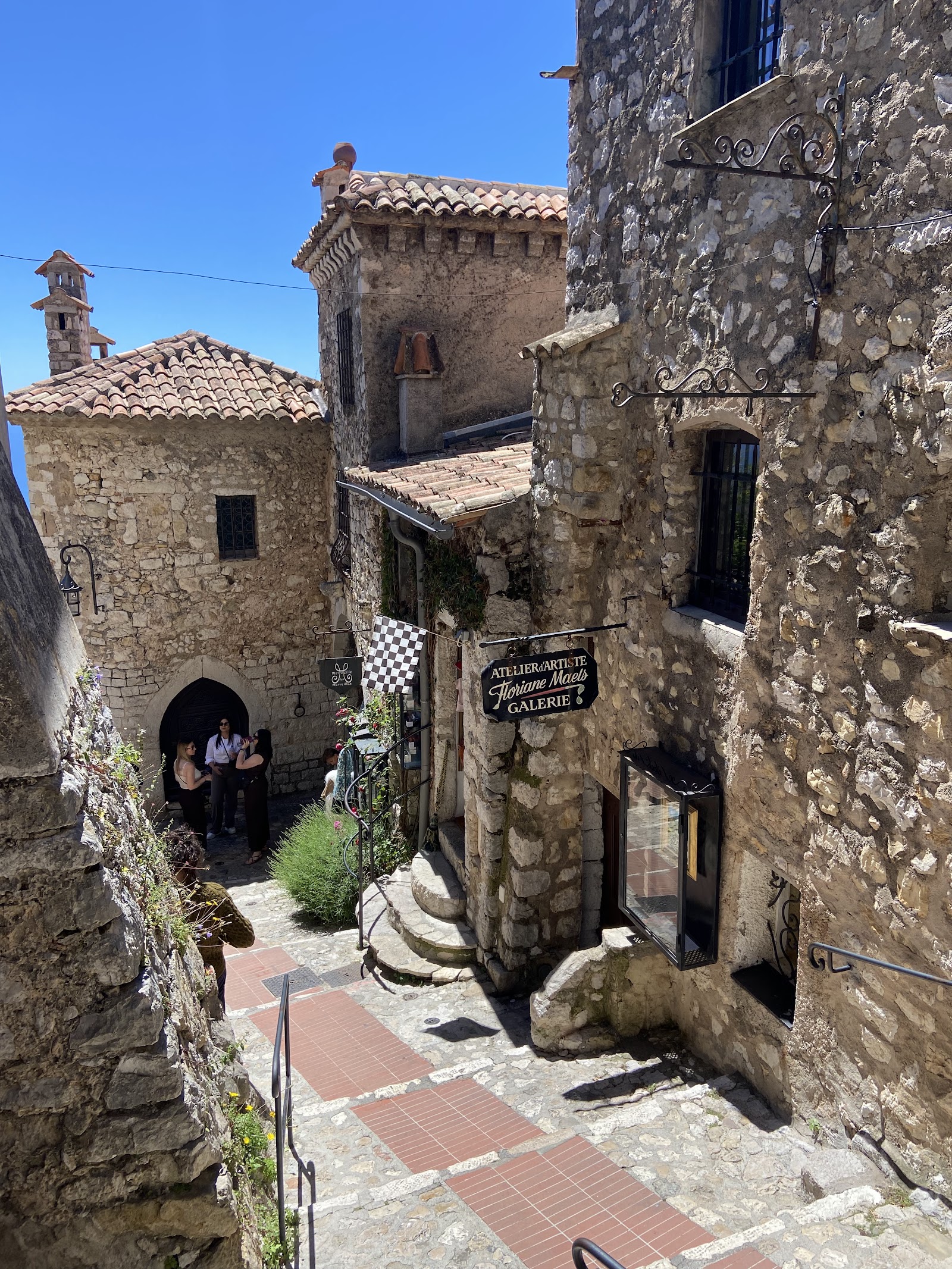
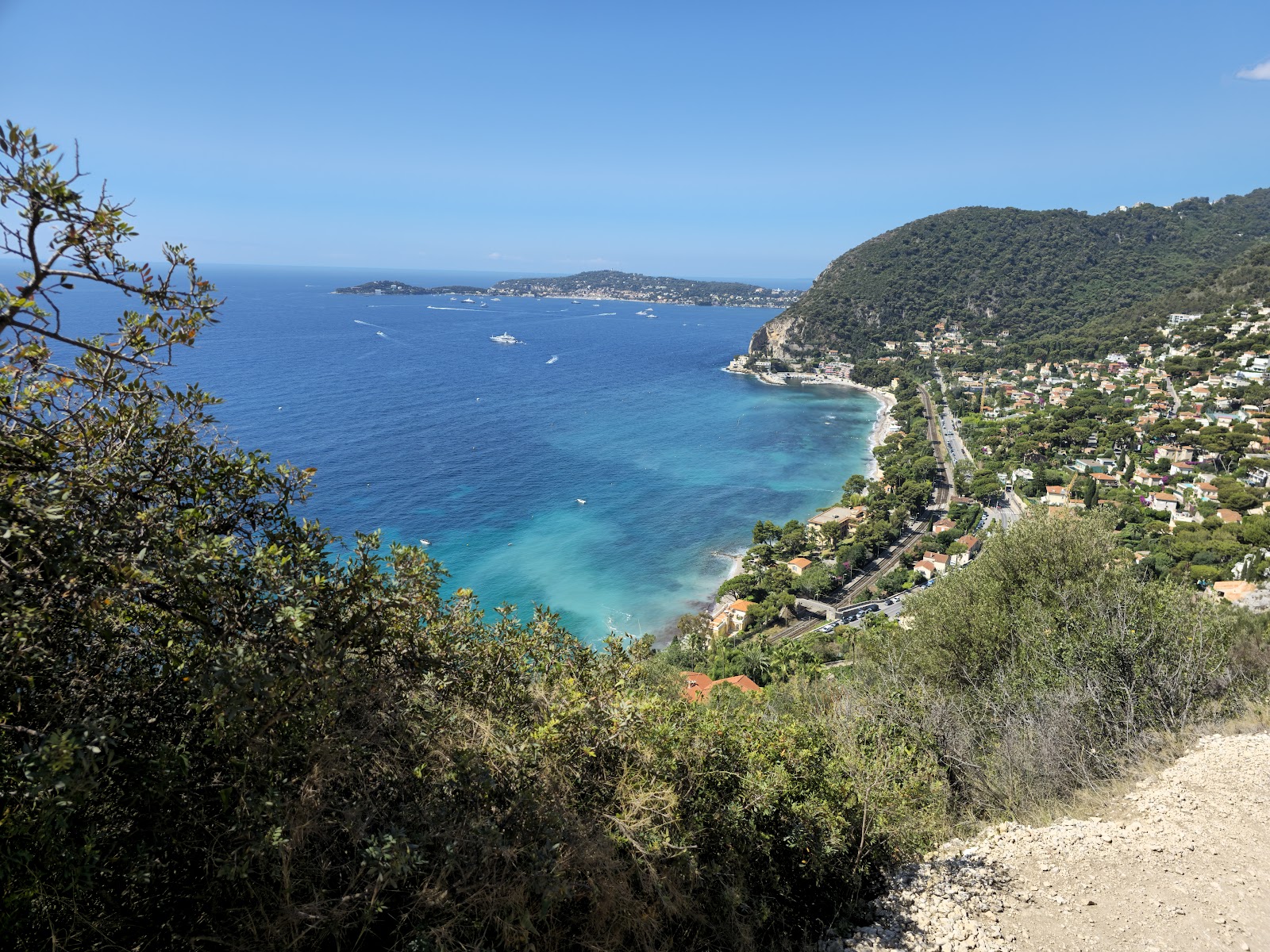
At 427 metres above the Mediterranean, Èze is a medieval village of pale stone lanes so narrow that two people with bags can barely pass. The sea below looks painted. The village is pedestrian-only — no cars, no through traffic — which means the loudest thing you'll hear most mornings is the wind and whoever is opening shutters above you.
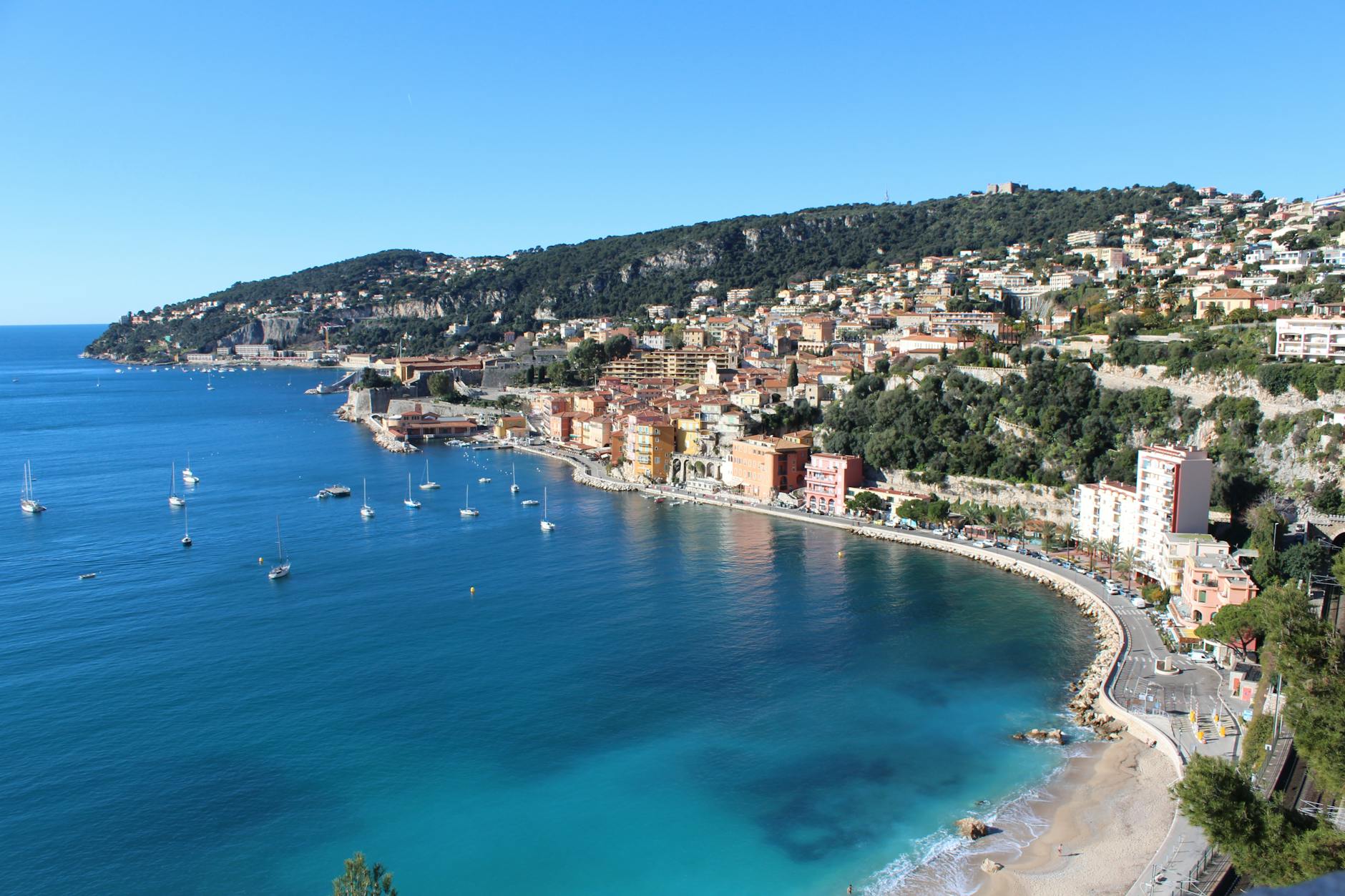
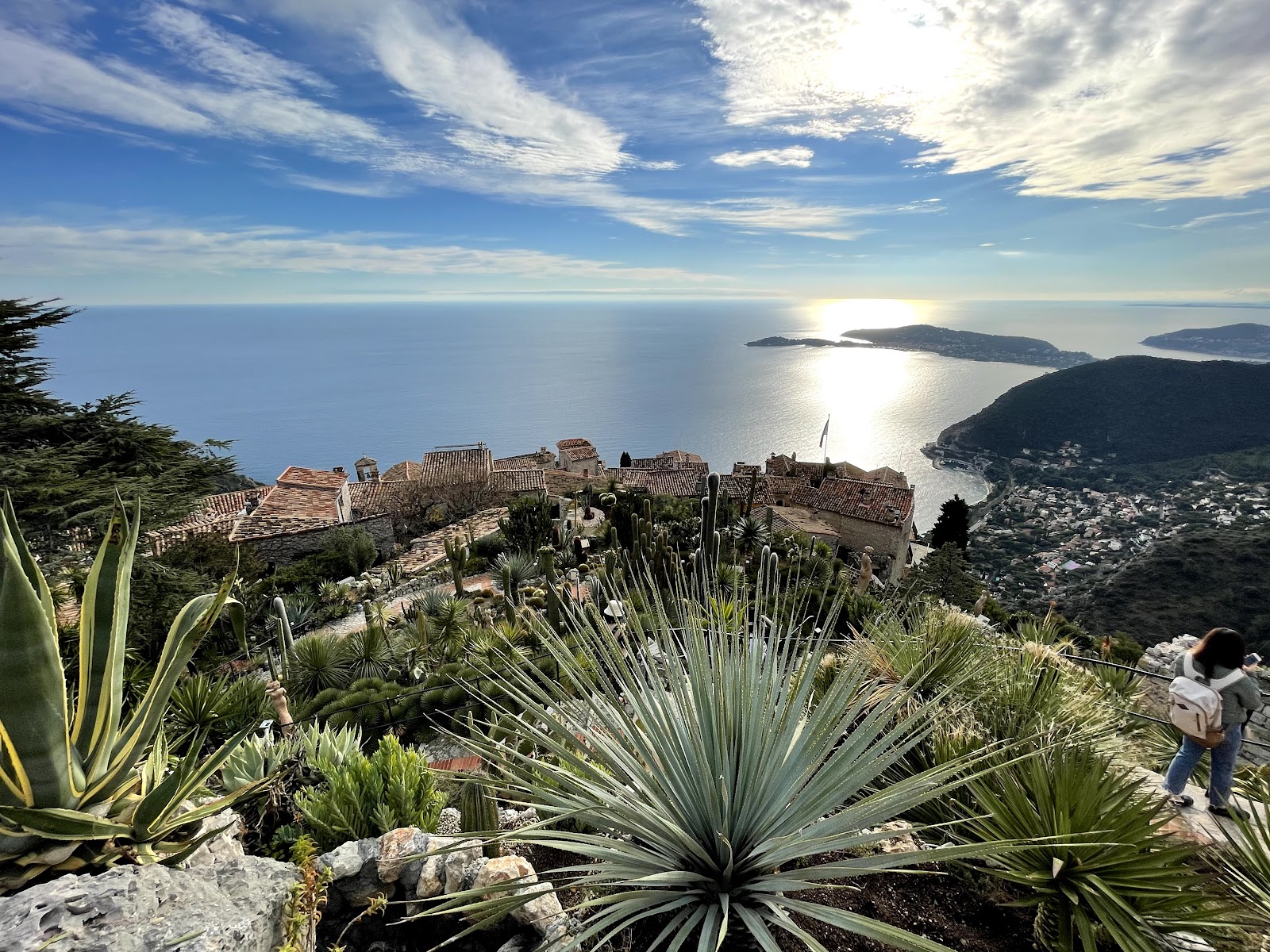
At the top, where a feudal château once stood, a cactus garden now grows from the old fortress walls. The views from up there take in a long sweep of coast. Getting there costs nothing beyond bus fare and a bit of breath.
💛 What travellers fall for
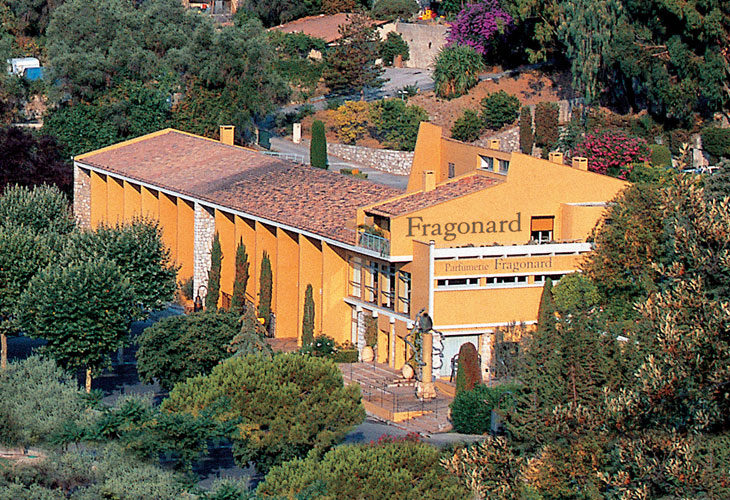
People who come back tend to mention two things: bring coins for the bus from Nice — line 82 from Vauban, cash only, exact change preferred — and go early before the tour groups arrive mid-morning. The Fragonard factory on the way in offers free guided tours and is a genuine 10-minute education in how perfume is made, not just a shop.
Experiences you don't want to miss




Deals in Èze
Book directly at the provider


How Èze came to be
People have lived on this particular spur of rock since around 200 BC; Greek silver phialae from the 3rd century BC, found here, are now in the British Museum. Moors held the area for about 80 years until William of Provence drove them out in 973. By 1388 the village had passed to the House of Savoy, which fortified it precisely because of how close it sat to Nice.
The fortress the Savoys built didn't survive the 18th century — Louis XIV had it demolished in 1706 during the Spanish Wars, unwilling to leave a stronghold that might be turned against France. The village itself voted unanimously to join France in April 1860. The oldest building still standing is the Chapelle de la Sainte Croix, dating to 1306, its bell-turret shape a quiet record of the time Èze answered to the Republic of Genoa.
Who and what shaped it
People who shaped it
Landmark buildings
See Èze in motion
Plan your visit
On the map
When to go
Summers are warm and mostly clear, with July and August highs around 24°C (75°F) — comfortable for walking the stone lanes, though the exposed hilltop offers little shade at midday. January and February are the coldest months, averaging highs around 9°C (48°F), with the village quieter and the light on the water often at its clearest.
Right now
↡ Attractions
Background & history adapted from Wikipedia (CC BY-SA) · specs from Wikidata (CC0) · weather from Open-Meteo · map data © OpenStreetMap contributors · photos from Wikimedia Commons / Unsplash with per-image credit. No third-party reviews or social posts reproduced.