
Château d'Èze (Ruins)
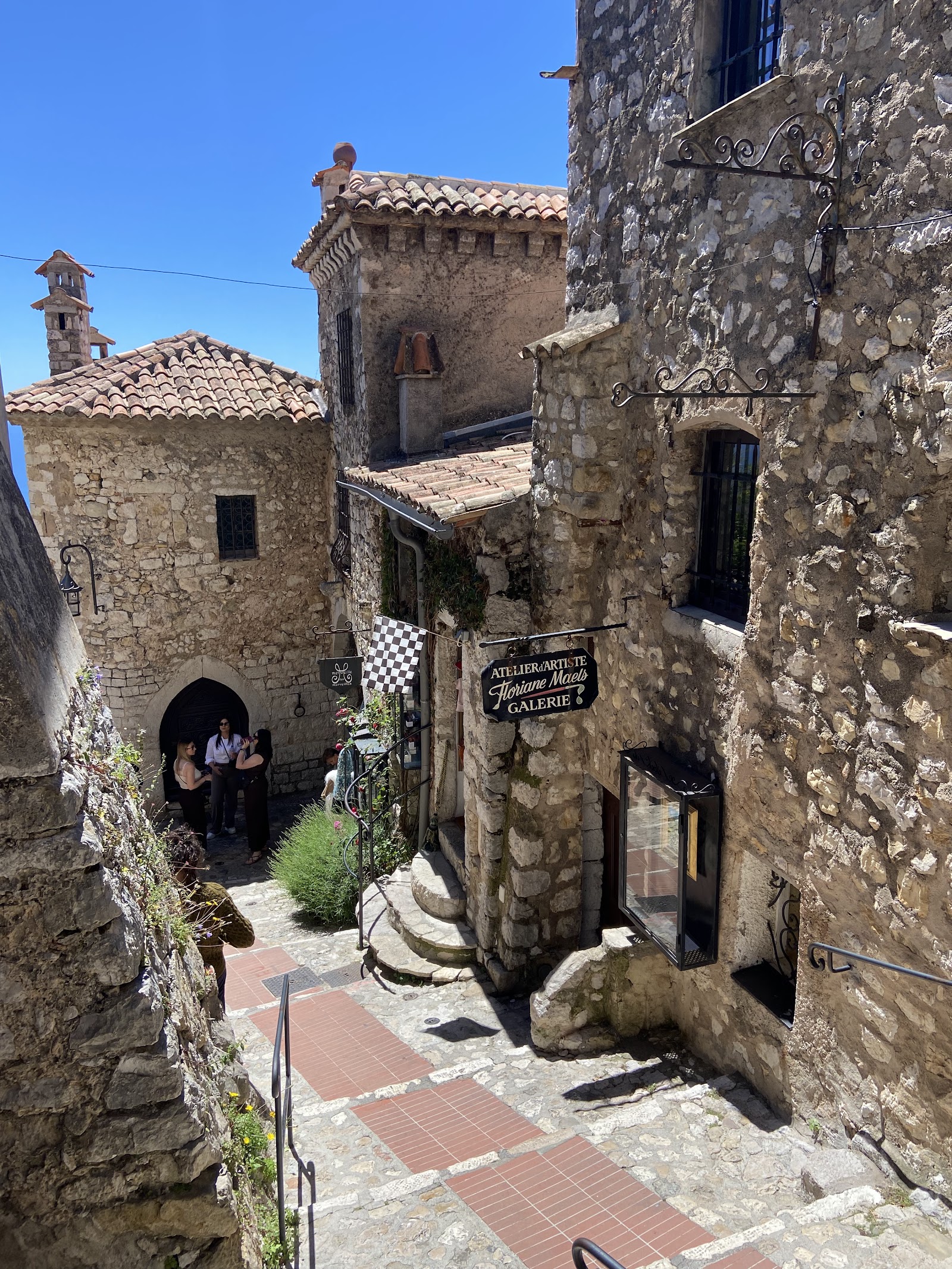
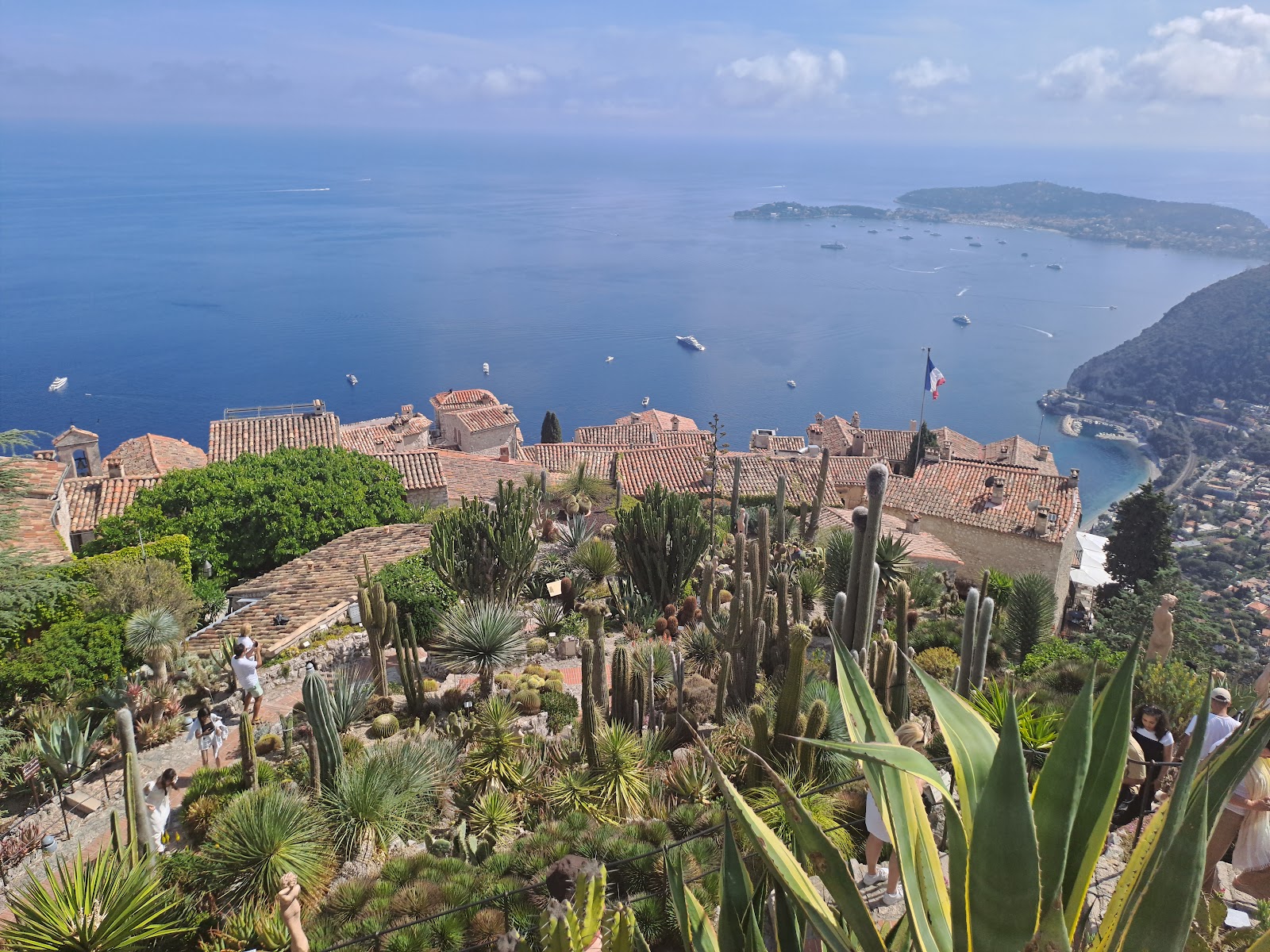
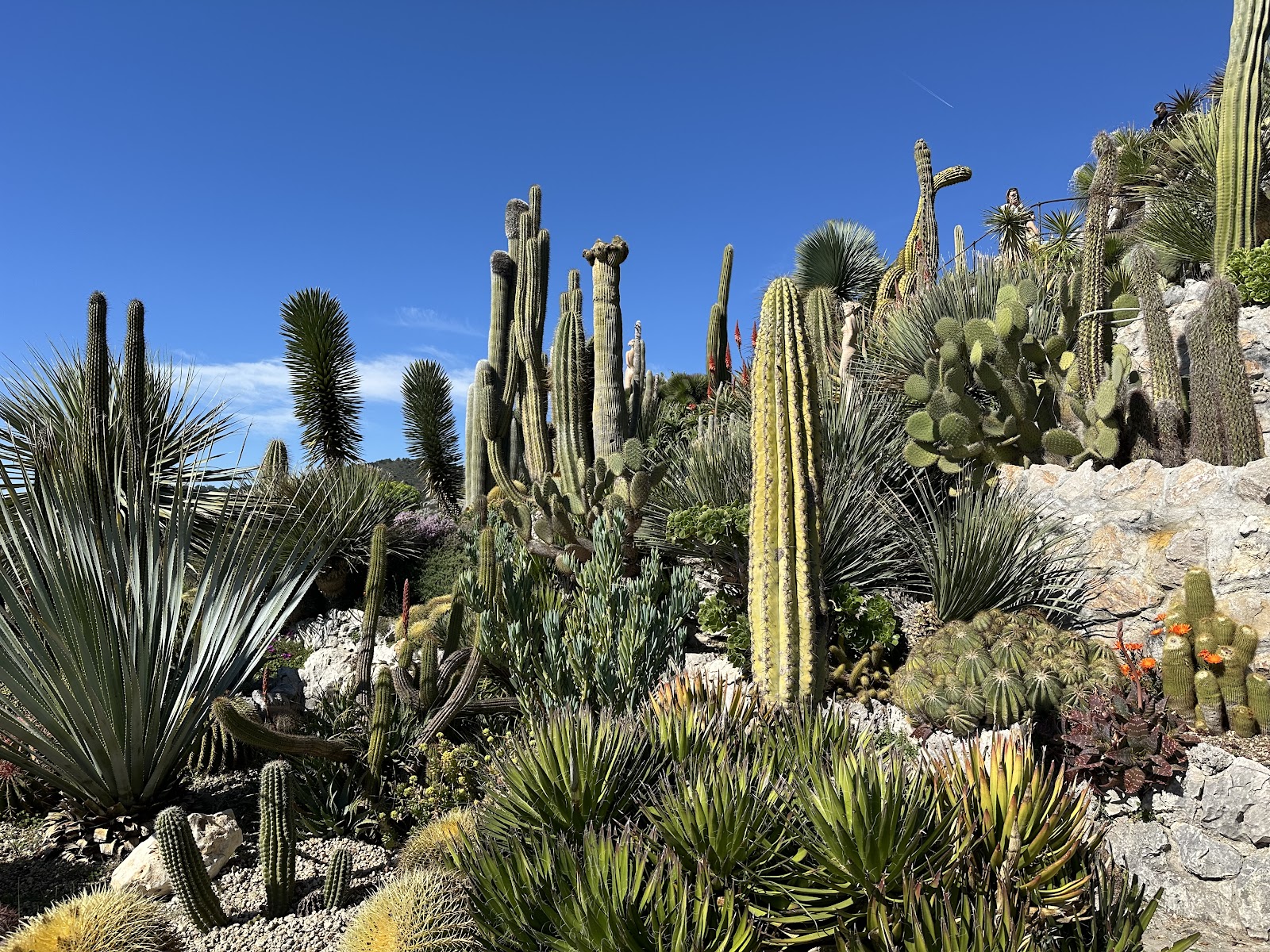
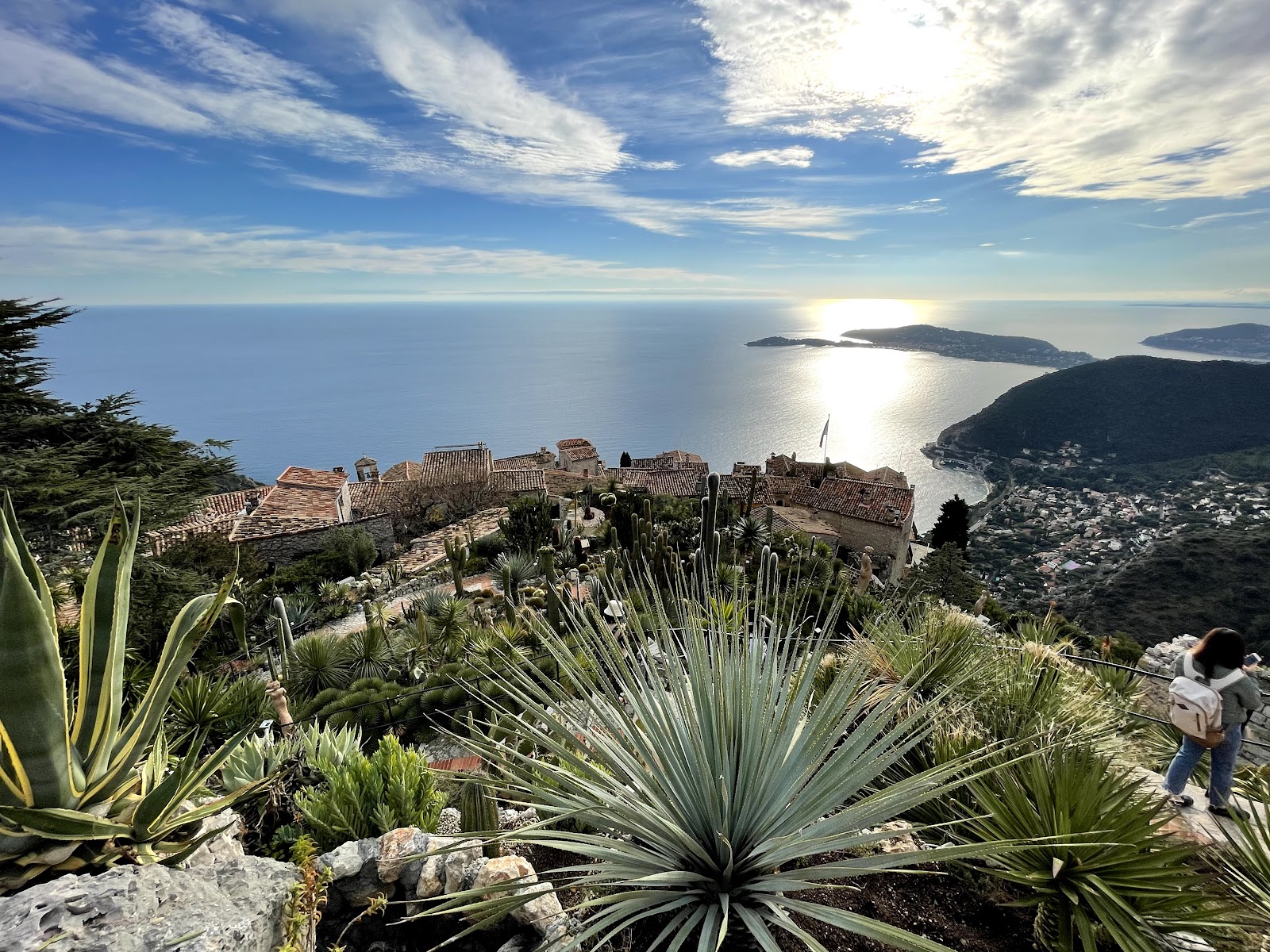
At the very top of Èze's steep rock, where a medieval fortress once stood, there is now open sky, ruined walls, and one of the more arresting views on the French Riviera — a straight drop to the Mediterranean some 400 metres below. The castle itself is long gone, demolished in 1706 on Louis XIV's orders, but the footprint it left has been filled by the Jardin Exotique, a terrace garden of succulents and cacti that grows in and around the old stonework.
What remains of the château is less ruin in the romantic sense and more absence — a cleared summit where the shape of the fortification still organises the space, and where Jean-Philippe Richard's fifteen stone Earth Goddesses stand among the plants like sentinels that replaced the battlements.
💛 What travellers fall for
People who come back tend to arrive right at the 9 am opening, before the tour groups reach the top of the village. The light on the coast is clearest then, and the garden is quiet enough that you can actually hear the wind. The last hour before closing works too, for the same reason.
The story behind Château d'Èze (Ruins)
A settlement existed on this rock as far back as around 220 BC. The castle itself was raised in the second half of the 12th century by the Eze family, the site's namesakes, and it passed through the hands of the Counts of Provence and then the Dukes of Savoy, each appointing officers called Castellans to hold it. For centuries it served its purpose well — the calades below it, narrow winding streets that become staircases, were designed in part to confuse attackers climbing toward the keep.
The fortress's end came not from siege but from a king's decree. In 1706, during the War of the Spanish Succession, Louis XIV ordered it demolished. What the garden became is a later story: in 1949, mayor André Gianton and botanist Jean Gastaud established the Jardin Exotique on the ruins, and in 2004 sculptor Jean-Philippe Richard added fifteen stone figures that now share the terraces with the cacti.
Good to know
Bus lines 82 and 112 run from Nice roughly once an hour; the Nietzsche Path from Èze-sur-Mer station is a one-hour uphill hike. Garden admission is €6–€8, children under 12 free. September through early October offers mild days and smaller crowds. The village fills quickly by mid-morning.
Spring (March–June) and early autumn (September–October) are the most comfortable seasons — warm enough for the open hilltop but without the August heat, which regularly reaches 26°C and concentrates tour groups. November is the wettest month by some margin; the garden paths get slick.
Where is Château d'Èze (Ruins)?
More tickets & tours for Château d'Èze (Ruins)
Book directly at the provider
What travellers say about Château d'Èze (Ruins)
Beautiful medieval village with amazing views in lots of different directions. Quaint stores and eateries dotted around the area and a series of stunning vistas everywhere you turn. The bus ride in from the station and back is horrendous, so prepare for some wait time of that's how you intend to get there. Well worth it when you get there.
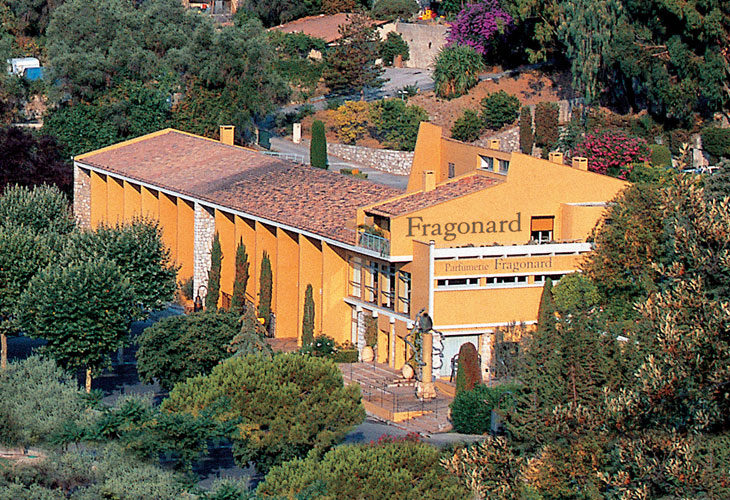
Absolute magic, but timing is everything! Èze is breathtakingly beautiful, but to truly experience its magic, you must arrive early in the morning. Do not rely on public transport; the buses get incredibly crowded and you might be left waiting. Instead, save yourself the hassle and take an Uber or Bolt from Nice—it costs around €20 and is worth every cent. We arrived around 10:00 AM, and it was already getting busy. By 11:00 AM, the narrow streets were packed, long lines were forming, and it became difficult to even move through the village. Aside from the stunning views, Èze is famous for its rich perfume history. Right at the entrance of the village, you'll find the historic perfume factories of Fragonard and Galimard. The whole area smells incredible, and taking a free tour of the laboratory to see how these luxury French fragrances are made is the perfect escape once the village streets get too crowded. Also, a quick tip for adventure lovers: from the village, you can hike down to the sea via the famous Nietzsche Path (Sentier Nietzsche). It’s a proper hiking trail with stunning views, but it is steep, so you absolutely must wear proper footwear! Highly recommended if you beat the crowds.
We visited Èze Village on 2 July, and it truly is one of the most beautiful places on the French Riviera. The village sits on a hill, so be prepared for a bit of an uphill walk through charming stone streets lined with boutiques, cafés, and restaurants. Every corner feels like a postcard, making it a wonderful place to wander, take photos, and simply enjoy the atmosphere. We also visited the Exotic Garden. I paid €10 and, personally, I didn’t think it was worth it. Despite its name, the garden mainly consists of different varieties of cacti and landscaped walking paths. If you’ve visited botanical gardens before, there’s nothing particularly unique or “exotic” about it. The best part is the panoramic view from the top, which is undeniably stunning, but the village itself already offers plenty of beautiful viewpoints without paying for the garden. The restaurants in the village are expensive for what they offer. While the setting is lovely, we found the food and service didn’t quite justify the prices. The staff also felt rushed and not especially welcoming, with the focus seeming to be on taking orders quickly rather than creating a relaxed dining experience. One thing to keep in mind if you’re visiting in summer: we went on 2 July, and the heat was intense. Many of the restaurants didn’t have fans or air conditioning, making the midday experience quite uncomfortable. If possible, plan your visit for the late afternoon or evening. As the temperatures drop, the village becomes absolutely magical. Overall, I’d highly recommend visiting Èze Village itself. It’s full of charm, history, breathtaking views, and beautiful streets to explore. Just skip the Exotic Garden unless you’re specifically interested in the panoramic viewpoint, and try to avoid the hottest part of the day.
Breathtaking village nestled on a beautiful mountain in the south of France. While staying in Antibes, we took the train to the Eze train station then walked outside the train station to board the number 83 public bus (directly out front of the train station) to take us up to Eze village. The bus costs us 4 euro each and took about 25-30 minutes. It's late June and the bus was packed but we all made it on. The village is a short walk uphill from where the bus stop is with wonderful views of the mountains along with the village itself. The streets of Eze are narrow, barely allowing 2 people to pass, with amazing views of the buildings and streets that make up the village. There are many art galleries, restaurants and small shops to visit as you make your way through the town. As you walk from the bus stop to the village you do pass the rocky trail that leads you down the mountain, if you prefer to walk instead of dealing with the bus or Uber or shuttle. The walk takes 45 minutes. Impressively beautiful and worth the trip.
Really nice place to visit! Worth your while visiting here, even with the hikes that may be quite tiring for some. Do spend the money to enter the garden. You can easily spare 2 hours exploring the area, and maybe more if you want to enjoy some meals or coffee or drinks. Highly recommend if you are near the area.
More of Èze
Discover where to stay, what to do and the best deals for your trip.
Explore Èze →More attractions in Èze
All of Èze →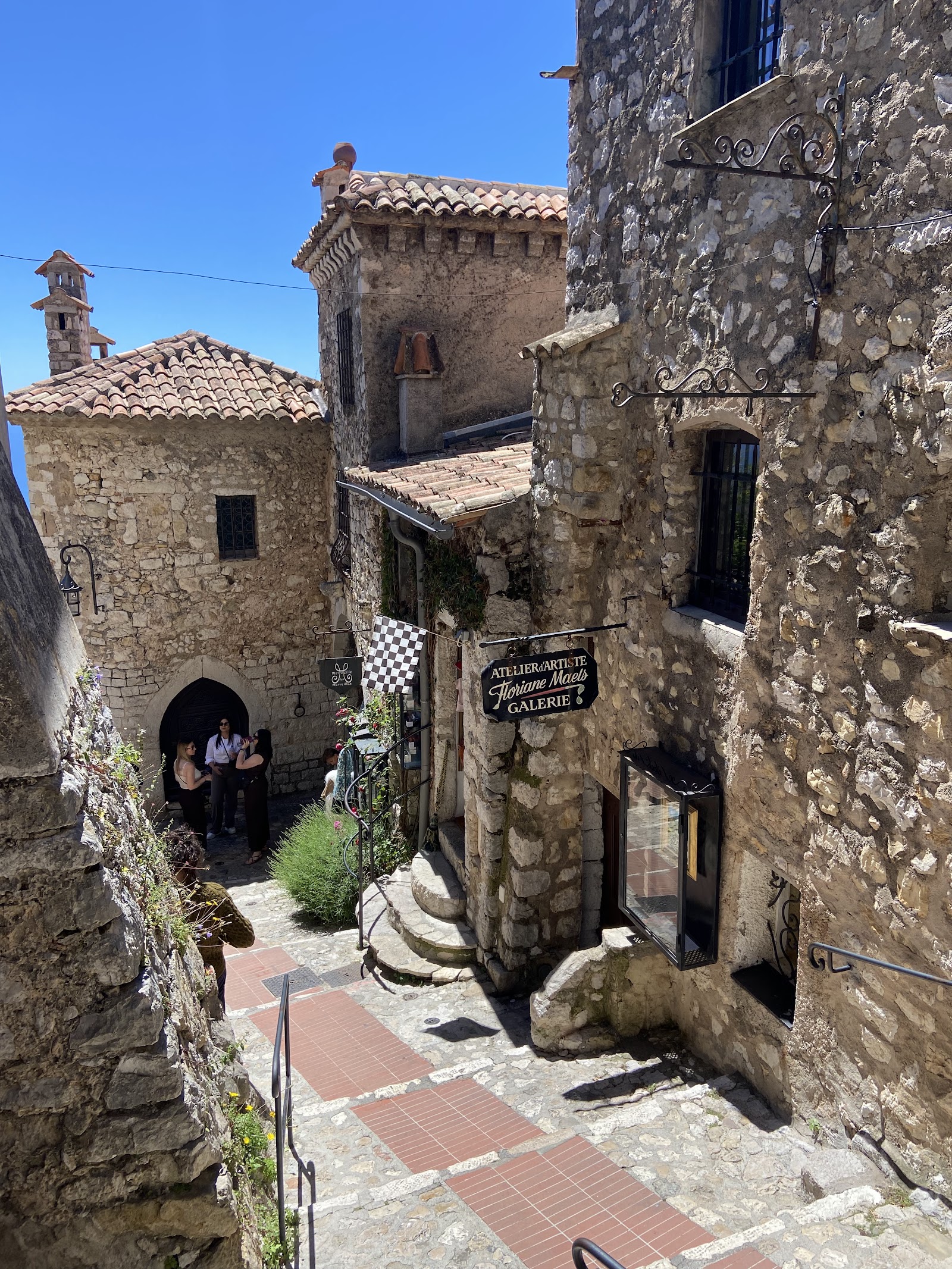
Background adapted from Wikipedia (CC BY-SA) · map data © OpenStreetMap contributors · ratings & place photos via Google · other photos with per-image credit. Ticket links may earn us a commission at no extra cost to you.