
Jardin Exotique d'Èze
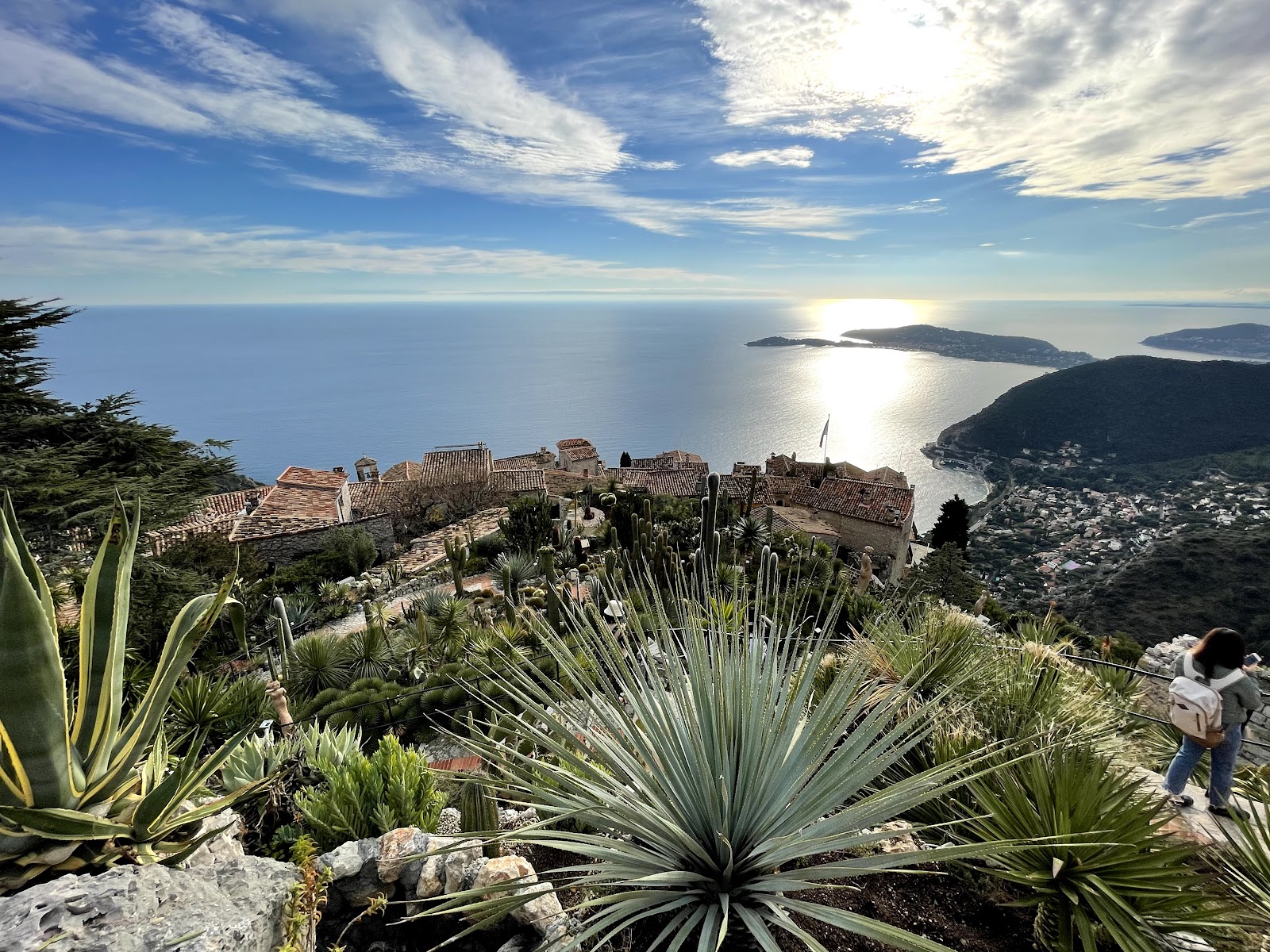
At 429 metres above the sea, where a medieval castle once stood before Louis XIV had it demolished in 1706, cactus and succulents now grow out of the old stonework. The Jardin Exotique d'Èze occupies the ruins on Èze's summit, and on a clear day the view from its western edge reaches as far as Saint-Tropez — the kind of distance that takes a moment to process.
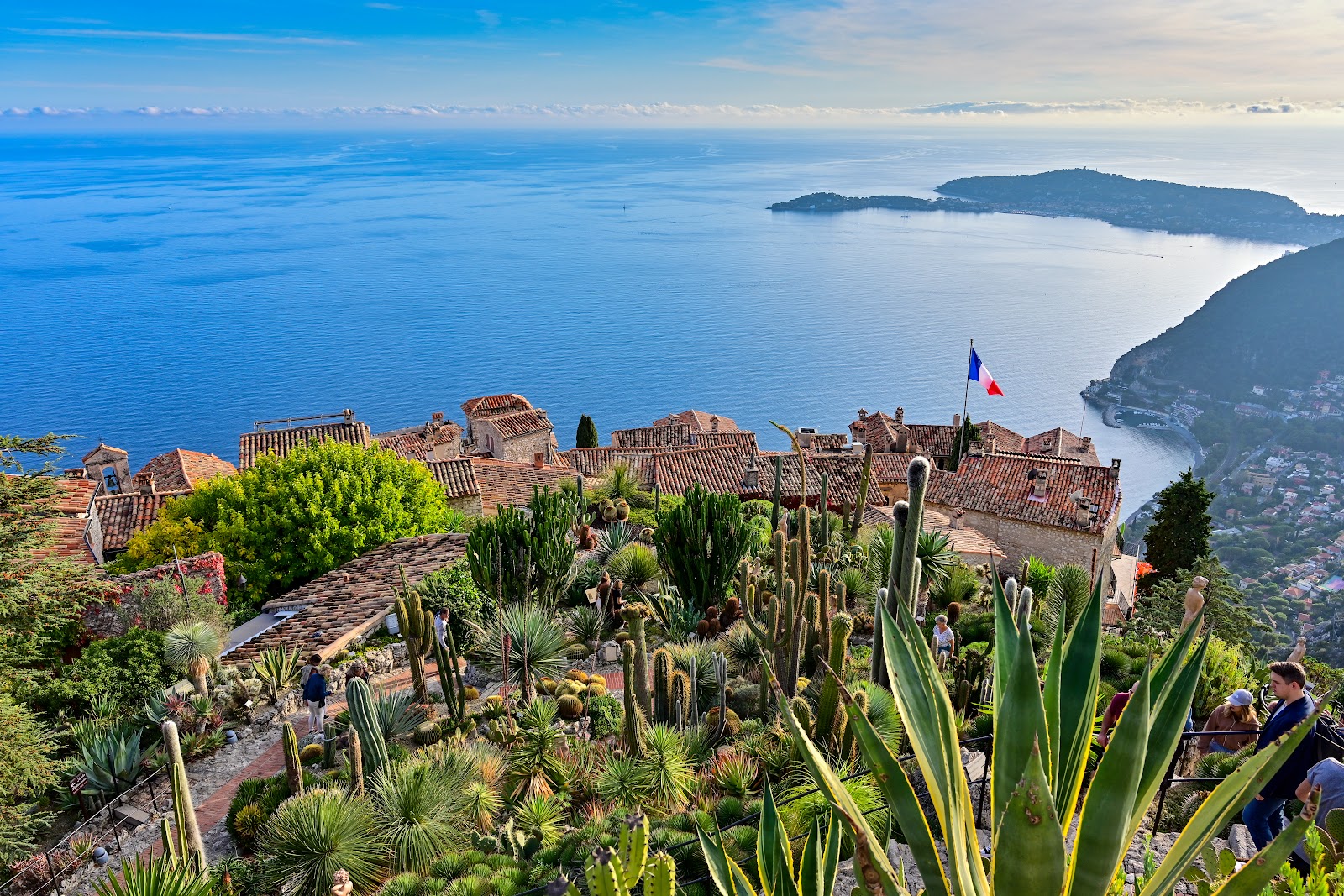
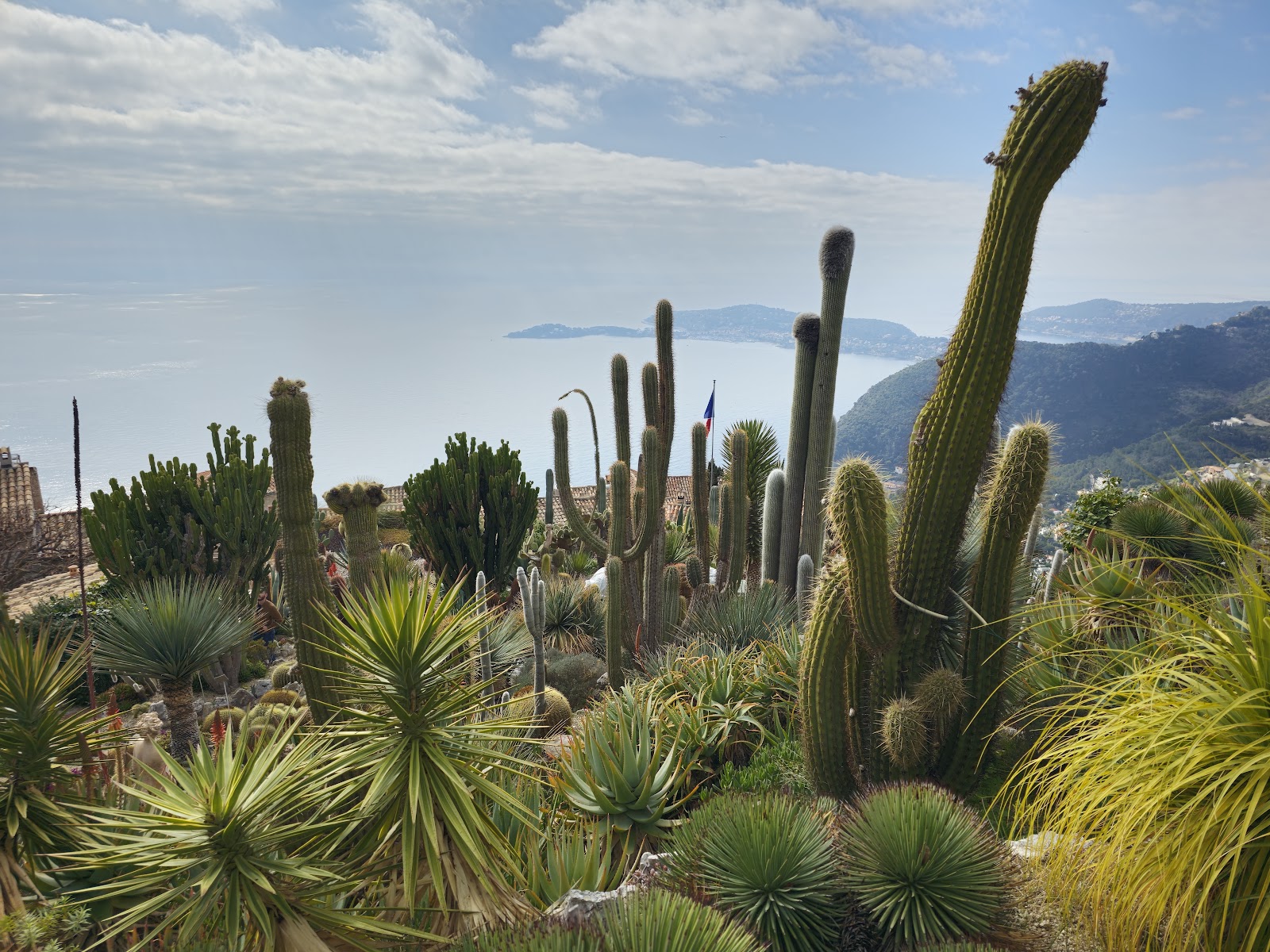
Three distinct garden zones divide the terrain by soil type and exposure: an exotic section dense with specimens from Africa and the Americas, a Mediterranean area where caves stay cool through moving water, and a subtropical corner with a waterfall, misting, and deckchairs arranged beneath the canopy. Scattered across all of it, sculptor Jean-Philippe Richard's female figures — known locally as the Goddesses — occupy the spots with the best sightlines.
💛 What travellers fall for
People who come back tend to buy tickets online before heading up — cell service at the top of the village is essentially gone, so printing or downloading your ticket in advance saves a scramble. The QR-code plant labels reward slow walkers; the caves in the Mediterranean section are worth finding on a hot afternoon.
The story behind Jardin Exotique d'Èze
In 1949, four years after the end of the Second World War, Èze's mayor André Gianton decided to do something with the ruined château at the village's peak. Working with Jean Gastaud — the man behind the Jardin Exotique de Monaco — he set men to carrying bags of soil and plants on their backs up to the summit. The labour was literal and slow, and what they built took root in the shells of walls that had stood since before 1706.
The garden grew in stages. Its northern section, closed for more than two decades, reopened in July 2014 after six months of renovation led by the firm Jean Mus & Compagnie alongside the municipal Green Space team — replanted with Mediterranean species and shade-adapted exotics. The 'Jardin Remarquable' label and a regional fleurissement prize followed.
Good to know
Line 82 from Nice-Vauban tram stop reaches Èze-Village in roughly 30 minutes; from there it's a five-minute walk to the garden. Hours shift with the season — as late as 7:30pm in summer, 4:30pm in winter. The terrain is steep and uneven throughout; not accessible for reduced mobility.
Summer temperatures at this altitude sit around 32°C, though the site's natural shelter from north winds and its rocky drainage keep conditions drier than the coast below. Winter visits are quieter and cooler — some plants are covered for protection — and the shorter opening hours (closing at 4:30pm) make a morning start worth planning.
Where is Jardin Exotique d'Èze?
More tickets & tours for Jardin Exotique d'Èze
Book directly at the provider
What travellers say about Jardin Exotique d'Èze
Here is a review that captures the stunning beauty of the garden while keeping it very real about the social media crowd: **⭐⭐⭐⭐ (4/5) – Breathtaking Views, if You Can See Past the Selfie Sticks** Let’s start with the positives: the Jardin Exotique d’Èze is undeniably spectacular. Perched ruins of a medieval fortress over 1,400 feet above the Mediterranean, it offers what might be the single best panoramic view of the French Riviera. The collection of cacti, succulents, and exotic plants is beautifully curated, and the "Earth Goddess" sculptures by Jean-Philippe Richard add a lovely, serene touch to the pathways. On a clear day, it feels like you're standing on the edge of the world. However, your ability to actually enjoy this garden depends heavily on your tolerance for "influencer culture." Today, the garden functions less like a botanical sanctuary and more like a high-altitude backdrop for Instagram and TikTok. Every single photogenic corner, scenic ledge, and narrow pathway was completely clogged by people doing elaborate photoshoot routines. You will spend a good portion of your visit waiting for someone to finish their fifteenth consecutive pouty pose, dodging selfie sticks, or awkwardly trying not to walk through the frame of someone's transition video. The main viewing platform felt less like a historic ruin and more like an outdoor casting call. If you want to experience the true, peaceful magic of this place, **go the absolute minute it opens in the morning.** Otherwise, you'll be sharing the panoramic views with an army of content creators trying to convince their followers they have the place all to themselves. **Tips for visiting:** * Wear comfortable shoes; the climb up from the village is steep. * Bring patience. * Absolutely worth the ticket price for the view alone, just prepare yourself for the crowd!
We purchased our tickets directly from the official website, which was not only slightly cheaper than buying at the kiosk but also spared us from the long queues—making online booking far more convenient. During our visit, the weather was quite humid, yet the refreshing breeze helped ease the discomfort. From the top, the panoramic views were truly stunning, complemented by the diverse collection of exotic plants. It’s an experience that feels both scenic and unique, and absolutely worth including when visiting Eze.
There are three places where you can purchase tickets: a ticket machine at the bottom near the visitor center, another machine halfway up the hill near the church, and a ticket booth right before the entrance. If you see a long line at the first ticket machine, I would recommend walking up to the second one, which is often much less crowded. The garden itself is beautiful and well worth a visit. It offers stunning views over the village of Èze and the Mediterranean Sea. One thing to keep in mind is that there isn’t much shade throughout the garden, so be sure to bring plenty of water and wear sunscreen or other sun protection, especially during the summer months.
A must visit place near nice, amazing exotic garden with great views, excellent walk through the medieval town, easy access by public transport,better to take early bus to avoid crowds. Highly recommend
A must visit attraction in south of France. The garden is indeed very beautiful with varieties of plants, flowers, succulents and the breathtaking view. Everybody mainly focus on one view, but don’t get the bridge behind also. Got an interesting name. The ticket is €11 and it’s absolutely worth every cent.
More of Èze
Discover where to stay, what to do and the best deals for your trip.
Explore Èze →More attractions in Èze
All of Èze →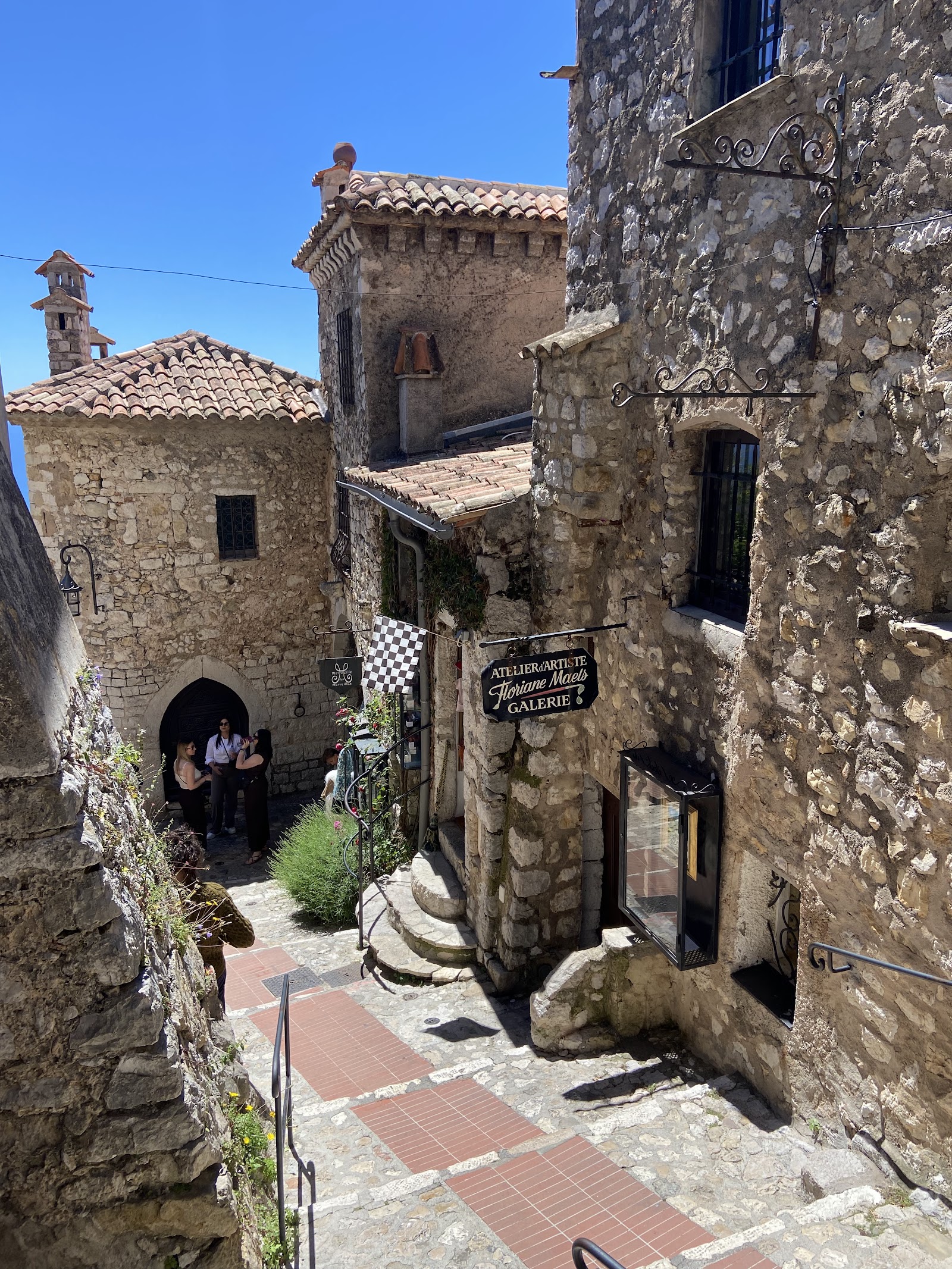
Background adapted from Wikipedia (CC BY-SA) · map data © OpenStreetMap contributors · ratings & place photos via Google · other photos with per-image credit. Ticket links may earn us a commission at no extra cost to you.