
Église de l'Assomption d'Èze
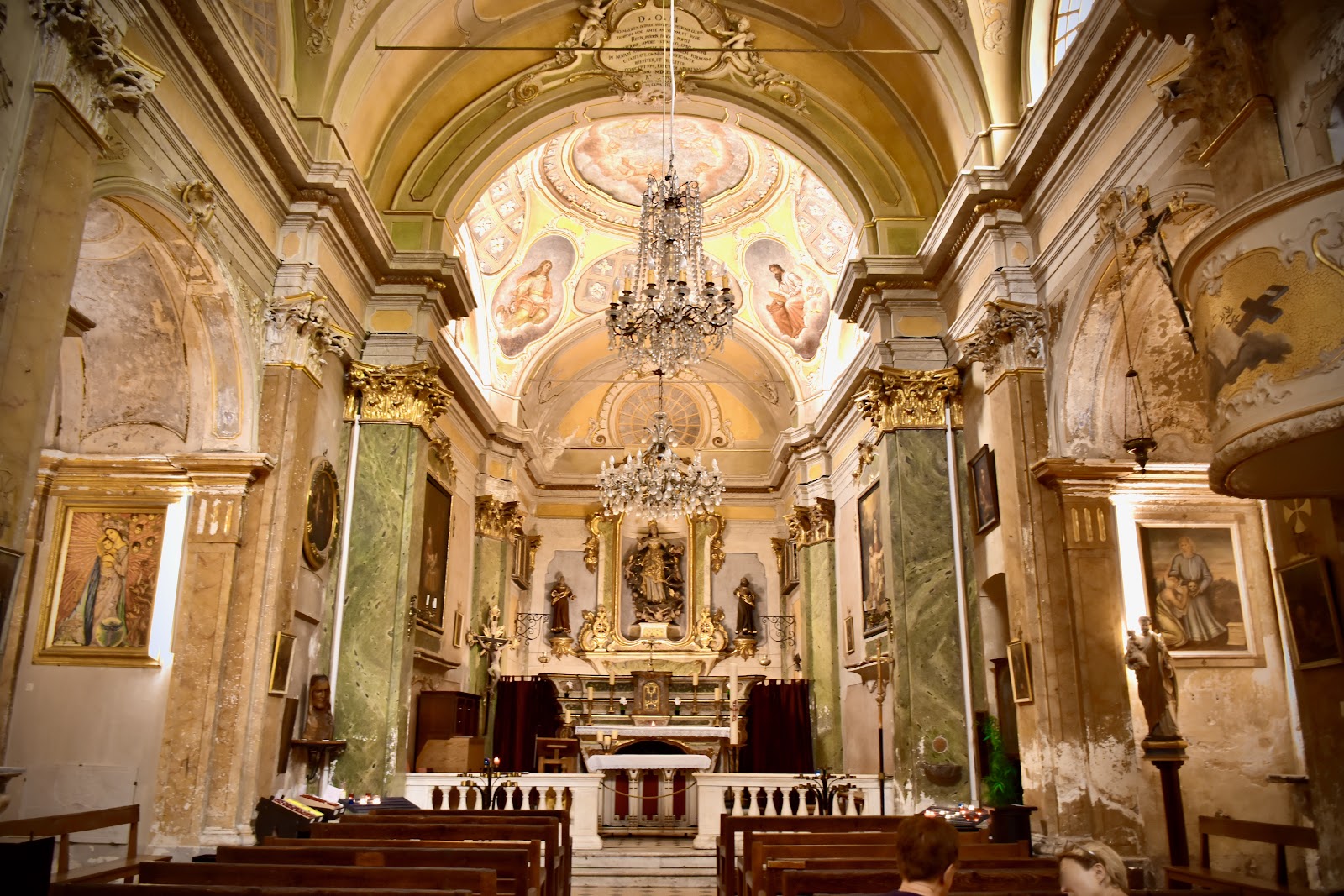
The bell tower of the Église de l'Assomption rises above Èze's stone roofline in a square, two-storey silhouette — a landmark you'll orient yourself by as you navigate the village's narrow lanes. Step through the door and the interior pulls a quiet trick: trompe-l'œil paintings blur the line between real and painted windows, real and painted pulpits, so the space feels both larger and more theatrical than its footprint suggests.
Note that the church is closed to visitors until October 2026 for restoration work, so the interior is not currently accessible. The exterior, perched at 429 metres above the Mediterranean, remains very much worth pausing at.
💛 What travellers fall for
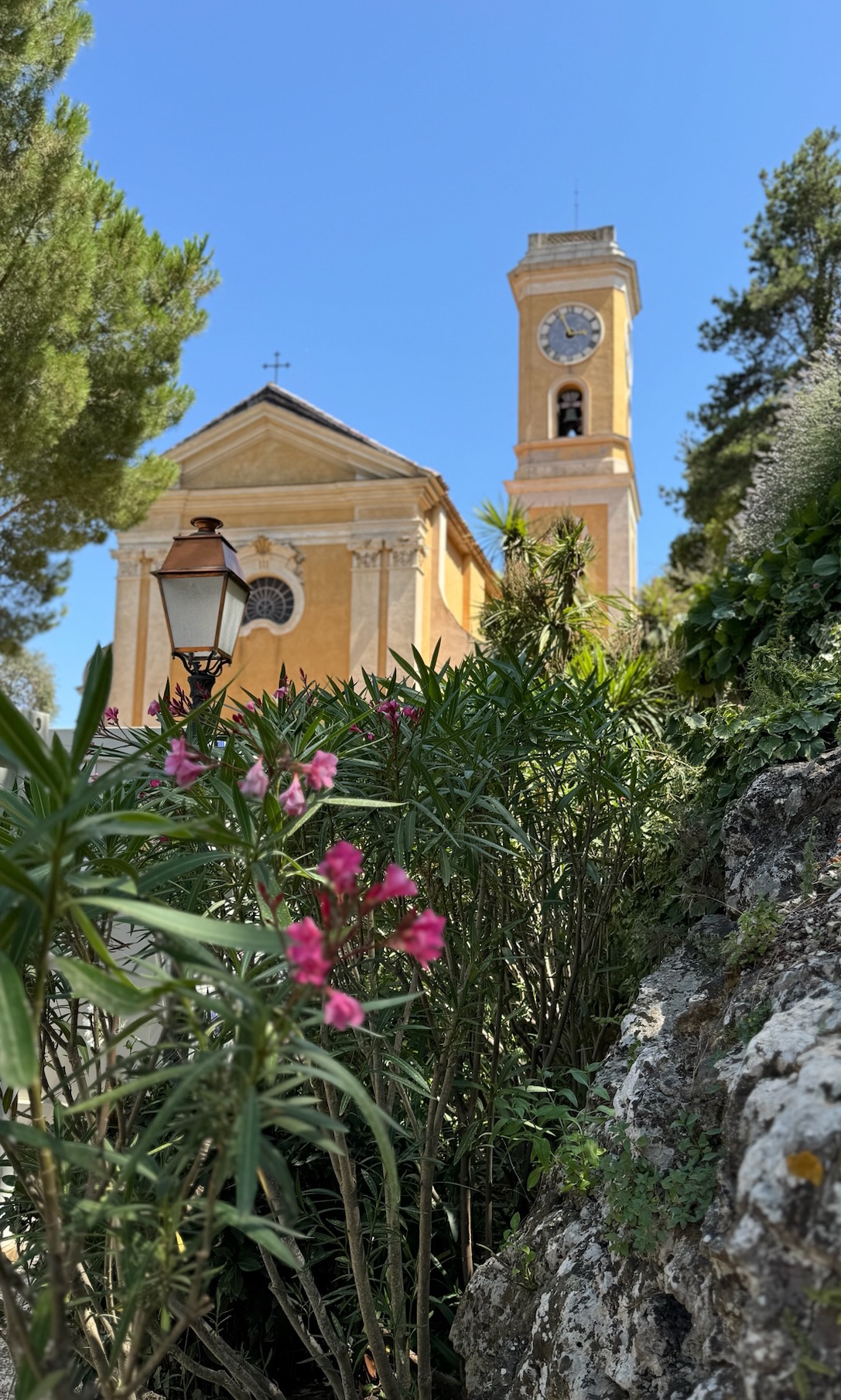
People who come back to Èze tend to mention the bell tower as a reference point — find the church square and you've found your bearings. The two consecrated bells, Marie-Madeleine and Laurence, occasionally ring out over the rooftops, a sound that carries further than you'd expect at this altitude.
The story behind Église de l'Assomption d'Èze
The church you see today was built between 1764 and 1778, commissioned by Duke Charles-Emmanuel III of Savoy and designed by Italian architect Antoine Spinelli — who was also responsible for the plans for Place Garibaldi in Nice. It replaced an earlier church that had fallen to ruin, and sits on foundations dating to the 12th century. The consecration ceremony took place on 17 May 1772, though work continued for six more years; the final payment is recorded on 7 December 1778.
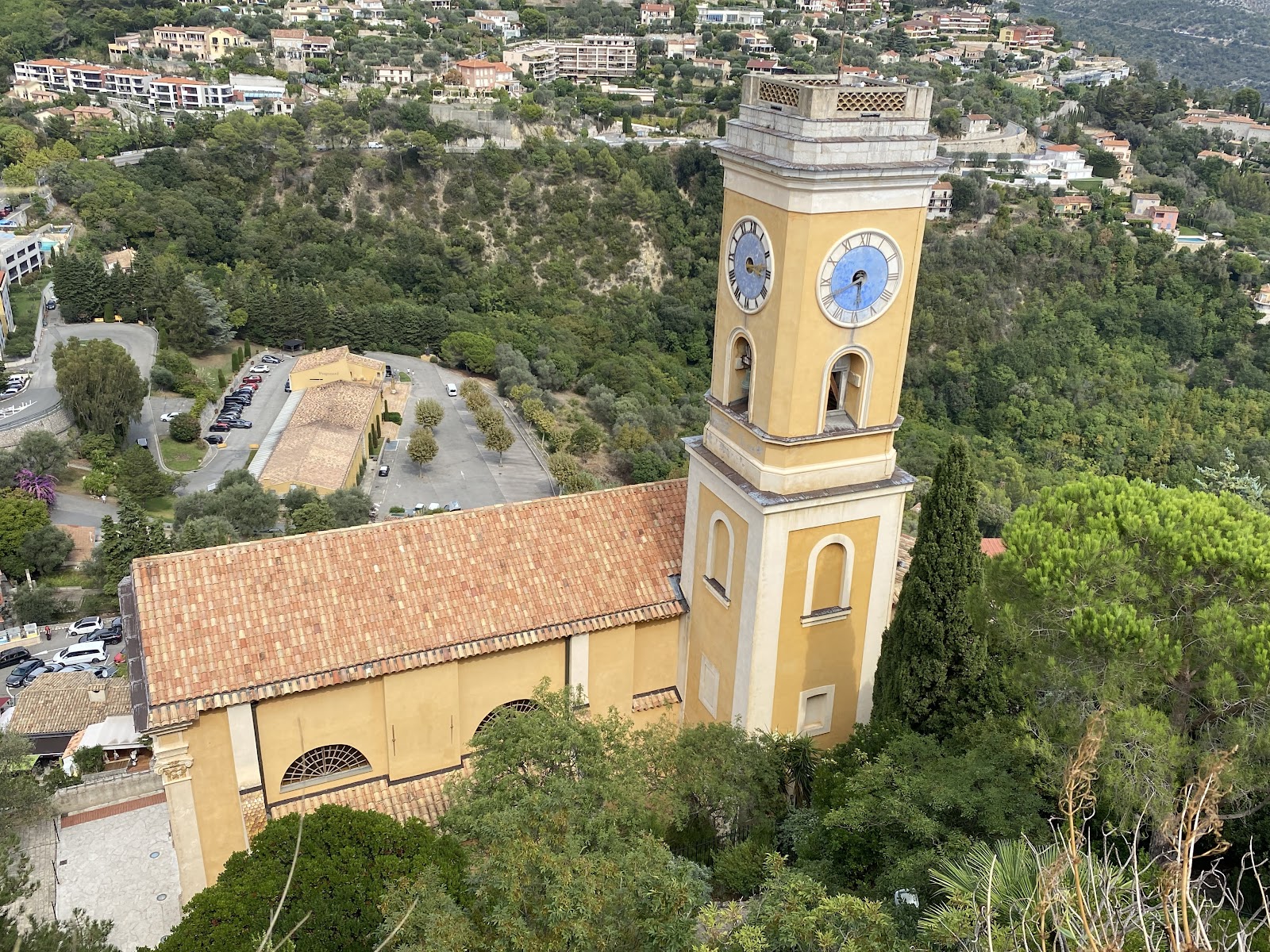
Prior Charles-François Fighiera oversaw the last phase of completion, including the consecration of the two bells in September 1777. The bell tower itself came later, added in the 19th century; lightning repeatedly struck its original dome, leaving the plainer crown visible today. The church was classified as a Historic Monument on 5 December 1984.
Good to know
Interior access resumes October 2026 after restoration. Entry is free. From Nice, Bus #82 or #602 reach Èze village in around 30 minutes; alternatively, take the TER train to Èze-sur-Mer and Bus #83 up to the village. The final approach is on foot only.
Where is Église de l'Assomption d'Èze?
More tickets & tours for Église de l'Assomption d'Èze
Book directly at the provider
What travellers say about Église de l'Assomption d'Èze
Very old Catholic church in which man probably does not interfere. The church lies in the view of the village Eze. You can see amazing view next to the building and can light a candle for 2 €.
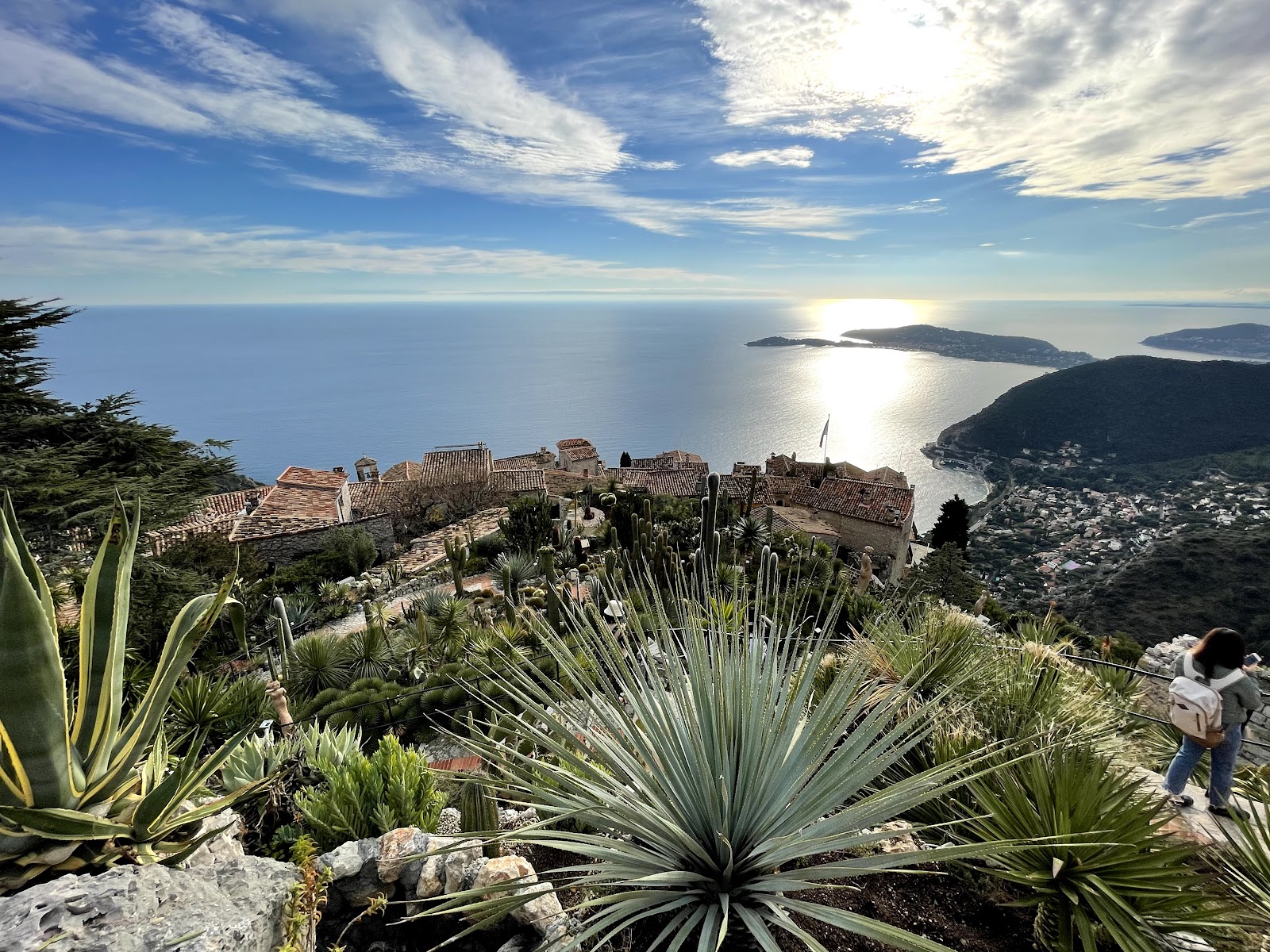
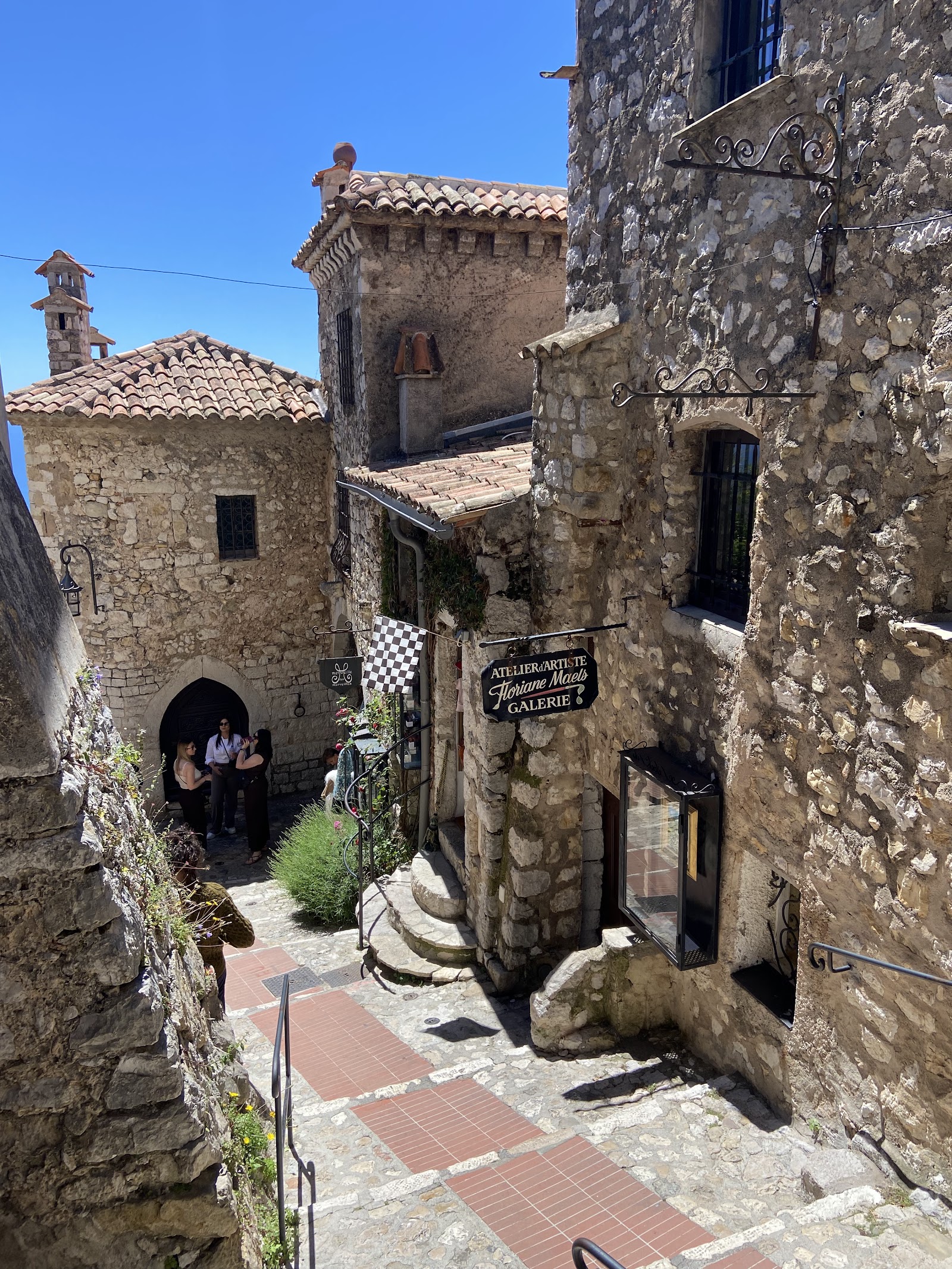
Lovely views over the surrounding French coast and hills, cute cobbled streets with little shops to explore around for a bit. Relaxing area for sure!
Very old and beautiful Catholic Church dating back to the 1700s. There was nobody in the Church when we were there and it was beautiful. There was also a nice place to overlook the bottom of the town and eat a pain au chocolat with benches to sit on.
Église Notre-Dame-de-l'Assomption, or the Church of Our Lady of the Assumption, is a historic landmark located in Eze village, France. Dating back to the 18th century, this church is known for its Baroque-style architecture and picturesque setting overlooking the Mediterranean Sea. It serves as a symbol of faith and community for locals and visitors alike, offering a serene space for prayer and reflection. With its elegant facade and ornate interior, Église Notre-Dame-de-l'Assomption is a testament to the rich cultural heritage of the region and a must-see attraction for those exploring Eze village.
A small yet beautiful church located in the middle of your journey to the top of Eze. You may go inside the church for free and enjoy the amazing interior of it. Also you can see the mountain view from around the church and there is a small cemetery nearby.
More of Èze
Discover where to stay, what to do and the best deals for your trip.
Explore Èze →More attractions in Èze
All of Èze →
Background adapted from Wikipedia (CC BY-SA) · map data © OpenStreetMap contributors · ratings & place photos via Google · other photos with per-image credit. Ticket links may earn us a commission at no extra cost to you.