
Roquebrune-Cap-Martin

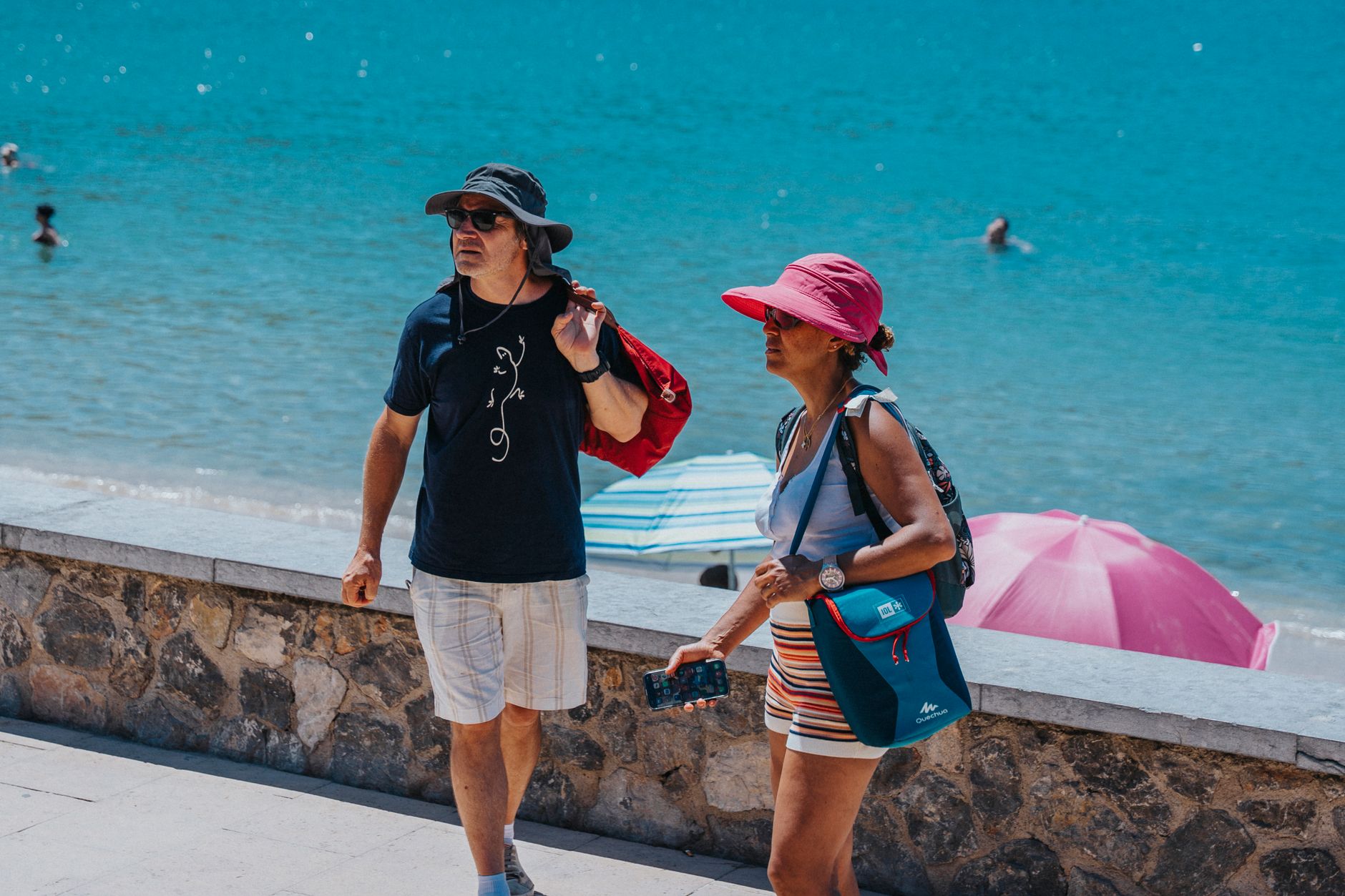
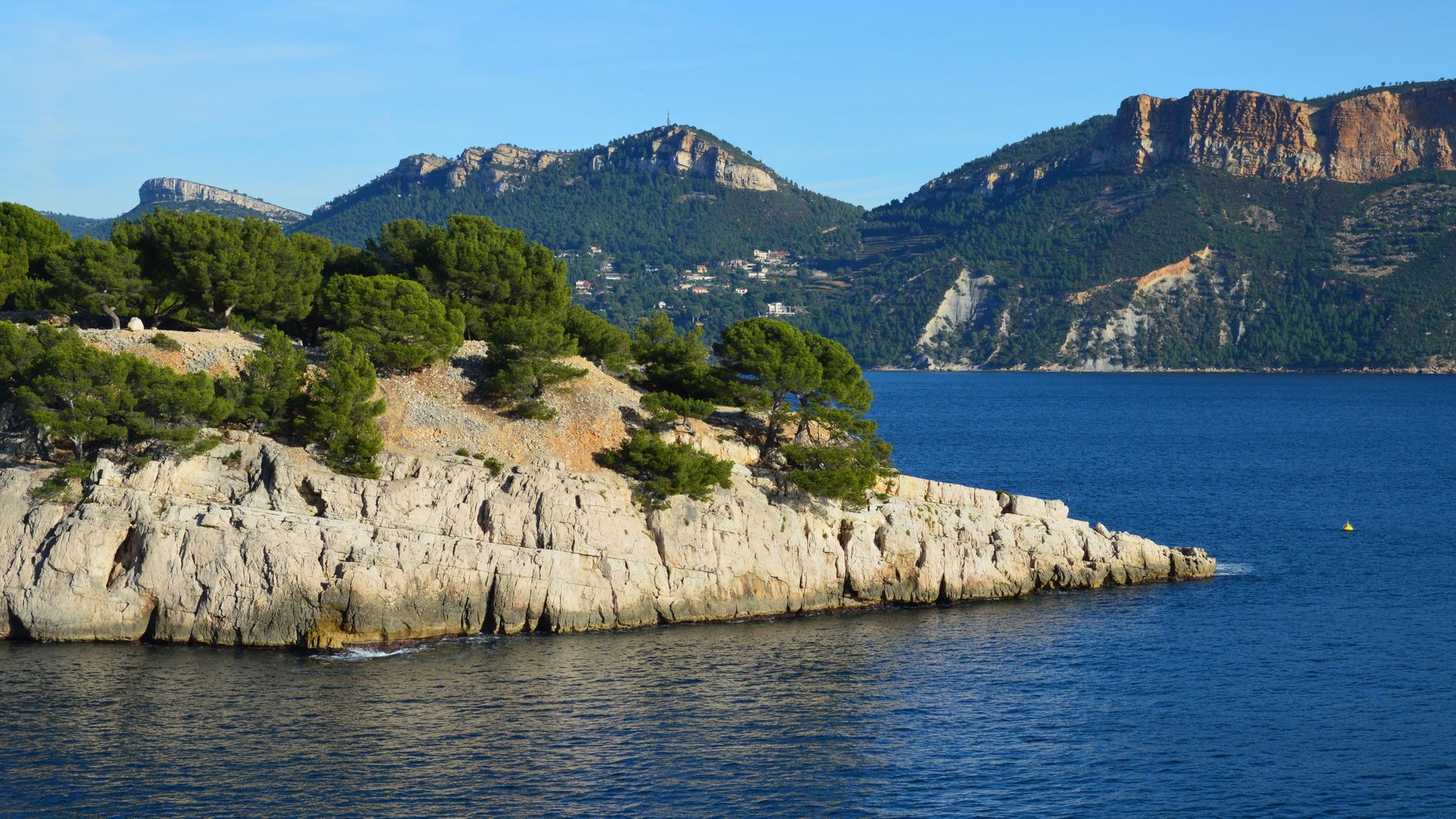
Roquebrune-Cap-Martin is two places occupying the same strip of coast: a medieval village pinned to a clifftop above Monaco, and a wooded cape where the twentieth century's most interesting minds came to think, build and, in at least one case, drown. The castle at the top dates to 971 and is among the oldest still standing in France. The modernist villa at the waterline, E-1027, was finished by Eileen Gray and Jean Badovici in 1929 and is now considered one of the defining works of the century.
What makes Roquebrune-Cap-Martin worth your time is the compression of it — a two-thousand-year-old olive tree in the village, Le Corbusier's twelve-square-metre cabanon on the rocks below, and the coastal path between them takes less than an afternoon to walk.
💛 What travellers fall for
People who come back tend to time the Promenade Le Corbusier for early morning, before the heat and the day-trippers from Monaco arrive. Starting from the rail station at Cap-Martin-Roquebrune, you have the path mostly to yourself, and the light on the water at that hour is worth the early train.
Experiences you don't want to miss


Deals in Roquebrune-Cap-Martin
Book directly at the provider
How Roquebrune-Cap-Martin came to be
Conrad I, Count of Ventimiglia, raised the first fortifications here in 971 to guard his western flank — the keep that survives is considered the oldest of its kind still standing in France. The Grimaldi family took control in 1355 and held it for five centuries. In 1848 the town briefly declared itself a free city under Savoy protection before a plebiscite in 1861 brought it into France. The railway arrived in 1869, and with it, eventually, a different kind of visitor.
By the 1920s and 30s the cape had become a quiet laboratory for modernism. Eileen Gray completed E-1027 in 1929; Le Corbusier built his cabanon — 3.66 metres square — in 1952, and died swimming off the cape in 1965. The coastal path now carries his name. The town added Cap-Martin to its official title in 1921, partly to distinguish itself from a village of the same name further along the coast.
Who and what shaped it
People who shaped it
Landmark buildings
See Roquebrune-Cap-Martin in motion
Plan your visit
On the map
When to go
The coast here runs warm from April through October, with July and August genuinely hot and the sea swimmable from June. Winters are mild by any northern standard — cool enough for a coat in the evening, but the light stays sharp and the village crowds thin considerably after October.
Right now
Background & history adapted from Wikipedia (CC BY-SA) · specs from Wikidata (CC0) · weather from Open-Meteo · map data © OpenStreetMap contributors · photos from Wikimedia Commons / Unsplash with per-image credit. No third-party reviews or social posts reproduced.