
Saint-Jean-Cap-Ferrat
The peninsula juts into the Mediterranean like a thumb, and from almost anywhere on it you can see water on three sides. Saint-Jean-Cap-Ferrat is roughly four kilometres of pine-covered headland between Villefranche-sur-Mer and Beaulieu-sur-Mer, and it has been quietly accumulating wealth and famous names since the 1860s — a Belgian king, a Rothschild baroness, Somerset Maugham, and a long roster of film stars and heads of state who came for the same reason: the privacy that serious money can buy.
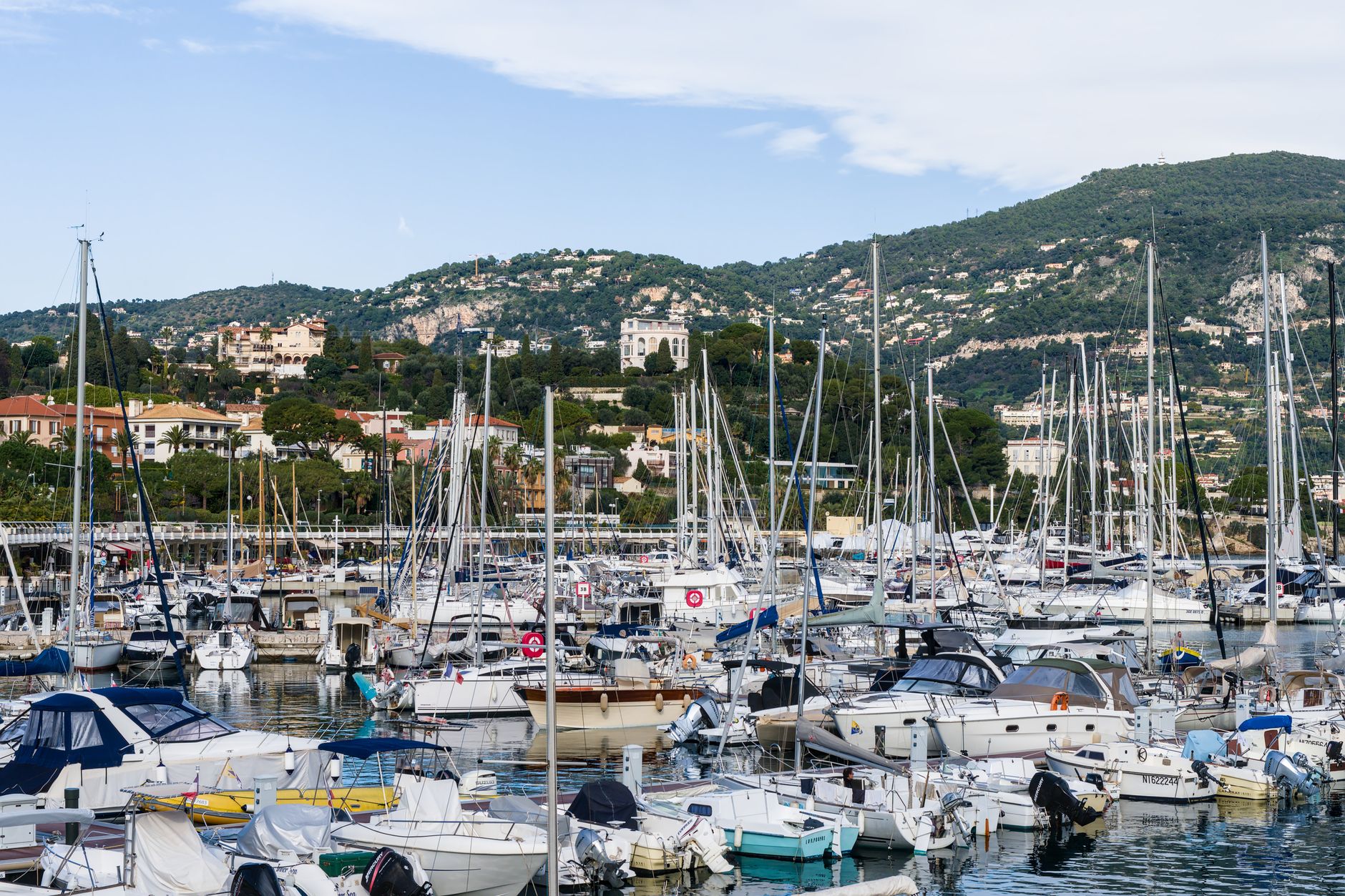
The village at the centre is small enough to walk in twenty minutes, with a marina that has held over five hundred boats since 1972 and a lighthouse at the southernmost tip built on Napoleon III's orders in 1862. Between the grand walled estates there are five public beaches and pine-shaded inlets where you can swim without booking anything.
💛 What travellers fall for
People who return tend to time it around the Villa Ephrussi de Rothschild — arriving when it opens at ten before the tour groups settle in, then walking the nine gardens in order from the French formal garden toward the Japanese one at the back. The coastal path that rings most of the peninsula is the other constant recommendation: quieter in the morning, with the light still low on the water.
Experiences you don't want to miss


Deals in Saint-Jean-Cap-Ferrat
Book directly at the provider
How Saint-Jean-Cap-Ferrat came to be
The peninsula has been called different things by different occupiers. Ancient Greeks knew it as Anao; Celto-Ligurian tribes settled it first, then Lombards arrived at the end of the sixth century, and the place briefly took the name Cap-Saint-Sospir after a monk of that era. Saracens occupied it through much of the eighth to eleventh centuries, using it as a pirate base. The Dukes of Savoy held it from 1388, and Duke Emmanuel Philibert built a fort at Saint-Hospice in 1561 — destroyed in 1706 during a French occupation under Louis XIV.
When the County of Nice was ceded to France in 1860, the peninsula became a destination for royalty and the very wealthy. King Léopold II of Belgium built several houses here, including his main residence, Villa des Cèdres. Saint-Jean separated from Villefranche-sur-Mer in 1904 and was renamed Saint-Jean-Cap-Ferrat in 1907. W. Somerset Maugham bought Villa La Mauresque in 1928 and lived there until his death in 1965.
Who and what shaped it
People who shaped it
Landmark buildings
See Saint-Jean-Cap-Ferrat in motion
Plan your visit
On the map
When to go
Summers are long and dry, with sea temperatures warm enough to swim from June through October. Spring and autumn are mild and considerably less crowded; winters are short and rarely cold, though the mistral can arrive without much warning.
Right now
Background & history adapted from Wikipedia (CC BY-SA) · specs from Wikidata (CC0) · weather from Open-Meteo · map data © OpenStreetMap contributors · photos from Wikimedia Commons / Unsplash with per-image credit. No third-party reviews or social posts reproduced.