
Villefranche-sur-Mer
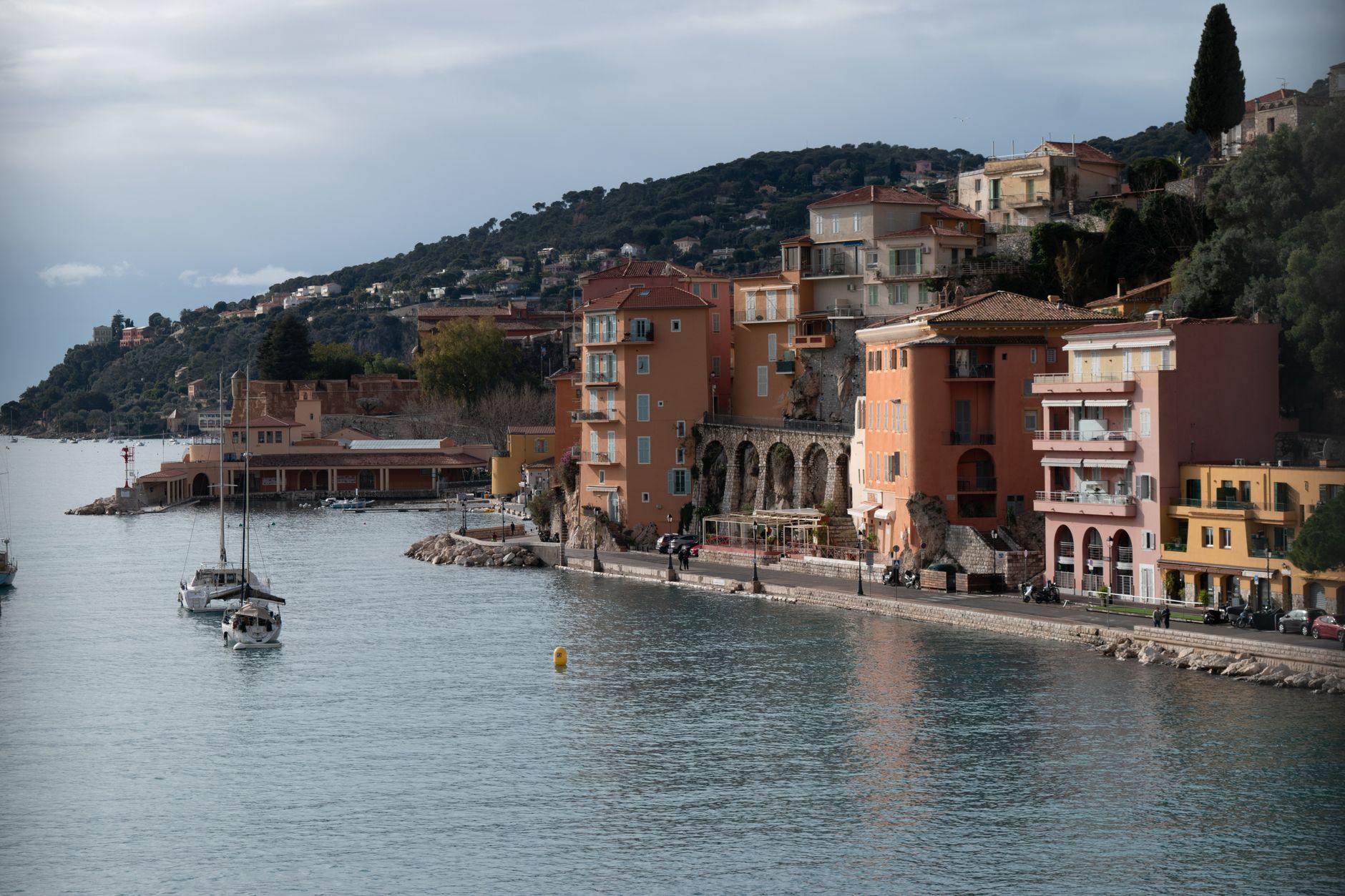

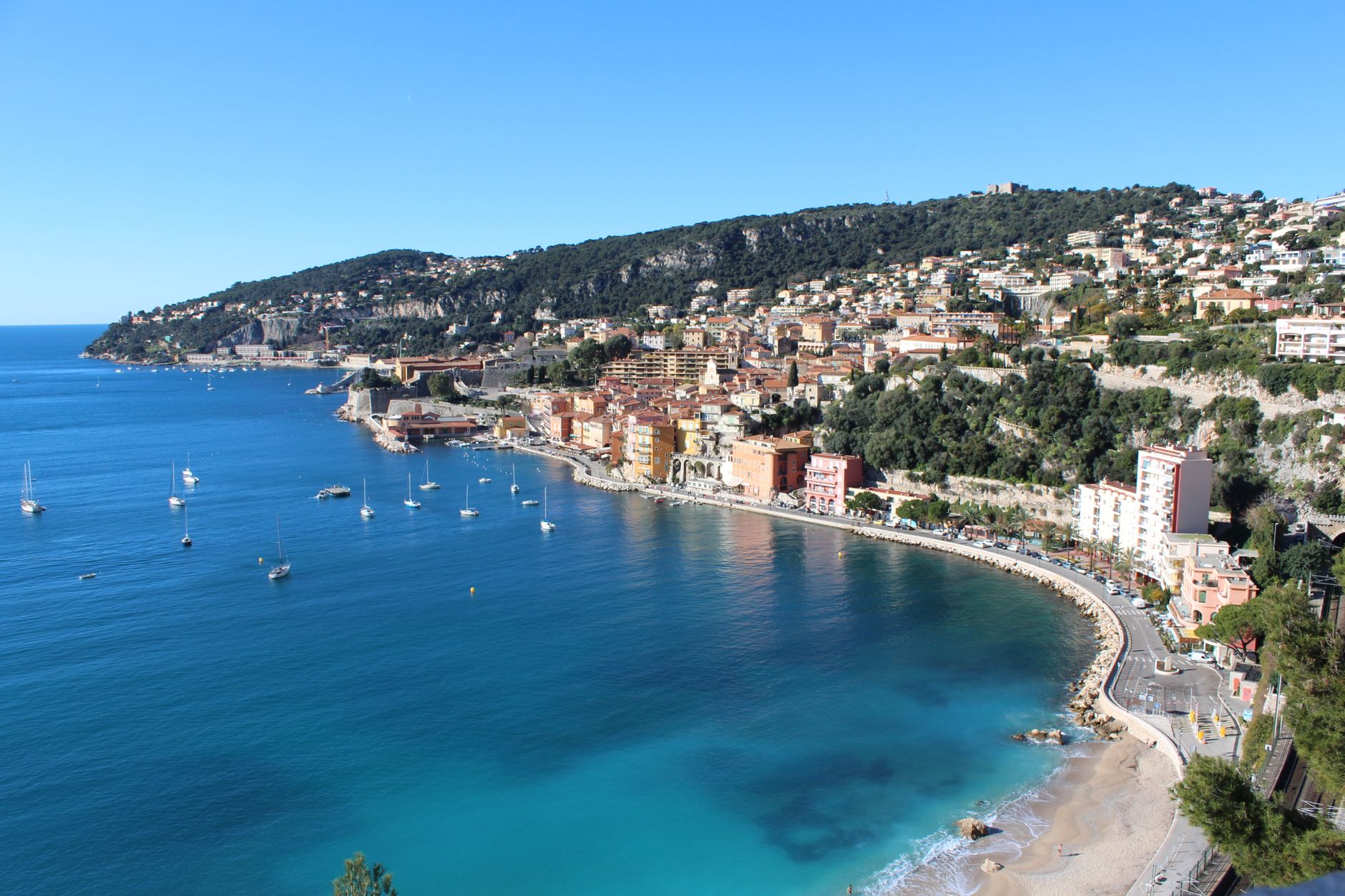
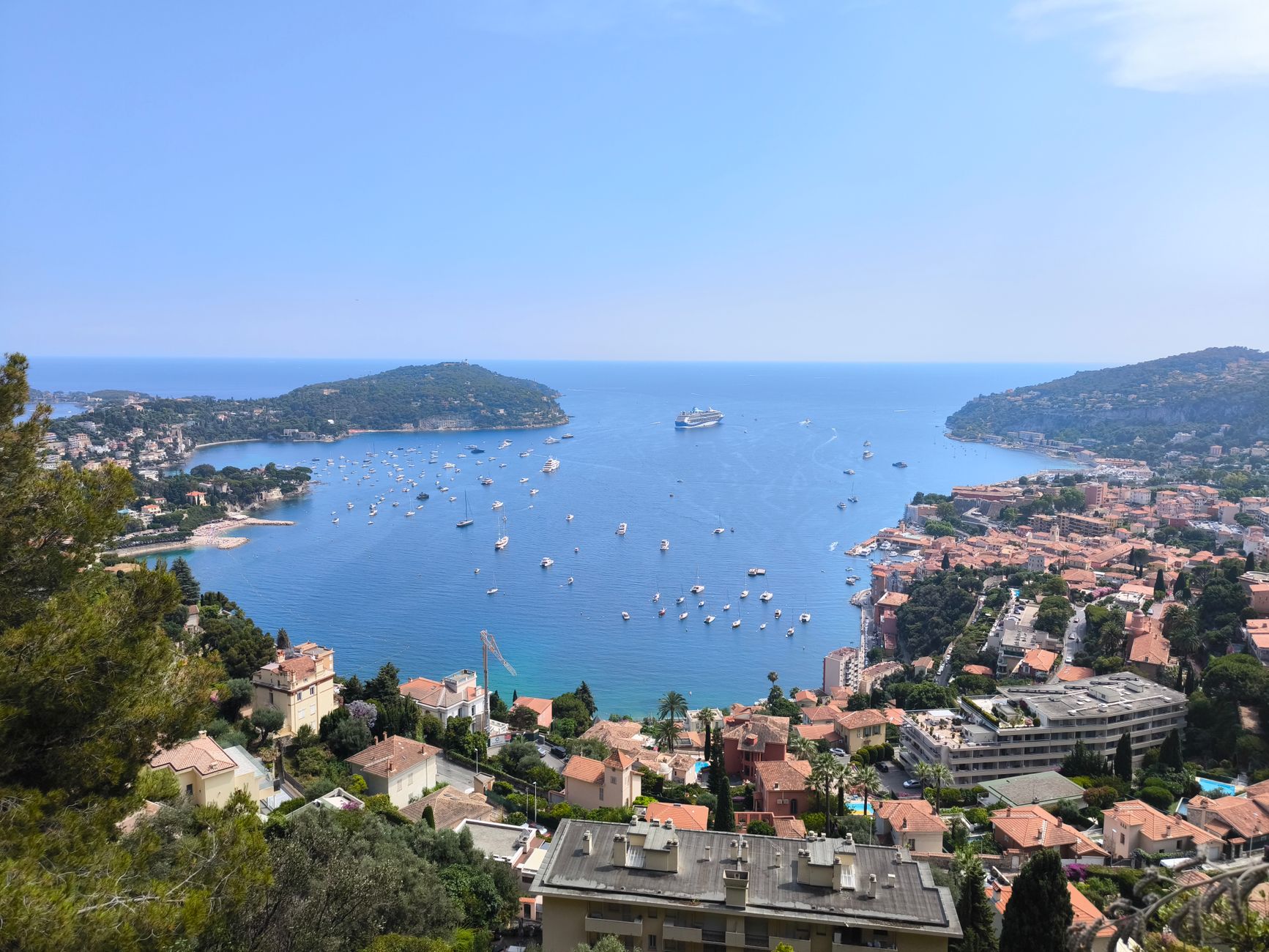
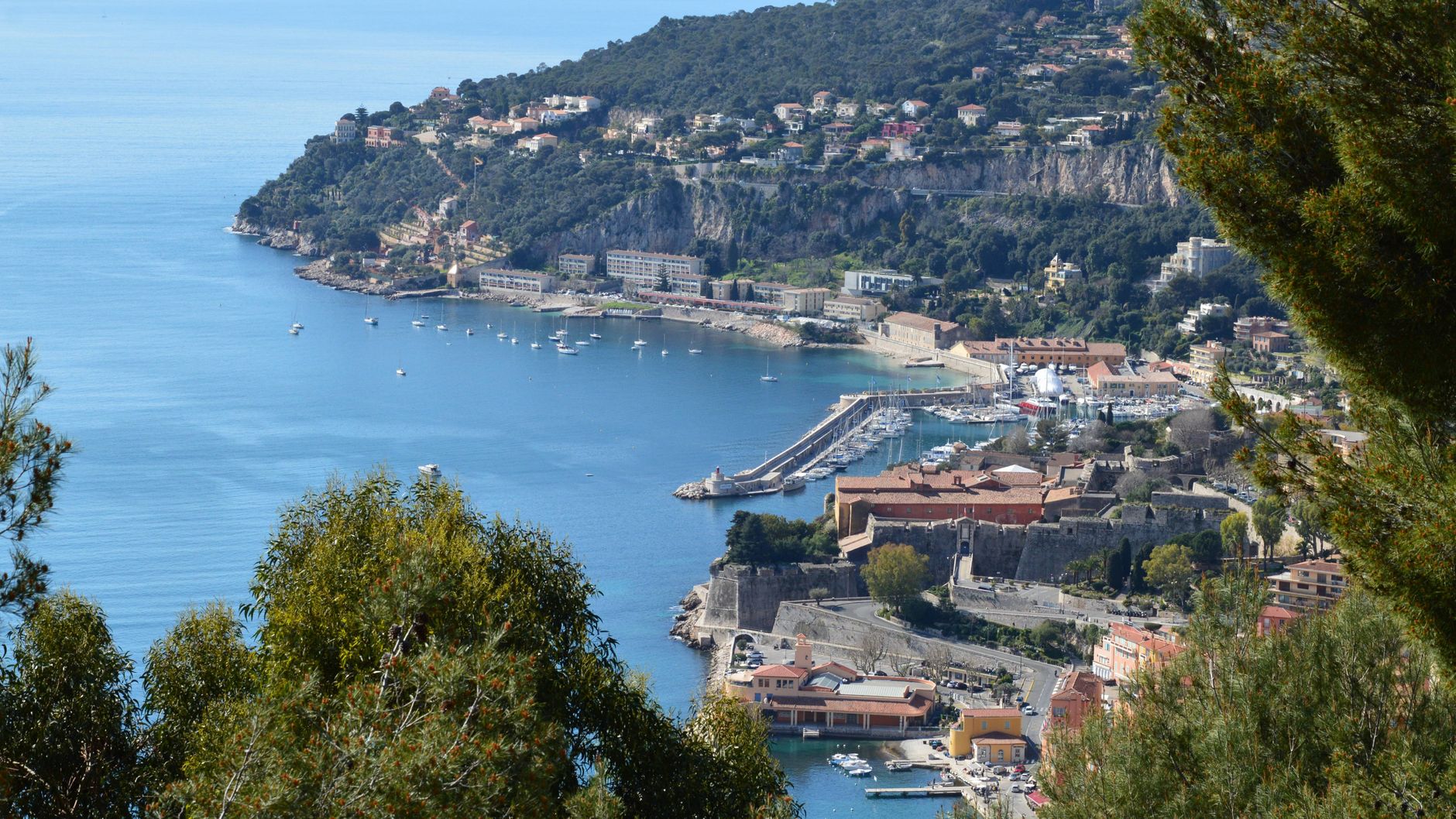
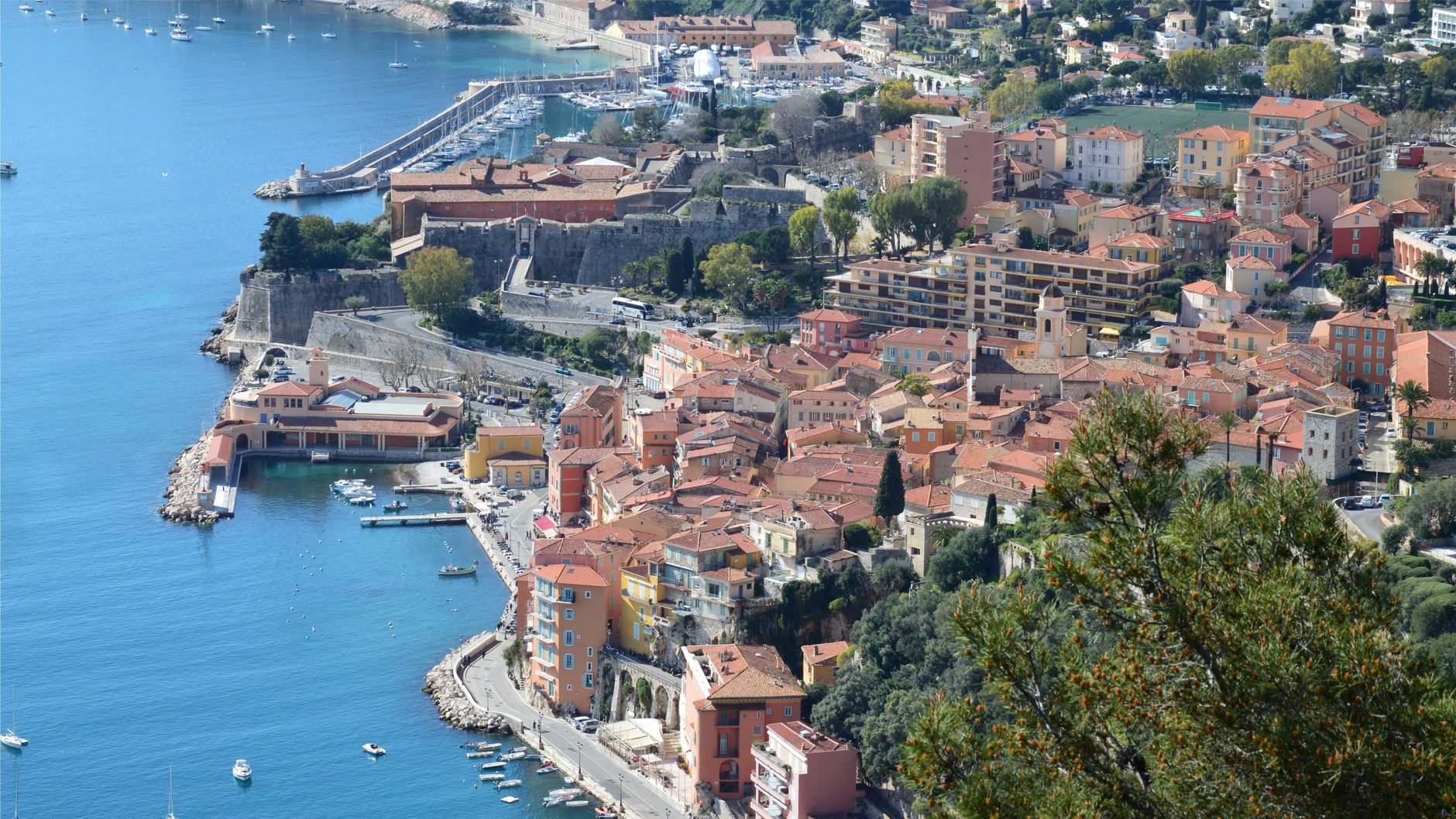
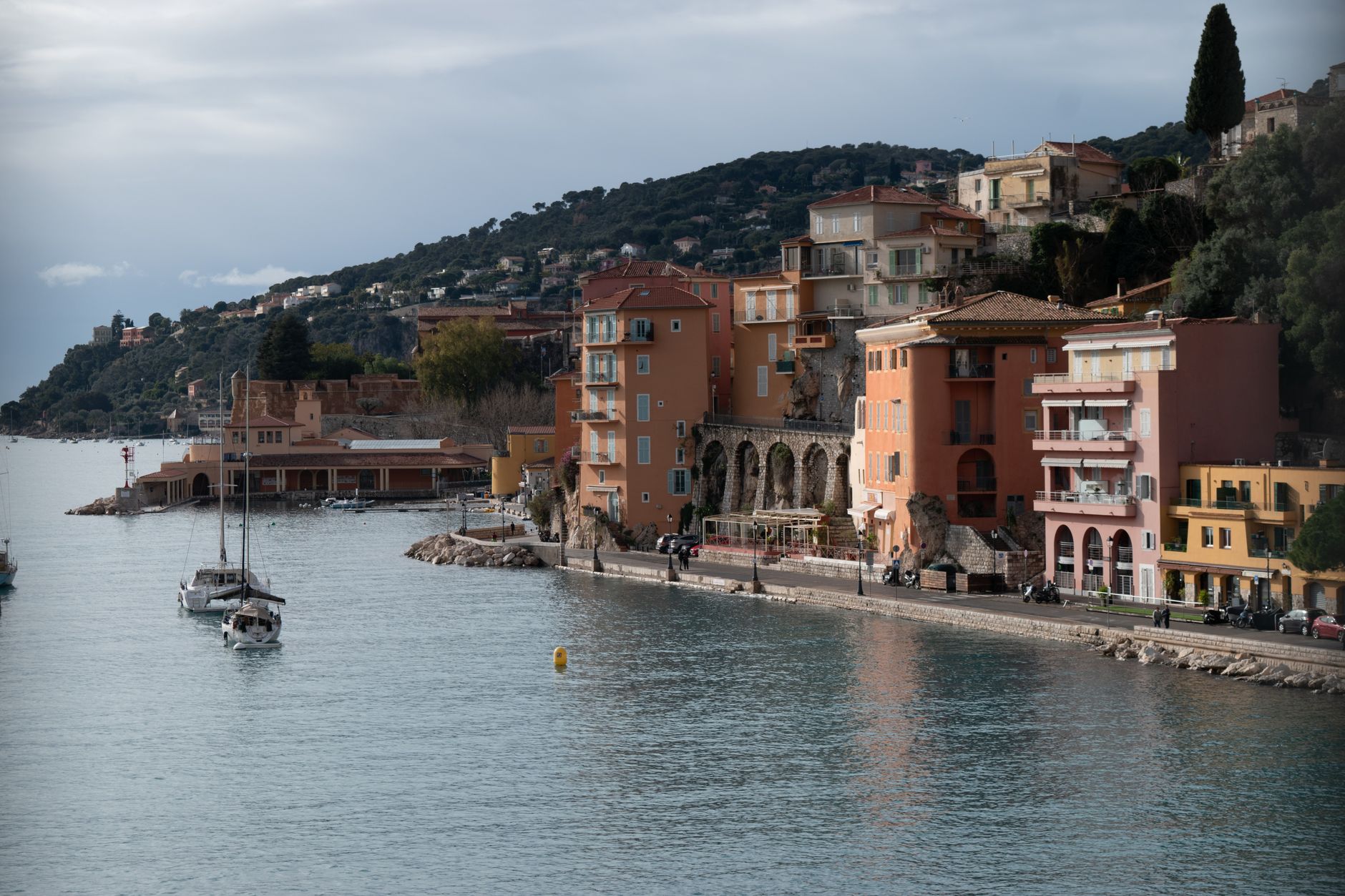
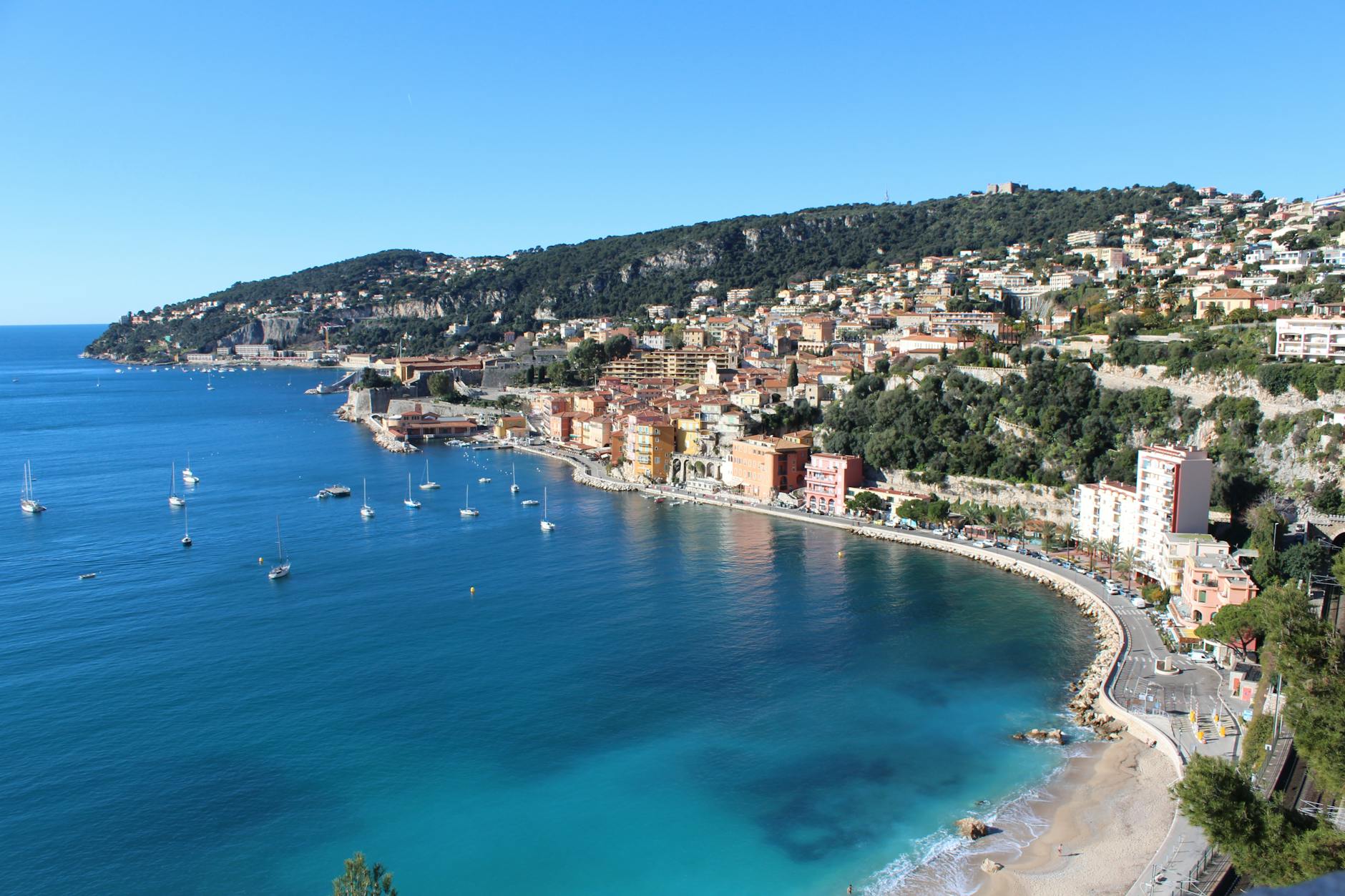
The bay at Villefranche-sur-Mer is so deep and sheltered that the Russian Imperial Navy once anchored a fleet here, and the Americans parked the Sixth Fleet for nearly two decades after that. You notice the water first — an almost implausible shade of blue-green — and then the terracotta and ochre houses stacked above it, and then, if you walk far enough along the harbour, the low entrance to Rue Obscure, a vaulted passage under those same houses that has been keeping people out of the rain since 1260.
This is a working town as much as a scenic one. Fishing boats still use La Darse, the old galley harbour built for the Duke of Savoy's navy. The chapel on the quay was decorated by Jean Cocteau in 1957 and costs a few euros to enter. The citadel up the hill is free.
💛 What travellers fall for
People who come back tend to time it for a weekday morning in May or September — the beach has room, the train from Nice takes twelve minutes, and the Chapelle Saint-Pierre is quiet enough that you can actually stand in front of Cocteau's fishing saints without anyone's phone in the frame. The €3 entry is cash only, so bring coins.
Experiences you don't want to miss



Deals in Villefranche-sur-Mer
Book directly at the providerHow Villefranche-sur-Mer came to be
Charles II of Anjou established Villefranche as a free port by charter in 1295, granting tax exemptions that drew merchants and sailors for centuries. The town passed to the Duchy of Savoy in 1388, and in 1543 Franco-Turkish forces sacked it during the siege of Nice. The response was the Citadelle Saint-Elme, ordered by Emmanuel-Philibert of Savoy and designed by Italian military engineer Gian Maria Olgiatti from 1554 onward — its angular bastions still define the headland above the bay.
Naval powers kept returning. The Russian Imperial fleet called in 1770 under Alexis Orloff. When Napoleon III annexed Nice to France in 1860, he confirmed Villefranche as a Russian naval base. A century later, the United States Sixth Fleet made it home port from 1948 to 1966. The Rolling Stones arrived in 1971, when Keith Richards rented the Belle Époque villa Nellcôte to record what became Exile on Main St.
Who and what shaped it
People who shaped it
Landmark buildings
See Villefranche-sur-Mer in motion
Plan your visit
On the map
When to go
From May through October temperatures run between roughly 19°C and 26°C — warm enough to swim, rarely oppressive. January is mild by northern European standards but genuinely cool, with highs around 9°C, so the harbour walks are pleasant and the town is almost entirely your own.
Right now
Background & history adapted from Wikipedia (CC BY-SA) · specs from Wikidata (CC0) · weather from Open-Meteo · map data © OpenStreetMap contributors · photos from Wikimedia Commons / Unsplash with per-image credit. No third-party reviews or social posts reproduced.