
Île-de-France
The green, château-dotted region with Paris at its heart.

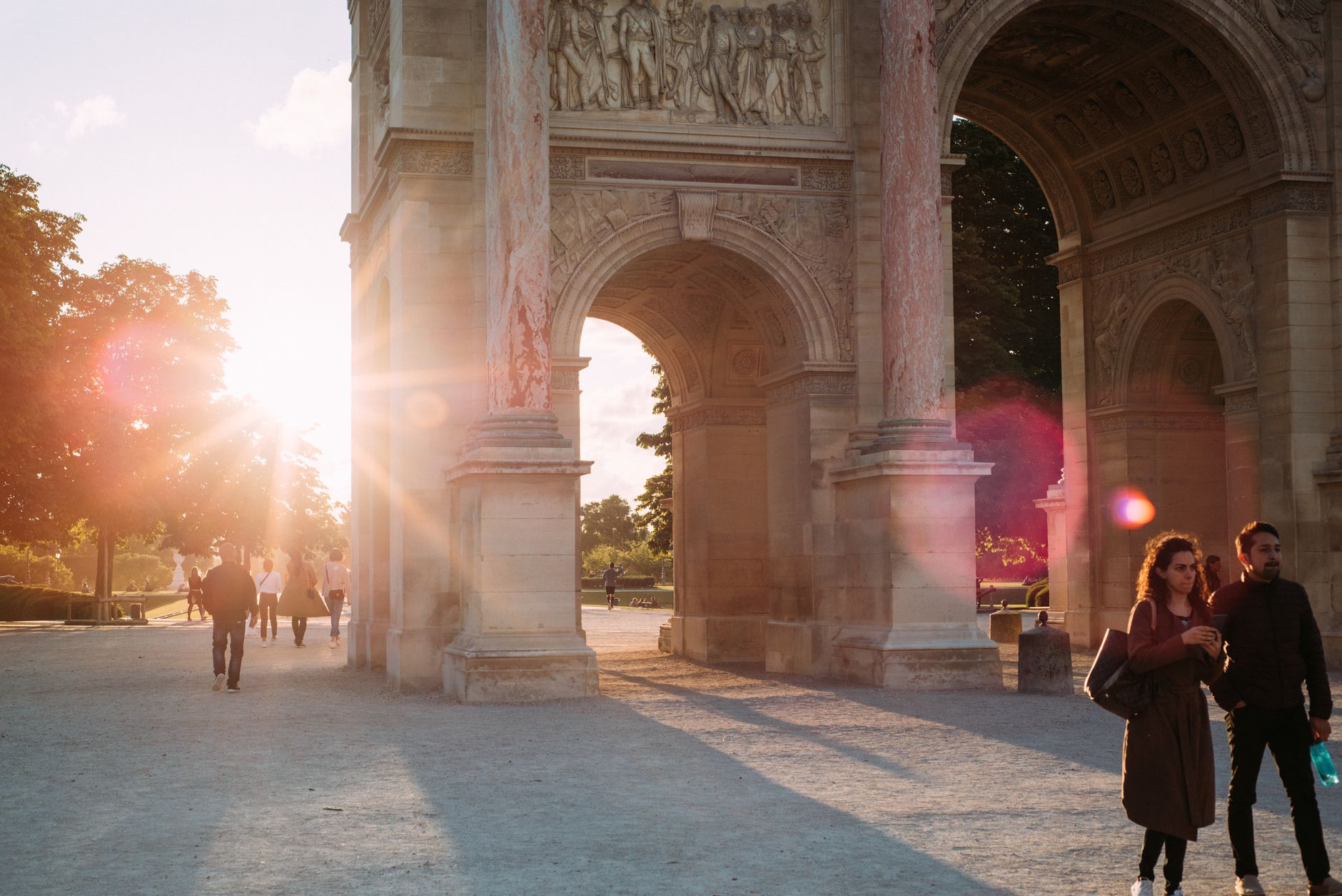
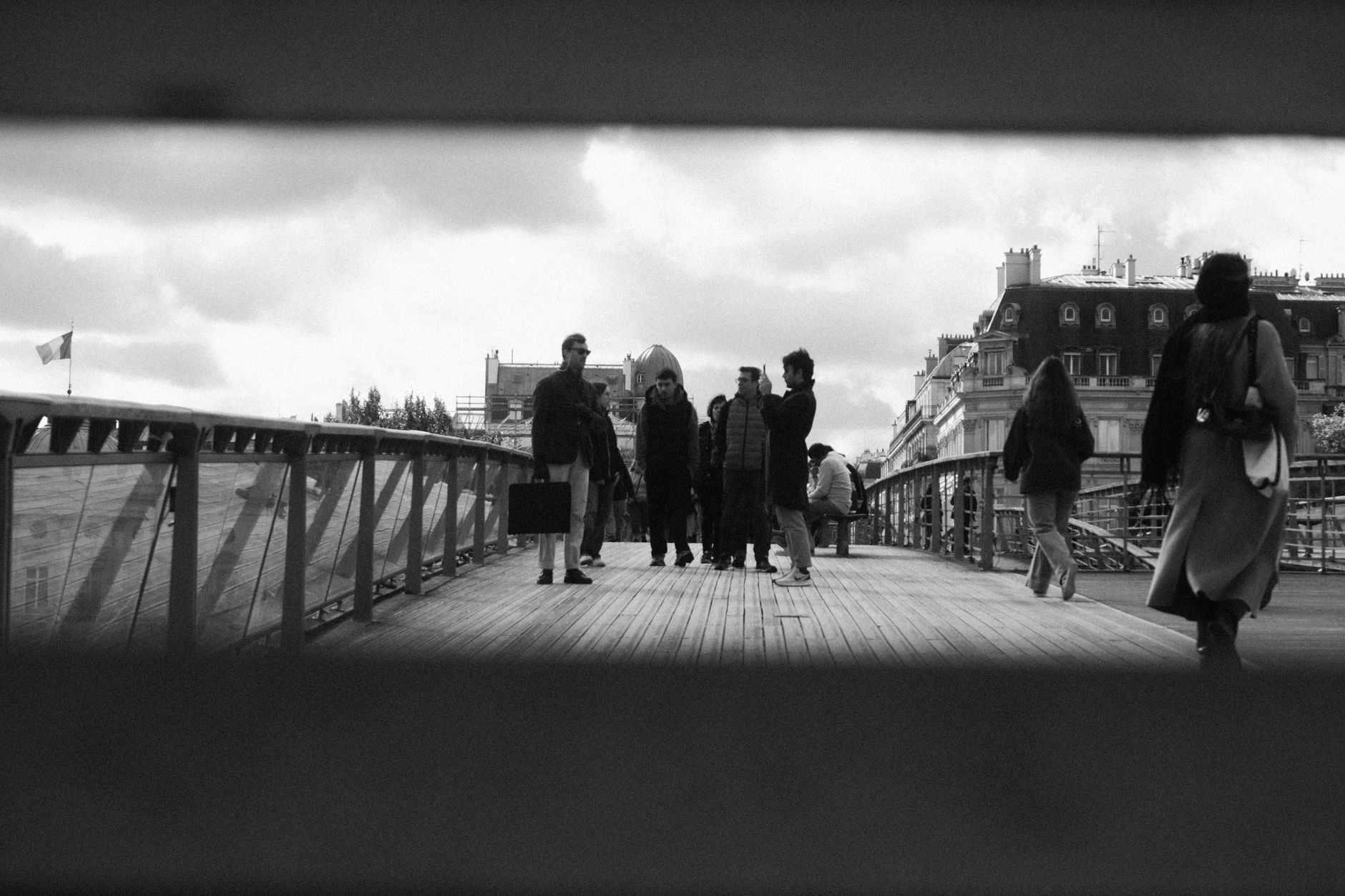
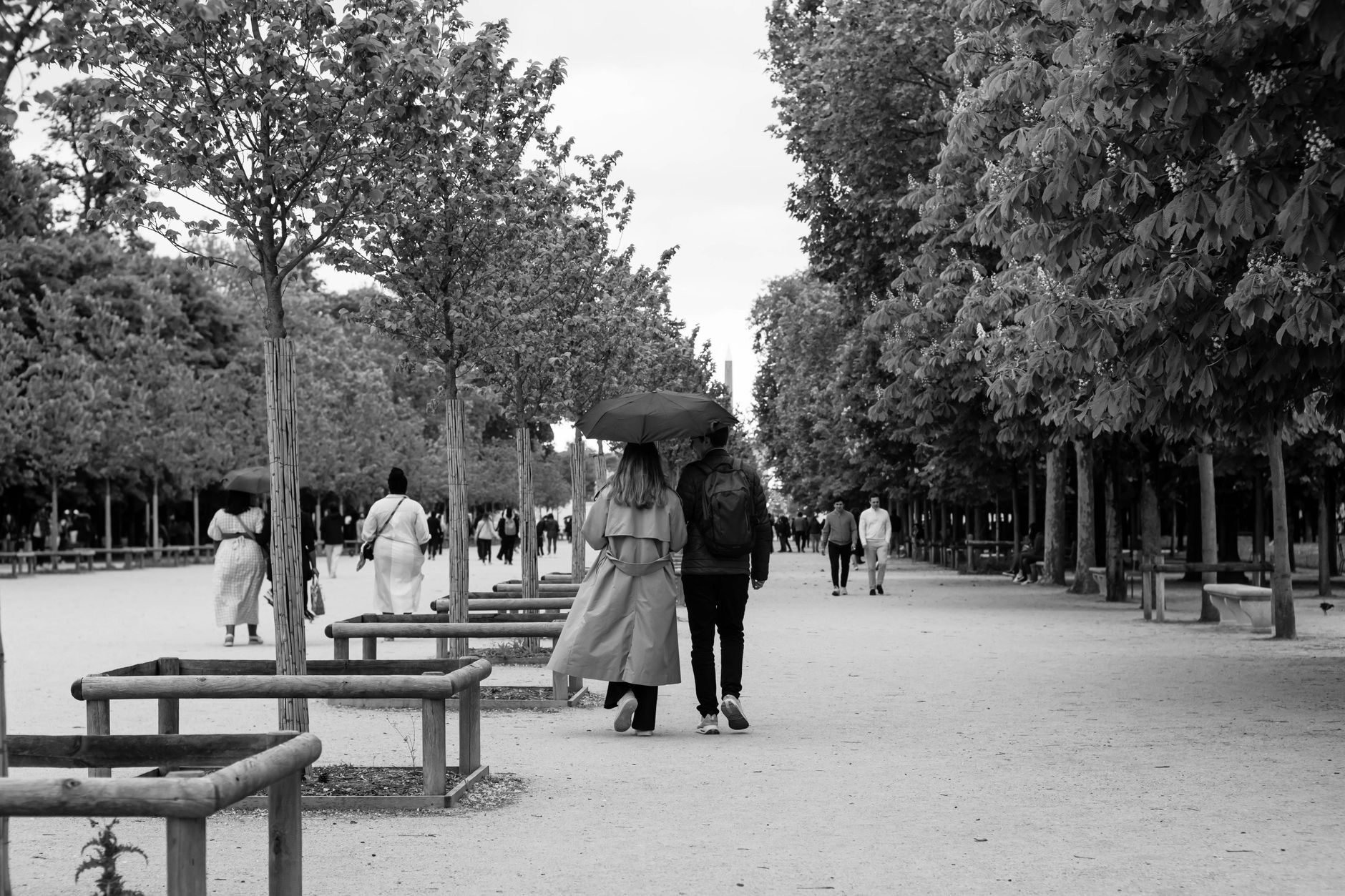
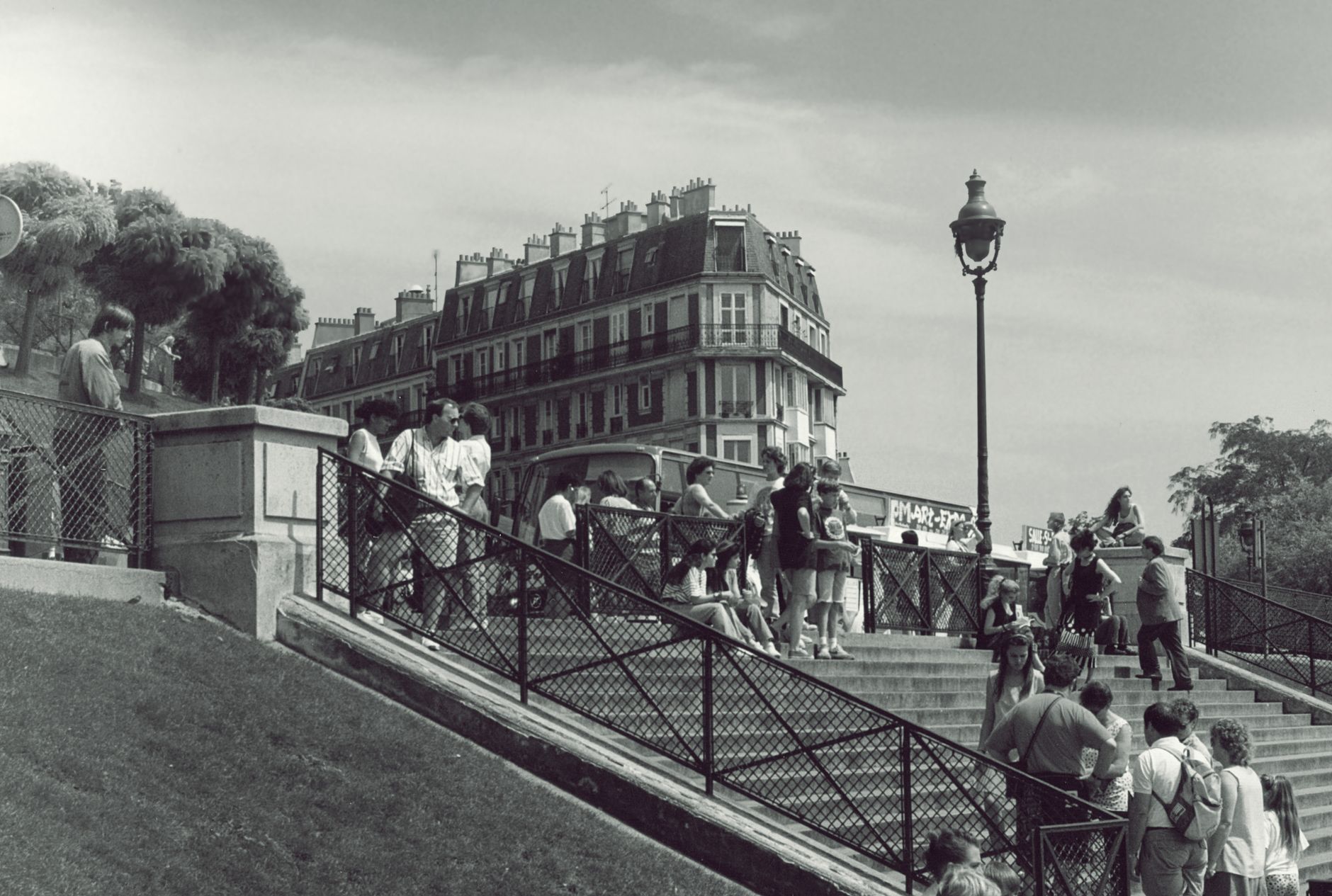

Île-de-France is where France keeps its biggest ideas — the palaces, the cathedrals, the grand civic gestures — spread across a basin of rivers, forests and wheat fields roughly the size of Wales. Paris sits at the centre, but the region extends well beyond it: to Versailles, where Louis XIV moved the entire French government into a palace and its gardens; to Saint-Denis, where the gothic style was essentially invented and where 43 French monarchs are buried; to Fontainebleau, where the forest still swallows you whole.
The infrastructure is extraordinary. One transit pass covers the metro, the RER express trains, the buses, the trams and the commuter lines that reach every corner of the region. You can be at Versailles in under an hour from central Paris without a car, which changes what a day here can look like.
Experiences you don't want to miss



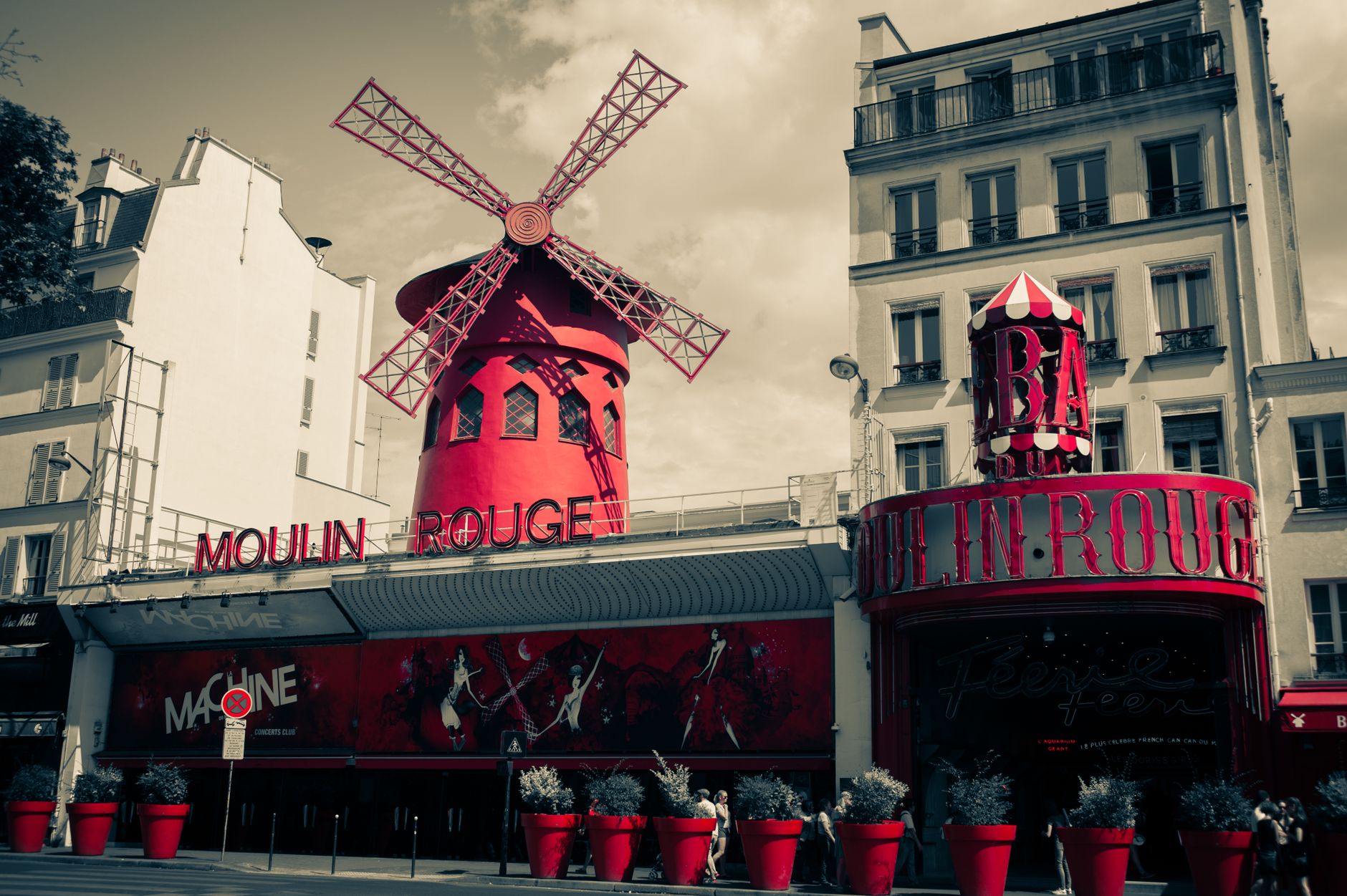


How Île-de-France came to be
The Parisii, a Celtic trading people, settled along the Seine around the 3rd century BCE. Rome took the settlement — then called Lutetia — in 52 BCE, and it grew into a prosperous Gallo-Roman city. The name 'Isle de France' appears in records as early as 1387, designating certain territories of the French crown.
The region's modern shape came later. In 987, Hugh Capet, Count of Paris, became king of France, and his Capetian successors cemented Paris as the national capital. The administrative region itself was created in 1961 and renamed Île-de-France in 1976 — a choice personally insisted upon by President Valéry Giscard d'Estaing, who preferred the historic resonance over the blander 'Région Parisienne'. The first direct election of its regional council took place on 16 March 1986.
Who and what shaped it
People who shaped it
Landmark buildings
Plan your visit
On the map
When to go
Summers are warm and long-dayed, ideal for the region's parks and palace gardens, though July and August bring crowds to match. Spring and September offer the most comfortable temperatures with thinner crowds; winters are grey and damp but rarely severe, and the major indoor sites are quieter for it.
↡ Cities
No places match these filters.
Background & history adapted from Wikipedia (CC BY-SA) · specs from Wikidata (CC0) · weather from Open-Meteo · map data © OpenStreetMap contributors · photos from Wikimedia Commons / Unsplash with per-image credit. No third-party reviews or social posts reproduced.