
Paris
The city that turned everyday life into an art form.
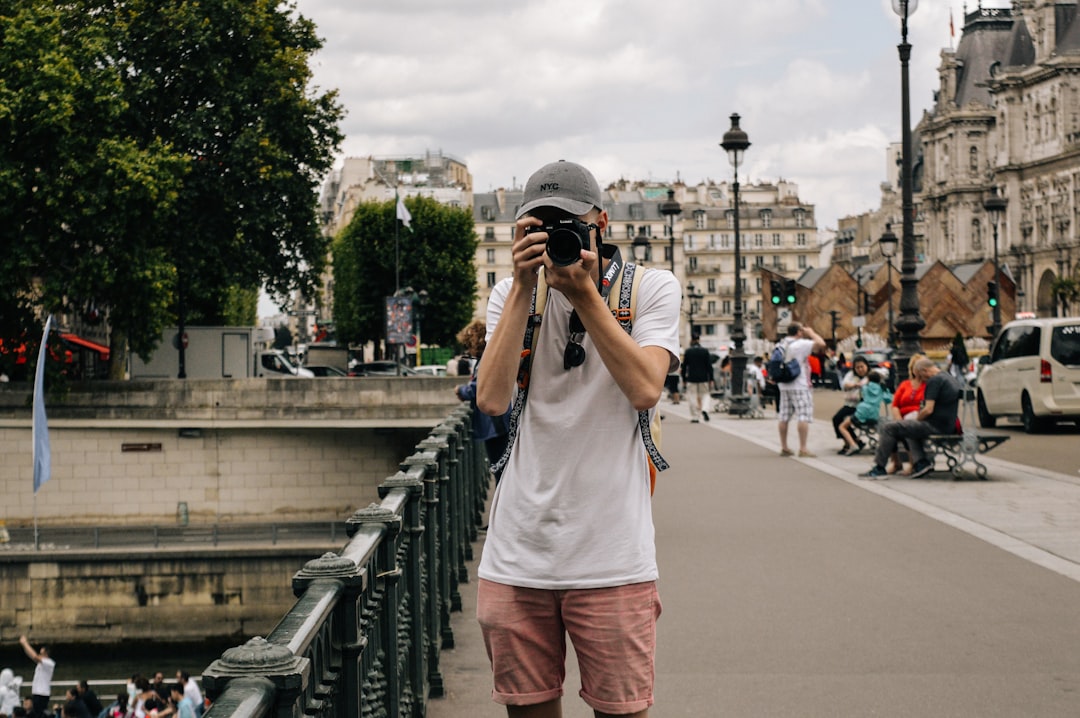
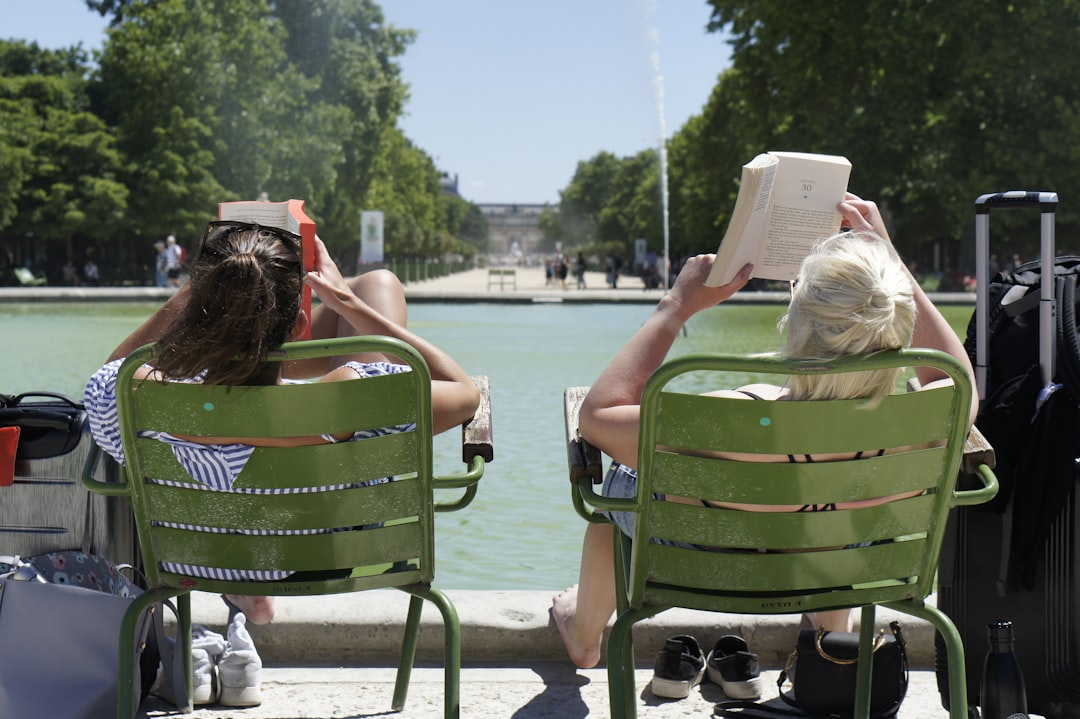
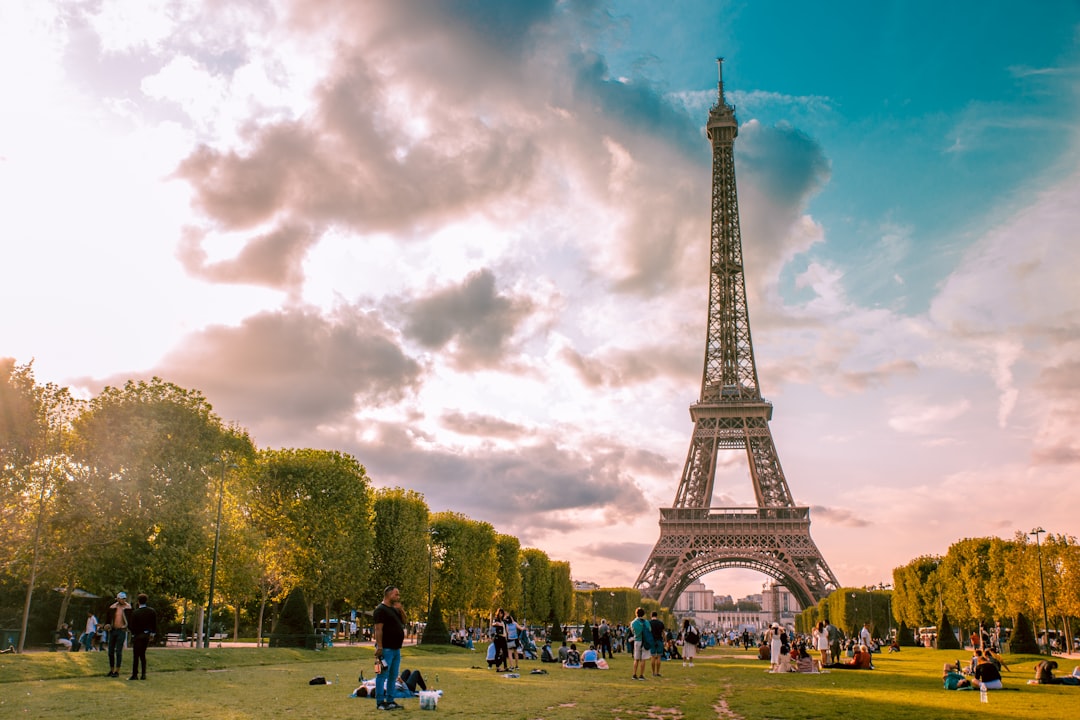
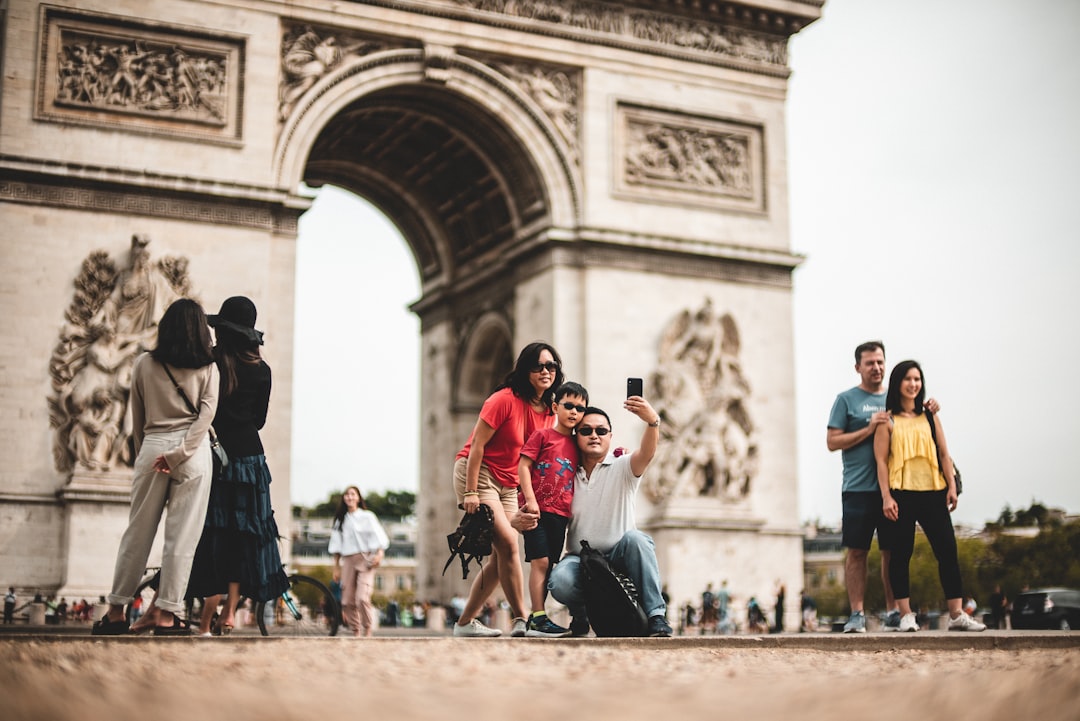
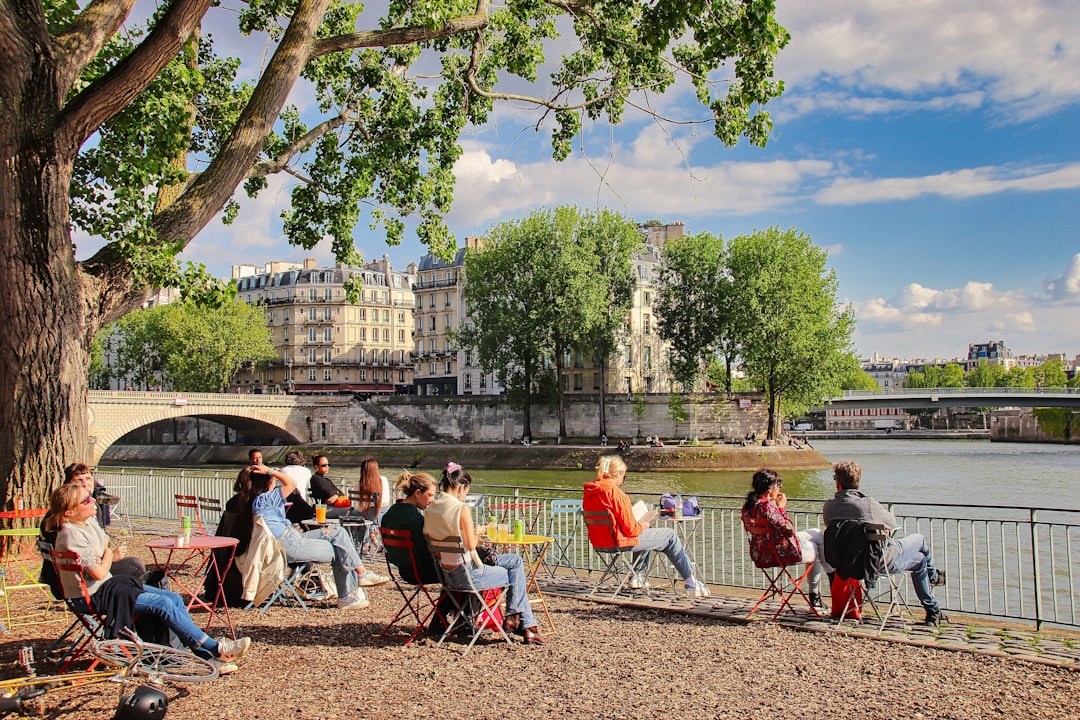
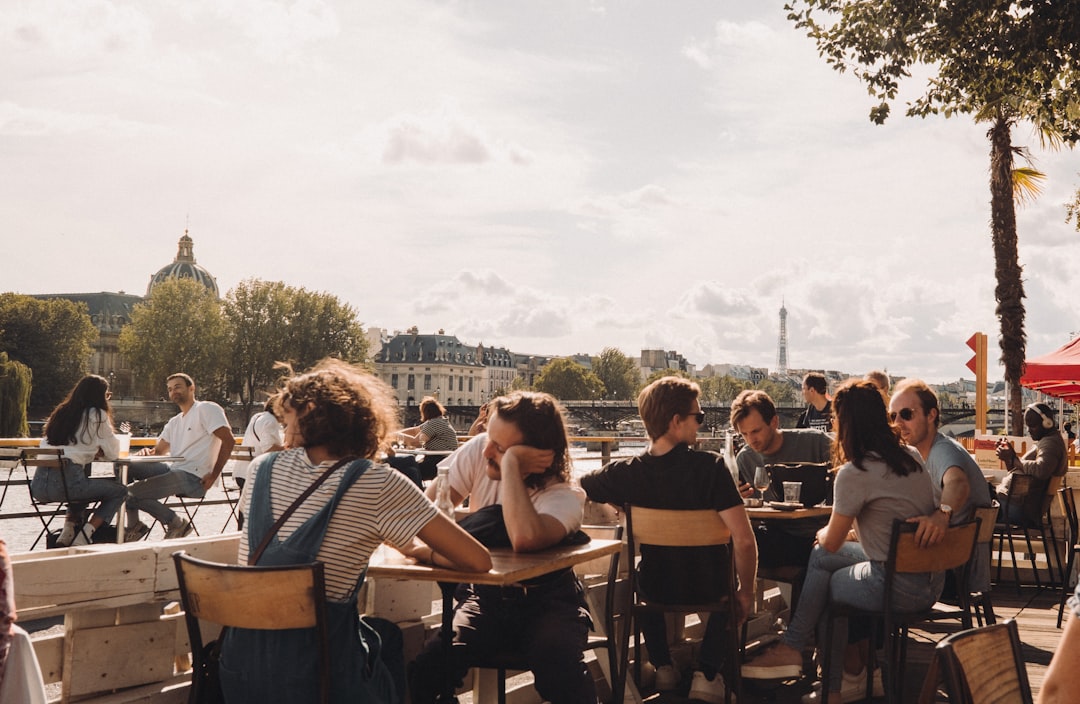
Paris doesn't demand your attention — it earns it, street by street. Morning light spills across café terraces where an espresso is less a drink than a small ceremony. By afternoon you're drifting along the Seine, past bouquinistes and bridges, with no particular plan and no need for one. Twenty arrondissements spiral out from the river, each with its own temperament, all close enough to cross on foot.
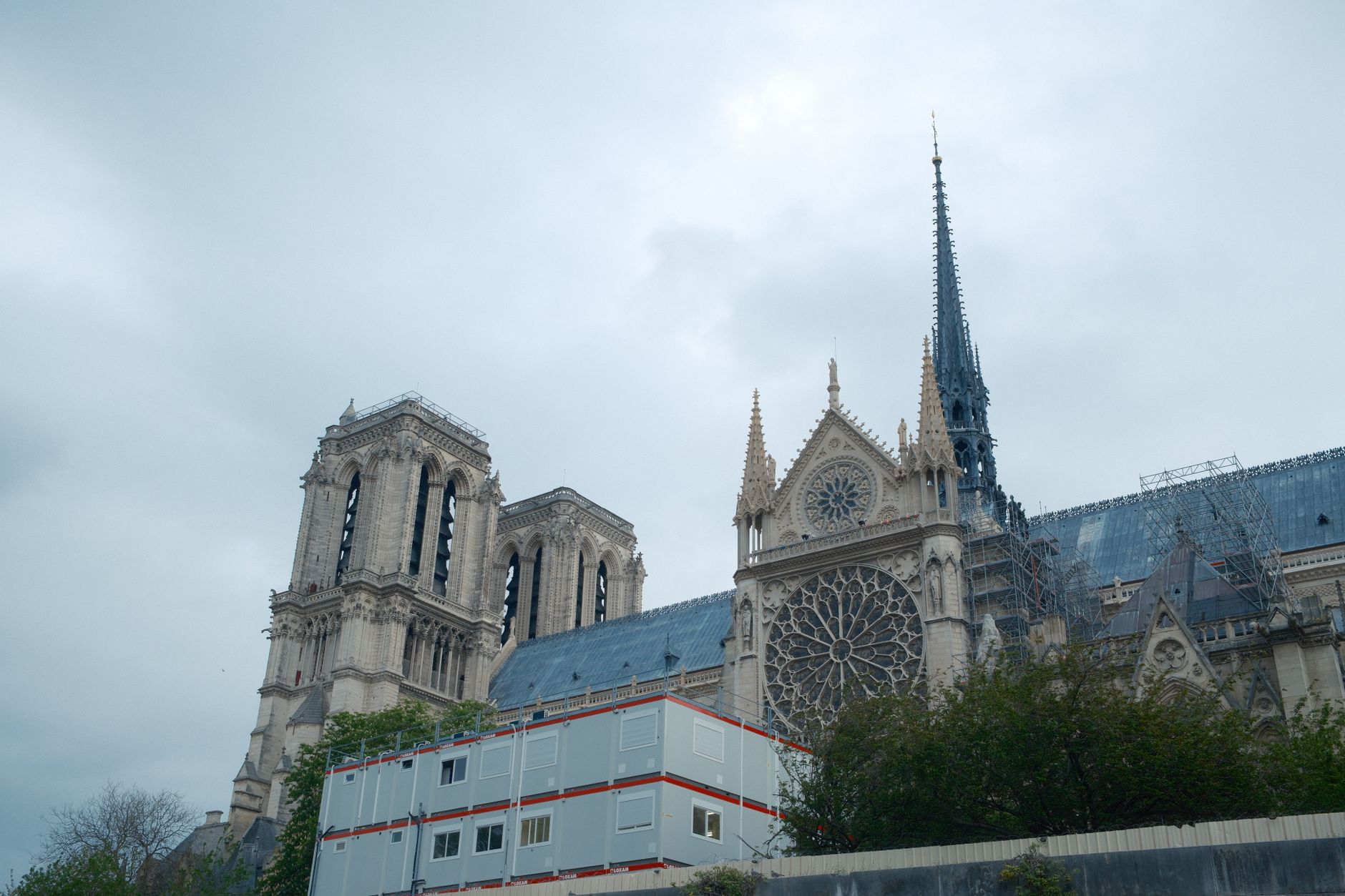
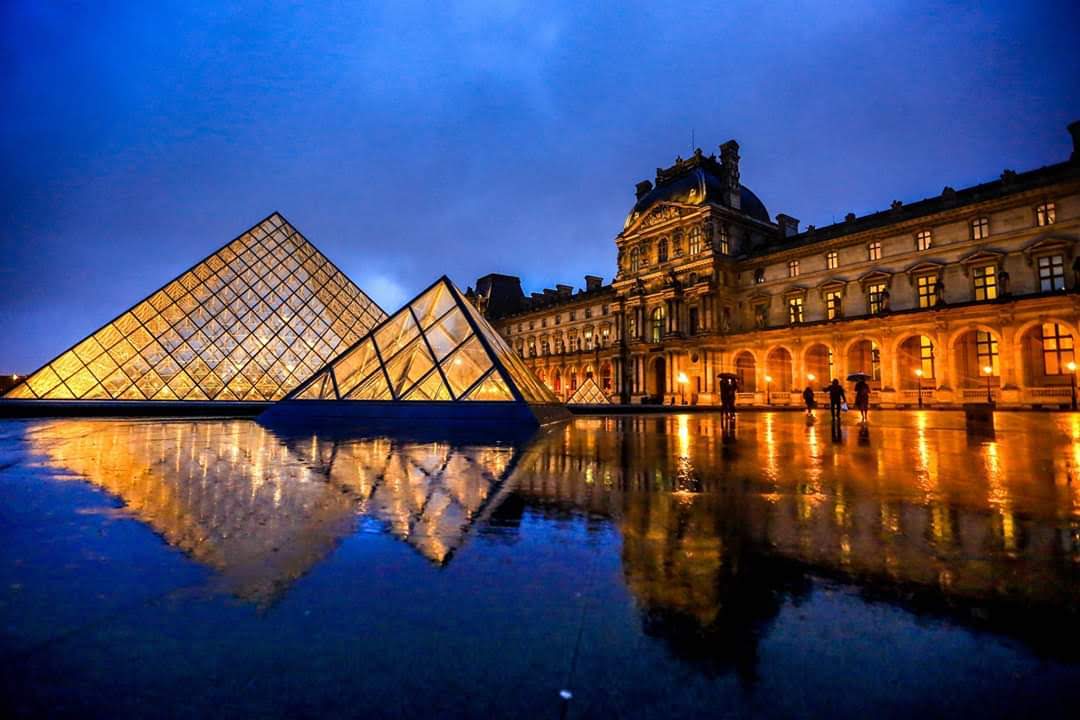
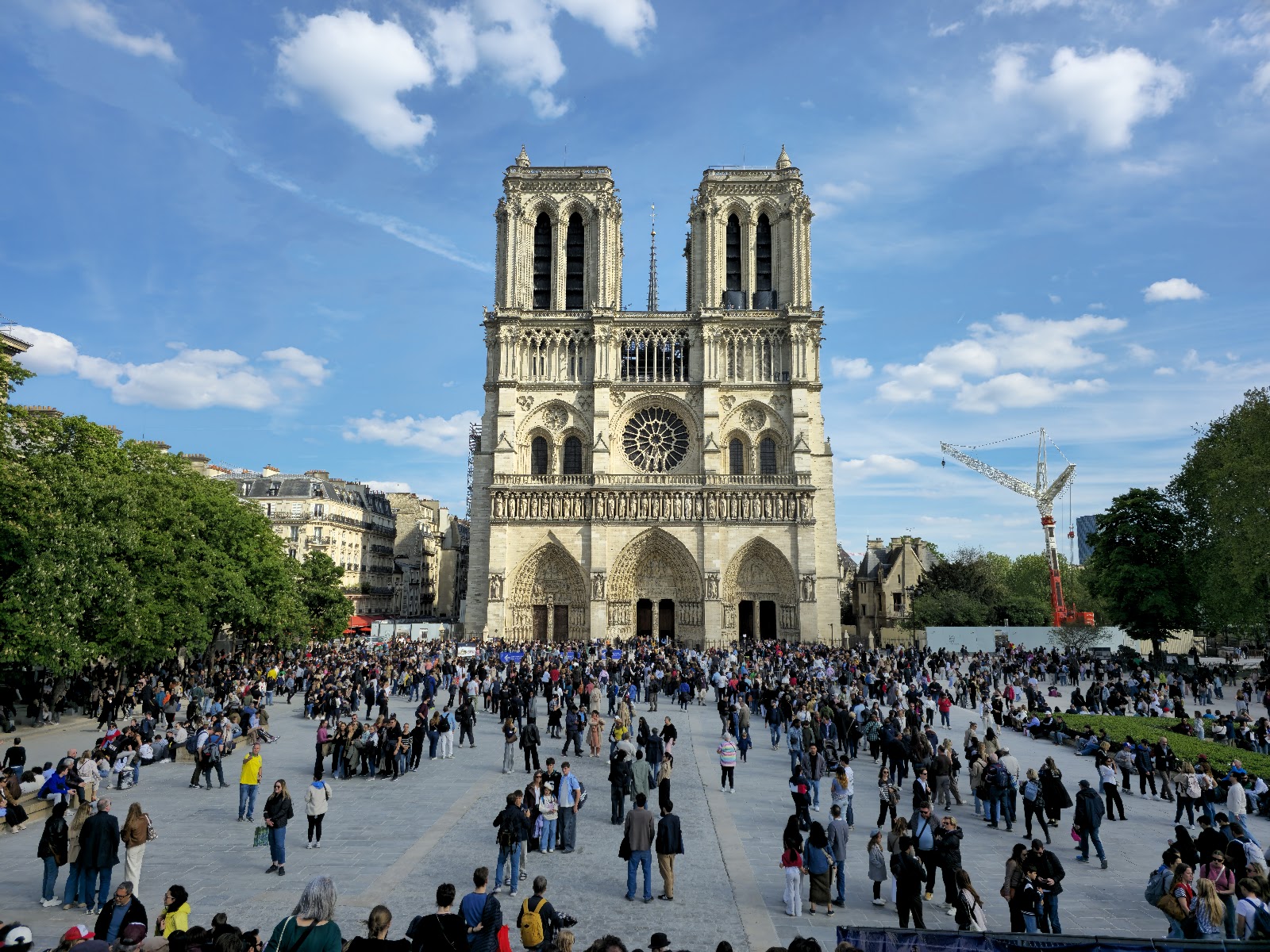
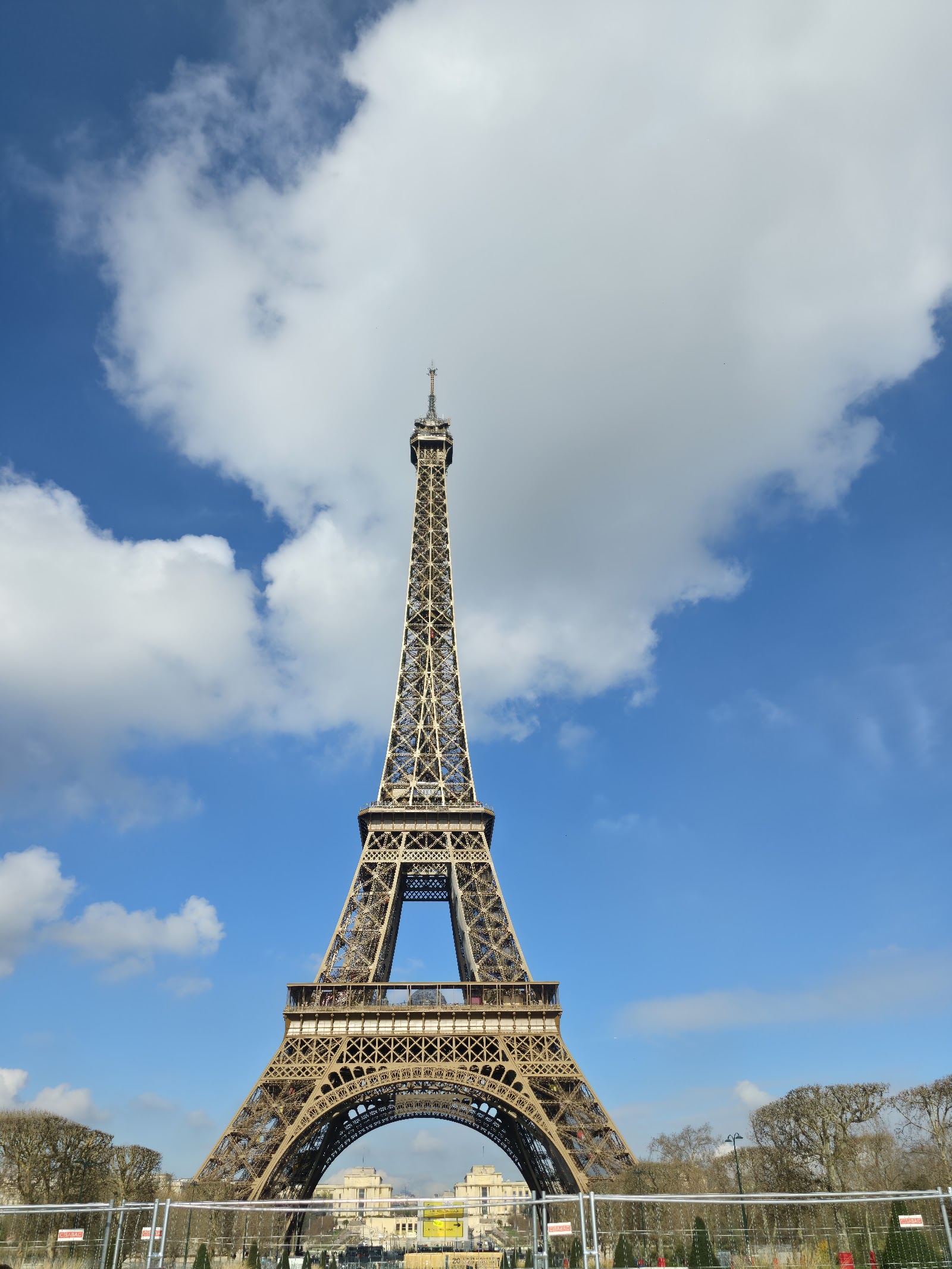
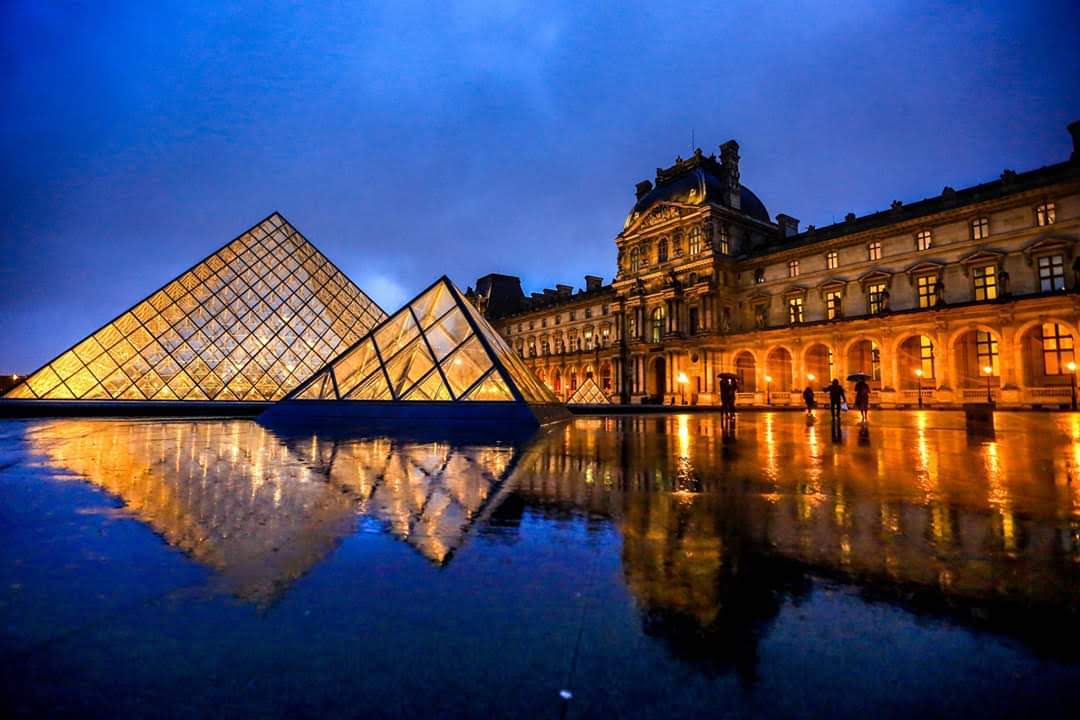
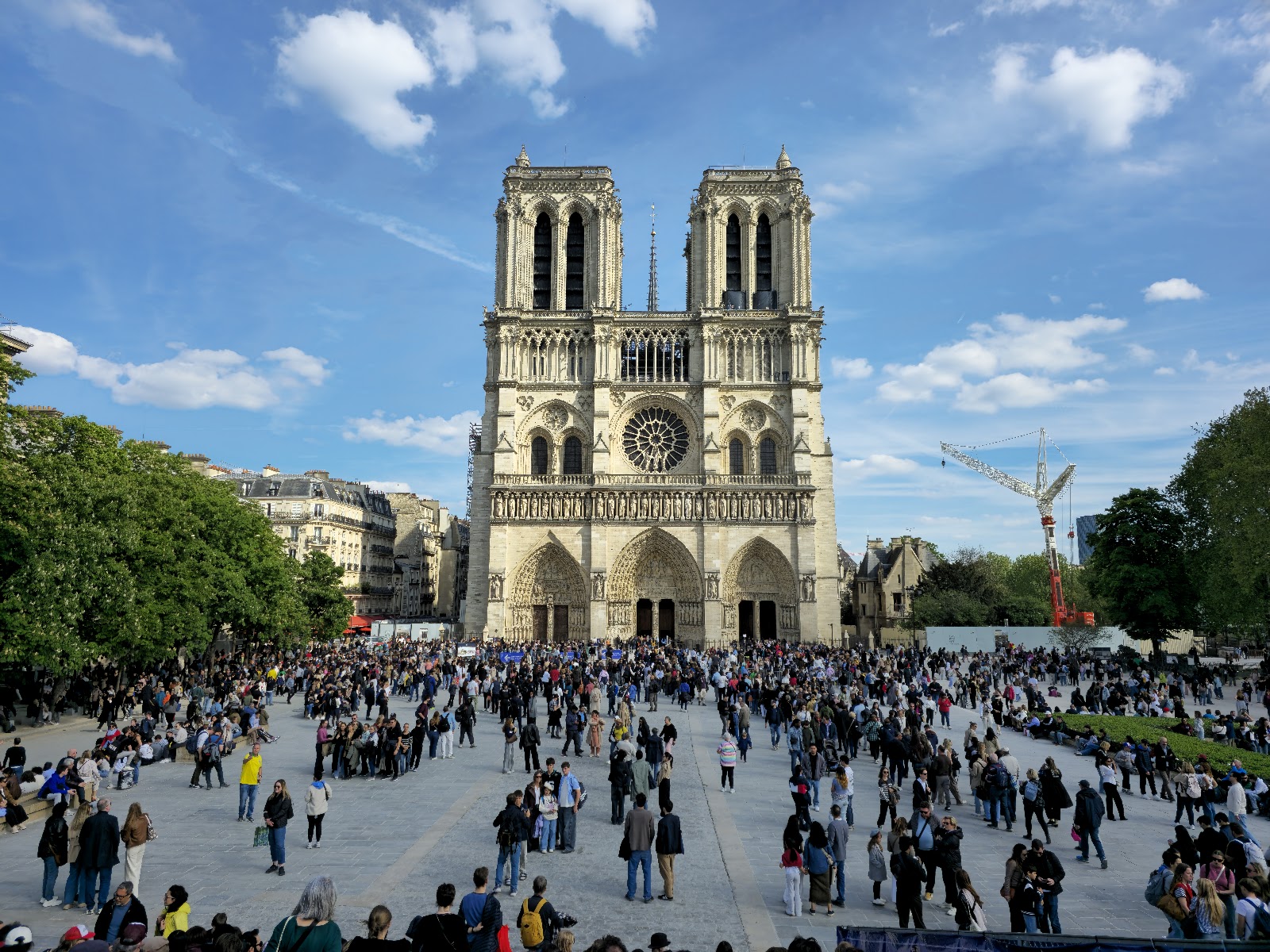
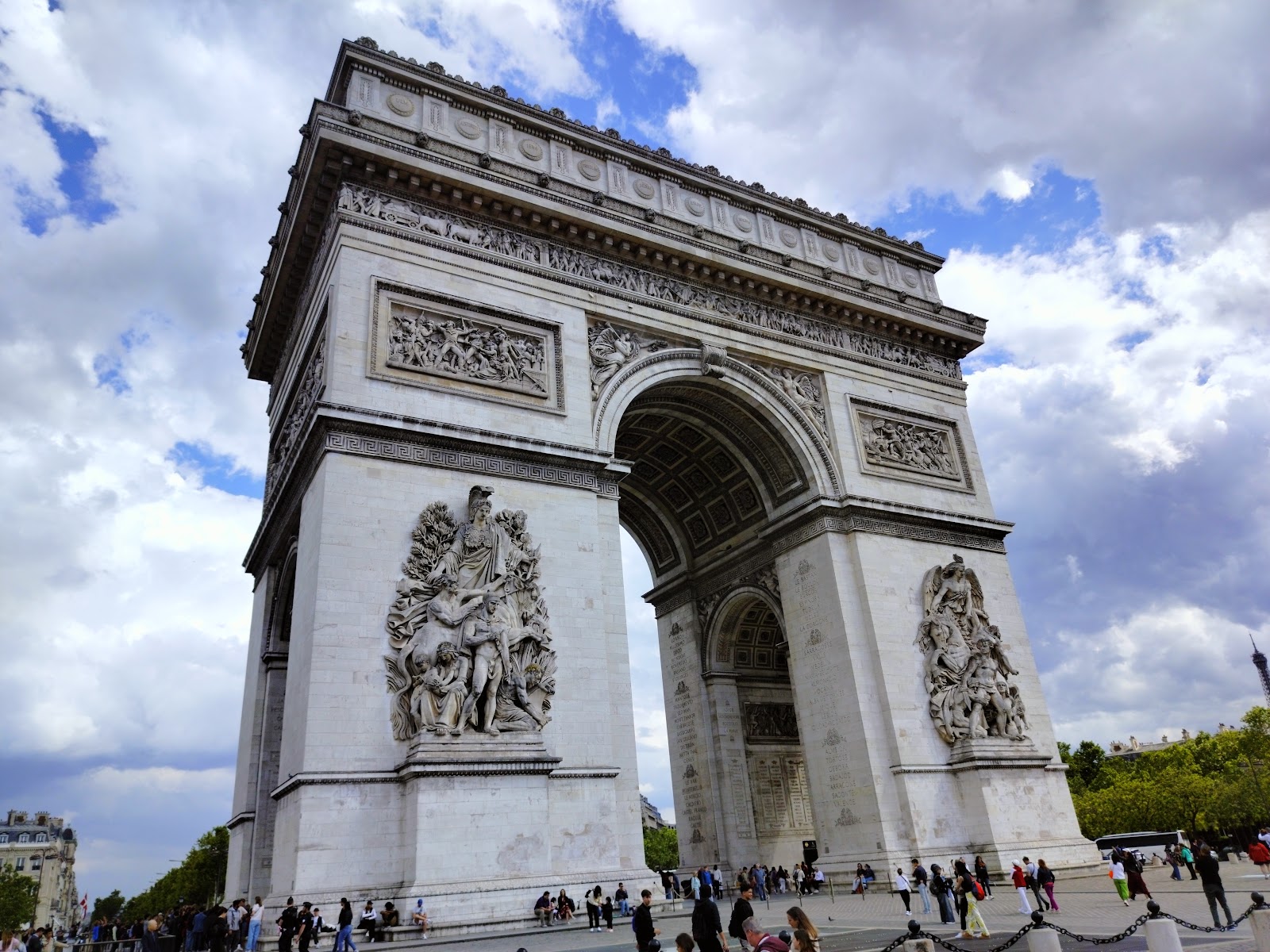
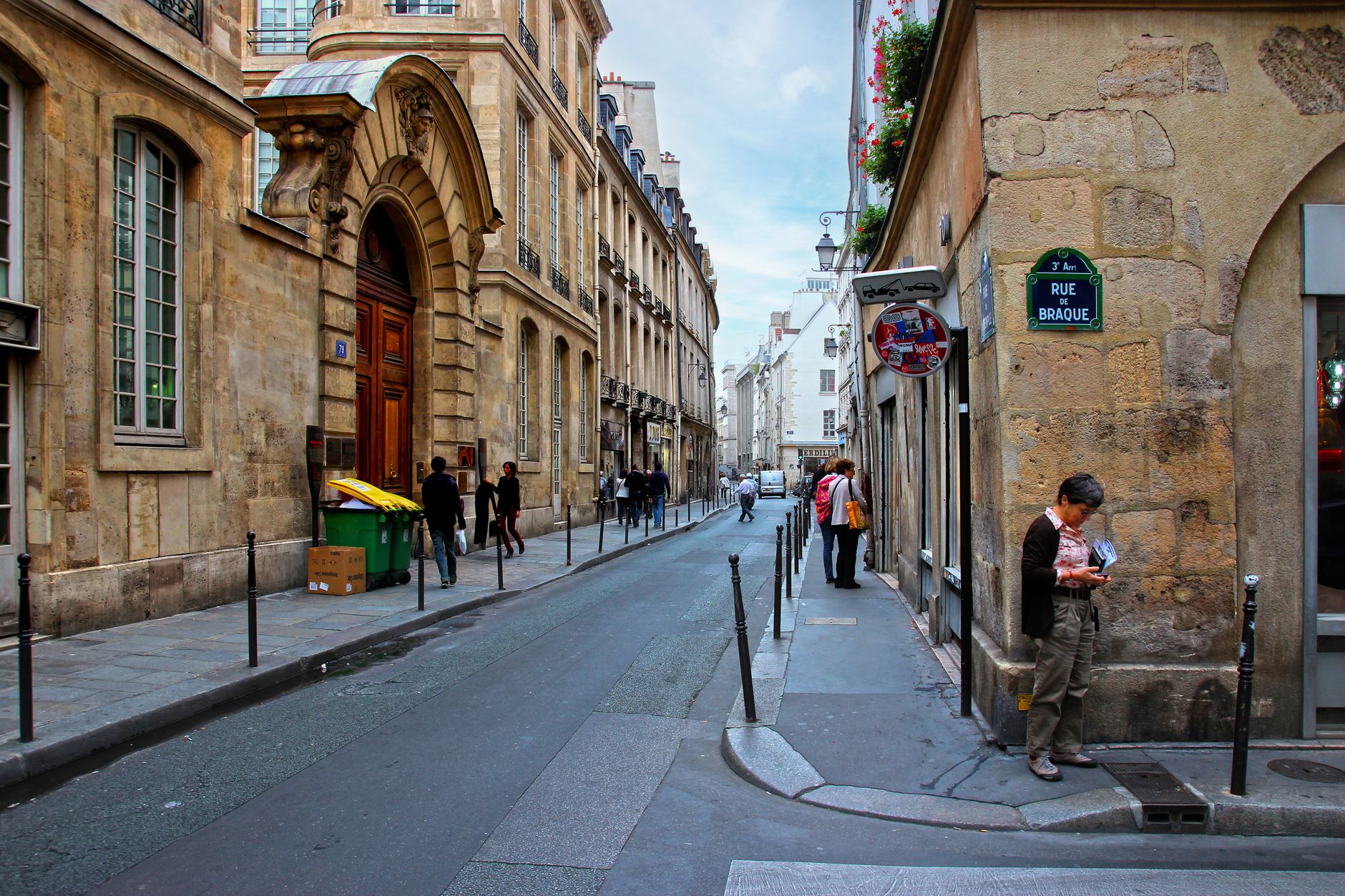
You know the icons — the Eiffel Tower, the Louvre, Notre-Dame back on her feet since 2024. But Paris keeps its quieter pleasures for those who slow down: a hidden courtyard in Le Marais, the Monet light at the Musée Marmottan, a picnic under the planes of the Bois de Vincennes. Come for the postcard; stay for the bookshops and the long Parisian art of doing very little, beautifully.
💛 What travellers fall for
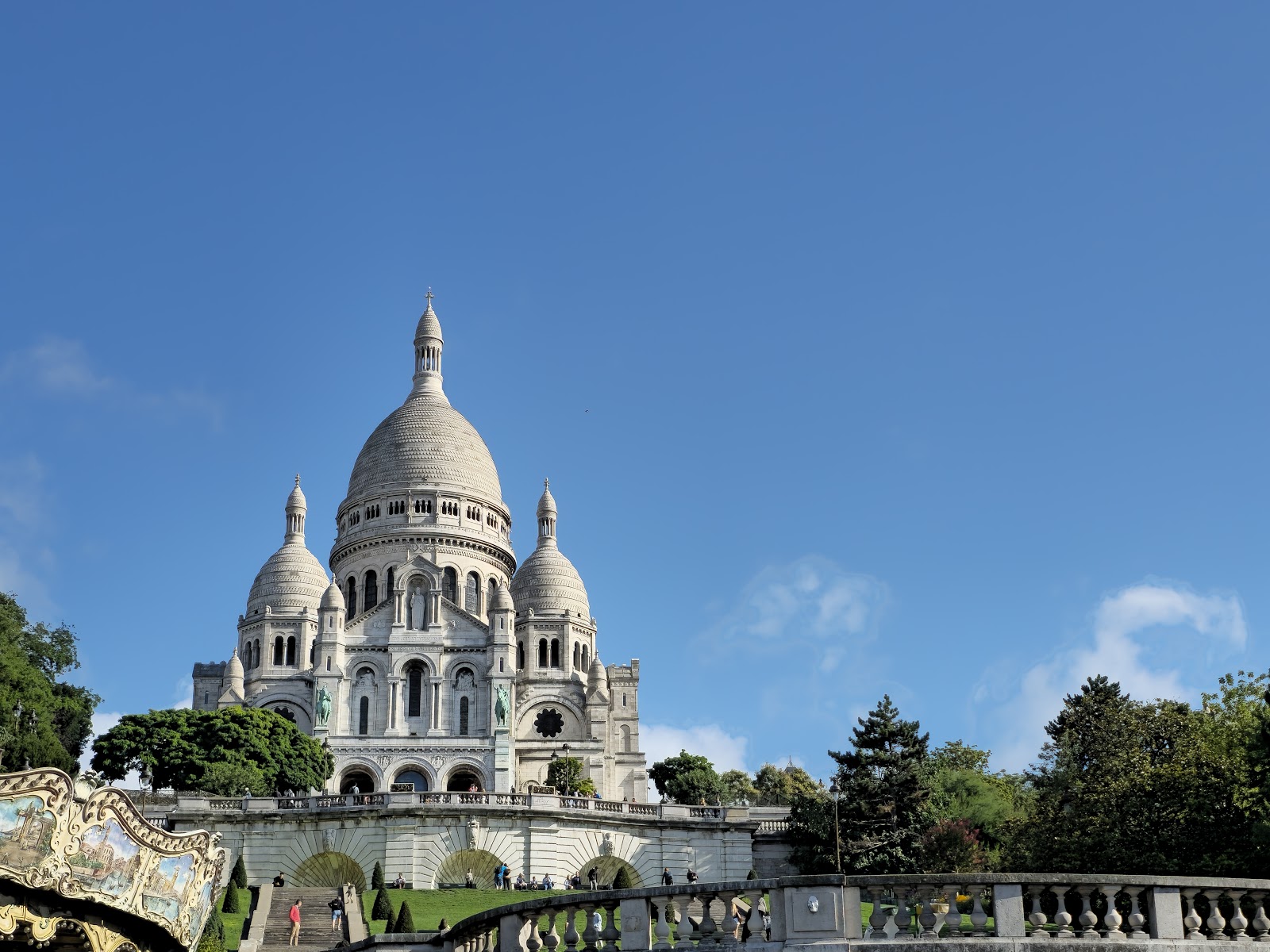
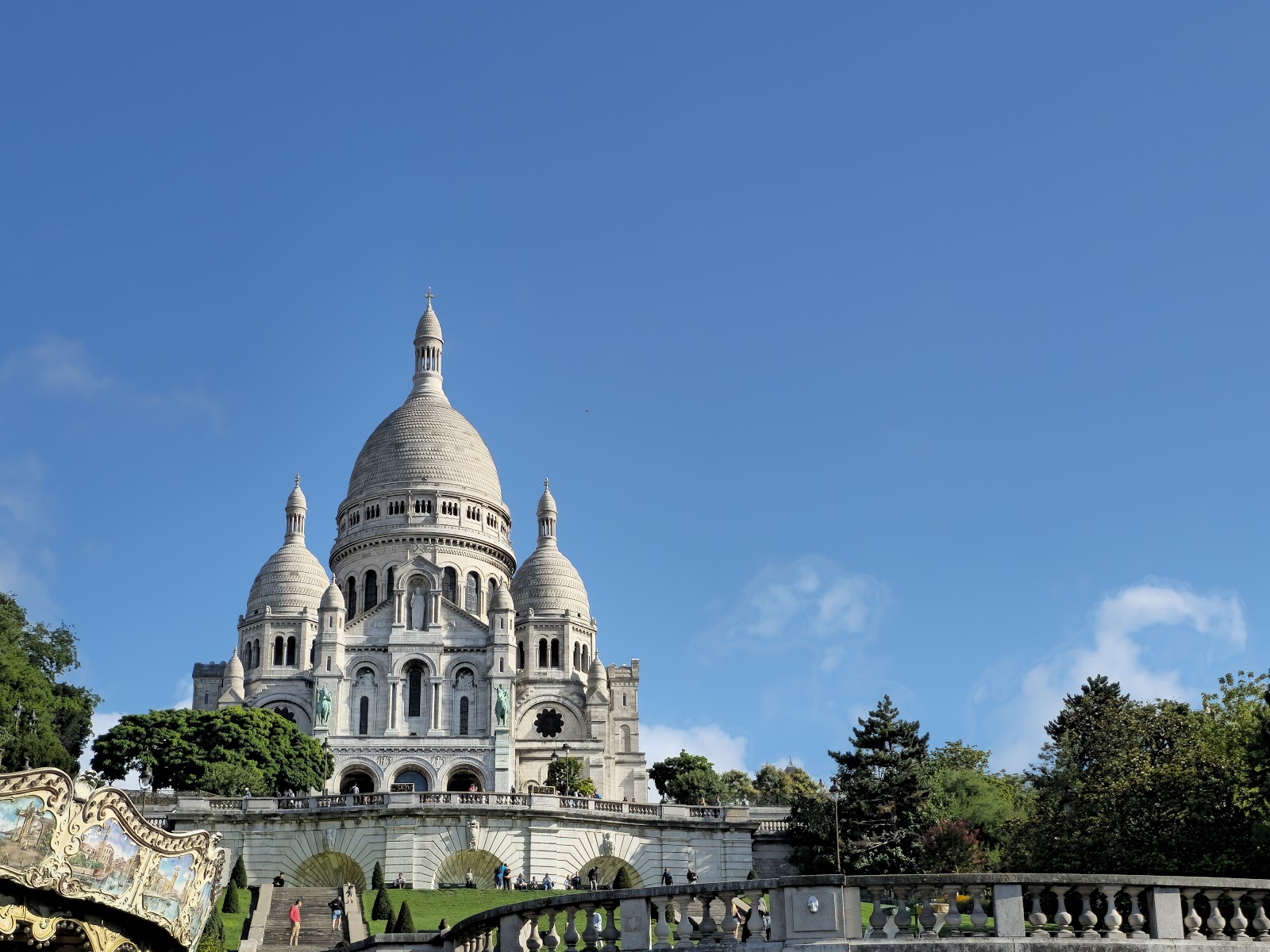
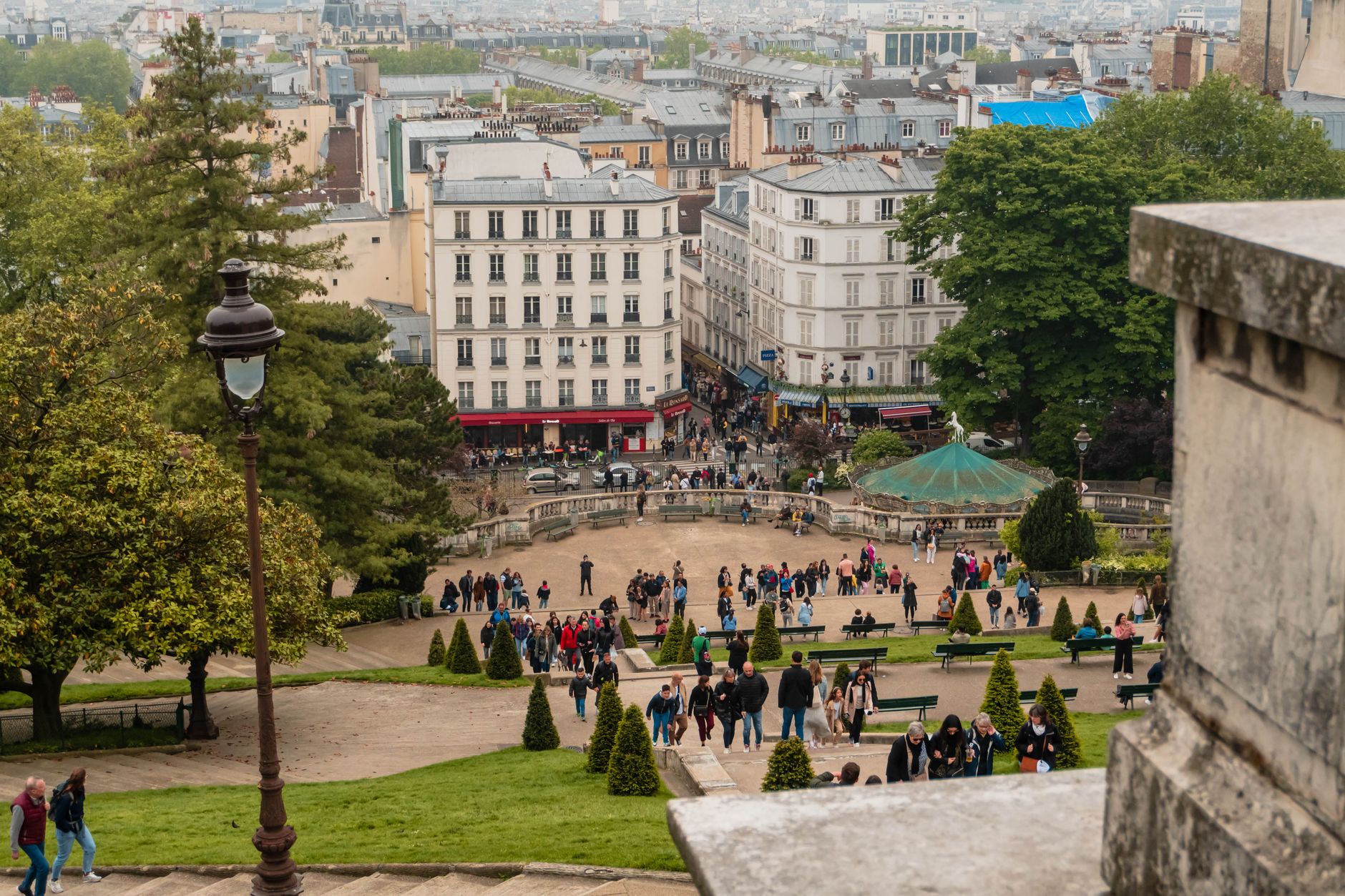
A few loves come up again and again: sunset from the steps of Sacré-Cœur, the Eiffel Tower sparkling on the hour, and a morning croissant at a corner café. The most-repeated tip? Visit the big museums early or late — and leave one afternoon completely empty, just to walk.
- Region Île-de-France, France
- Population 2.1 million (city)
- Area 105 km² · 20 arrondissements
- Language / Currency French · Euro
- Time zone CET (UTC+1)
- Coordinates 48.85°N, 2.35°E
- Best season Apr–Jun & Sep–Oct (mild, fewer crowds)
Experiences you don't want to miss


Deals in Paris
Book directly at the provider

How Paris came to be
Paris began as Lutetia, a Roman town on the marshy banks of the Seine, built over a Celtic Parisii settlement on the Île de la Cité. Through the Middle Ages it grew into the seat of French kings and home to one of Europe's first great universities. The Revolution of 1789 turned its streets into history; Napoleon crowned himself here; and in the 1850s–60s Baron Haussmann drove wide boulevards and uniform façades through the medieval tangle, giving the city the look it still wears today.
The Belle Époque added the Eiffel Tower (1889) and the nickname City of Light. Two world wars left Paris remarkably intact, and today two thousand years of layers sit quietly beneath the café tables.
Who and what shaped it
People who shaped it
Landmark buildings
See Paris in motion
Plan your visit
On the map
When to go
Best Apr–Jun & Sep–Oct (mild, fewer crowds)
Paris has a mild oceanic climate: warm (rarely scorching) summers near 25 °C, cool winters around 5 °C, and rain spread fairly evenly through the year. Spring and early autumn are the sweet spot — gentle light, blossom or golden leaves, and shorter queues.
Right now
↡ Attractions
↡ Neighbourhoods
↡ Shopping areas
No places match these filters.
Background & history adapted from Wikipedia (CC BY-SA) · specs from Wikidata (CC0) · weather from Open-Meteo · map data © OpenStreetMap contributors · photos from Wikimedia Commons / Unsplash with per-image credit. No third-party reviews or social posts reproduced.