Area

Saint-Germain-des-Prés

Left-bank elegance: boutiques, bookshops and famous literary cafés.
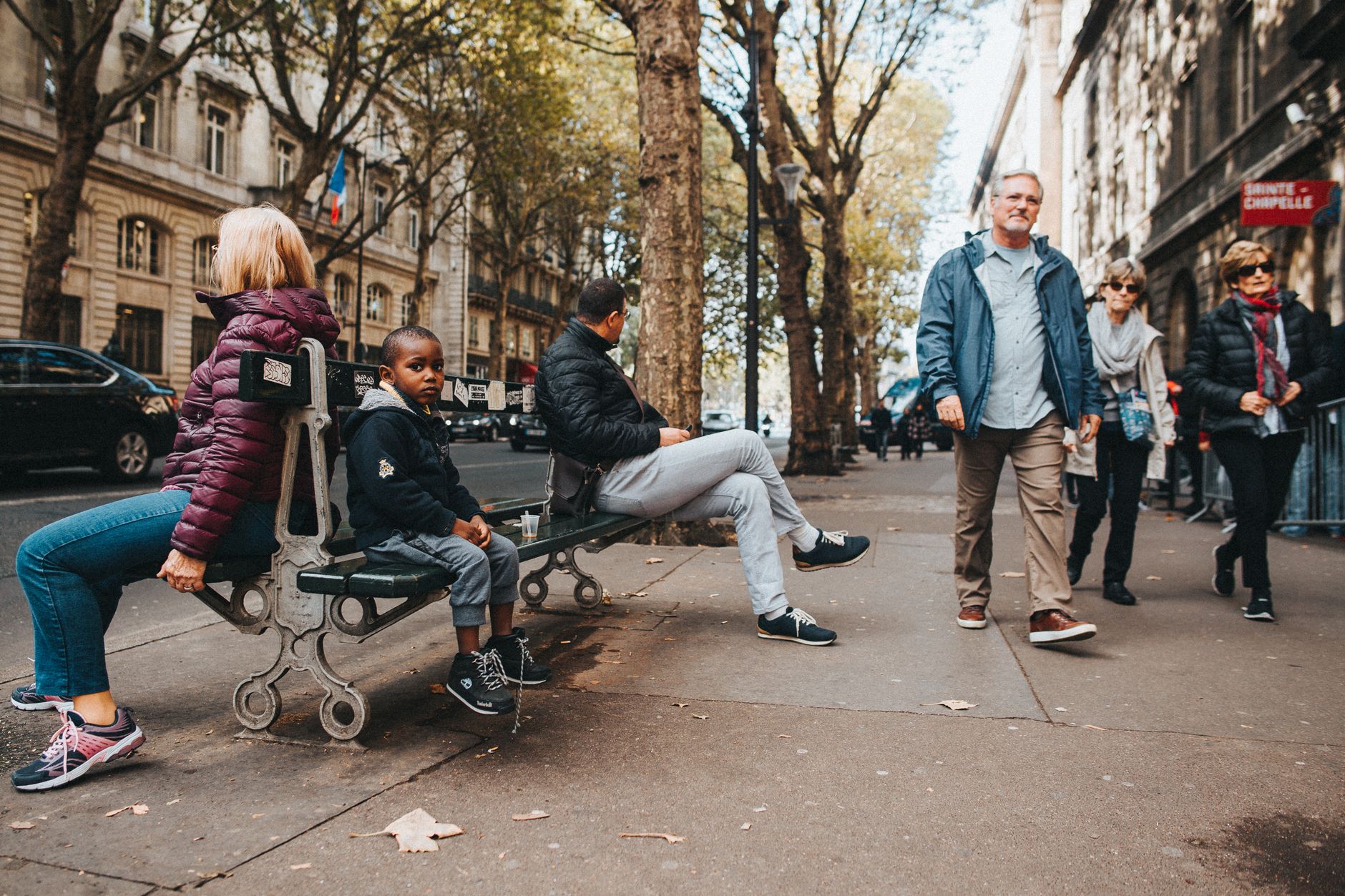
Saint-Germain-des-Prés
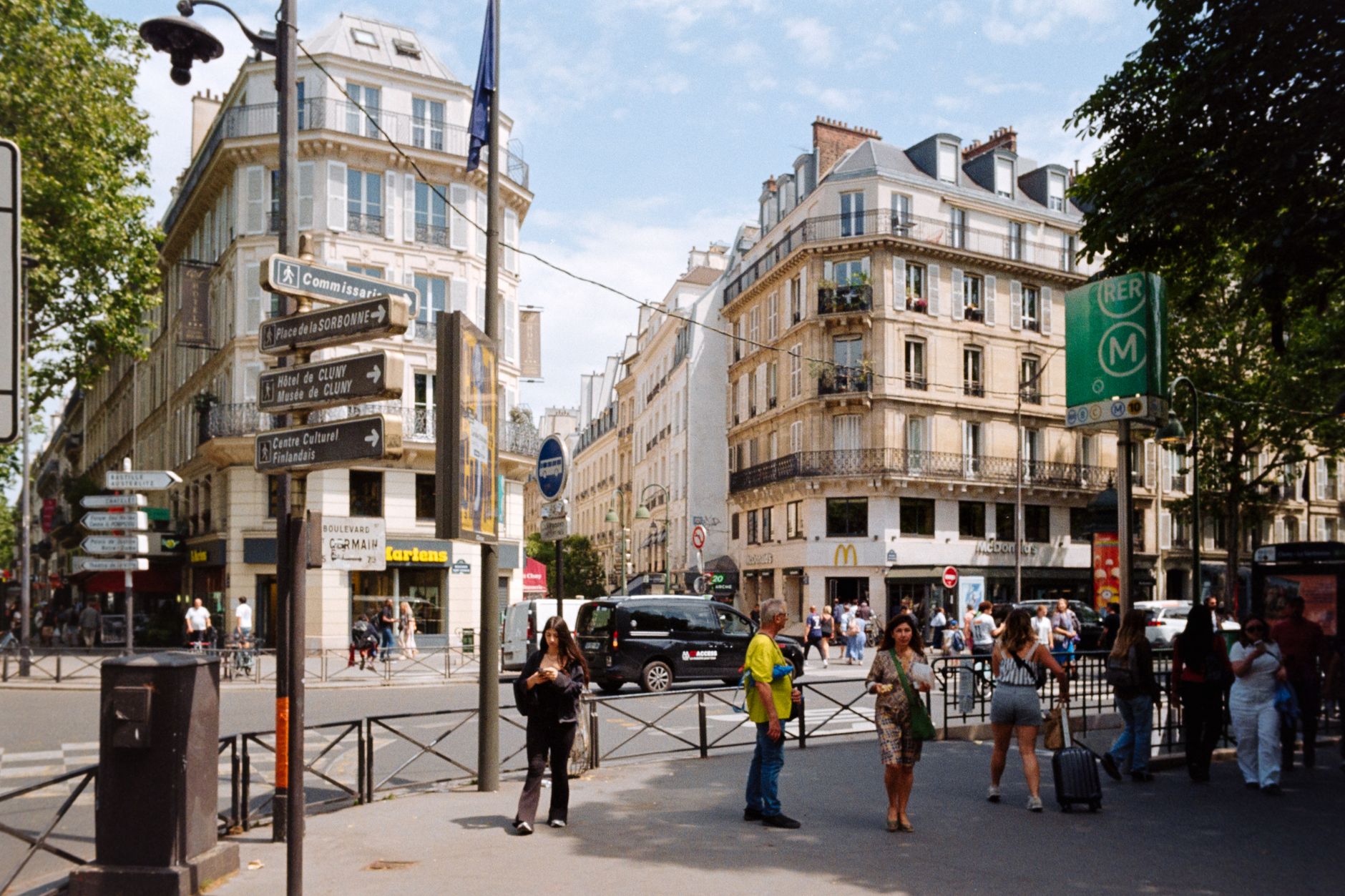
Photo by Dany B. on Pexels
Saint-Germain-des-Prés
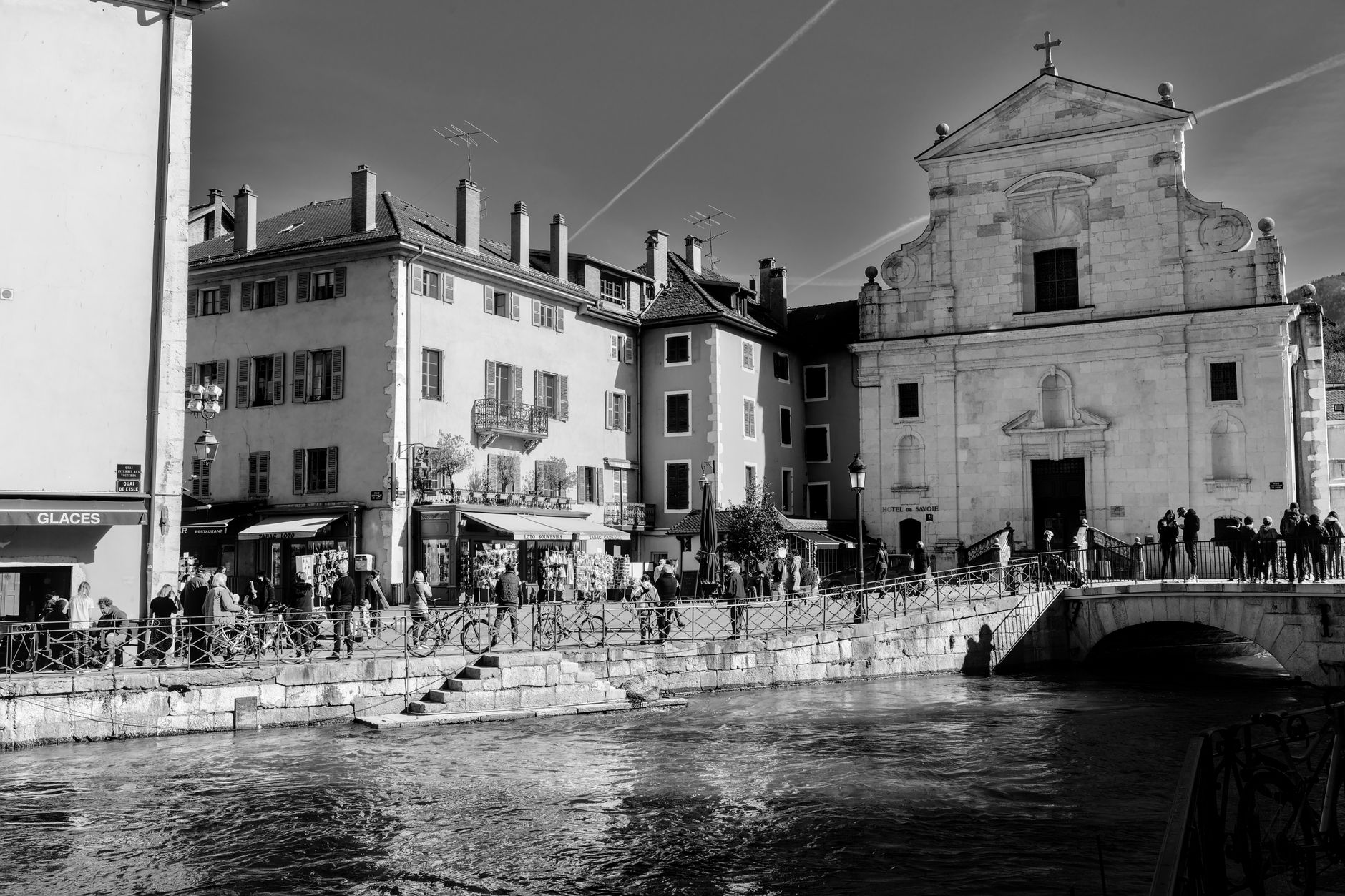
Photo by Bingqian Li on Pexels
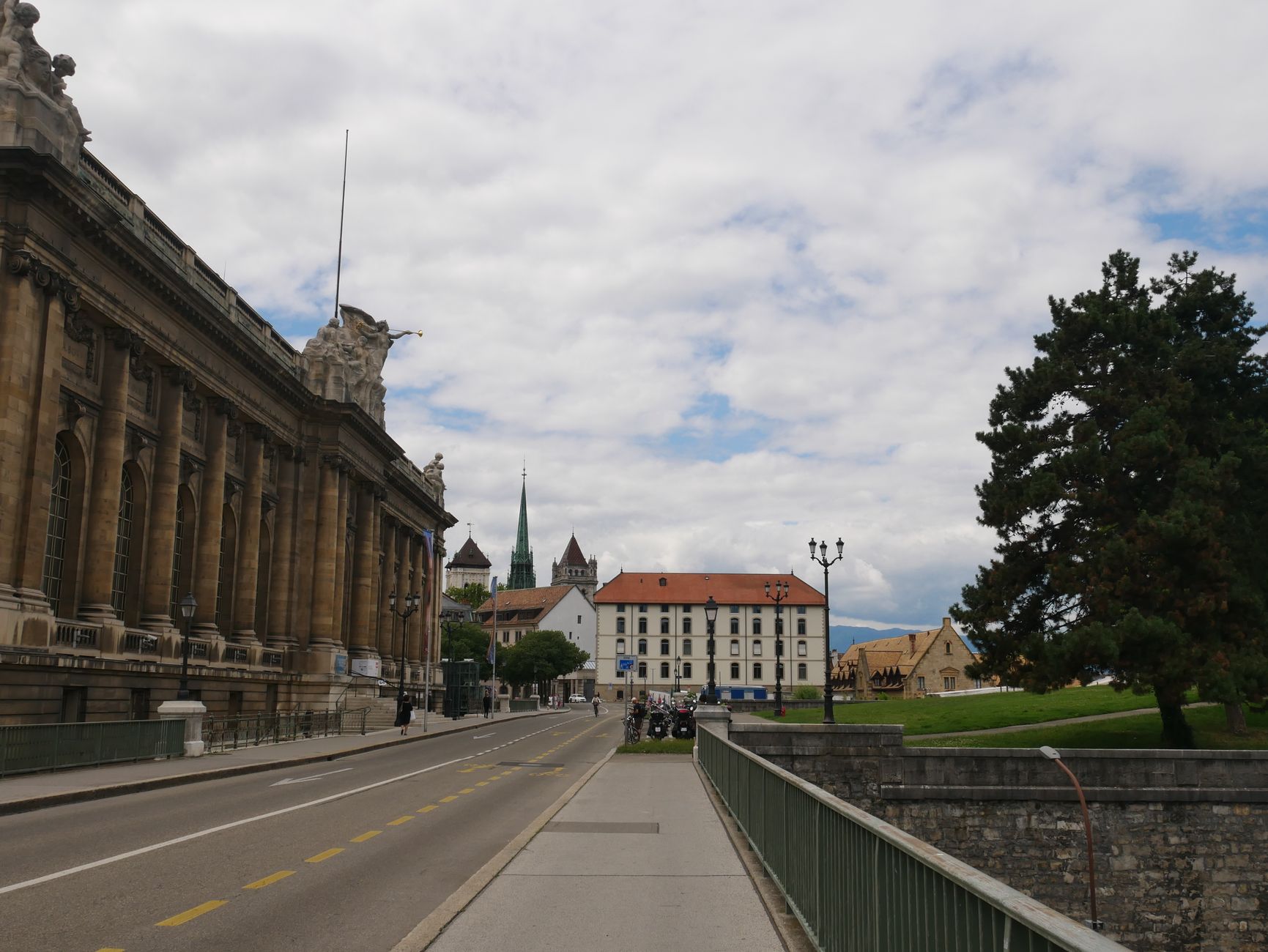
Saint-Germain-des-Prés
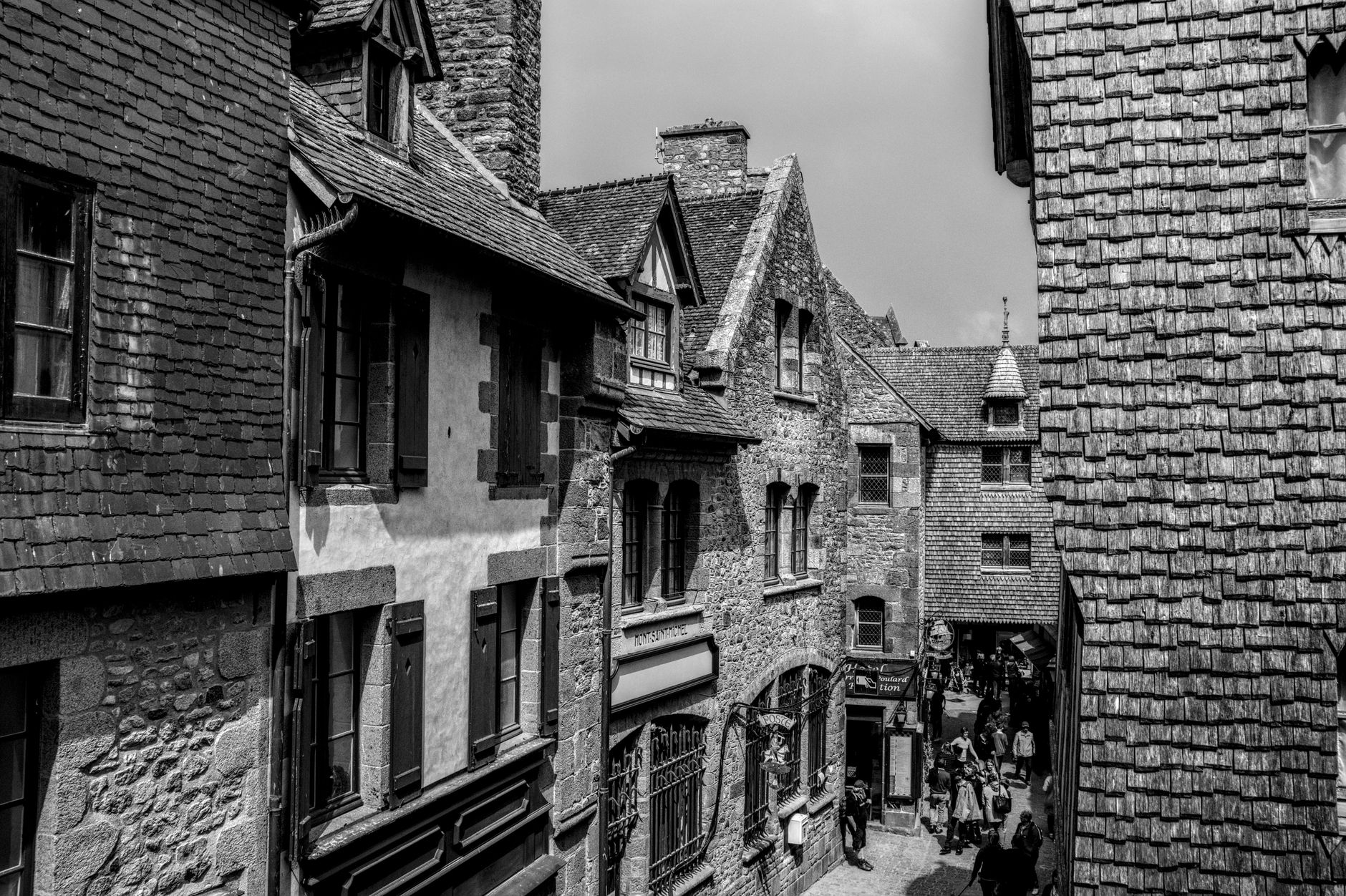
Photo by Jean-Paul Wettstein on Pexels
Saint-Germain-des-Prés
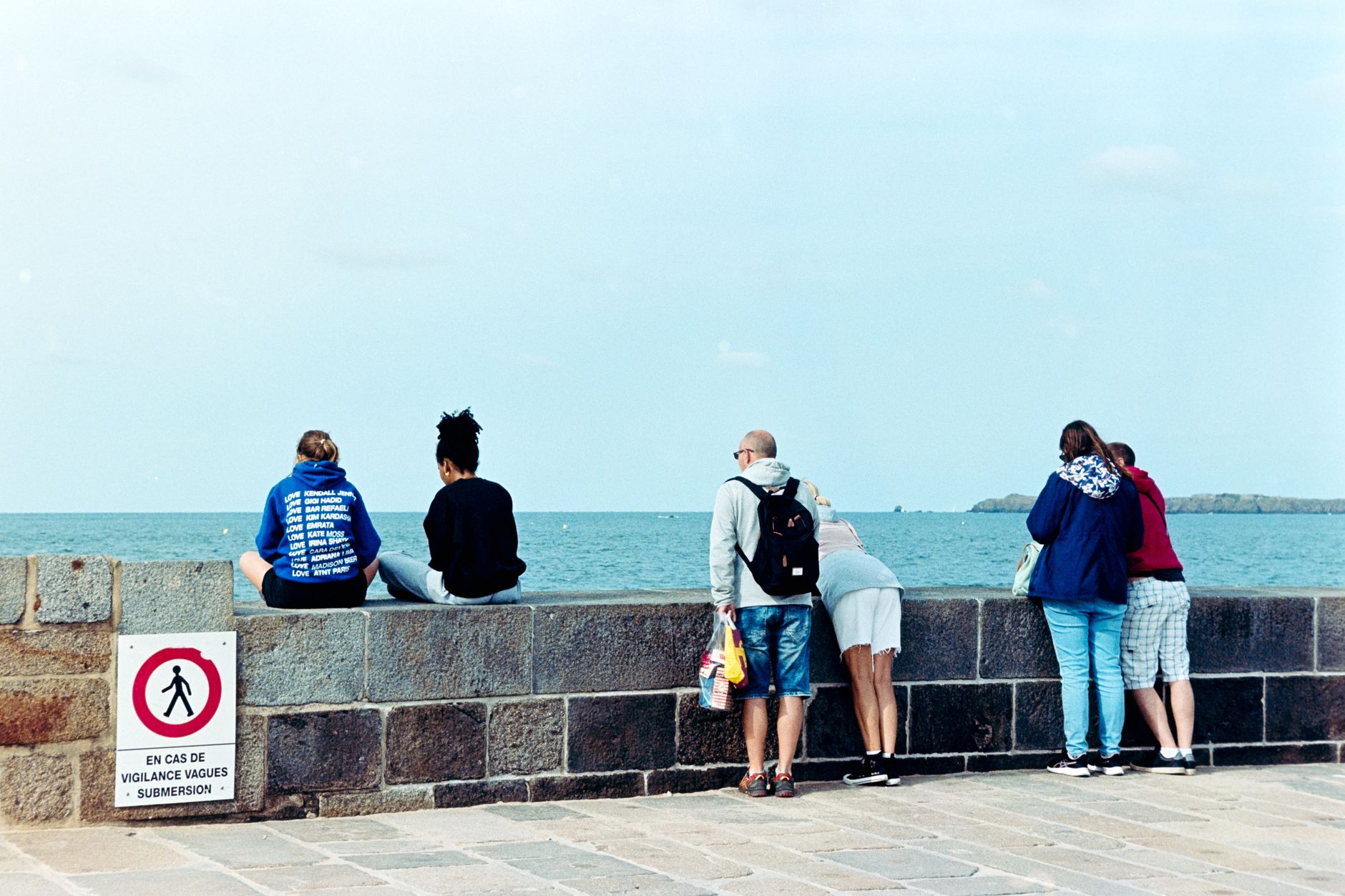
Photo by Jean-Paul Wettstein on Pexels
Saint-Germain-des-Prés
Photo by Bingqian Li on Pexels
Saint-Germain-des-Prés
Photo by TRAVEL BLOG on Pexels
Shopping area elegant literary boutiques left-bank City break Culture & history Food & drink

The oldest church in Paris stands at the centre of Saint-Germain-des-Prés, its 11th-century bell tower rising above a square where tourists nurse coffees at Les Deux Magots and locals walk quickly past. That contrast — ancient stone beside very self-conscious café culture — is the neighbourhood in miniature.

The 6th arrondissement stretches south from the Seine through streets lined with independent bookshops, antique dealers, and fashion houses that replaced them. Boulevard Saint-Germain, cut through in 1855, gave the area its spine. What grew along it since has made it one of the more expensive and photogenic stretches of the Left Bank.

💛 What travellers fall for

Regulars tend to drift off the main boulevard early. Place Fürstenberg — a small square where Delacroix had his studio, now the Musée Eugène Delacroix — is quieter than it deserves to be. Rue Jacob, where the 1783 Treaty of Paris was signed at the Hotel York, rewards a slow walk for its bookshops and courtyards.

Good to know
Take Métro Line 4 to Saint-Germain-des-Prés. Weekday mornings move at a gentler pace than weekend afternoons, when the café terraces fill completely. The area is compact enough to walk end-to-end in under an hour, so pair it with the nearby Musée d'Orsay rather than treating it as a full day.
The story

How Saint-Germain-des-Prés came to be

The neighbourhood takes its name from an abbey founded in the 6th century by Childebert I, son of Clovis, and dedicated on December 23, 558 — the same day Childebert died. The abbey was later renamed for Saint Germanus, bishop of Paris, whose remains were buried in the chancel. Vikings destroyed it; it was rebuilt, acquiring some of the earliest flying buttresses in the Île-de-France in the 12th century.

On August 17, 1794, an explosion from 15 tons of stored gunpowder destroyed much of the church. Victor Hugo later campaigned against its demolition. After the war, the quarter became Paris's literary centre: Sartre and Simone de Beauvoir held court at Café de Flore and Brasserie Lipp; Diderot and d'Alembert had planned the Encyclopédie a century earlier at Café La Procope, founded in 1686.

People & landmarks

Who and what shaped it

People who shaped it

Jean-Paul Sartre
Existentialist philosopher and novelist; held court at Café de Flore and Brasserie Lipp post-WWII.
Simone de Beauvoir
Writer and philosopher; held court with Sartre at neighbourhood cafés in the post-war literary scene.
Childebert I
Founded the abbey in the 6th century; died December 23, 558, the same day the basilica was dedicated.
Victor Hugo
Campaigned to prevent demolition of the church after the 1794 gunpowder explosion.
Oscar Wilde
Spent his last days at Hotel d'Alsace, 13 rue des Beaux-Arts.
Hippolyte Flandrin
Painter; created interior murals of the Church of Saint-Germain-des-Prés (1842–1864).
Benjamin Franklin
Signed the Treaty of Paris (1783) at Hotel York, 56 rue Jacob, ending American Revolutionary War.

Landmark buildings

Church of Saint-Germain-des-Prés
Oldest existing church in Paris; founded 6th century, bell tower rebuilt 12th century, damaged by gunpowder explosion 1794.
Café La Procope
Founded 1686; where Diderot and d'Alembert planned the Encyclopédie in the 18th century.
Les Deux Magots
Historic café where Sartre and Simone de Beauvoir held court in the post-WWII literary scene.
Café de Flore
Historic café where Sartre and Simone de Beauvoir held court in the post-WWII literary scene.
Brasserie Lipp
Historic brasserie where Sartre and Simone de Beauvoir held court in the post-WWII literary scene.
Musée Eugène Delacroix
Artist's former apartments and studio on Place Fürstenberg.
Abbot's Palace
Built 1586 as residence of Cardinal de Bourbon; second brick-and-stone building in Paris.
Monnaie de Paris
Neoclassical building 120 metres long, installed 1775 with six decorative statues.
Académie Française
Founded 1635; located in the neighbourhood.
Bibliothèque Mazarine
Oldest public library in Paris.

Background & history adapted from Wikipedia (CC BY-SA) · specs from Wikidata (CC0) · weather from Open-Meteo · map data © OpenStreetMap contributors · photos from Wikimedia Commons / Unsplash with per-image credit. No third-party reviews or social posts reproduced.

Top