
Champs-Élysées
The grand avenue for flagship stores, café terraces and pure people-watching.
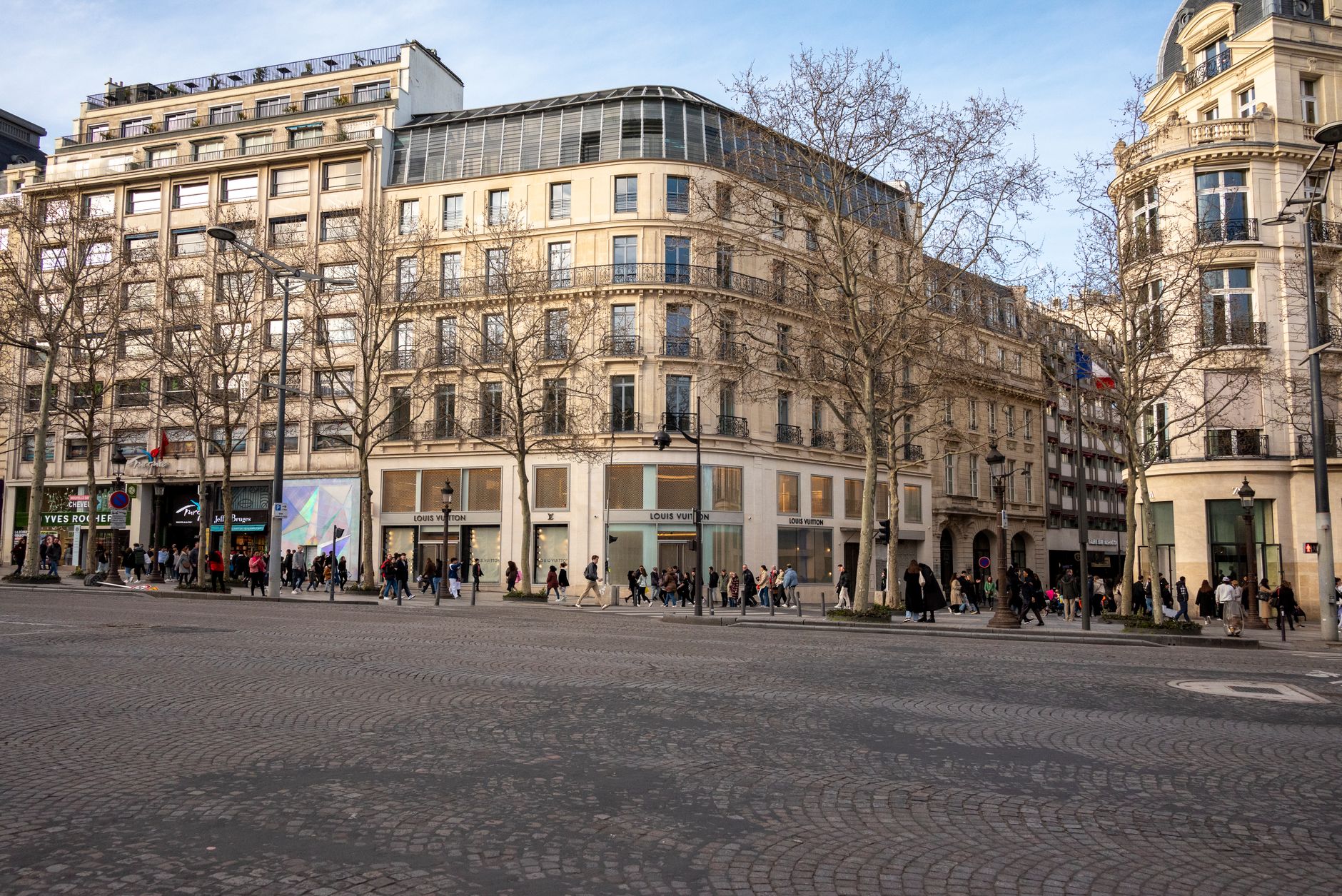
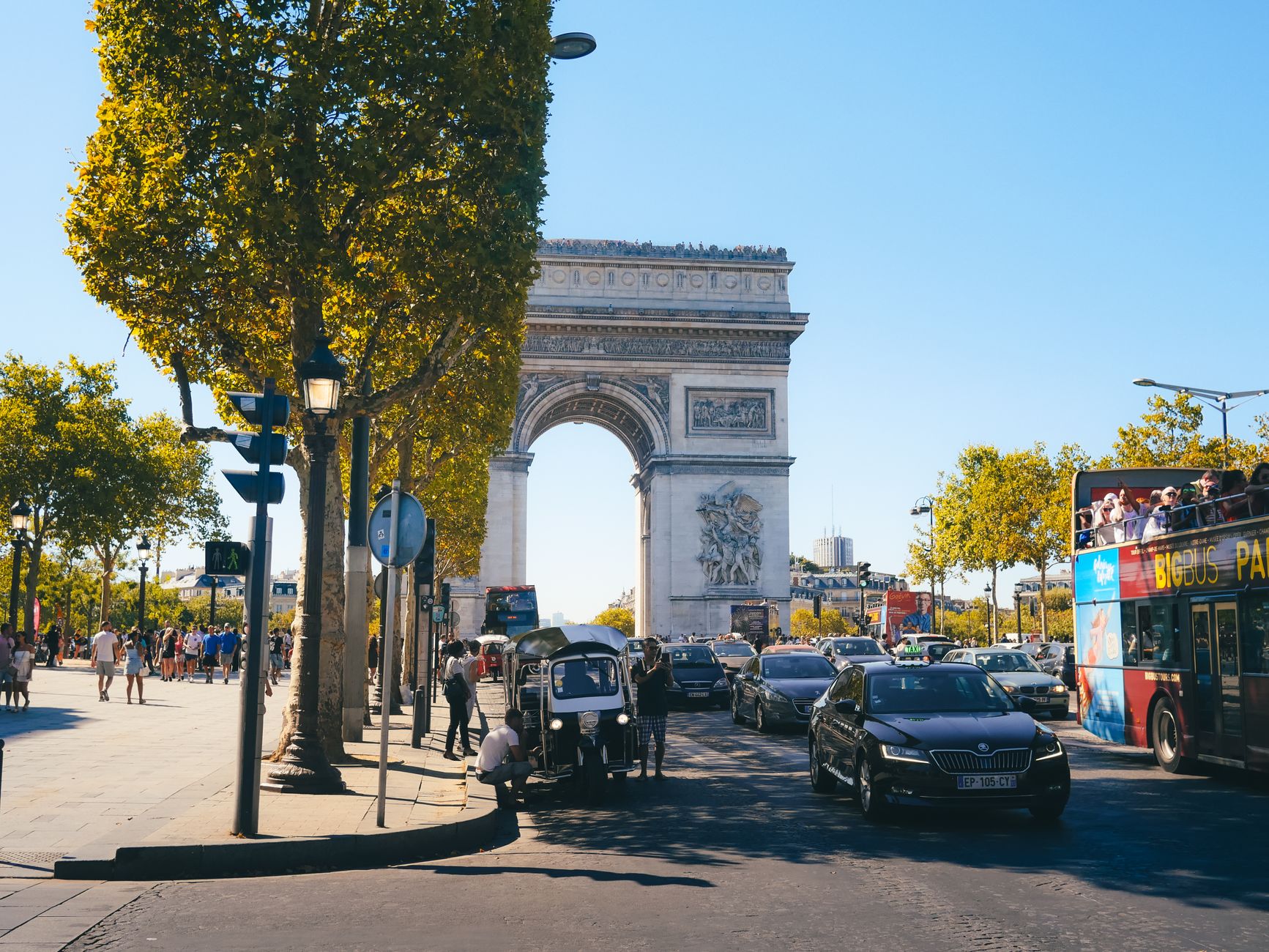
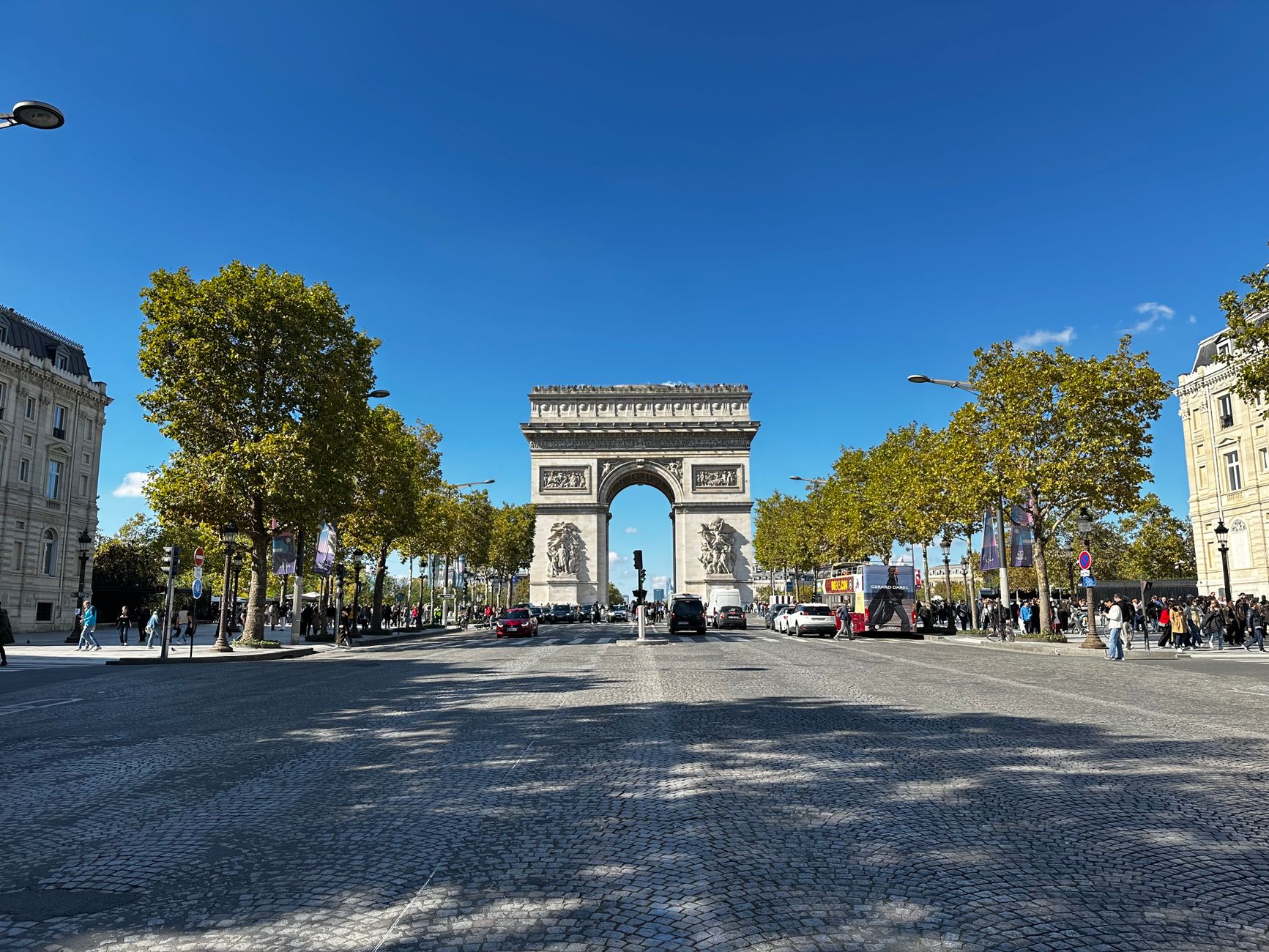
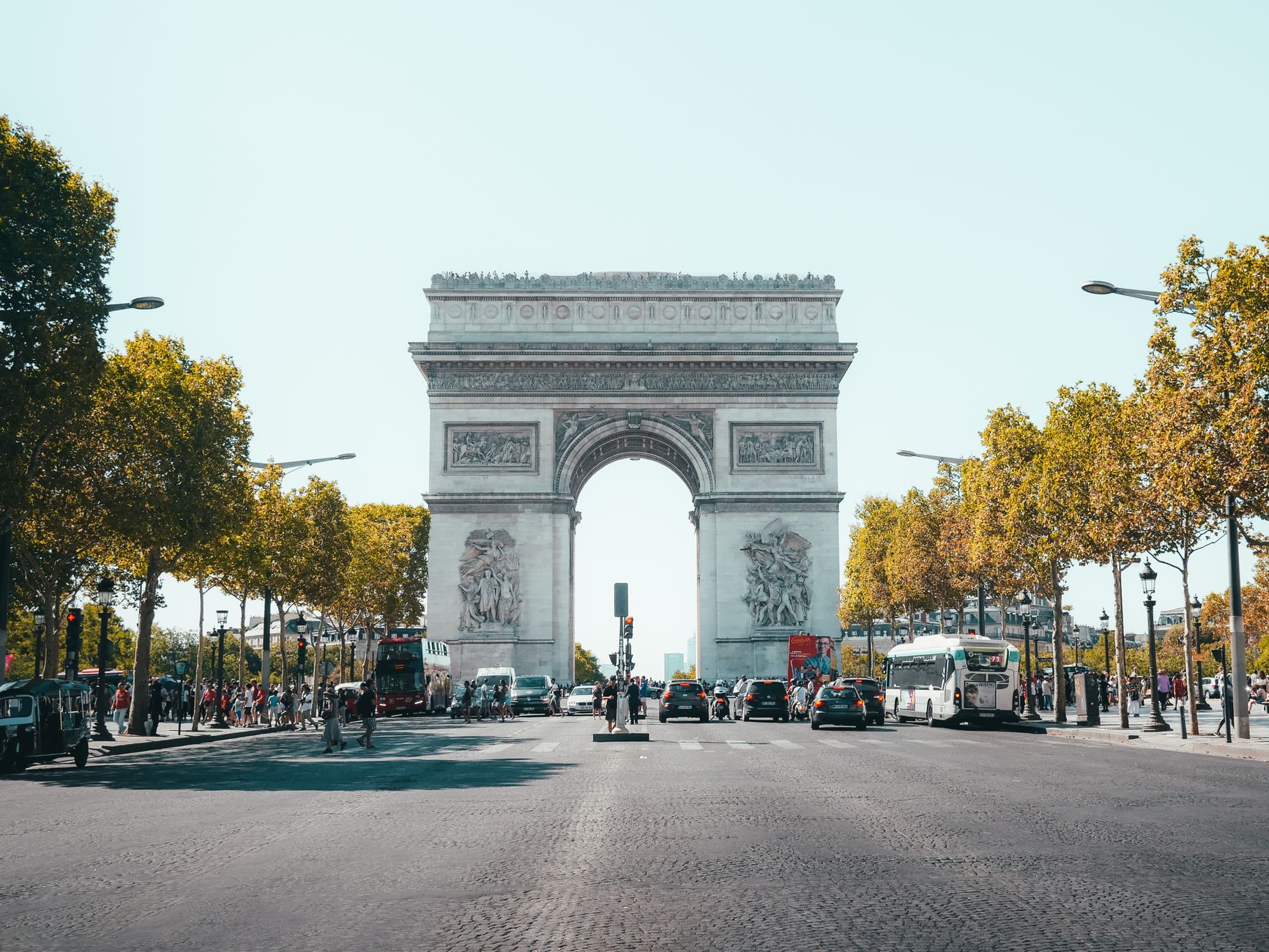
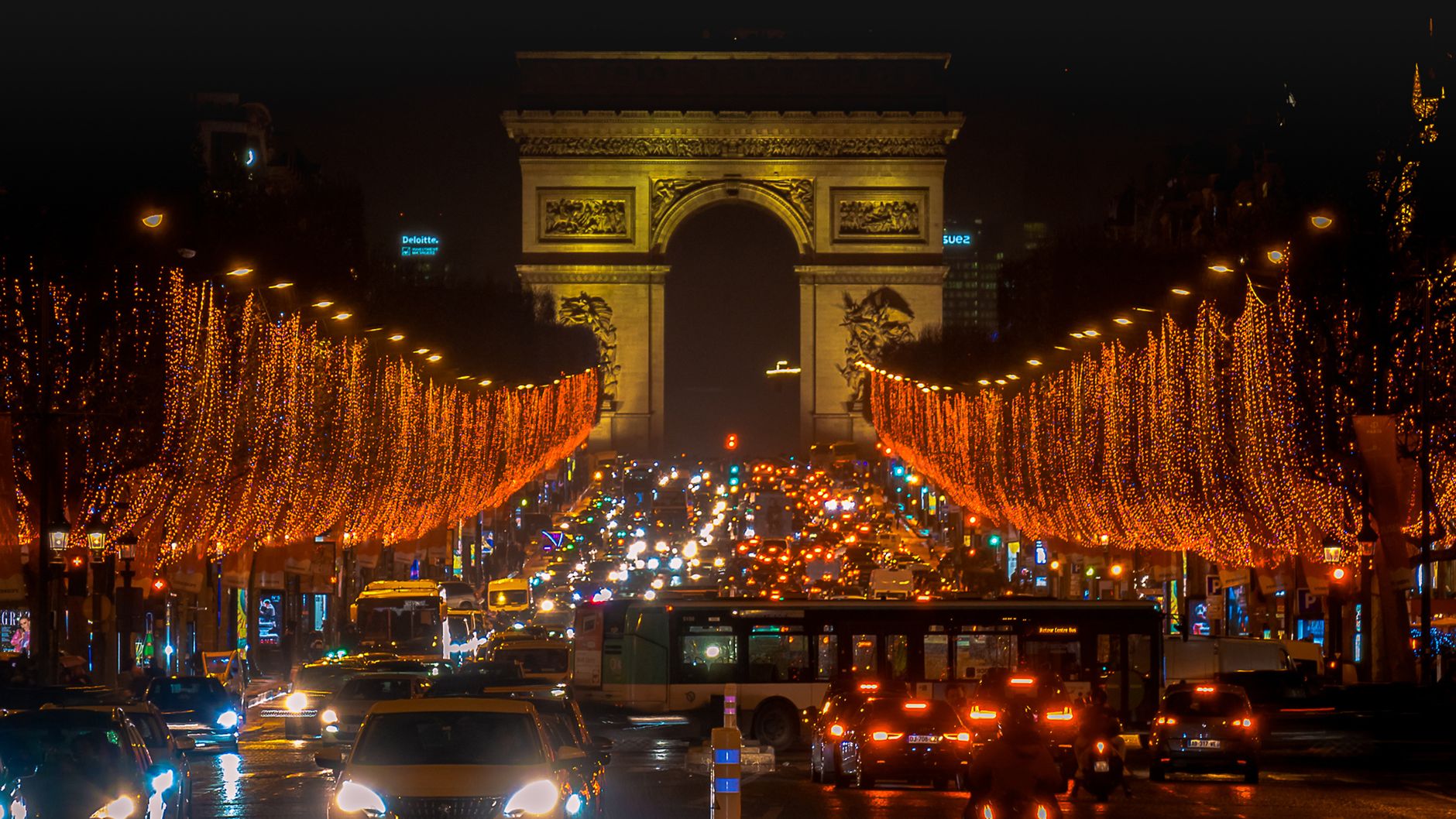
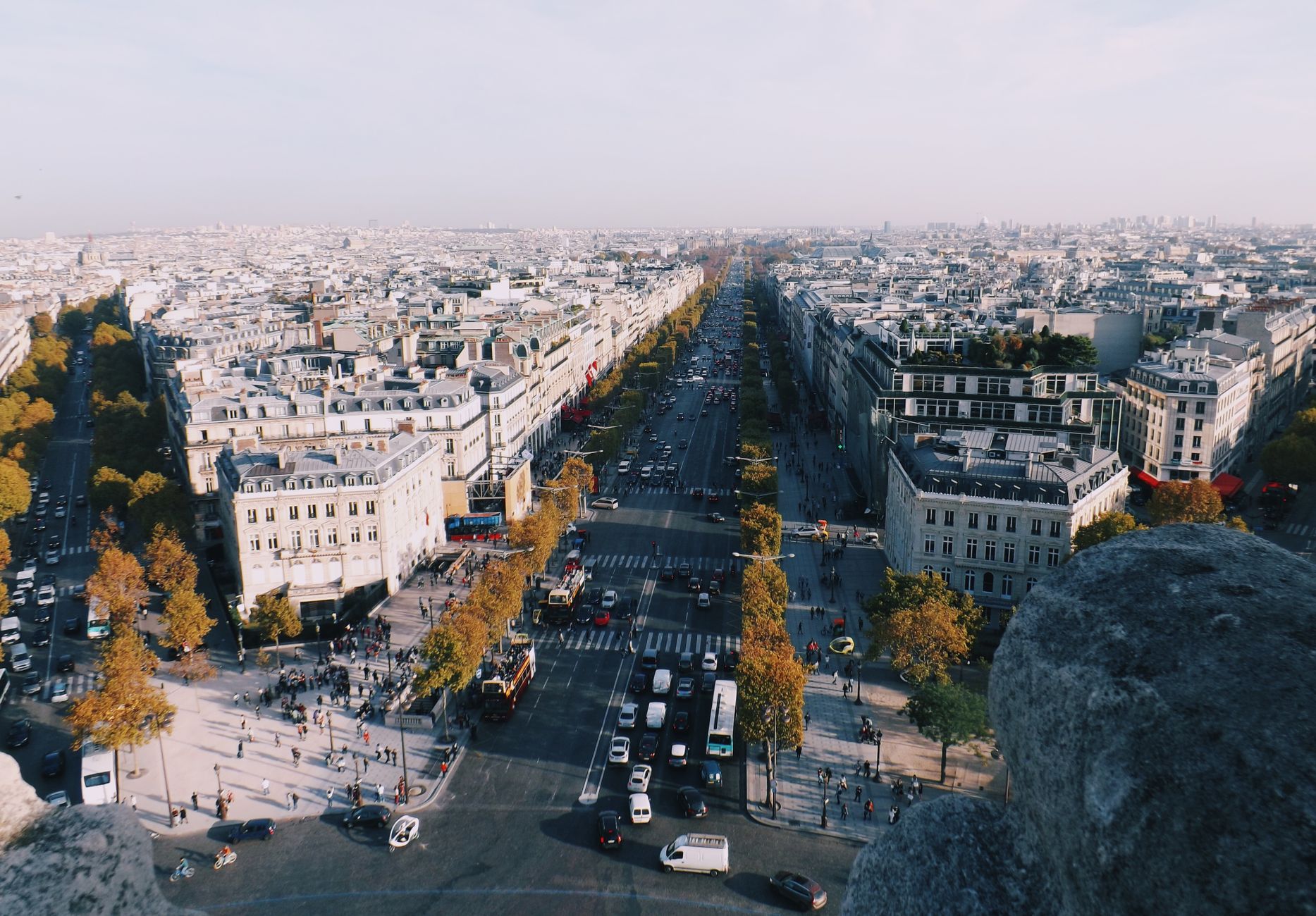
At 1,910 metres long and 70 metres wide, the Champs-Élysées is less a street than a proposition — one that Paris has been revising since André Le Nôtre first drew it as a garden extension in 1667. Walk it from the Luxor Obelisk at Place de la Concorde toward the Arc de Triomphe and you pass through two distinct worlds: the eastern half is still largely parkland, with the Beaux-Arts iron-and-glass dome of the Grand Palais rising behind the trees, while the western half belongs to flagships and café terraces.
On the first Sunday of each month, the avenue closes to cars entirely, and you can stand in the middle of it and finally take in the scale. The Tour de France has finished here every year since 1975, and the Bastille Day parade still rolls down the full length.
💛 What travellers fall for
Regulars tend to duck into the Jardin des Champs-Élysées side rather than staying on the main drag — the gardens between Place de la Concorde and the Rond-Point hold the Petit Palais, the Théâtre Marigny, and a lot more shade. The Guerlain boutique at number 68, open since 1913, is worth the detour even if you buy nothing.
How Champs-Élysées came to be
Le Nôtre laid out the original allée in 1667 as a straight sightline beyond the Tuileries Garden. It was still called the Grand Cours when it was extended to what is now Place Charles de Gaulle in 1710, and it didn't become city property until 1828, when footpaths, fountains, and gas lighting arrived. By 1834, the gardens had been remade into a public leisure ground with cafés, restaurants, and theatres. Jacques Ignace Hittorf added further structure — sidewalks, more fountains — in 1838.
The avenue's monumental character solidified around 1900, when the Universal Exposition brought the Grand Palais and Petit Palais to the eastern gardens. The Théâtre des Champs-Élysées, designed by Auguste and Gustave Perret and completed in 1913, is considered the first Art Deco building in Paris. The last major renovation of the avenue ran through 1994; a new project under Mayor Anne Hidalgo is due for completion in 2030.
Who and what shaped it
People who shaped it
Landmark buildings
Background & history adapted from Wikipedia (CC BY-SA) · specs from Wikidata (CC0) · weather from Open-Meteo · map data © OpenStreetMap contributors · photos from Wikimedia Commons / Unsplash with per-image credit. No third-party reviews or social posts reproduced.