
Sainte-Chapelle
A 13th-century jewel box of stained glass that glows on a sunny morning.
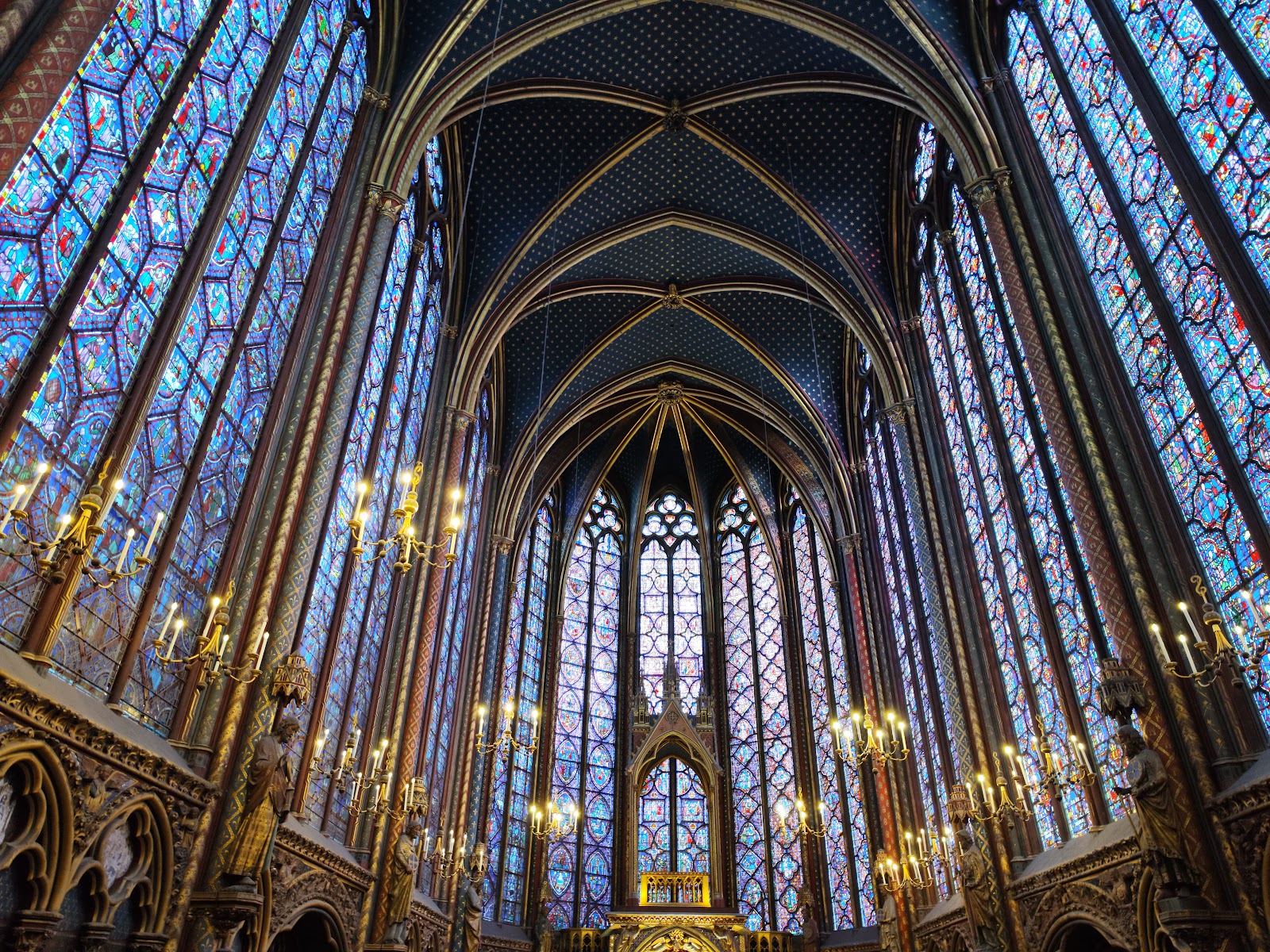
Stand in the upper chapel on a clear morning and the walls more or less disappear. What replaces them is 1,113 panels of 13th-century stained glass — fifteen bays, each fifteen metres tall — turning the stone ribs of the vault into the thinnest of frames. The light does the rest.
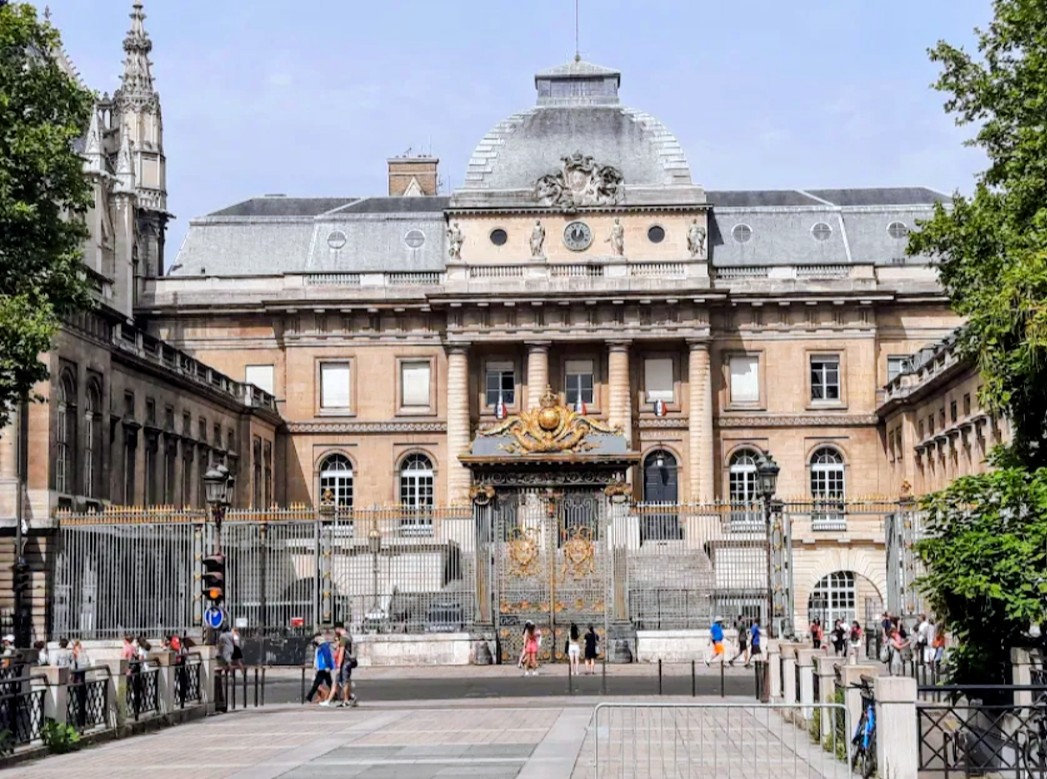
Sainte-Chapelle sits within the Palais de la Cité on the Île de la Cité, its Viollet-le-Duc spire rising seventy-five metres above the courtyard. It is compact — thirty-six metres long, seventeen wide — and that compression is part of what makes the upper chapel so arresting. There is nowhere for the eye to rest except the glass itself.
💛 What travellers fall for
People who come back tend to time it by the light. The late-afternoon window between 16:00 and 18:00 catches the west rose window — nine metres across, eighty-nine panels of Apocalypse scenes, cleaned back to clarity in 2014–15 — at its most legible. Arrive at opening on a weekday if you want the upper chapel to yourself for even ten minutes.
The story behind Sainte-Chapelle
Louis IX commissioned the chapel to hold a collection of Passion relics he had purchased from Baldwin II, the Latin emperor at Constantinople, for 135,000 livres — far more than the building itself would cost. The Crown of Thorns arrived in Paris in August 1239, carried from Venice by two Dominican friars. Construction began after 1238 and the chapel was consecrated on 26 April 1248, completed in under seven years. The upper level was reserved for the royal family; courtiers and palace staff used the lower one.
The Revolution left the chapel damaged and repurposed. Between 1840 and 1863, architects Duban, Lassus, Boeswillwald, and Viollet-le-Duc undertook a restoration that became a model for the treatment of historic monuments across France. The spire you see today is Viollet-le-Duc's — the fifth since the original construction. Louis IX was canonized in 1297; the building he raised in under a decade has outlasted nearly everything else he knew.
Good to know
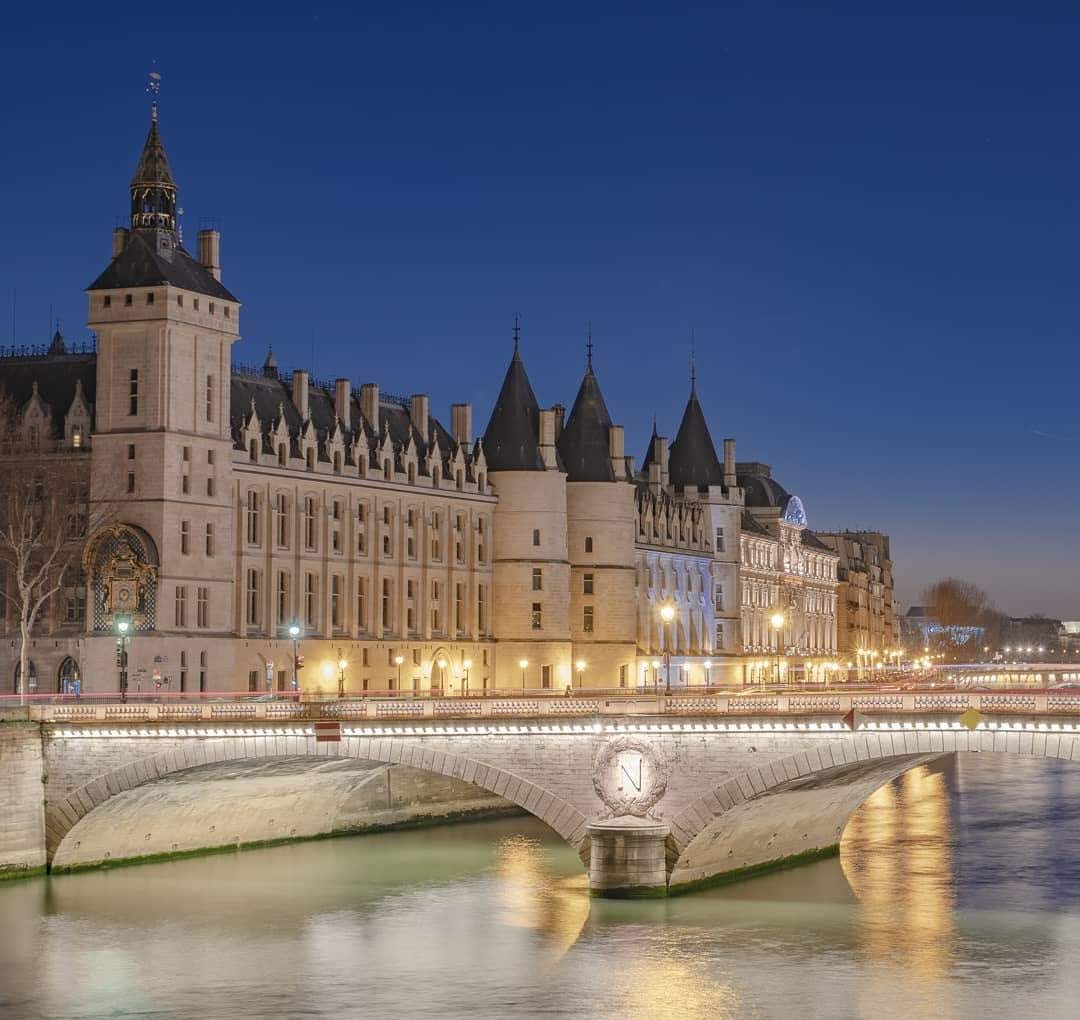
Metro Cité (Line 4) deposits you steps from the entrance. Budget up to thirty minutes for security on busy days and arrive close to your reserved time. The combined ticket with the Conciergerie next door (€18.50) makes sense if you have the afternoon. Under-26 EU residents enter free. An elevator to the upper chapel is available but requires advance email arrangement.
Where is Sainte-Chapelle?
More tickets & tours for Sainte-Chapelle
Book directly at the provider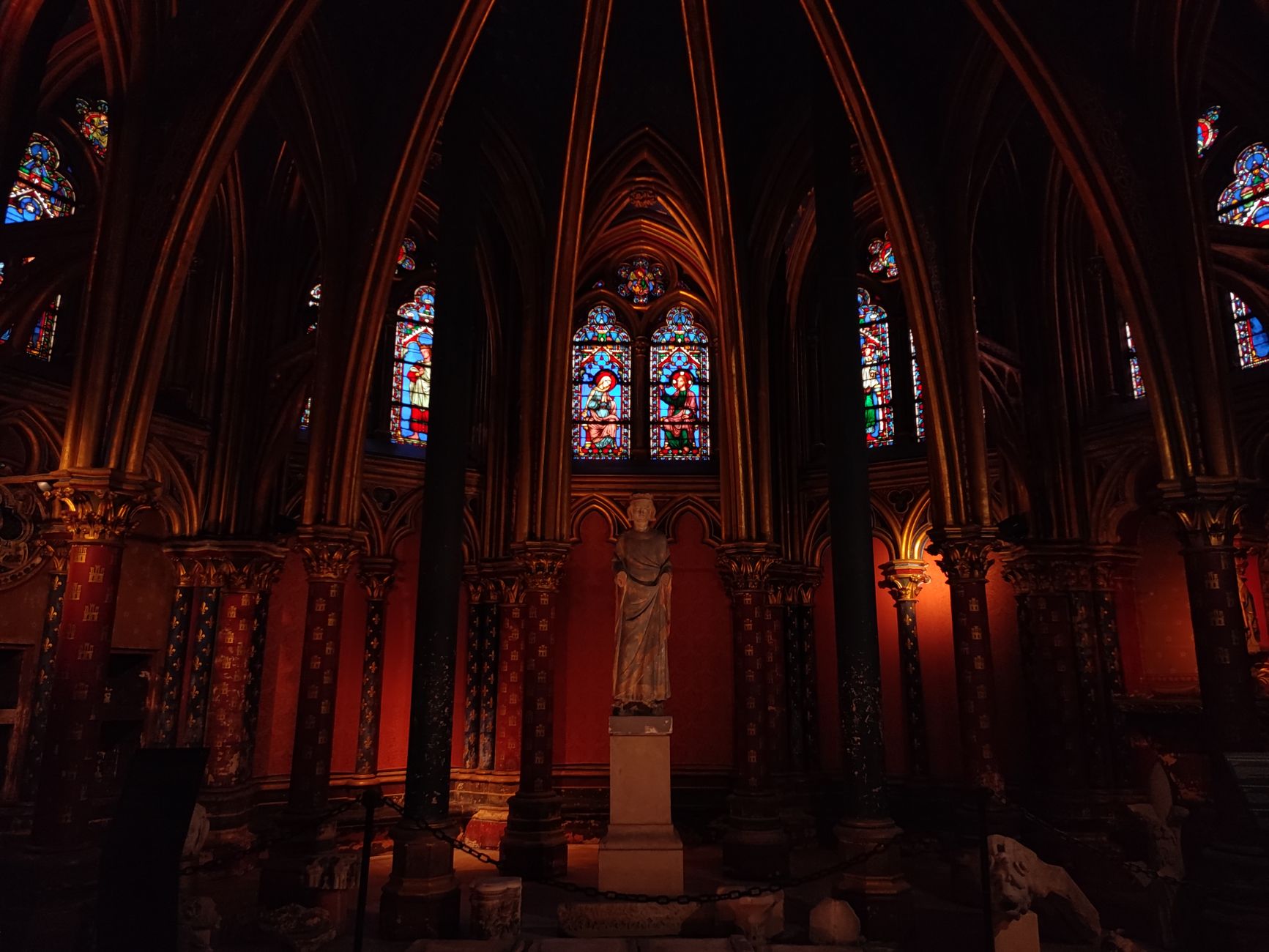
What travellers say about Sainte-Chapelle
A 5 Star place to visit in Paris. Visited during our Hop on Hop boat journey. Really really a beautiful chapel to visit in Paris. You can definitely need to book a ticket in advance else stand in queue for about an hour for entry. The inside of the buiding is small and it gets pretty crowded. Still there is no issue as the staffs are nice and helpful.
The stained glass windows in the chapel are one of the most awe-inspiring human creations I have ever seen. Such artistry and craft. The towering walls create a reverent atmosphere. Even the crowds of tourist feel the need to remain hushed in respect. A must-see for any sightseer or fan of architecture. Make sure to buy tickets early before your trip!
Sainte-Chapelle is absolutely stunning and one of the most beautiful places we visited in Paris. When we arrived, there was a long line, and staff told us it would take about one to one and a half hours to get inside. The wait was worth it, though. The interior is breathtaking. The stained-glass windows are incredible, and when the sunlight shines through them, the whole chapel glows with color. The architecture and details are amazing and unlike anything we had seen before. Definitely worth visiting if you’re in Paris, but be prepared for a wait during busy times.
Sainte Chapelle is definitely a must visit while you are in Paris as it is one of the most beautifully well preserved churches thanks to the unbelievable stained glass. Be prepared however, even with reservation tickets booked in advance, the lines can still be very long. It took us approximately 25–30 minutes to enter despite having timed tickets. There are three lines depending on your reservation time slot, plus another line for visitors without reservations. Security is also fairly strict as you must pass through a metal detector before entering. Regardless, it is absolutely worth the wait. Once you enter and make your way upstairs through the narrow staircase, you are immediately in awe looking upward at the dramatic stained glass surrounding the chapel. It is peaceful, unique, and honestly something pictures cannot fully capture. You truly have to see this place in person to appreciate it.
We enjoyed a lovely evening concert at Saint Chapelle. The chapel itself is beautiful and the music was amazing. The musicians were delightful and we enjoyed the performance. We bought tickets towards the back but I believe if I was to go again, I would pay the extra for tickets closer to the front and come earlier as the seats themselves are first come first served. It made me want to come visit the site during the daytime as well since the lighting in the stained glass would be different.
More of Paris
Discover where to stay, what to do and the best deals for your trip.
Explore Paris →More attractions in Paris
All of Paris →
Background adapted from Wikipedia (CC BY-SA) · map data © OpenStreetMap contributors · ratings & place photos via Google · other photos with per-image credit. Ticket links may earn us a commission at no extra cost to you.