
Eiffel Tower
The iron lady that sparkles on the hour — Paris's beating heart.
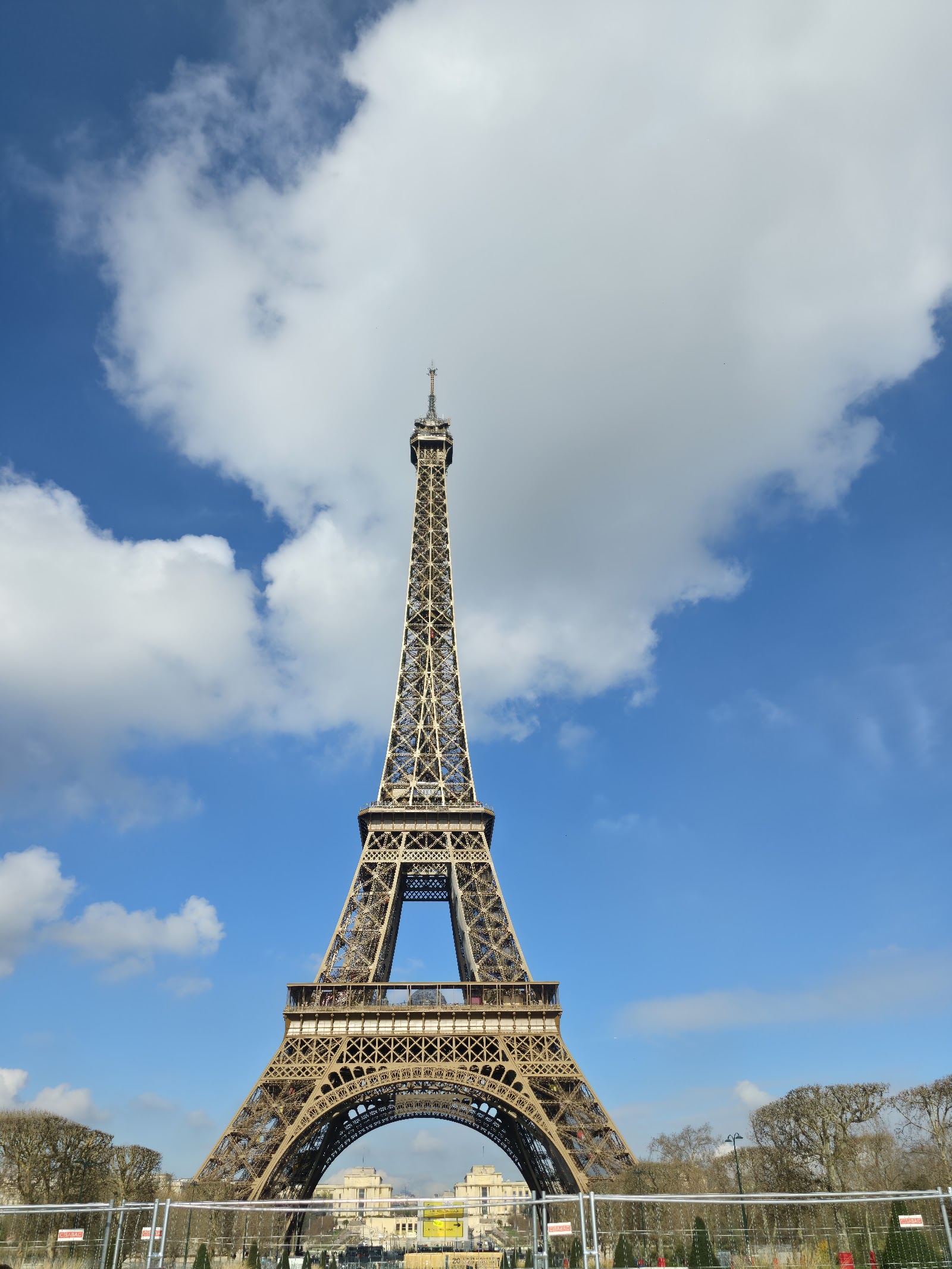
Stand at the base and look straight up through the lattice of wrought iron — 18,038 metal parts converging overhead — and the scale of the thing stops being abstract. The Eiffel Tower is made not of steel but of puddle iron, sourced from forges in eastern France, held together by 2,500,000 rivets, and repainted every seven years on a schedule Gustave Eiffel himself recommended.
At street level, the Belle Époque gardens of the Champ de Mars are free to walk through before you ever reach the esplanade. After 8 PM, the tower sparkles for five minutes on the hour, every hour until 1 AM — a light show that rewards anyone who lingers into the evening.
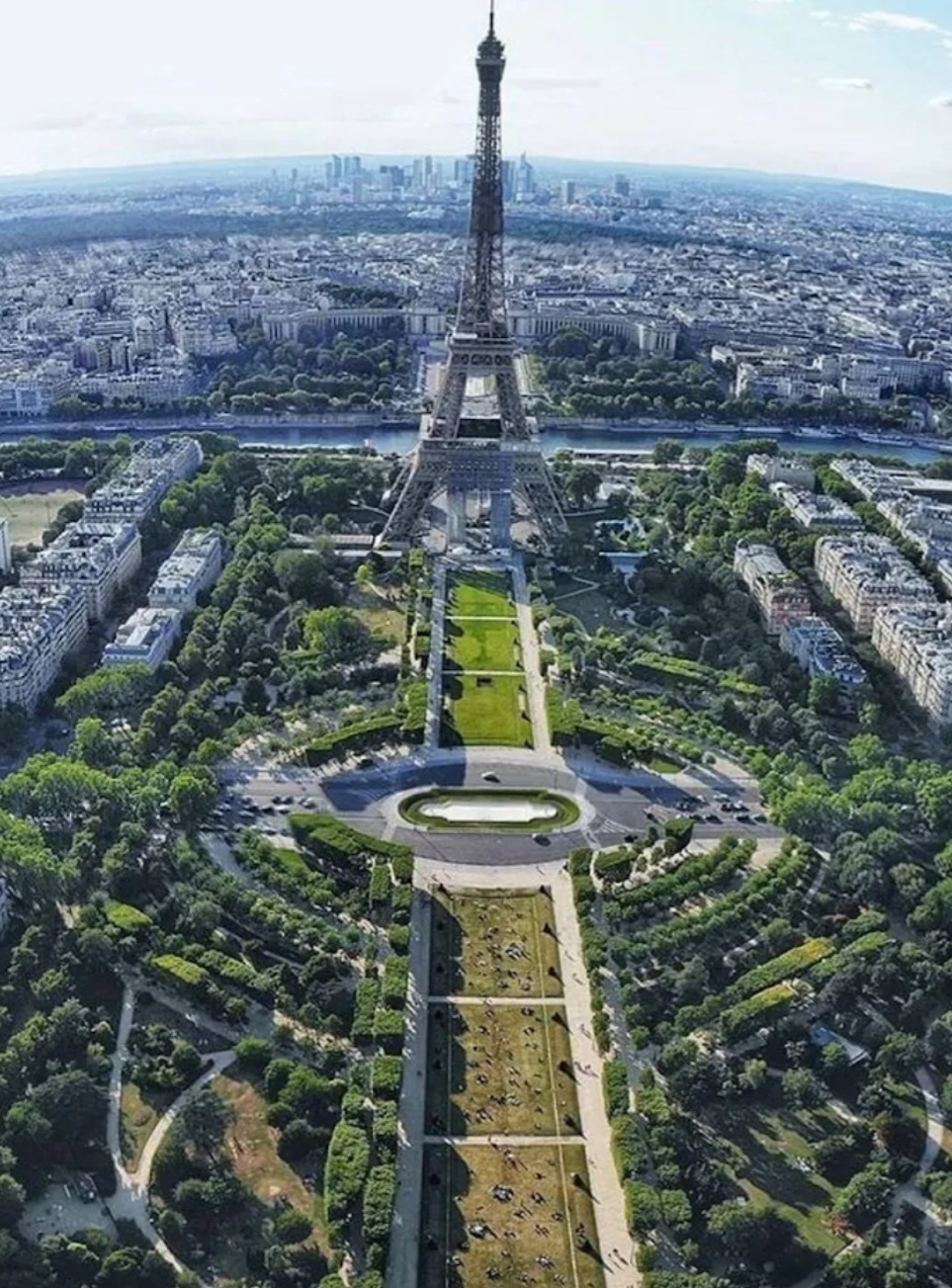
💛 What travellers fall for
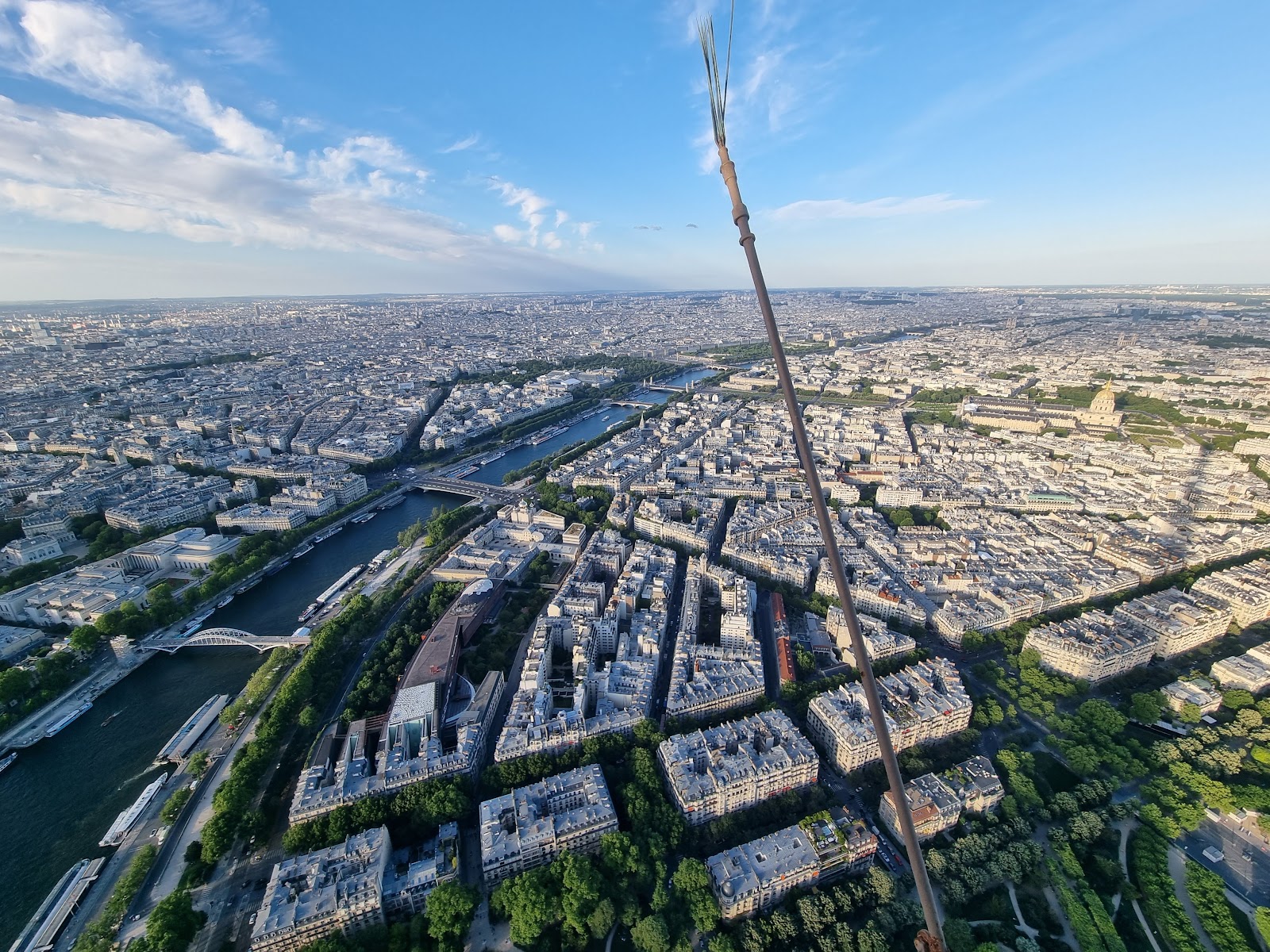
People who come back tend to skip the midday rush entirely and arrive after 5 PM, when the queues thin and the light turns gold on the iron. Tuesday through Thursday are consistently quieter than weekends. If you can climb stairs, the second-floor ticket costs less and the ascent gives you the structure itself, not just the view from it.
The story behind Eiffel Tower
The idea began in June 1884, when engineers Maurice Koechlin and Émile Nouguier sketched out a lattice iron pylon capable of reaching 300 metres. Entrepreneur Gustave Eiffel registered the patent that September, brought in architect Stephen Sauvestre to add the decorative arches, and won the commission from 107 competing proposals. Construction started in January 1887 and finished on March 31, 1889 — a span of just over two years.
The tower opened on May 15, 1889 as the entrance arch for the World's Fair, drawing two million visitors that year. When its 20-year lease expired in 1909, demolition was seriously considered. A practical reprieve came from an unlikely direction: the tower's height made it an ideal radio transmission antenna, and it was kept. France designated it a monument historique in 1964; it became part of a UNESCO World Heritage Site in 1991.
Good to know
Take RER Line C to Champ de Mars-Tour Eiffel — five minutes on foot to Entrance 1. Elevator e-tickets go on sale 60 days ahead; book early for summer. Weekends are the busiest days; evenings after 5 PM see shorter queues. The top level and stairways are not accessible for reduced mobility.
May and September offer the most comfortable conditions — mild temperatures, reasonable visibility, and thinner crowds than high summer. In July and August the iron itself expands in the heat, raising the tower's height by up to 15 centimetres; clear winter days can deliver 70-kilometre views, though temperatures drop into the low single digits Celsius.
Where is Eiffel Tower?
More tickets & tours for Eiffel Tower
Book directly at the provider
What travellers say about Eiffel Tower
The Eiffel Tower is simply magical at night. We came at 23 to see the five-minute sparkling light show, and it was beautiful. For a moment, it really felt like being inside a movie. I didn’t have huge expectations, it was more of a classic Paris bucket-list thing for me, but it turned into such a special and touching moment. Seeing the tower sparkle in the night sky was truly unforgettable ✨
What an amazing experience! Completely fell in love with the charm it has. Took the ticket from the site and went up the top of effiel. It was totally worth it. Took stairs to 2nd floor and then elevator to the top, the best choice to experience the complete tower. Has good cafes and gift shops and really loved the climb. When visiting during winter, make sure to wear something that keep you warm because it freezes on top due to the cold winds. A must try and Visit spot. I experienced the effiel tower from all corners, and from different angles around the city. Take the train for the view, get the view when it sparkles, take the scene cruise for a different experience and view
Dude it’s the Eiffel Tower. Like what is more iconic as a symbol of Paris??? I personally think that the second floor is superior to the summit, beyond novelty sake. You are high up enough to see the whole city, yet don’t pay the added cost. The views are immense, so make sure to bring binoculars to really make the most of it. I cannot recommend enough to buy tickets, it was an hour queue vs zero queue.
This is definitely a tourist trap, but a necessary one if you are in Paris. Great photo opportunities. There is a nice park adjacent to the tower grounds. If you want to ride the elevator to the top, I recommend buying tickets well in advance. I highly recommend visiting in the evening and watching the light show that starts at 10pm.
Visited the Eiffel Tower with an e-ticket and had a great experience. I would highly recommend purchasing your tickets online in advance to avoid disappointment, as tickets can sell out quickly. The first security check does not require you to show your ticket. After that, proceed to the “E-Tickets – Elevator” entrance with the green signboard. Visitors are only allowed to enter during their designated time slot, so there is no need to arrive too early. After entering, there is a second security check where your ticket will be scanned. The elevator ride to the 2nd floor takes about a minute. If you are visiting the summit, you will need to change to another elevator. Everything was very well organized and the crowd control was excellent. The staff did a great job managing the large number of visitors, making the whole process smooth and efficient. Overall, it was a fantastic experience and one of the highlights of our trip to Paris.
More of Paris
Discover where to stay, what to do and the best deals for your trip.
Explore Paris →More attractions in Paris
All of Paris →
Background adapted from Wikipedia (CC BY-SA) · map data © OpenStreetMap contributors · ratings & place photos via Google · other photos with per-image credit. Ticket links may earn us a commission at no extra cost to you.