
Musée d'Orsay
Impressionism in a glorious former railway station — Monet, Degas, Van Gogh.
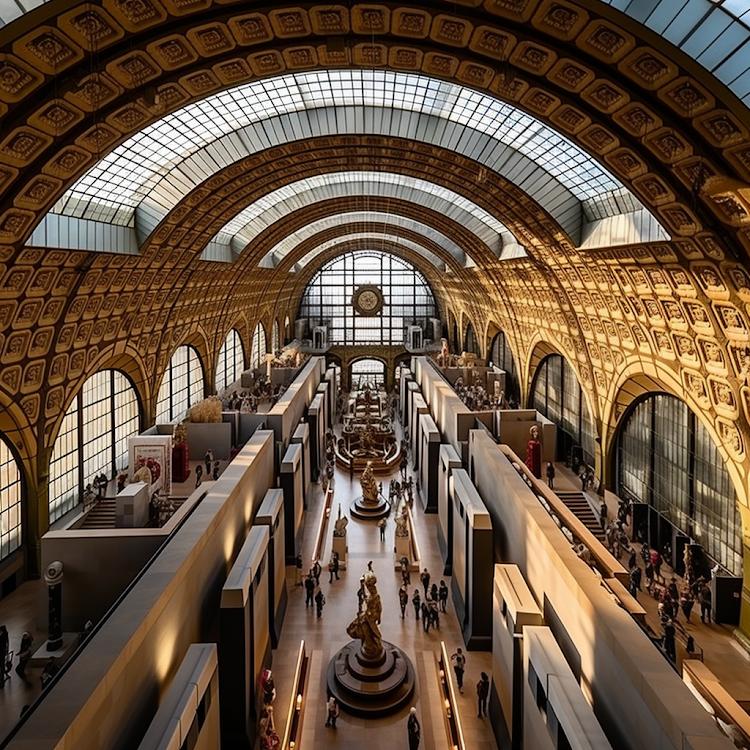
The clock faces are the first thing — two of them, enormous, their glass centres letting light pour through onto the central nave below. Victor Laloux designed this building as a Beaux-Arts railway station in time for the 1900 Universal Exhibition, and the bones of it are still everywhere: the barrel-vaulted ceiling, the limestone facade facing the Seine, the platforms that became gallery floors.
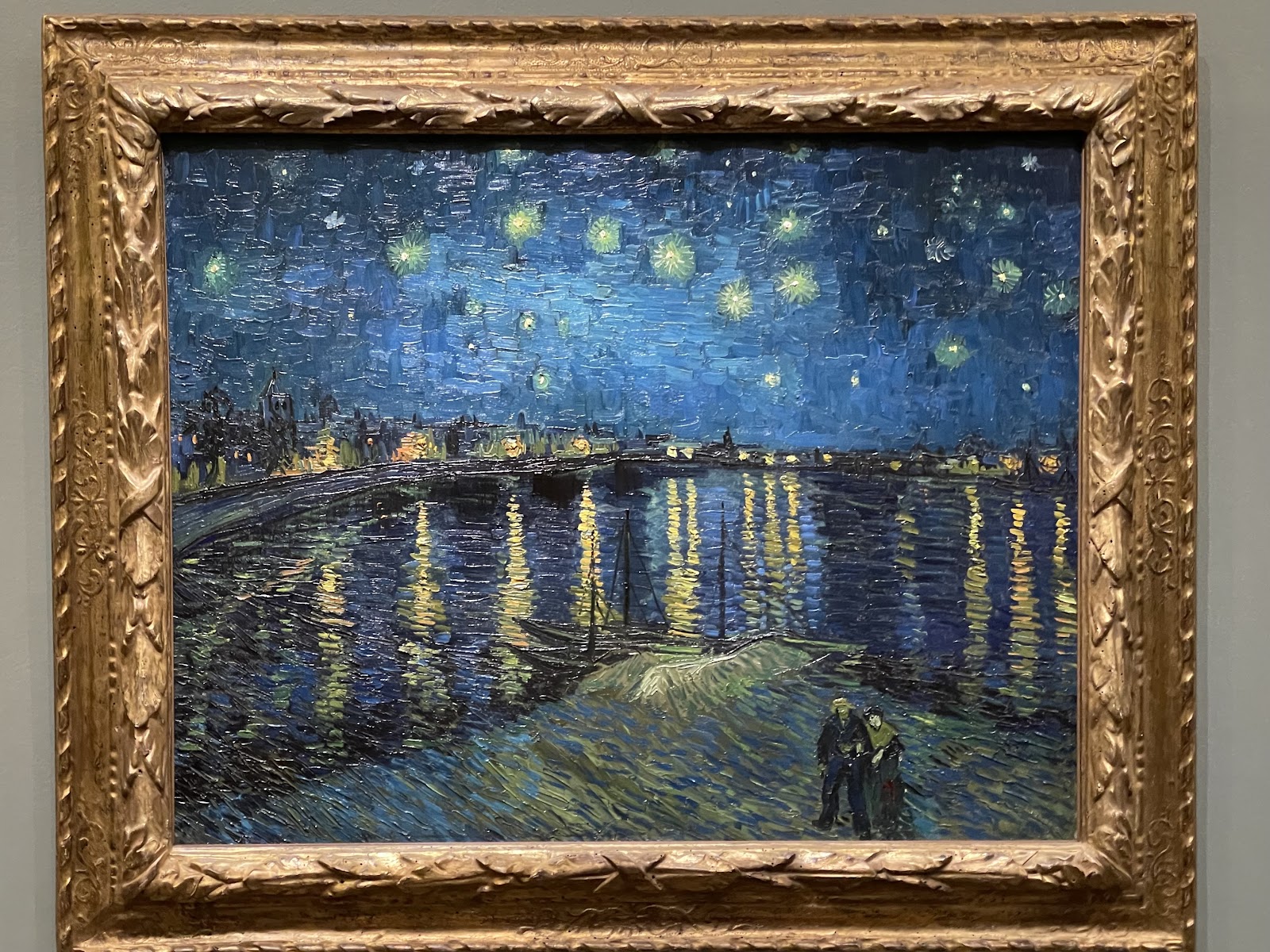
Today around 3,000 works fill those three levels, all of them made between 1848 and 1914 — Monet's haystacks, Degas's dancers caught mid-rehearsal, Van Gogh's self-portrait with the restless brushwork. The collection ends exactly where it begins to feel urgent, which is part of what makes the span feel so deliberate.
💛 What travellers fall for
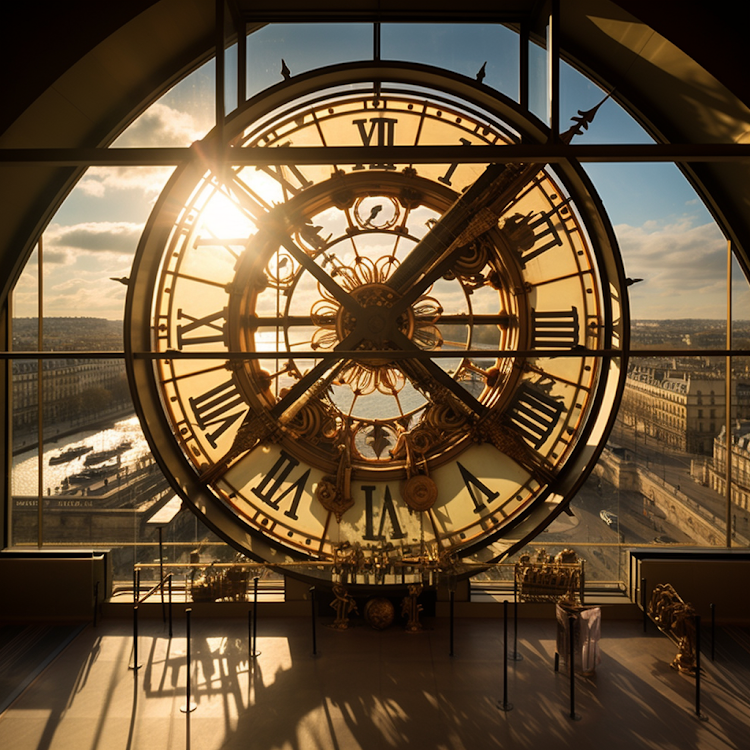
Thursday evenings after 6 pm are reliably quieter, and the ticket is cheaper — €10 at the door. The terrace off the Impressionist galleries on the fifth floor, open in summer, frames the rooftops through one of those clock faces in a way that no photo quite captures. The free cloakroom is worth using; the bags-on-back rule in the galleries is enforced.
The story behind Musée d'Orsay
Gare d'Orsay opened on 28 May 1900, the world's first electrified urban rail terminal, built in under two years by architects Victor Laloux, Lucien Magne and Émile Bénard. Its platforms were too short for the longer trains that came after the war, and it closed to mainline rail in 1939, drifting through decades of partial use before the last suburban trains stopped running in 1973.
President Valéry Giscard d'Estaing set the conversion in motion in October 1977. The team of Pierre Colboc, Renaud Bardon and Jean-Paul Philippon won the architectural commission, with Italian designer Gae Aulenti brought in for the interiors in 1981. François Mitterrand inaugurated the museum on 1 December 1986; it opened to the public nine days later.
Good to know
RER C drops you directly at Musée d'Orsay station — two minutes on foot. Book online in advance; the walk-up queue averages 50 minutes. The museum is closed Mondays and on 25 December. Entry is free on the first Sunday of each month and for EU residents under 26.
Where is Musée d'Orsay?
More tickets & tours for Musée d'Orsay
Book directly at the provider
What travellers say about Musée d'Orsay
I think this museum is absolutely beautiful. I visited on a Thursday evening and didn’t have much time, but I still had a wonderful experience. I’ll definitely come back one day to explore it properly. I mainly wanted to visit the fifth floor, which I did, and the paintings there are simply spectacular. And of course, the famous clock is absolutely stunning. The view through it over Paris is just beautiful. I can highly recommend visiting this museum. Even a short visit was absolutely worth it.
Visited during museum night on Saturday, May 23 — and it made the experience feel even more special. The building itself is already stunning as a former railway station, but seeing the galleries in the evening gave everything a different atmosphere: quieter, softer light, and somehow more intimate. Walking through the Impressionist collection at night felt unforgettable. Also loved stopping by the giant clock and looking out over Paris — one of those moments that makes you slow down and just enjoy being there. If you have the chance to visit during museum night, I’d highly recommend it.
The Musée d’Orsay is one of the most beautiful museums in Paris, especially famous for its incredible collection of Impressionist and Post-Impressionist art. Housed in a former railway station, the building itself is stunning, with its huge glass clock and open, elegant interior. Inside, you’ll find masterpieces by artists like Vincent van Gogh, Claude Monet, and Édouard Manet. The museum feels bright and spacious, and it’s easy to spend hours just walking through the different galleries. The upper floors also offer great views through the giant clock windows, which is one of the most iconic photo spots in Paris. An unforgettable cultural experience.
I visited on a Saturday with a timed ticket and didn't have to wait at all. I was able to enter about 20 mins early. The museum is set in an absolutely stunning building. The collection of art is vast and incredible to explore. I would definitely recommend spending at least half a day here due to the size. Some of the exhibits on Renoir and Van Gogh were extremely busy but there are also much quieter parts of the museum which have art which is just as if not more impressive.
Visited Musée d’Orsay during the evening opening at around 6:30 PM. The museum offers extended opening hours on Thursdays, which is a great option for visitors who prefer a less crowded experience. The crowd was very manageable, allowing us to enjoy the exhibits comfortably. It is a large museum with an impressive collection of artworks. We headed to Level 5 to see the famous works of Vincent van Gogh and other renowned artists, which was definitely one of the highlights of our visit. Overall, it was a very enjoyable experience. The museum is well worth visiting, especially during the Thursday evening opening when the atmosphere is more relaxed.
More of Paris
Discover where to stay, what to do and the best deals for your trip.
Explore Paris →More attractions in Paris
All of Paris →
Background adapted from Wikipedia (CC BY-SA) · map data © OpenStreetMap contributors · ratings & place photos via Google · other photos with per-image credit. Ticket links may earn us a commission at no extra cost to you.