
Le Marais
Medieval lanes, hidden courtyards and the city's most browsable boutiques.
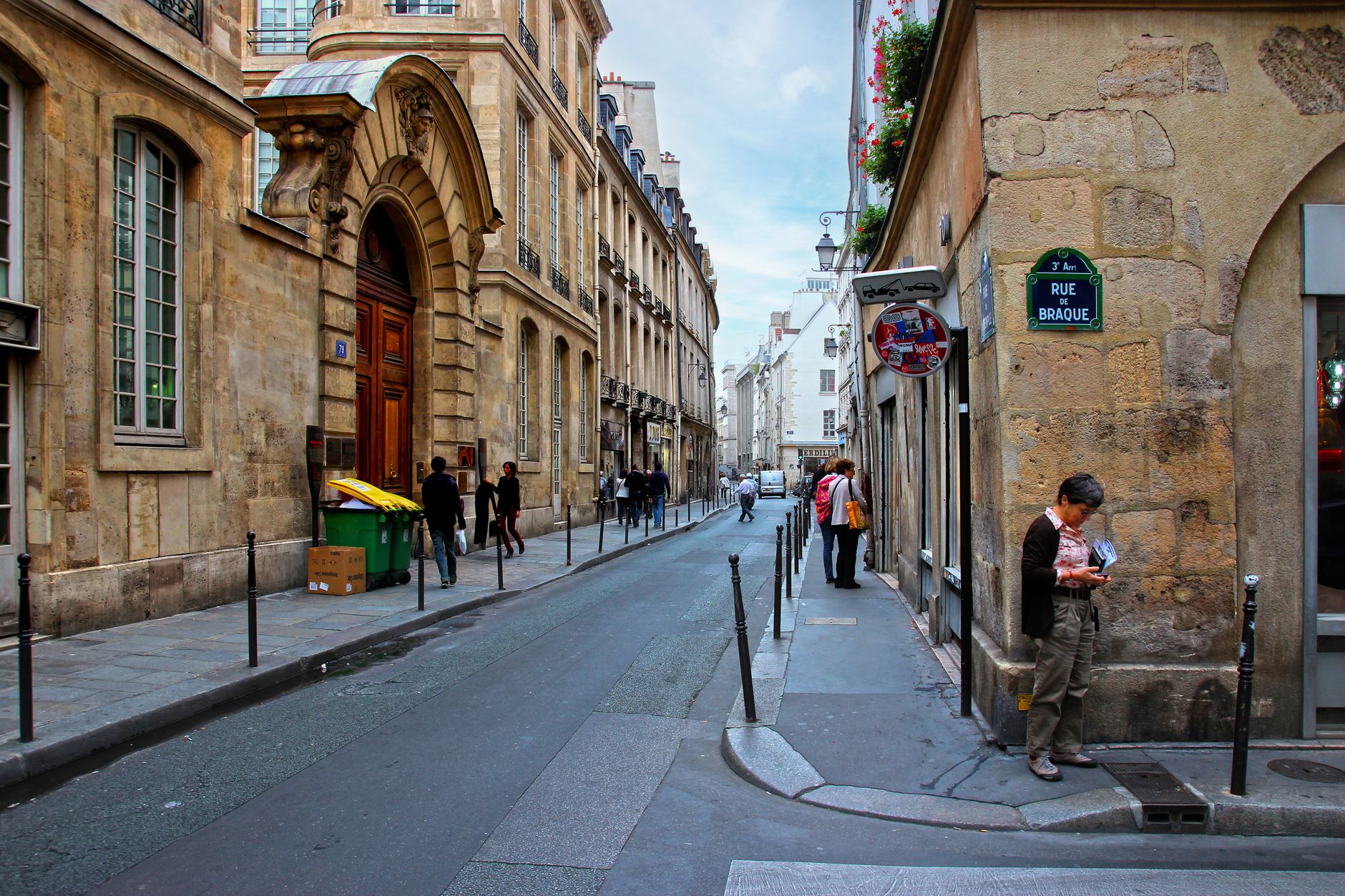
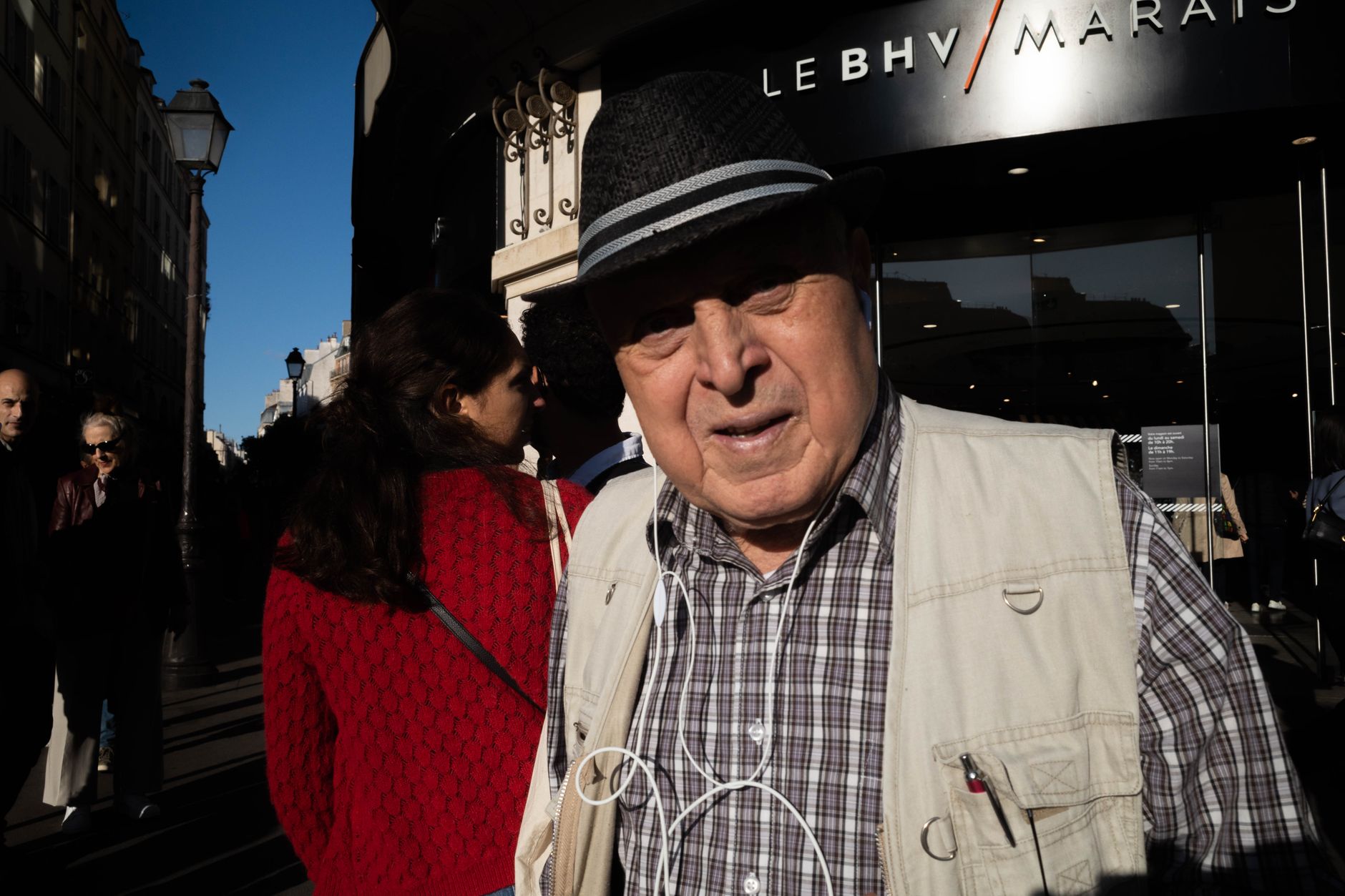
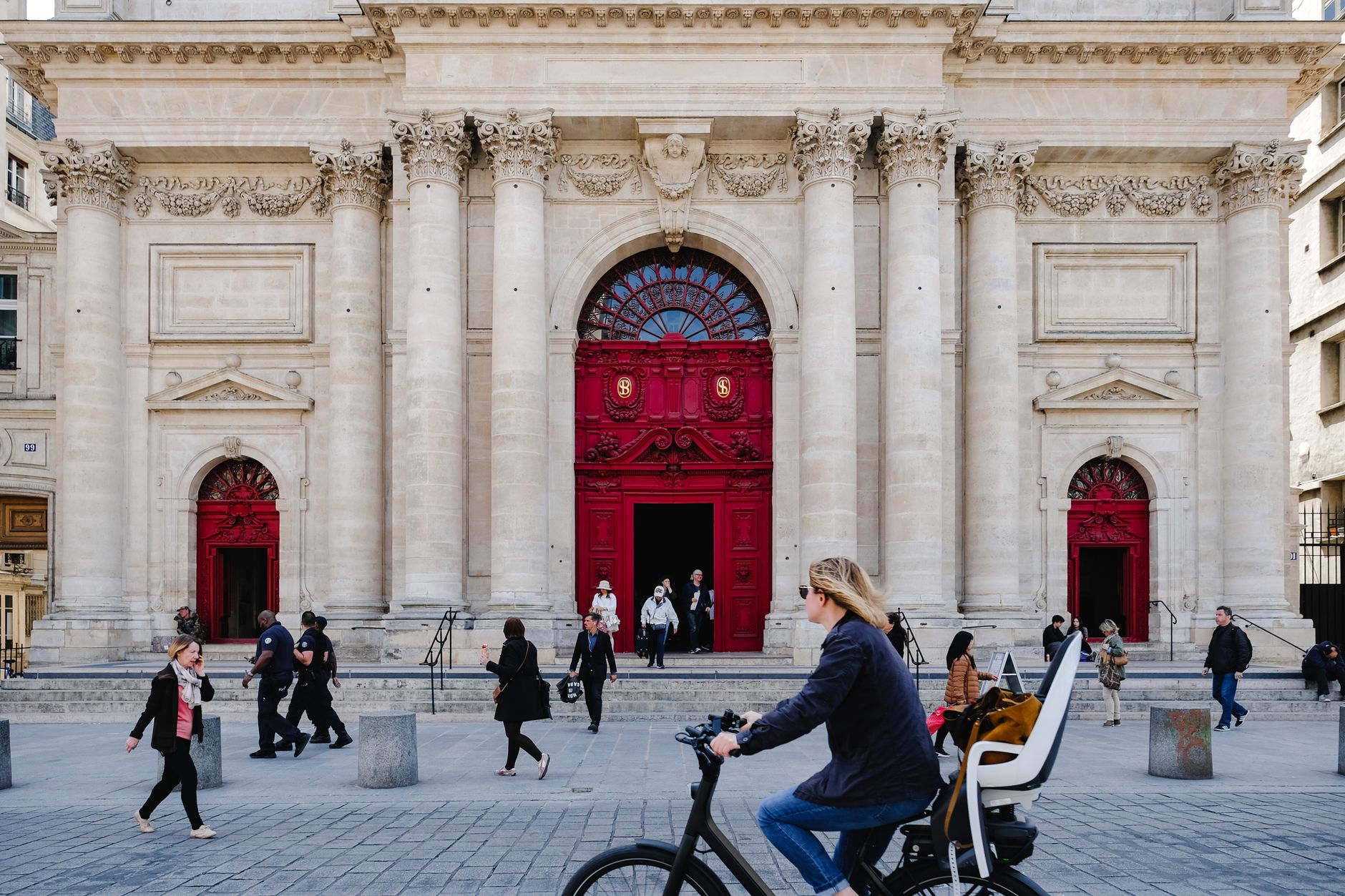
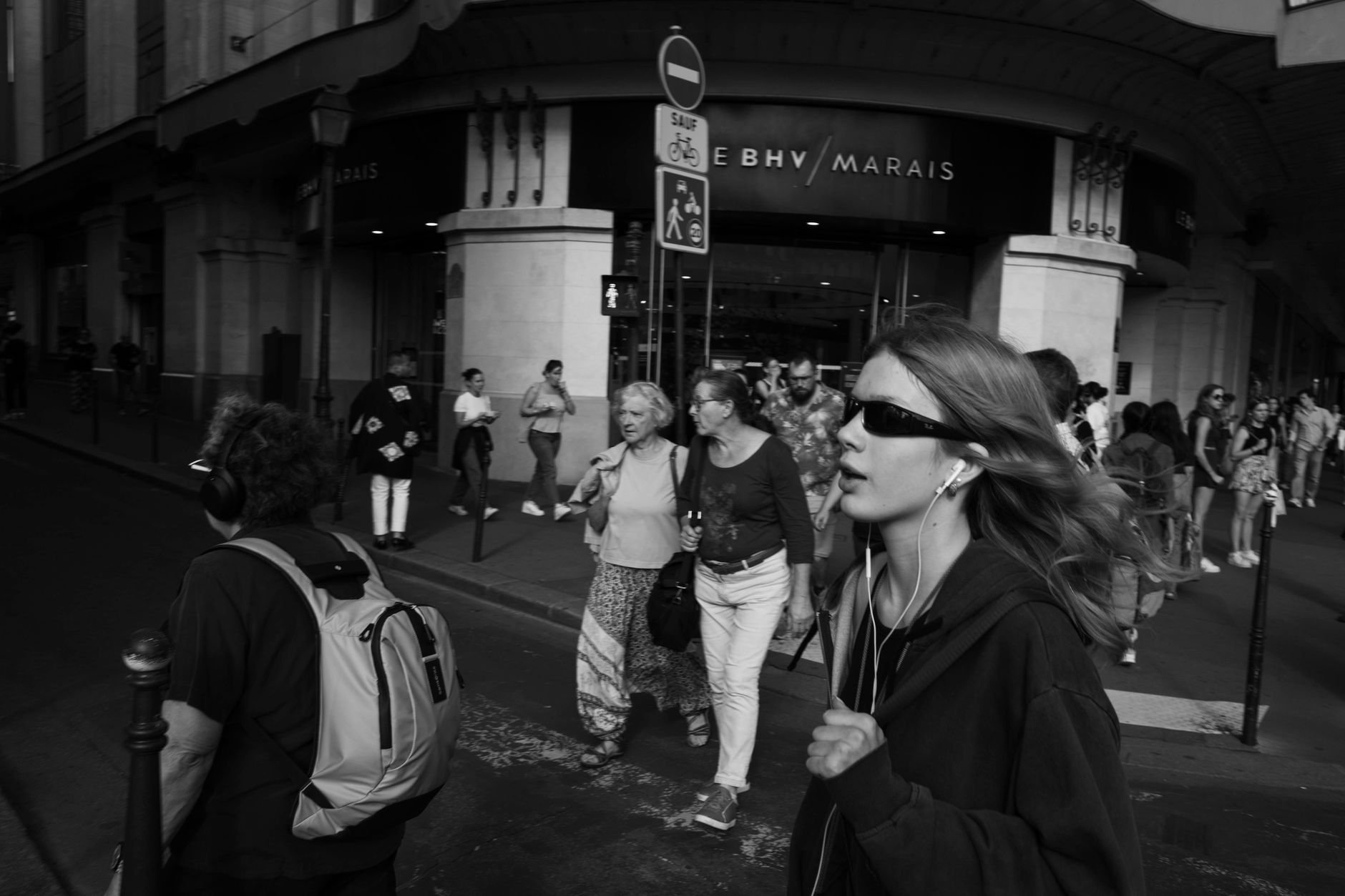
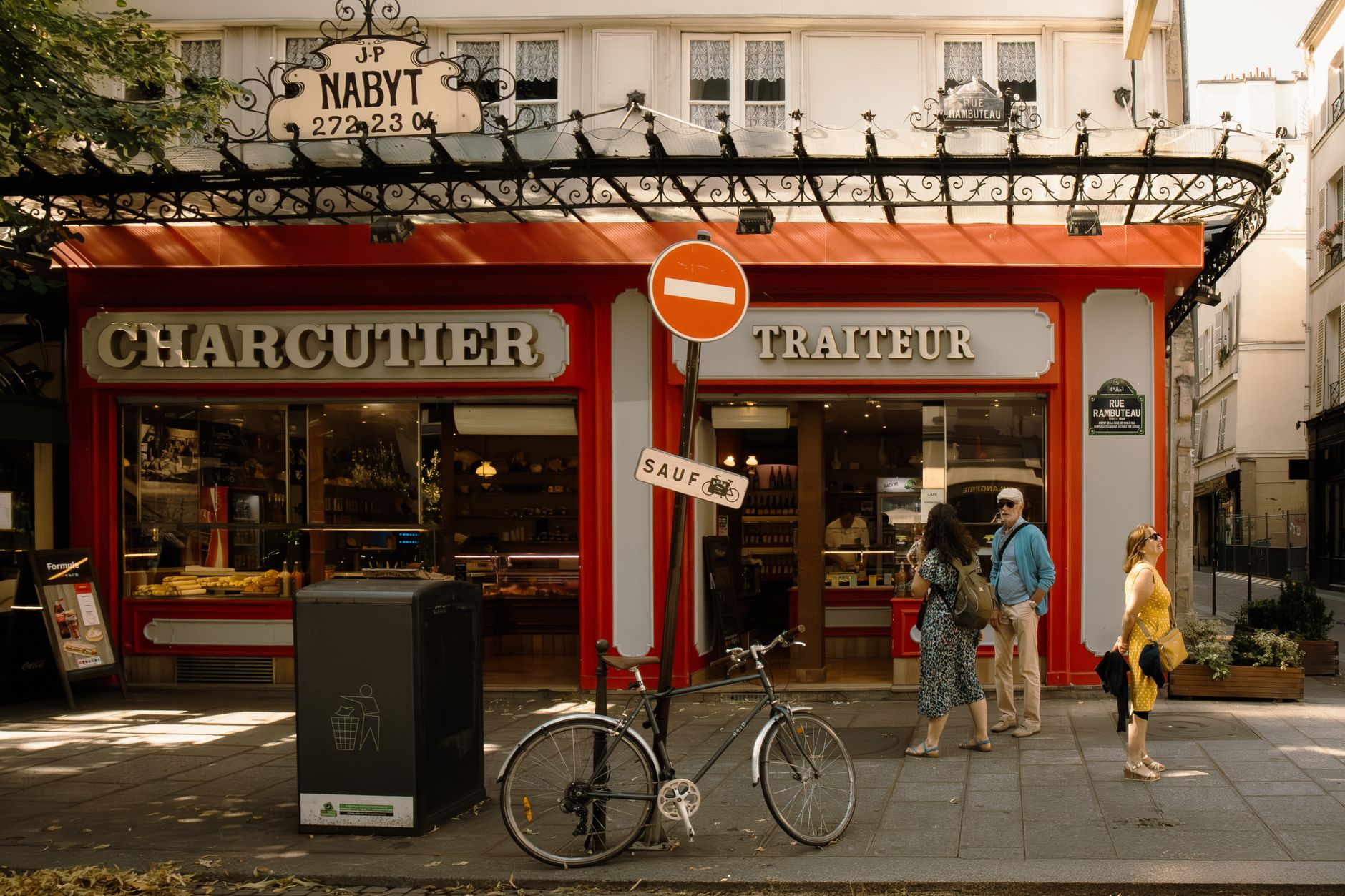
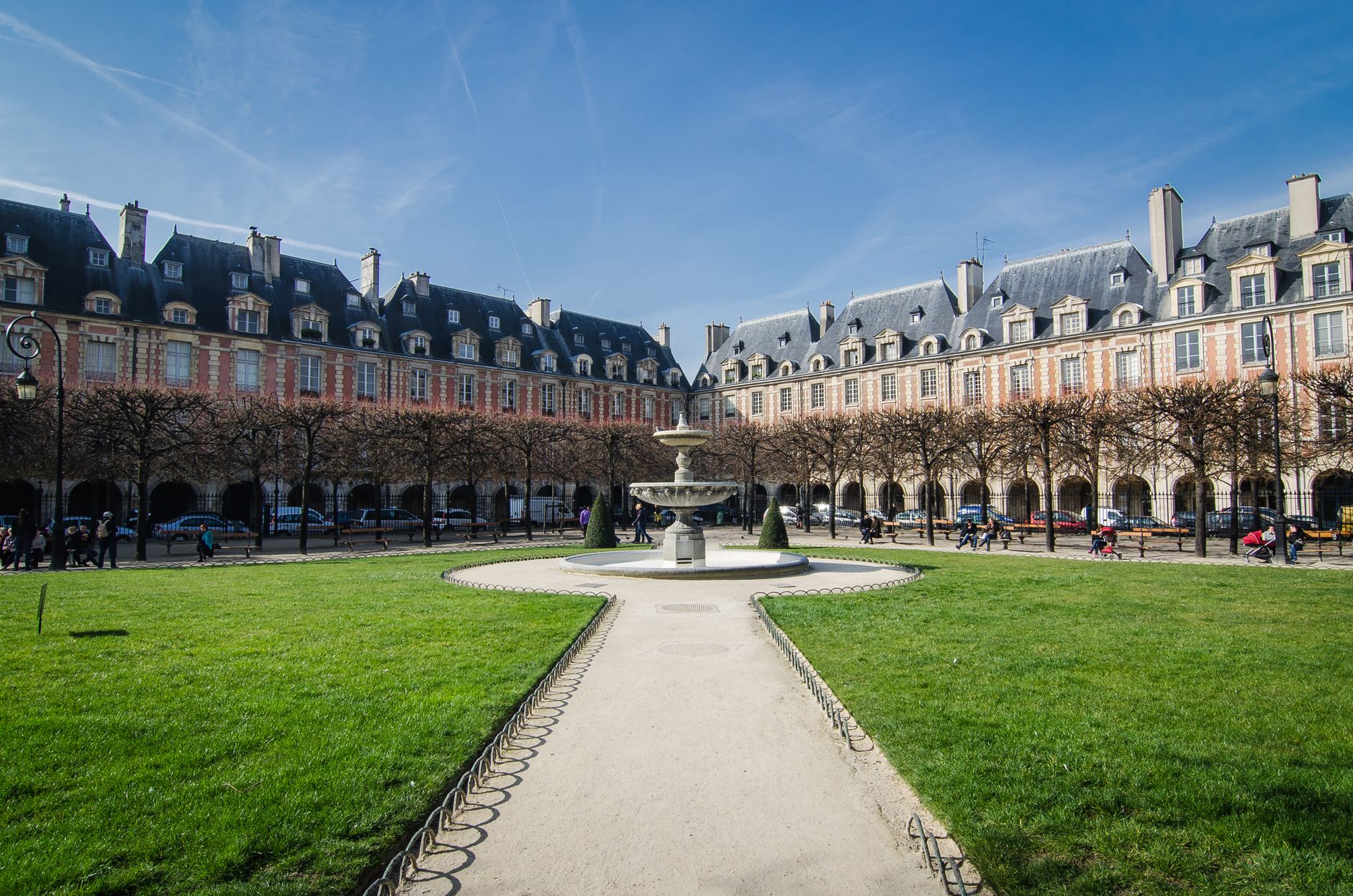
Walk almost anywhere in Le Marais and you'll find yourself standing in a courtyard that the 17th century forgot to update. The hôtels particuliers — grand private mansions built for aristocrats flush with Louis XIV–era money — survive here in a density unmatched anywhere else in Paris, their stone facades giving onto streets that still follow medieval logic rather than Haussmann's grid.
The neighbourhood runs from the Centre Pompidou's inside-out scaffolding in the west to the quiet lanes behind Place des Vosges in the east. Between those two poles: covered markets, baroque churches, serious museums, and the kind of independent shops that reward slow walking.
💛 What travellers fall for
People who know the Marais well tend to arrive early on a Sunday, when Rue de Bretagne is quiet enough to get a table at the Marché des Enfants Rouges — Paris's oldest covered market, trading since 1615 — without queuing. They also know that Tour Saint-Jacques, the lone Gothic tower on the western edge, opens for guided visits only from May to November, and books out fast.
How Le Marais came to be
The name tells the story: marais means marsh. Religious orders drained this soggy Right Bank ground from the 12th century onward, and by the 14th century the Hôtel de Ville had taken root here. The neighbourhood's golden age arrived with Henri IV, who commissioned Place des Vosges — then called Place Royale — between 1607 and 1612. Its 36 red-brick mansions with ground-level arcades set the template for European urban planning. Victor Hugo lived at number 6.
After the Revolution stripped the aristocracy of its properties, the Marais slid into working-class disrepair, its architectural treasures subdivided and neglected. By the 1950s the hôtels particuliers were crumbling. André Malraux, de Gaulle's Minister of Culture, intervened in 1962 with France's first historic preservation law, designating the Marais a secteur sauvegardé. Decades of restoration followed, turning mansions into museums — Hôtel Salé became the Picasso Museum, Hôtel Carnavalet the Paris Historical Museum.
Who and what shaped it
People who shaped it
Landmark buildings
Plan your visit
On the map
When to go
Background & history adapted from Wikipedia (CC BY-SA) · specs from Wikidata (CC0) · weather from Open-Meteo · map data © OpenStreetMap contributors · photos from Wikimedia Commons / Unsplash with per-image credit. No third-party reviews or social posts reproduced.