
Occitanie
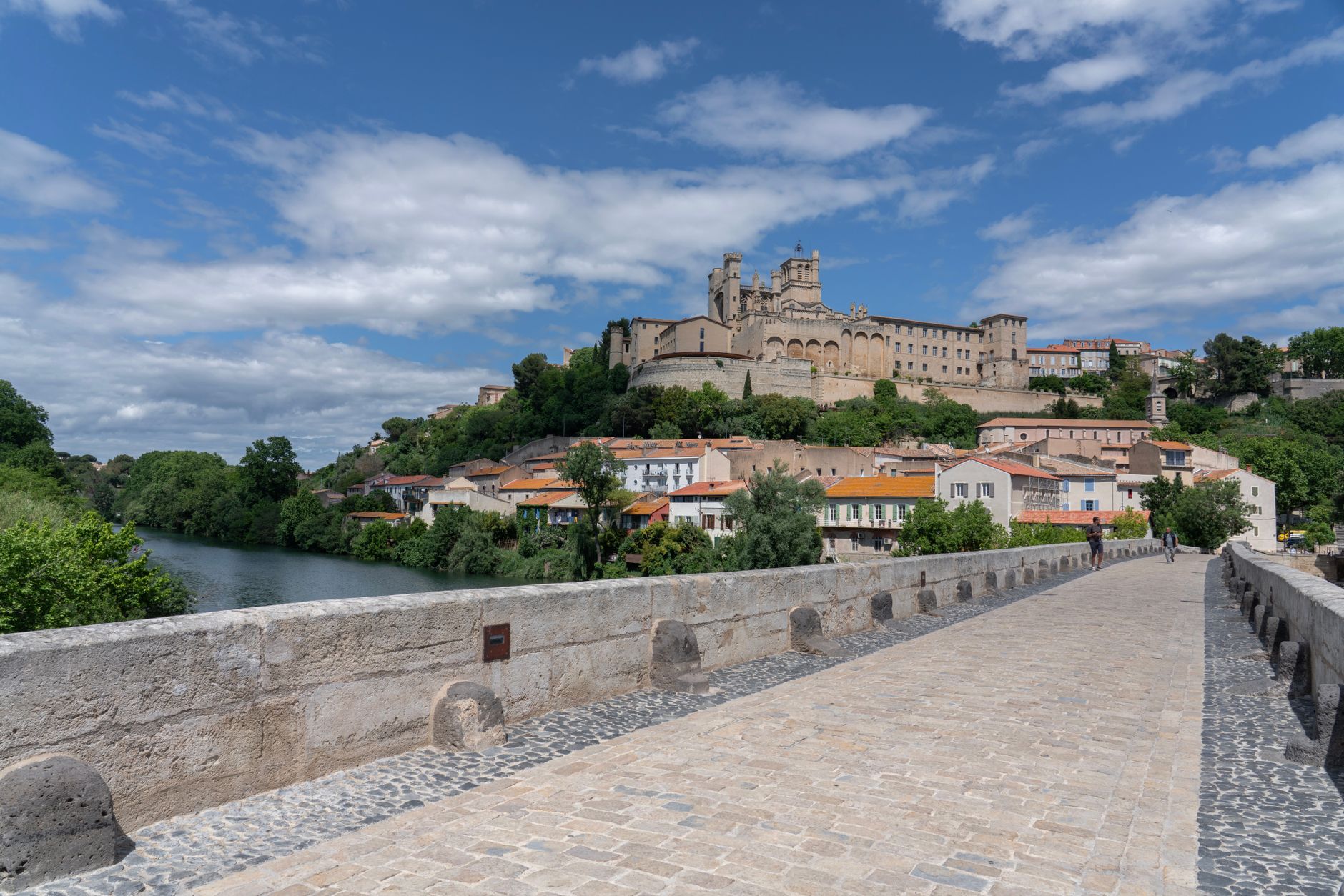
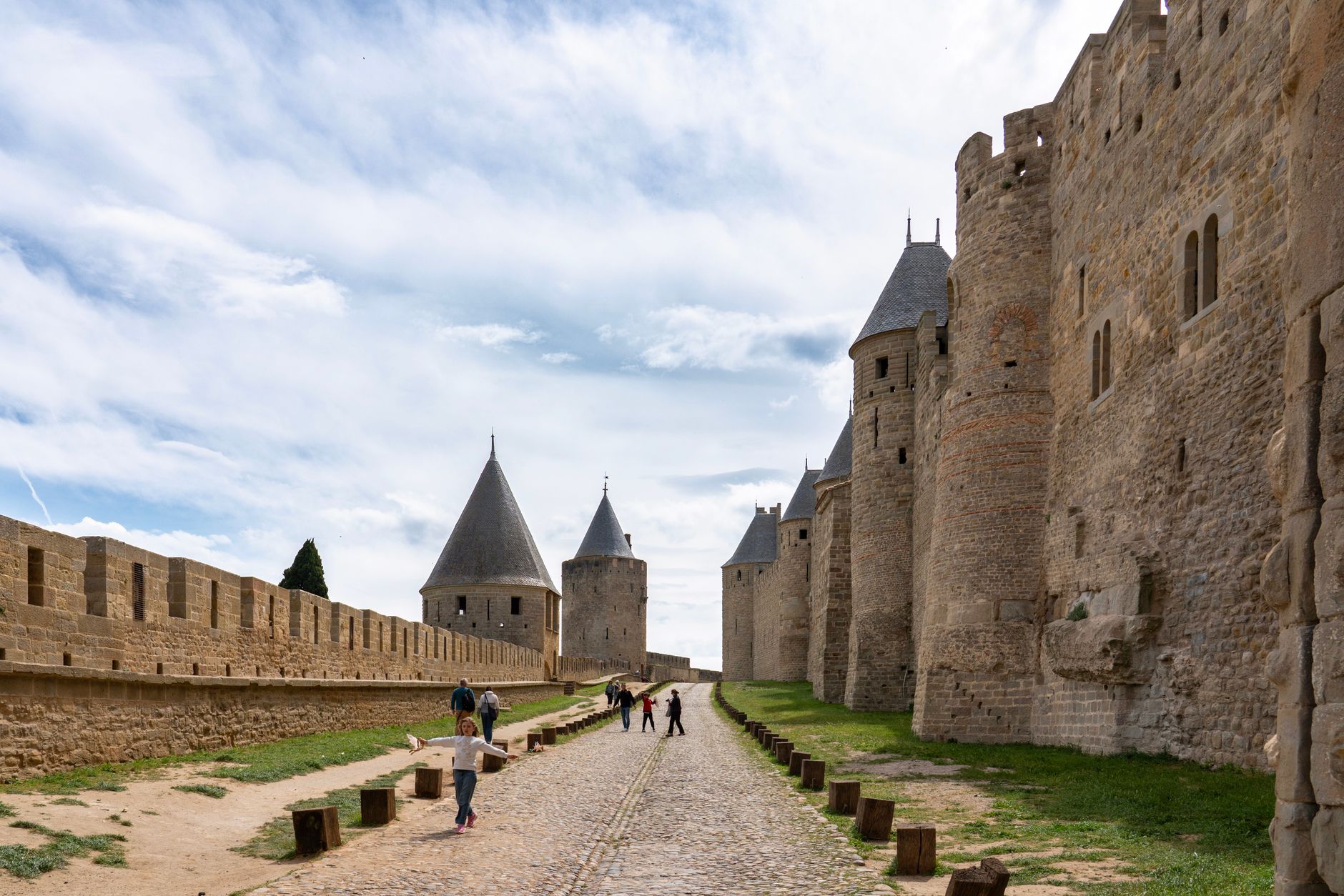
Occitanie is where a Roman aqueduct still stands forty-eight metres above a river gorge, where a medieval walled city stretches its walls for three kilometres across a hilltop, and where the Canal du Midi — all 360 kilometres of it — moves through the landscape as slowly as the water inside it. The region runs from the Pyrenees in the south to the Massif Central in the north, and from the Atlantic approaches in the west to the Mediterranean coast in the east, taking in red-brick Toulouse, the plains of Languedoc, and the Cathar country in between.
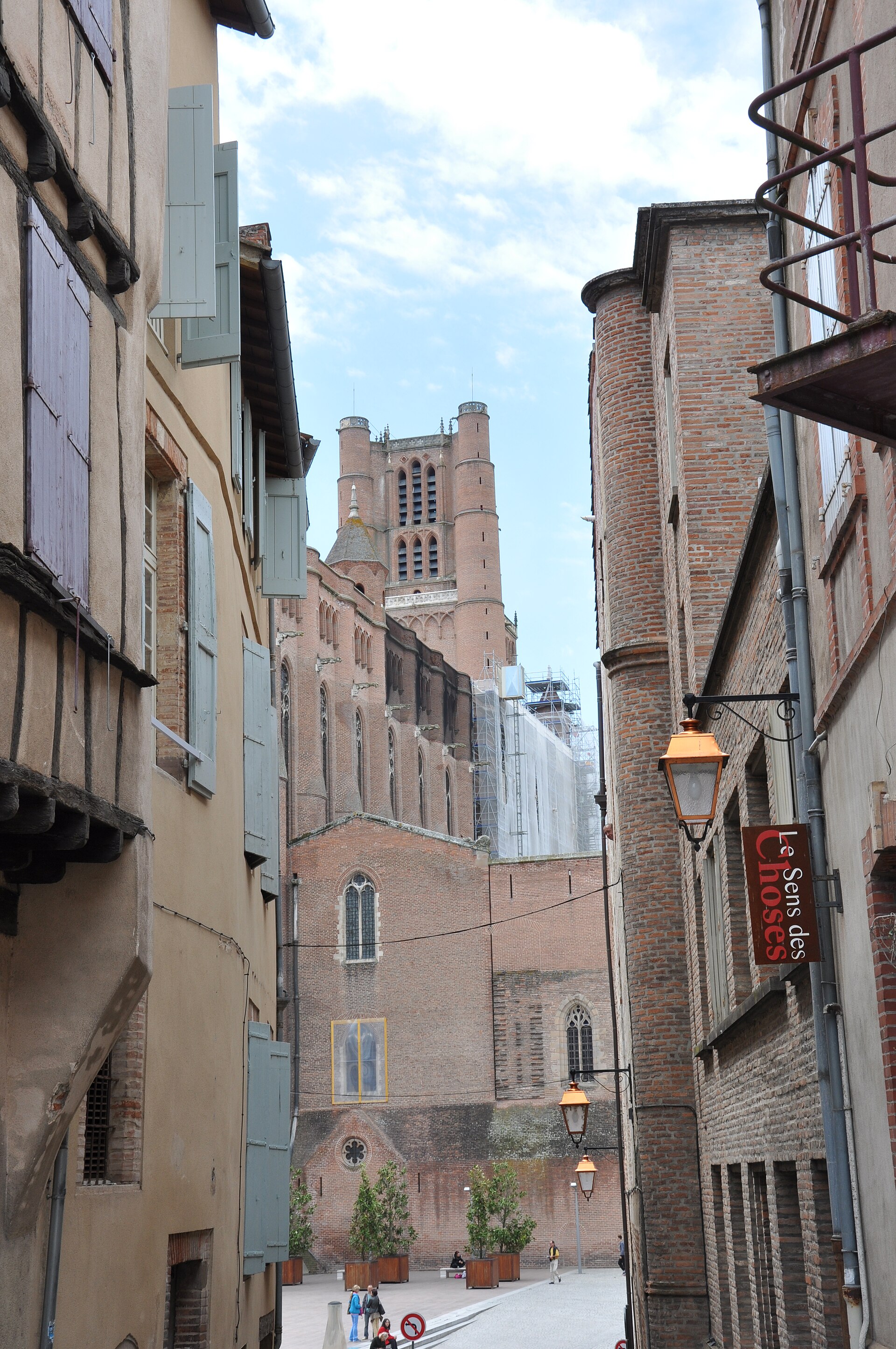
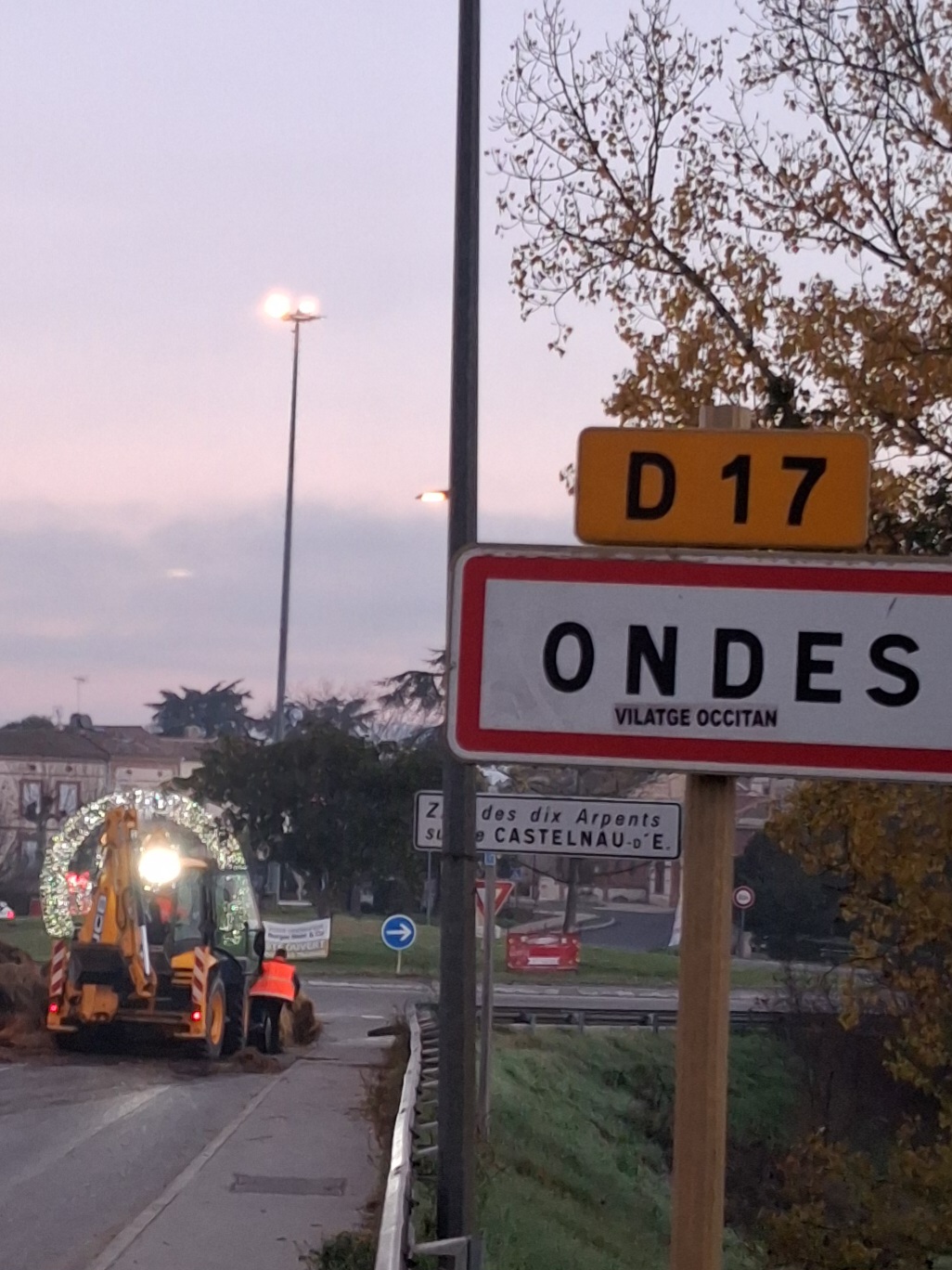
What you notice, travelling through it, is the layering: Roman columns sharing a street with Gothic brick, troubadour culture bleeding into Catalan influence near Perpignan, the Occitan language surfacing on road signs and market stalls. This is one of the largest regions in France by area, and it rewards the kind of travel that follows a thread rather than a checklist.
Experiences you don't want to miss




How Occitanie came to be
The name Occitanie points to something older than any modern border: the Oc-speaking lands of medieval southern France, where troubadour poetry flourished under the patronage of courts like that of William IX, Duke of Aquitaine, in the 12th century. The region's political independence ended violently — the Albigensian Crusades of the 13th century brought the counts of Toulouse and the broader meridional nobility under the French crown, a process effectively complete by 1471. The Parlement of Toulouse, founded in 1443, became a centre of southern legal and intellectual life long after that submission.
The modern administrative region was created in 2016, merging Languedoc-Roussillon and Midi-Pyrénées into a single entity — a reunion of territories that had shared language, landscape, and history for centuries before being divided by 20th-century administrative logic.
Who and what shaped it
People who shaped it
Landmark buildings
See Occitanie in motion
Plan your visit
On the map
When to go
The Mediterranean coast and the plains around Nîmes and Montpellier run hot and dry in summer, with mild winters. Move inland toward Toulouse or into the Pyrenean foothills and the seasons become more pronounced — cooler summers, genuine winters with snow at altitude. The shoulder months of April–May and September–October tend to offer clear skies without the peak-summer heat.
Right now
↡ Cities

No places match these filters.
Background & history adapted from Wikipedia (CC BY-SA) · specs from Wikidata (CC0) · weather from Open-Meteo · map data © OpenStreetMap contributors · photos from Wikimedia Commons / Unsplash with per-image credit. No third-party reviews or social posts reproduced.