
Albi
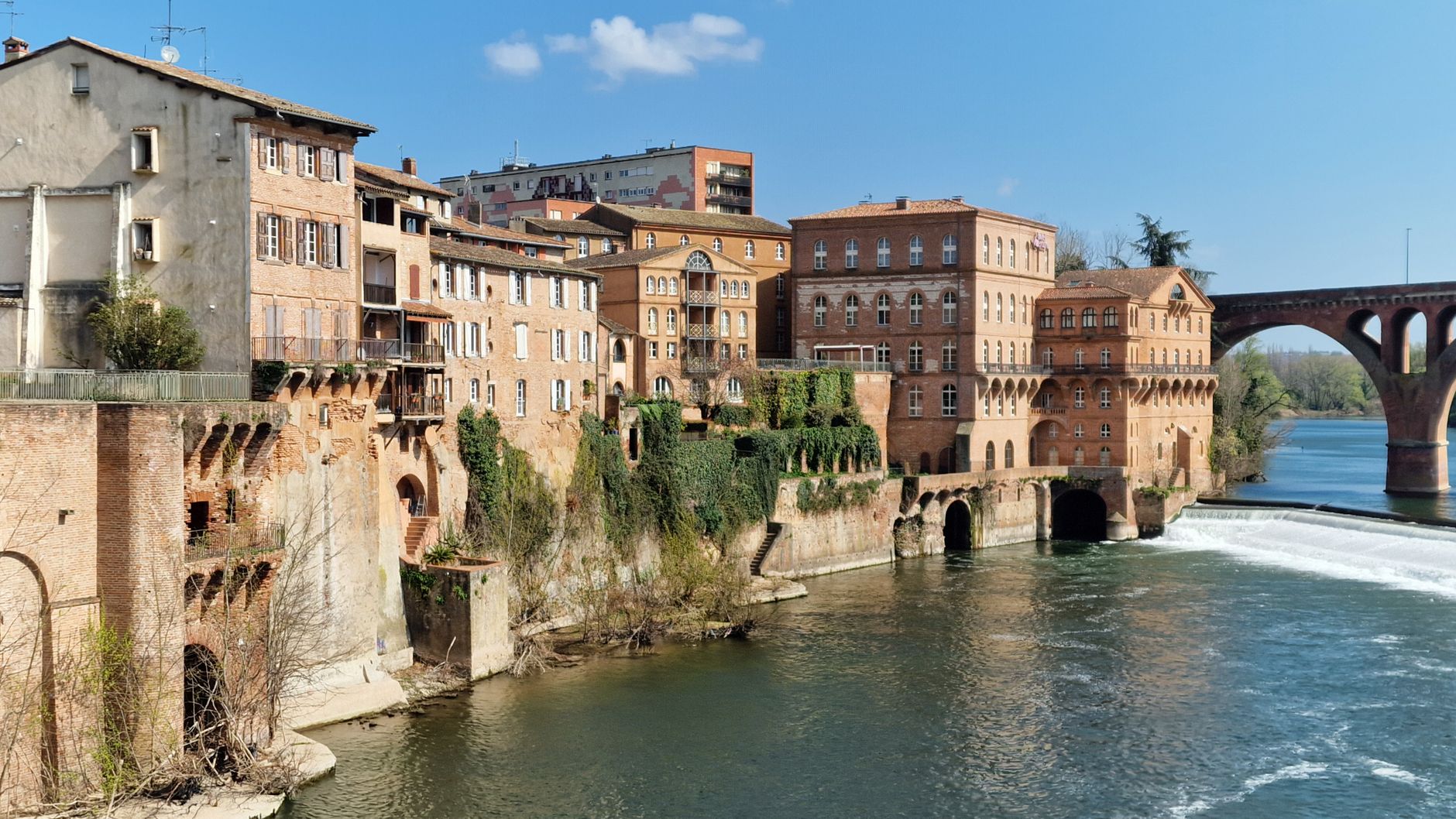
The thing that stops you on arrival in Albi is the cathedral. Not a spire or a rose window — a wall of dark red brick rising 78 metres above the Tarn, more fortress than church, with no flying buttresses to soften the silhouette. Sainte-Cécile took two hundred years to build and was consecrated in 1480; it remains, by some measures, the largest brick building on earth.
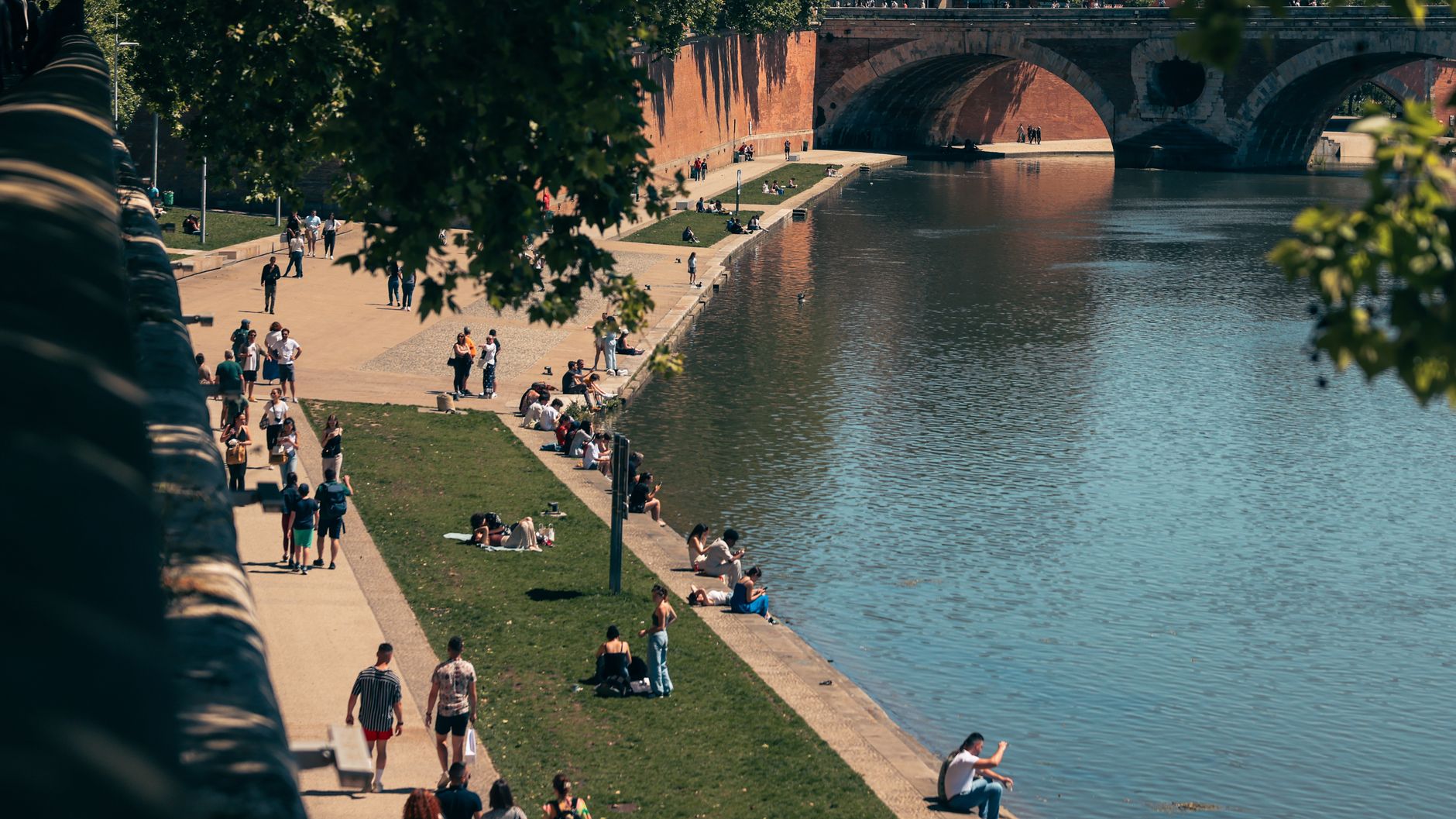
Albi is a small city that punches well above its size. Its medieval Episcopal quarter — cathedral, bishops' palace, old bridge — earned UNESCO status in 2010, and the Palais de la Berbie, older than the Palais des Papes in Avignon, holds the world's largest public collection of Toulouse-Lautrec's work. The river curves around the old town, and the scale stays human throughout.
💛 What travellers fall for
People who come back tend to mention the Berbie Palace gardens at dusk, when the crowds thin and the light on the Tarn goes copper. They also mention arriving hungry: the covered market on Rue de l'Hôtel de Ville, a cast-iron hall dating to 1860, is worth building a morning around before the cathedral claims the rest of your day.
Experiences you don't want to miss


Deals in Albi
Book directly at the provider
How Albi came to be
Bronze Age communities settled the site long before Rome arrived. After Julius Caesar's conquest of Gaul in 51 BC, Albi became the Civitas Albigensium, though archaeological evidence suggests the Roman footprint here was modest. The city's name entered darker history in 1208, when Pope Innocent III launched the Albigensian Crusade against the Cathar heresy that had taken root across the Languedoc.
It was Bishop Bernard de Castanet — inquisitor, cardinal, and formidable institutional operator — who began construction of Sainte-Cécile in 1282, a building whose sheer mass reads as a statement about ecclesiastical power as much as faith. The bishops' palace beside it, completed around the same period, became a museum in 1922 when the city acquired the Toulouse-Lautrec family's collection and opened it to the public.
Who and what shaped it
People who shaped it
Landmark buildings
See Albi in motion
Plan your visit
On the map
When to go
Summers are warm and genuinely sunny, with August highs around 28°C — comfortable for walking the old town early and late in the day. Winters are mild by French standards but damp; January humidity sits near 86%, and the brick of the cathedral darkens noticeably in grey light. April is the wettest month, so May onward is the safer bet.
Right now
Background & history adapted from Wikipedia (CC BY-SA) · specs from Wikidata (CC0) · weather from Open-Meteo · map data © OpenStreetMap contributors · photos from Wikimedia Commons / Unsplash with per-image credit. No third-party reviews or social posts reproduced.