
Cathédrale Sainte-Cécile d'Albi
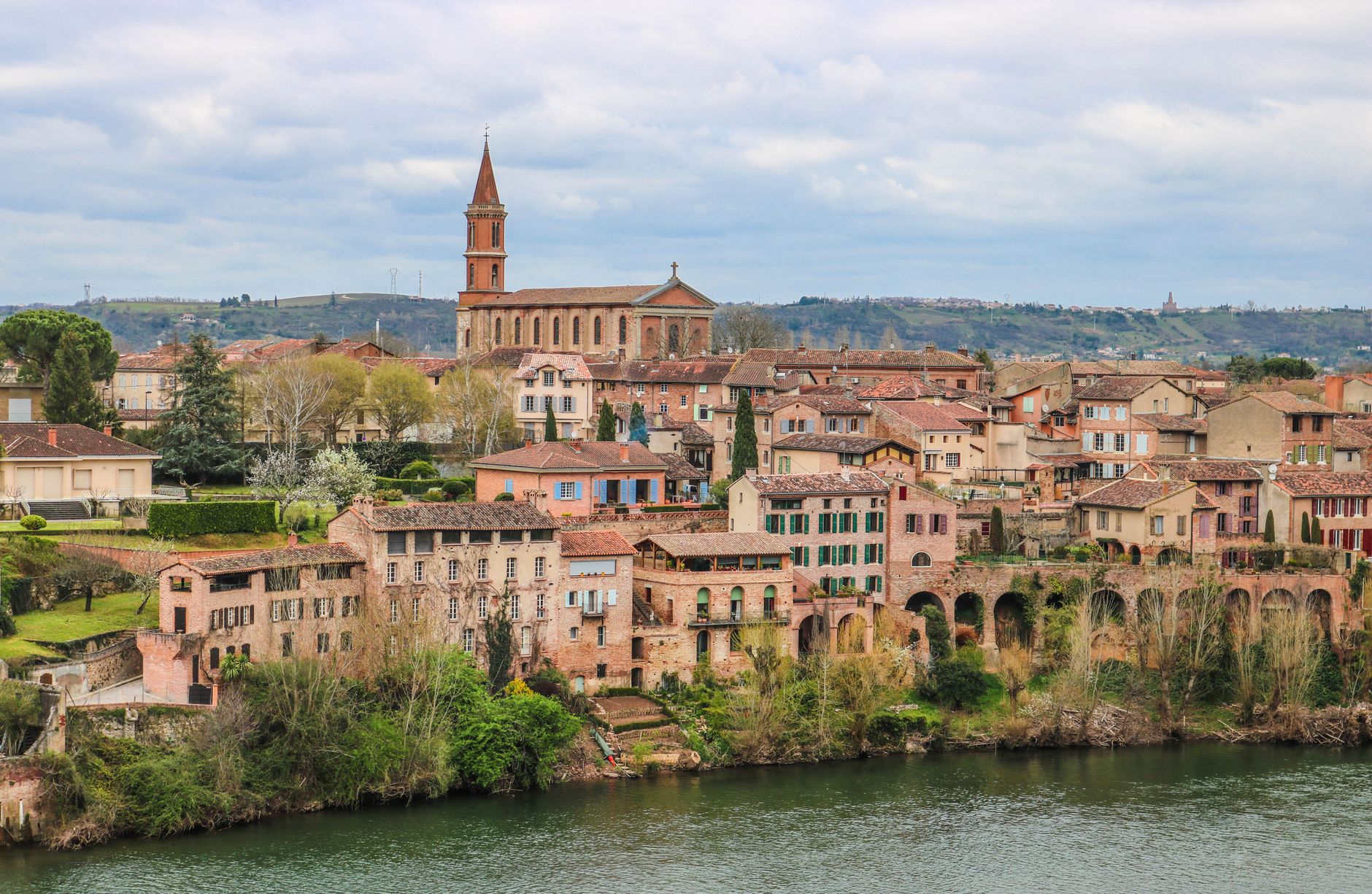
Rising above the Tarn like a terracotta fortress, Sainte-Cécile is the most audacious Gothic cathedral in France — and a UNESCO World Heritage Site. Step inside and the contrast is staggering: the brutal exterior gives way to an explosion of Italianate frescoes, a lacy stone rood screen and the largest painted ceiling in France.

A fortress built to intimidate
Construction began in 1282, just decades after the Albigensian Crusade crushed the Cathar heresy, and the bishops of Albi wanted a building that doubled as a statement of power. The single-nave design, reinforced walls and absence of flying buttresses give it the silhouette of a military keep rather than a place of worship.
Every brick was fired from local clay, giving the cathedral its warm amber glow that shifts from honey to deep rose depending on the hour — early morning and the last hour before sunset are the most photogenic moments.

The interior: a Renaissance explosion
The rood screen (jubé) is a masterpiece of Flamboyant Gothic stonework, carved between 1474 and 1484 with more than 200 individual statues, each face uniquely expressive. Beyond it, the choir stalls are painted in vivid blues, reds and gold that have barely faded in five centuries.
The ceiling fresco, painted by Bolognese artists around 1509, stretches 100 metres and depicts the Last Judgement in hallucinatory detail — pick up a mirror from the entrance desk so you can study it without craning your neck for an hour.
Practical visit tips
The cathedral shares the UNESCO inscription with the Palais de la Berbie next door; a combined ticket saves money and the palace gardens offer the best exterior view of the apse. Allow at least 90 minutes to do both justice.
Guided tours in English run daily in July and August; at other times the free multilingual audio guide covers the highlights thoroughly.
More of Albi
Discover where to stay, what to do and the best deals for your trip.
Explore Albi →


