
Quartier de la Madeleine & Rue Timbal
Two minutes' walk from the cathedral crowds, the Quartier de la Madeleine is a tangle of narrow lanes, half-timbered houses and tiny squares that most visitors walk straight past on their way to the next UNESCO sight. This is where Albi's medieval merchants and cloth traders lived, and the architecture — corbelled timber-frames leaning over cobblestones barely two metres wide — is as well-preserve

What to look for on foot
Start at the Place du Vigan and head north along Rue de l'Hôtel de Ville, then duck left into Rue Timbal — a lane so narrow that the upper floors of facing houses almost touch. The building at number 14 has a carved wooden doorframe dating to the late 15th century; the faces on the corbels are thought to be portraits of the original merchant family.
Continue to the small Place du Sacrament, where a fountain plays under a chestnut tree and a single café puts out four tables in summer. This is a genuinely local square: no tourist menus, no souvenir shops, just residents reading newspapers and the smell of someone's lunch drifting from an open window.
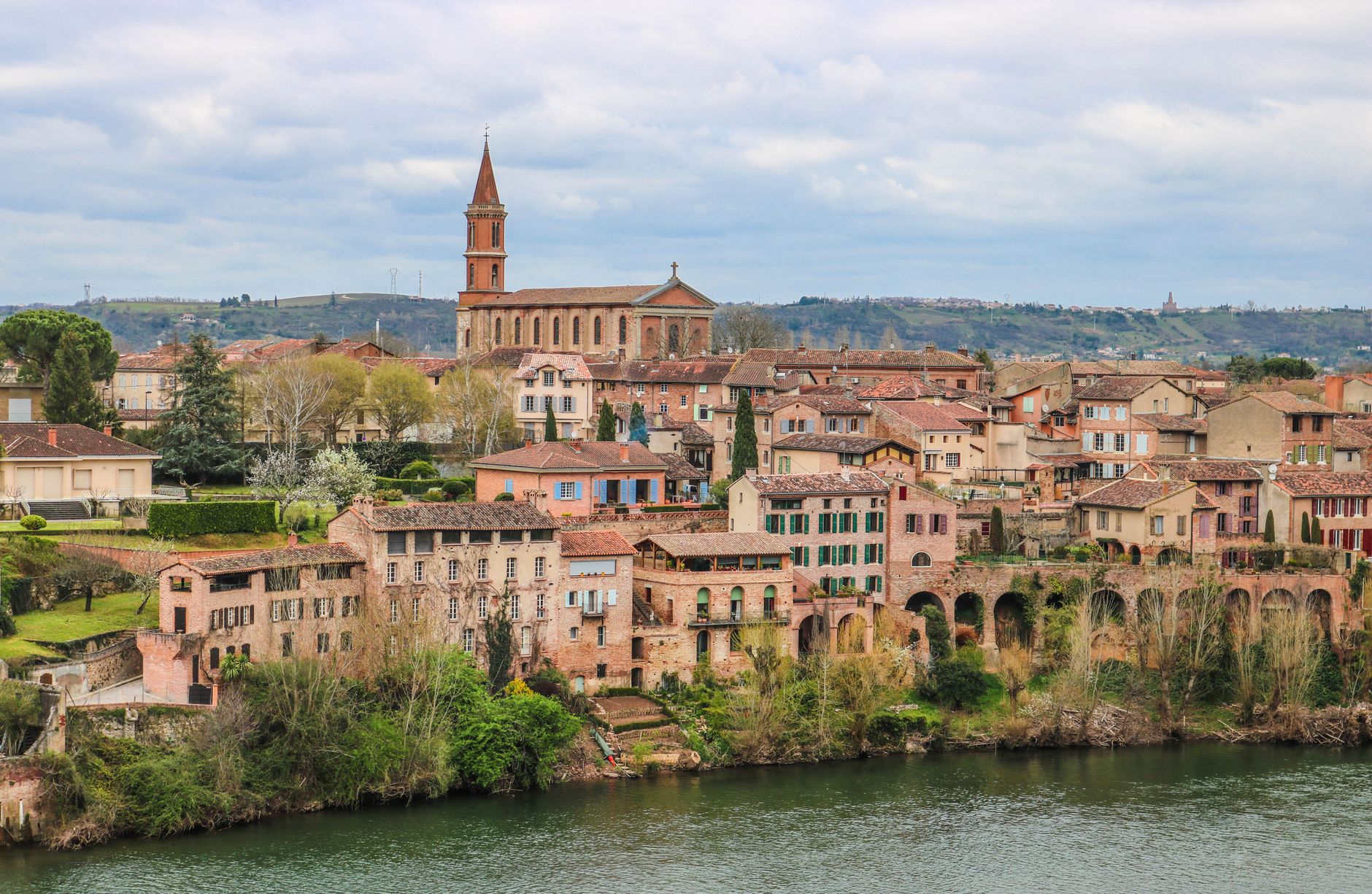
The Madeleine church
The Église de la Madeleine at the quarter's heart is a modest Romanesque church almost entirely ignored by guidebooks, which is precisely why it's worth visiting. The interior is cool, quiet and decorated with a series of 18th-century ex-votos — small painted panels left by sailors and travellers giving thanks for surviving disasters — that are touching and strange in equal measure.
The church is usually unlocked during the day; if you find it shut, the caretaker's contact number is posted on the door and they are generally happy to open it for interested visitors.

The artisan workshops
The streets around Rue Croix-Verte and Rue de la Croix-Blanche still house working artisans: a bookbinder, a luthier repairing stringed instruments and a small atelier producing traditional Albigeois faïence (tin-glazed earthenware) in the blue-and-white patterns that were fashionable here in the 18th century. Most welcome visitors who knock politely.
This neighbourhood is also where Albi's best independent restaurant, Le Lautrec (on Rue Toulouse-Lautrec), sits quietly without a tourist-trap sign in sight — the €16 lunch formule is outstanding value and the duck confit is the real thing.
More of Albi
Discover where to stay, what to do and the best deals for your trip.
Explore Albi →

