
Béziers
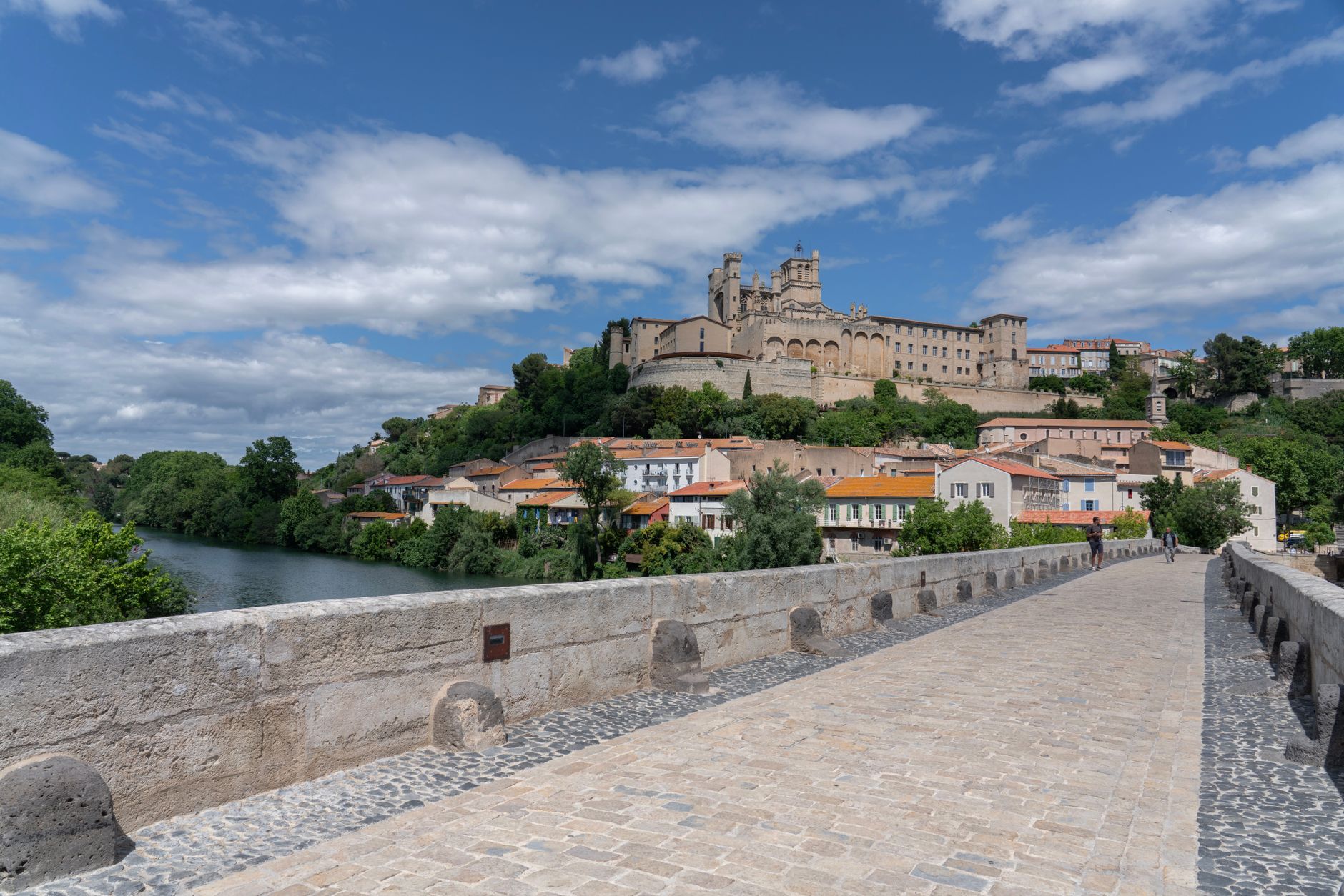
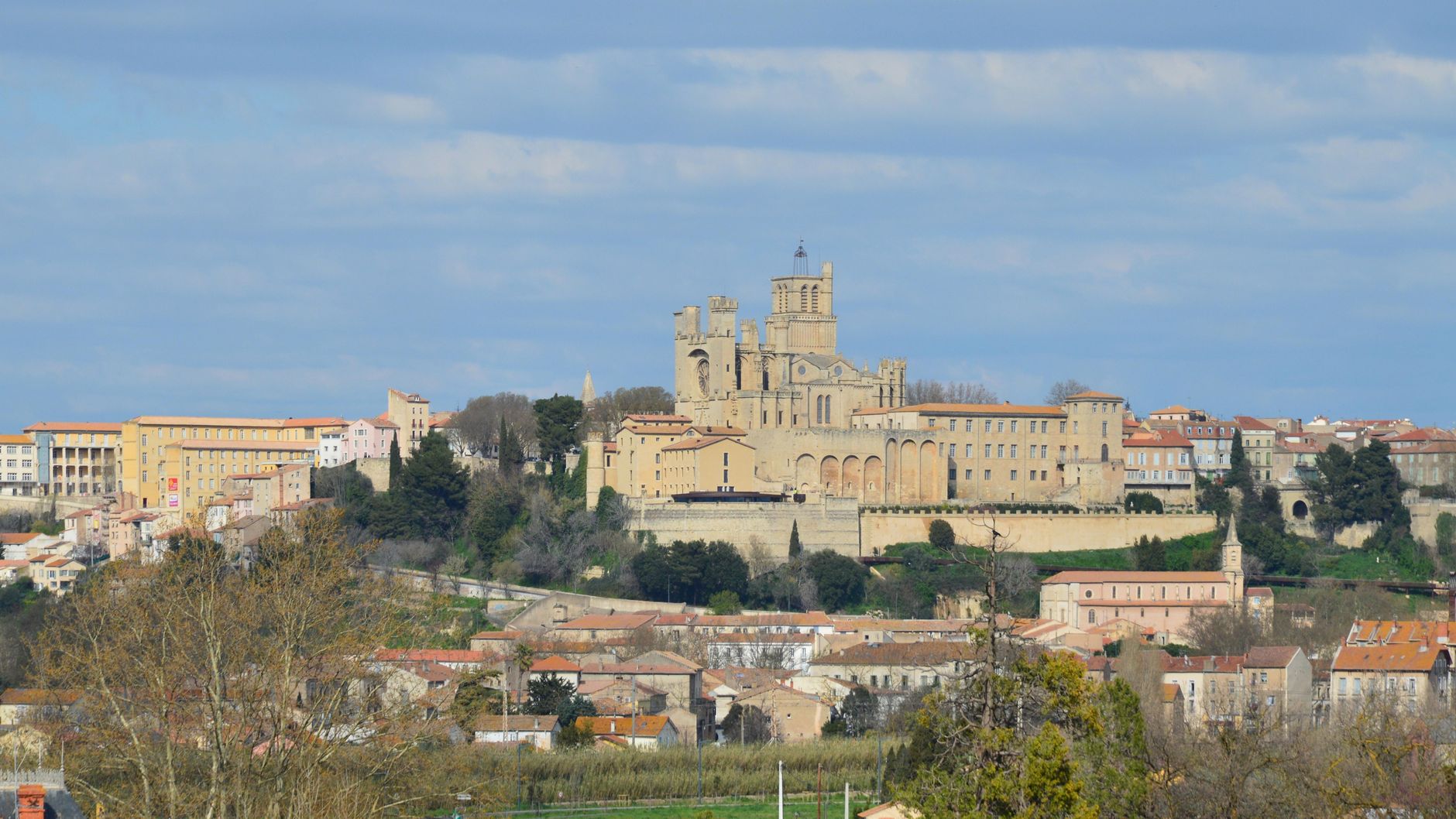
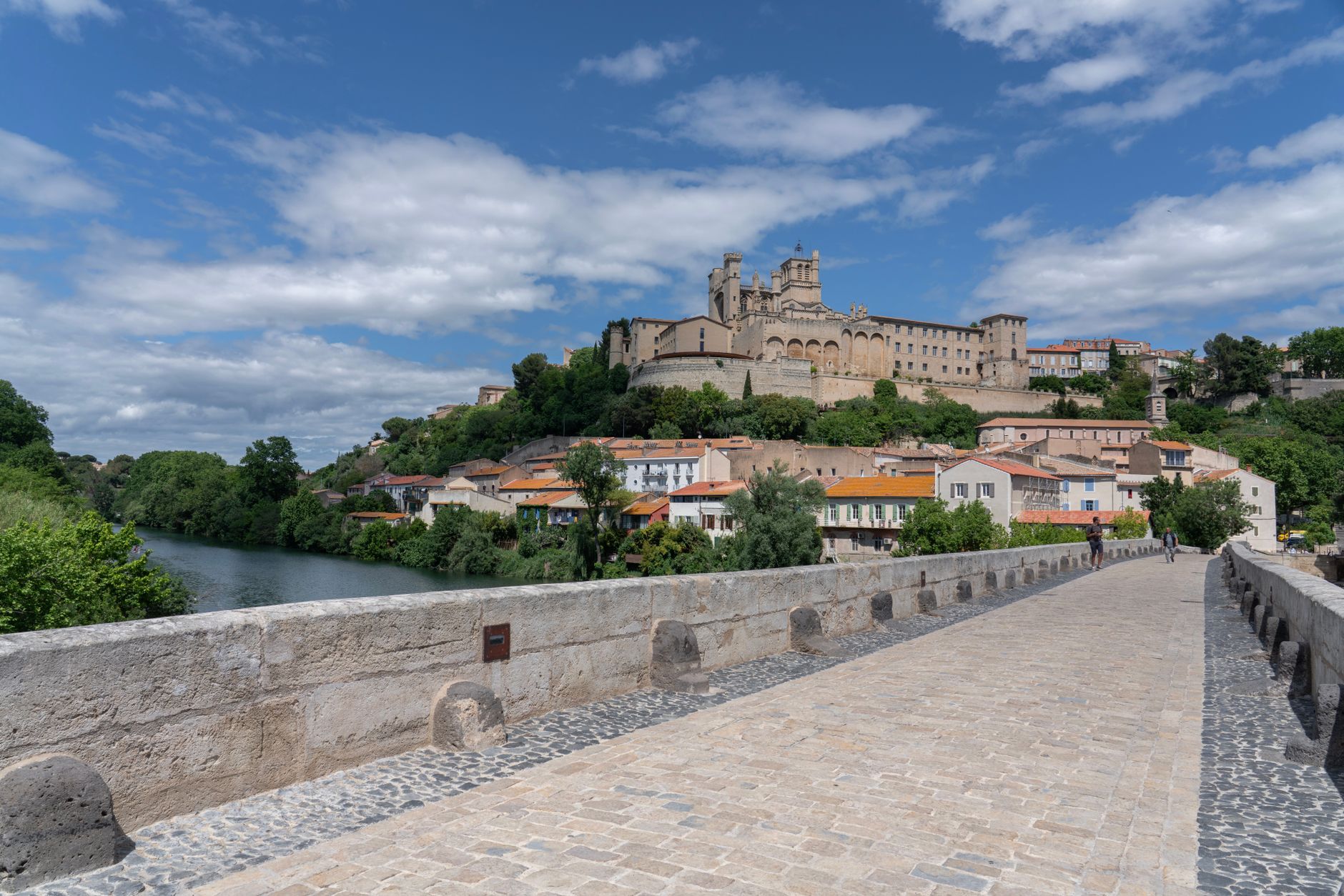
Béziers sits on a hill above the Orb River, and the view that greets you from the Pont Vieux — fifteen medieval arches, the cathedral looming above the old city — is one of those images that tends to stay. This is a place with a long memory: Greek traders were here in 575 BCE, Romans refounded it a few centuries later, and the Canal du Midi, one of Europe's great feats of engineering, still runs through the edge of town.
The city wears its history without making a fuss about it. The cathedral is free to enter, the plane-tree promenade on the Allées Paul Riquet is as good a place as any to sit with a coffee, and the covered market from 1891 still smells the way covered markets should.
💛 What travellers fall for
People who come back tend to mention the same few things: climbing the 165 steps inside Saint-Nazaire to the parapet, the light over the Canal de Fonseranes in the early morning before the tour groups arrive, and the Fine Arts Museum on the rue du Capus — small enough to actually see, with a Van Gogh and a Géricault that earn the detour.
Experiences you don't want to miss



Deals in Béziers
Book directly at the provider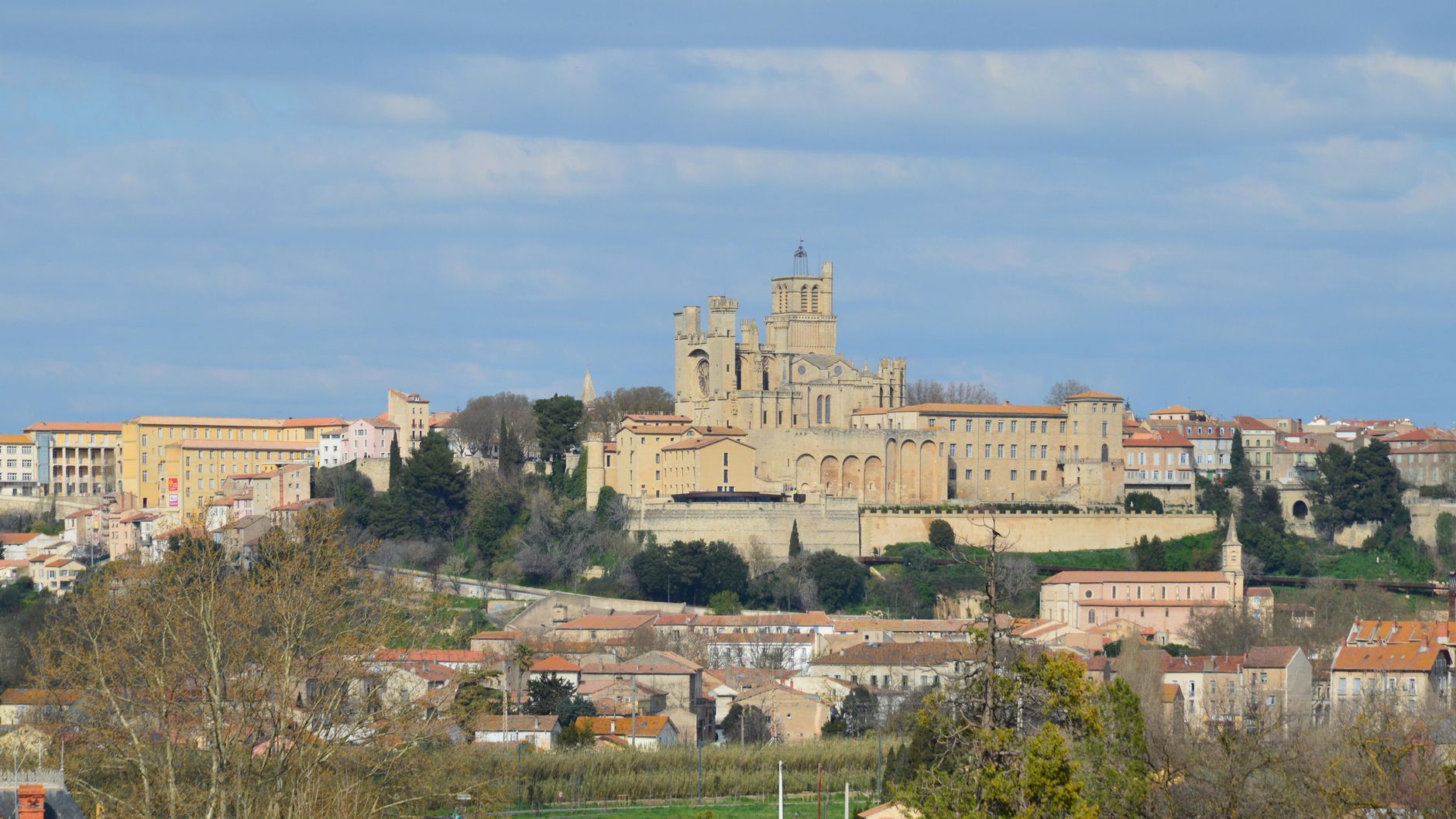
How Béziers came to be
Béziers has been continuously inhabited for roughly 2,600 years, which is long even by French standards. Greeks arrived around 575 BCE; Romans refounded it as Colonia Julia Baeterrae Septimanorum in 36–35 BCE. It passed through Visigoth and then Muslim rule before becoming part of the medieval county structure of Occitanie. On July 22, 1209, the Albigensian Crusade reached the city: the Romanesque church was destroyed and the population massacred. The Gothic Cathedral of Saint-Nazaire-et-Saint-Celse was built on the ruins.
The city's modern shape owes much to Pierre-Paul Riquet, born here in 1609. A salt-tax collector by trade, he turned his attention at 58 to an audacious idea: a canal linking the Atlantic to the Mediterranean. The Canal du Midi opened in 1681 and is now a UNESCO World Heritage site. The promenade named after him — the Allées Paul Riquet — was laid out in 1827, just as the wine trade was remaking the city's economy.
Who and what shaped it
People who shaped it
Landmark buildings
See Béziers in motion
Plan your visit
On the map
When to go
Béziers has a warm, dry Mediterranean feel in summer — June through August brings long, sunny days, though the heat can sit heavy on the hilltop city by afternoon. Winter is mild but noticeably wetter; spring and early autumn are the most comfortable seasons for walking the old town.
Right now
Background & history adapted from Wikipedia (CC BY-SA) · specs from Wikidata (CC0) · weather from Open-Meteo · map data © OpenStreetMap contributors · photos from Wikimedia Commons / Unsplash with per-image credit. No third-party reviews or social posts reproduced.