
Perpignan
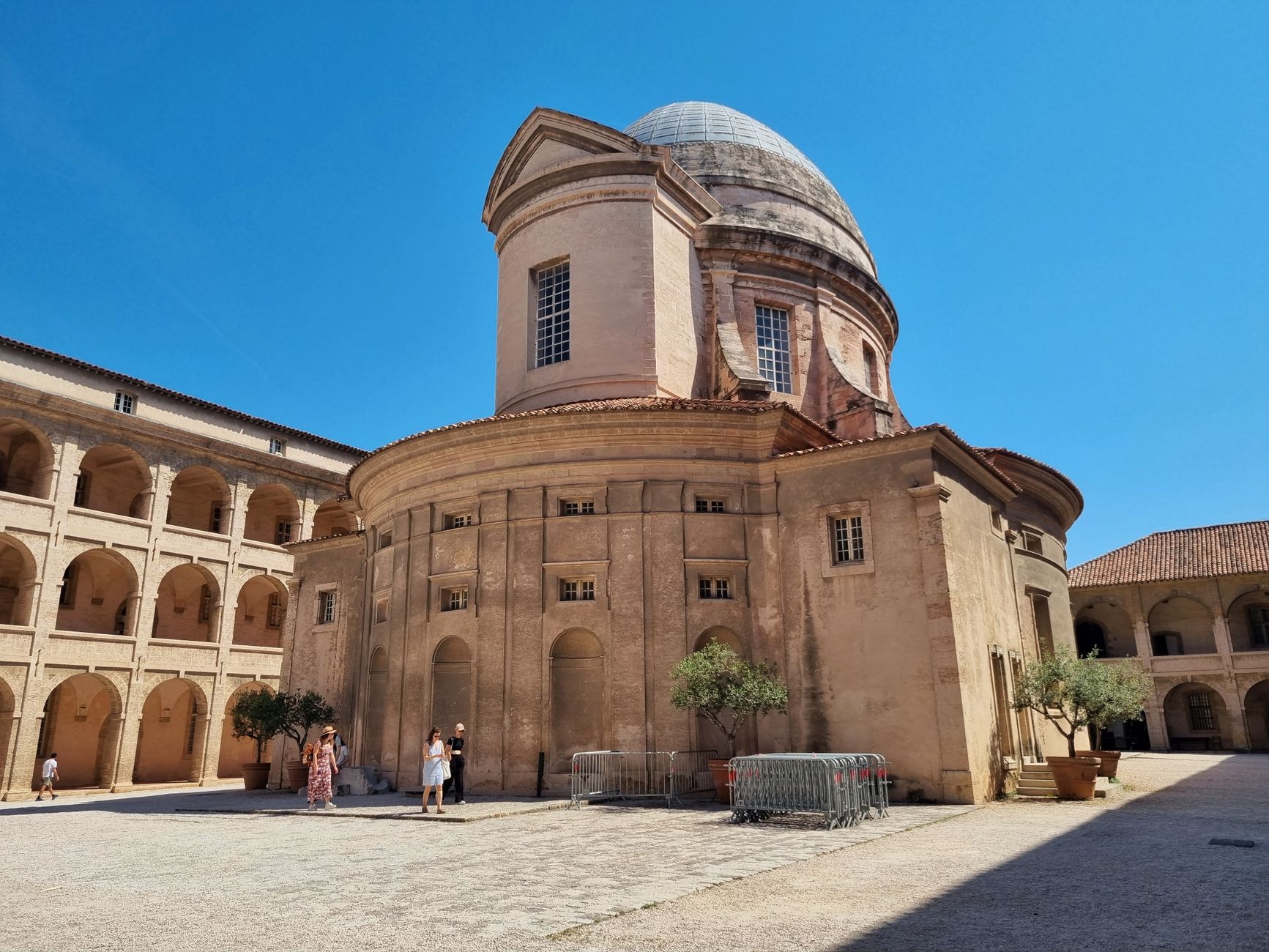
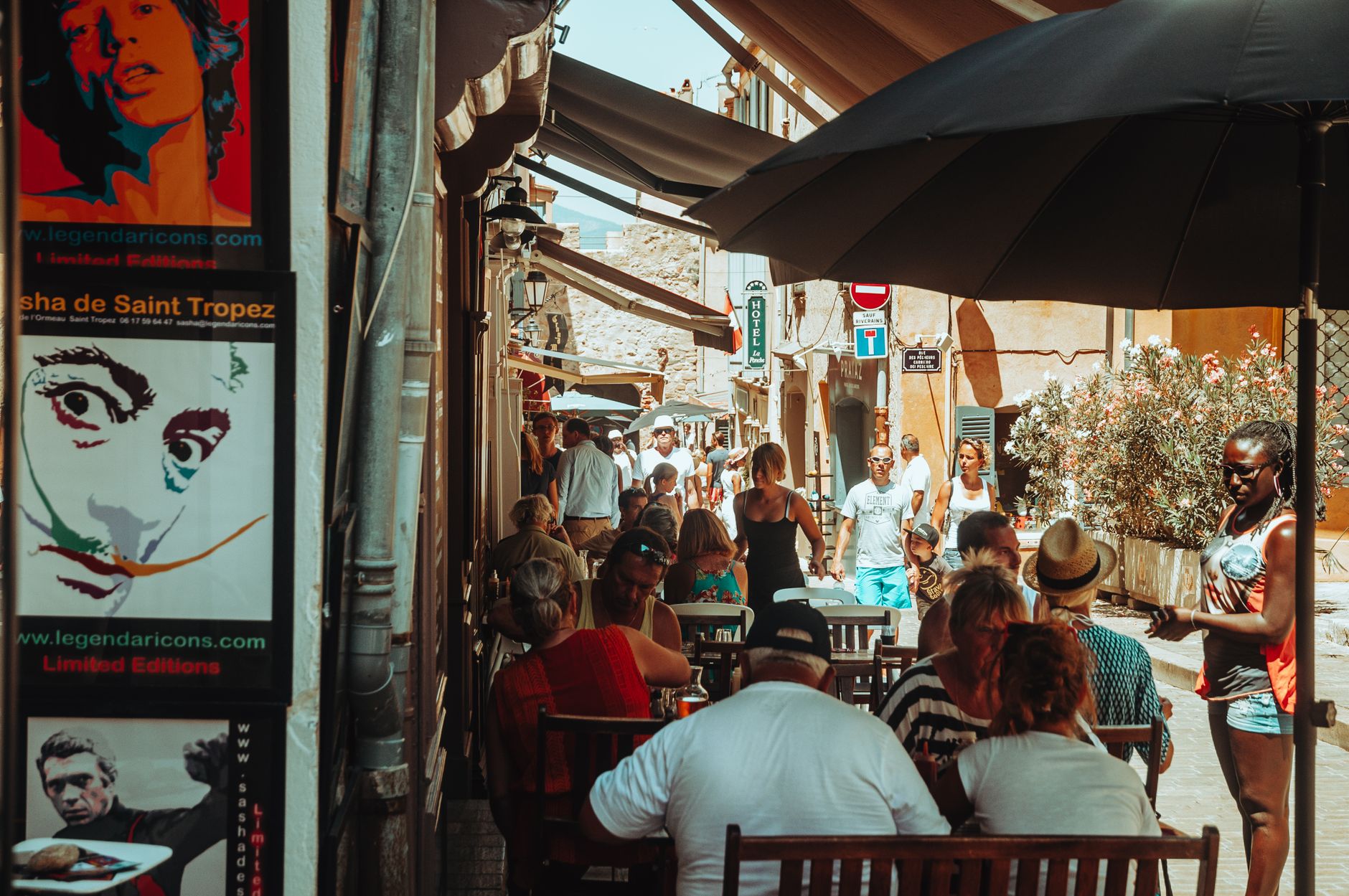
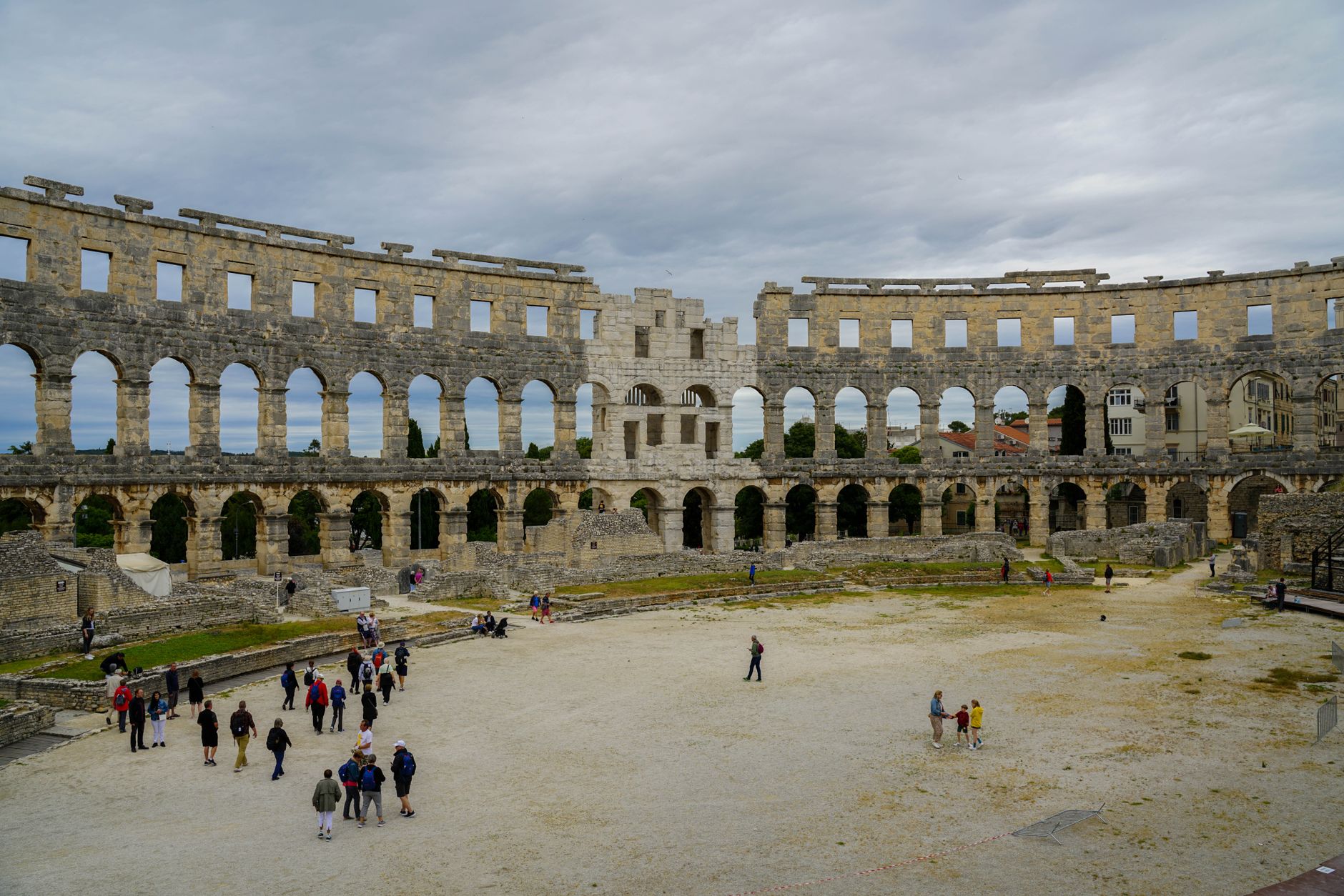
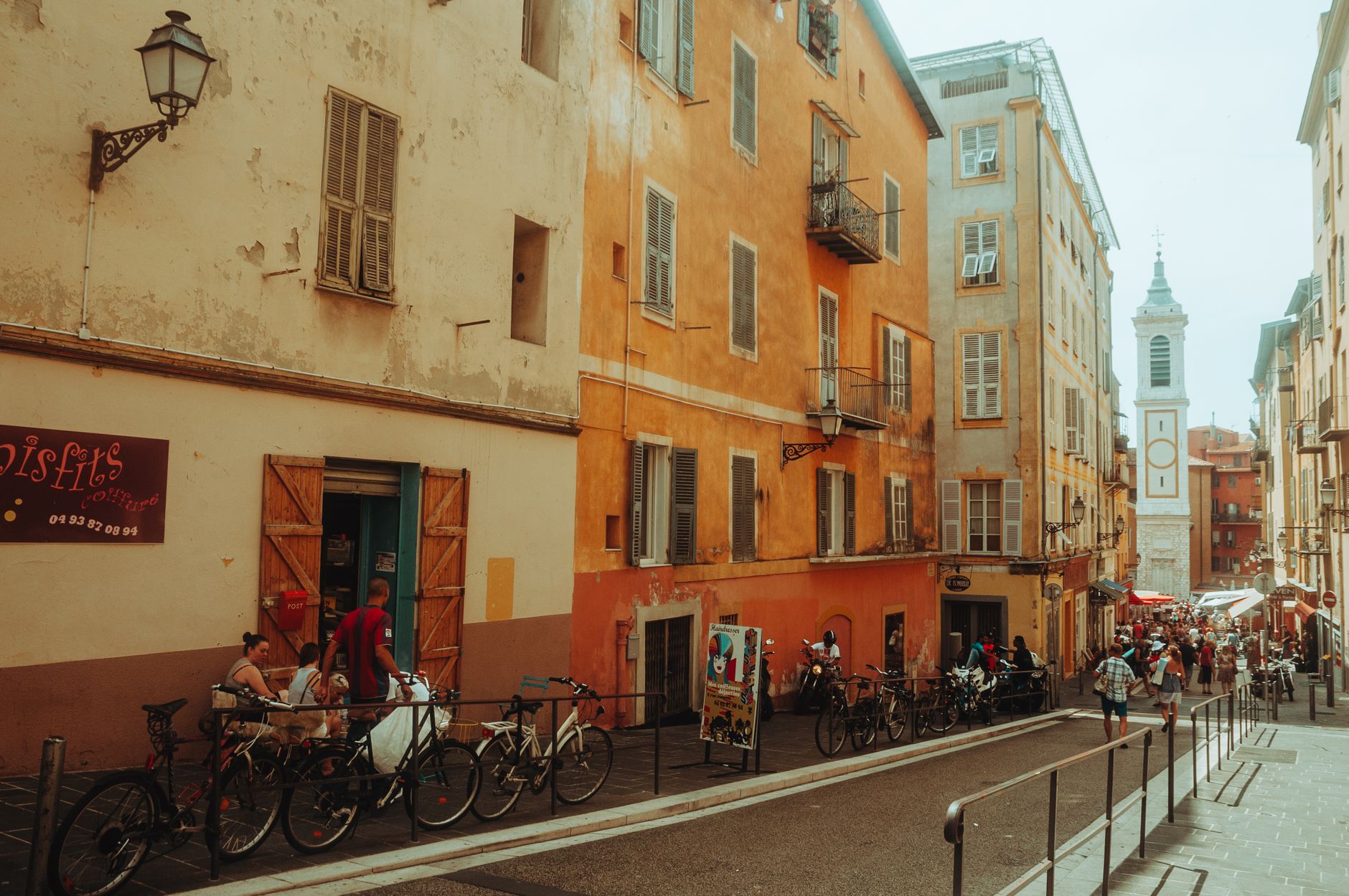
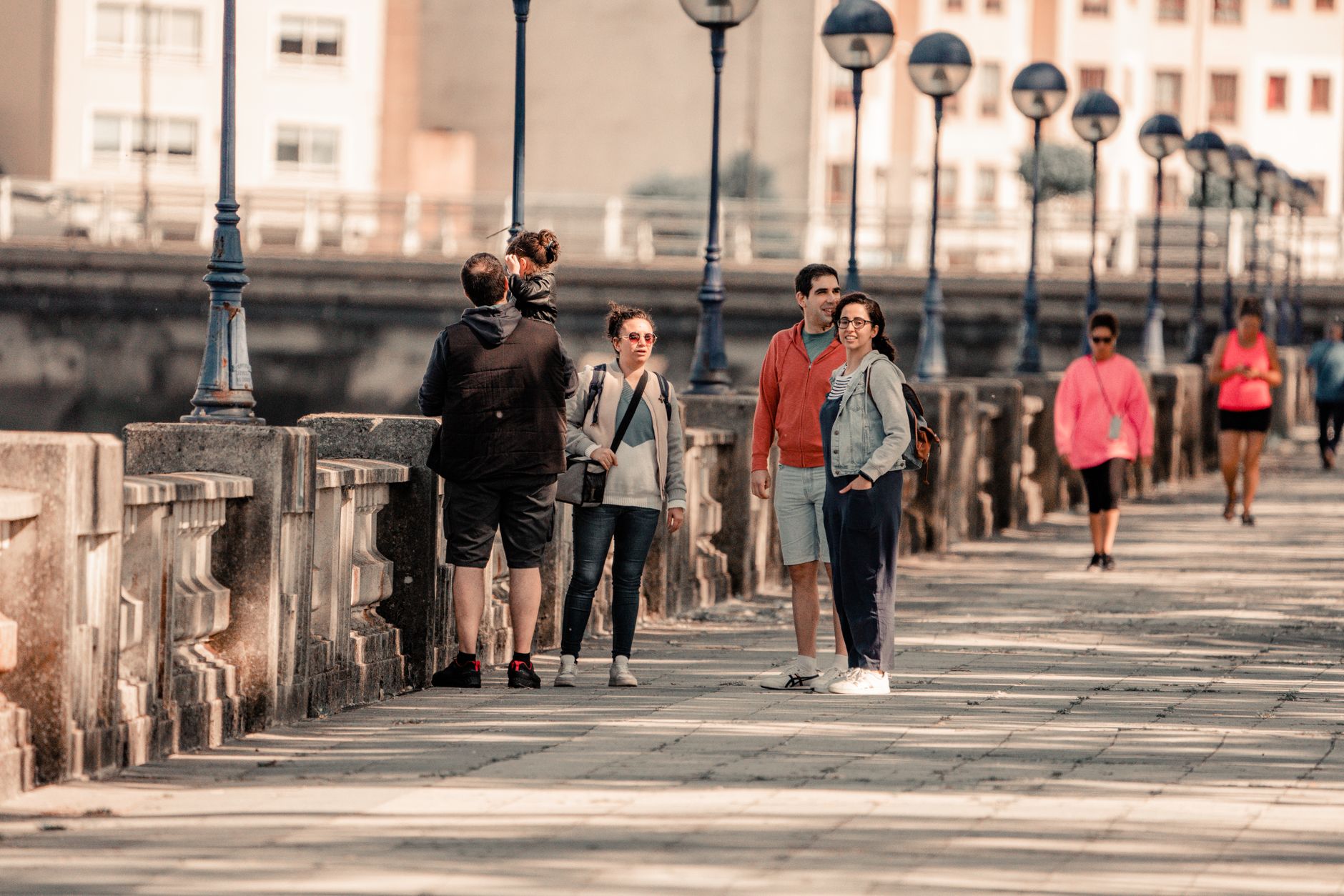
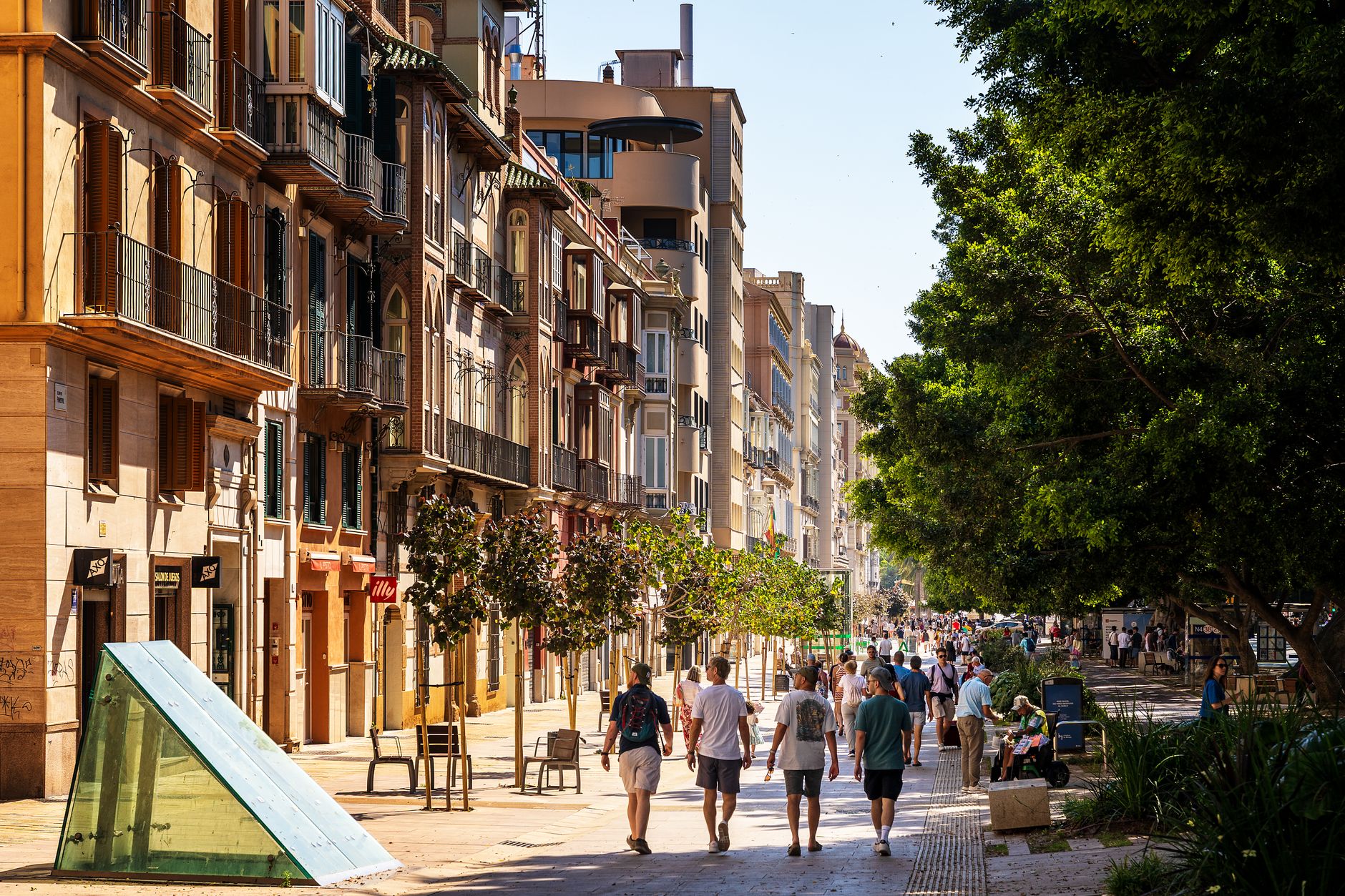
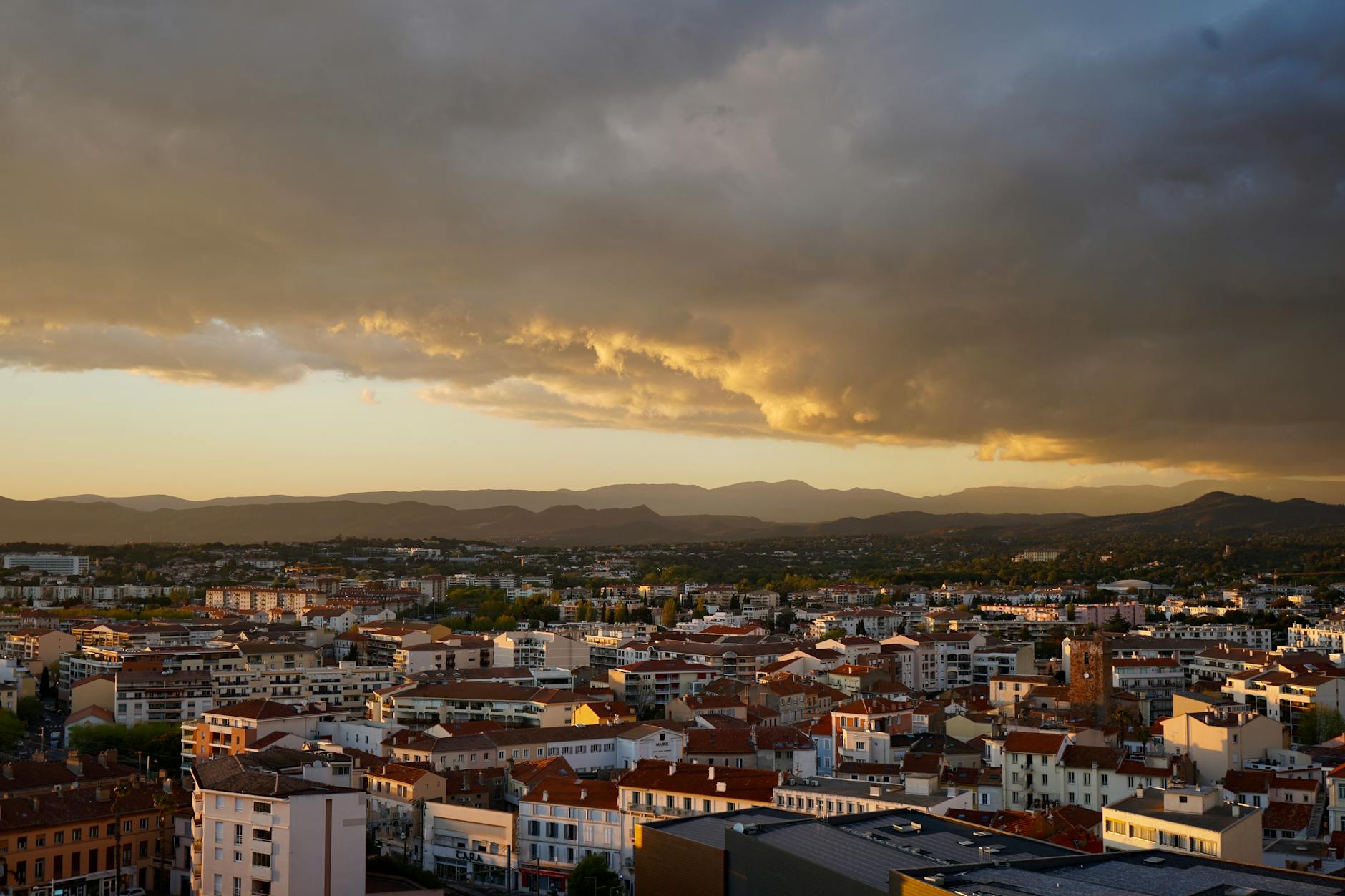
Perpignan sits at the crease where France folds into Catalonia, and the city never lets you forget it. Street signs run in two languages, the architecture tilts between Gothic and something older and more Iberian, and the cooking follows its own logic — closer to Barcelona than to Paris. The old centre is compact enough to cross on foot in twenty minutes, which means you keep circling back past the same rose-brick keep and the same plane-shaded squares, picking up details you missed the first time.
The station, famously, was declared the centre of the Universe by Salvador Dalí in 1963. Whether or not you share the conviction, it is a reasonable place to arrive.
💛 What travellers fall for
People who come back tend to do the same things in a different order. Start at the Casa Pairal inside Le Castillet for context, then climb the 142 steps to the top for the view. Save the Palace of the Kings of Majorca for late afternoon when the tour groups thin out. The Campo Santo — France's only cloister cemetery, pressed up against the cathedral — is easy to walk past and worth not doing so.
Experiences you don't want to miss



Deals in Perpignan
Book directly at the providerHow Perpignan came to be
The name Perpignan appears in a document as early as 927, and the town grew through the medieval period as a cloth-making and crafts centre under the counts of Roussillon. The pivotal moment came in 1276, when James I of Aragon created the Kingdom of Majorca and made Perpignan its mainland capital. The decades that followed were the city's golden age — goldsmiths, leatherworkers and luxury trades filled streets that still carry their medieval bones.
That prosperity came with instability. Louis XI invaded in 1463; a violent uprising against French rule in 1473 ended in siege. The city passed back to Aragon and remained there until 1659, when the Treaty of the Pyrénées drew a new border through northern Catalonia and Perpignan became, definitively, French — though it has always kept one eye on the other side of the mountains.
Who and what shaped it
People who shaped it
Landmark buildings
See Perpignan in motion
Plan your visit
On the map
When to go
Summers are long, dry and genuinely hot — July and August regularly push above 30°C and the streets empty at midday. Spring and early autumn are the most comfortable seasons for walking the old centre; winters are mild by French standards, with clear days and sharp light.
Right now
Background & history adapted from Wikipedia (CC BY-SA) · specs from Wikidata (CC0) · weather from Open-Meteo · map data © OpenStreetMap contributors · photos from Wikimedia Commons / Unsplash with per-image credit. No third-party reviews or social posts reproduced.