
Montpellier
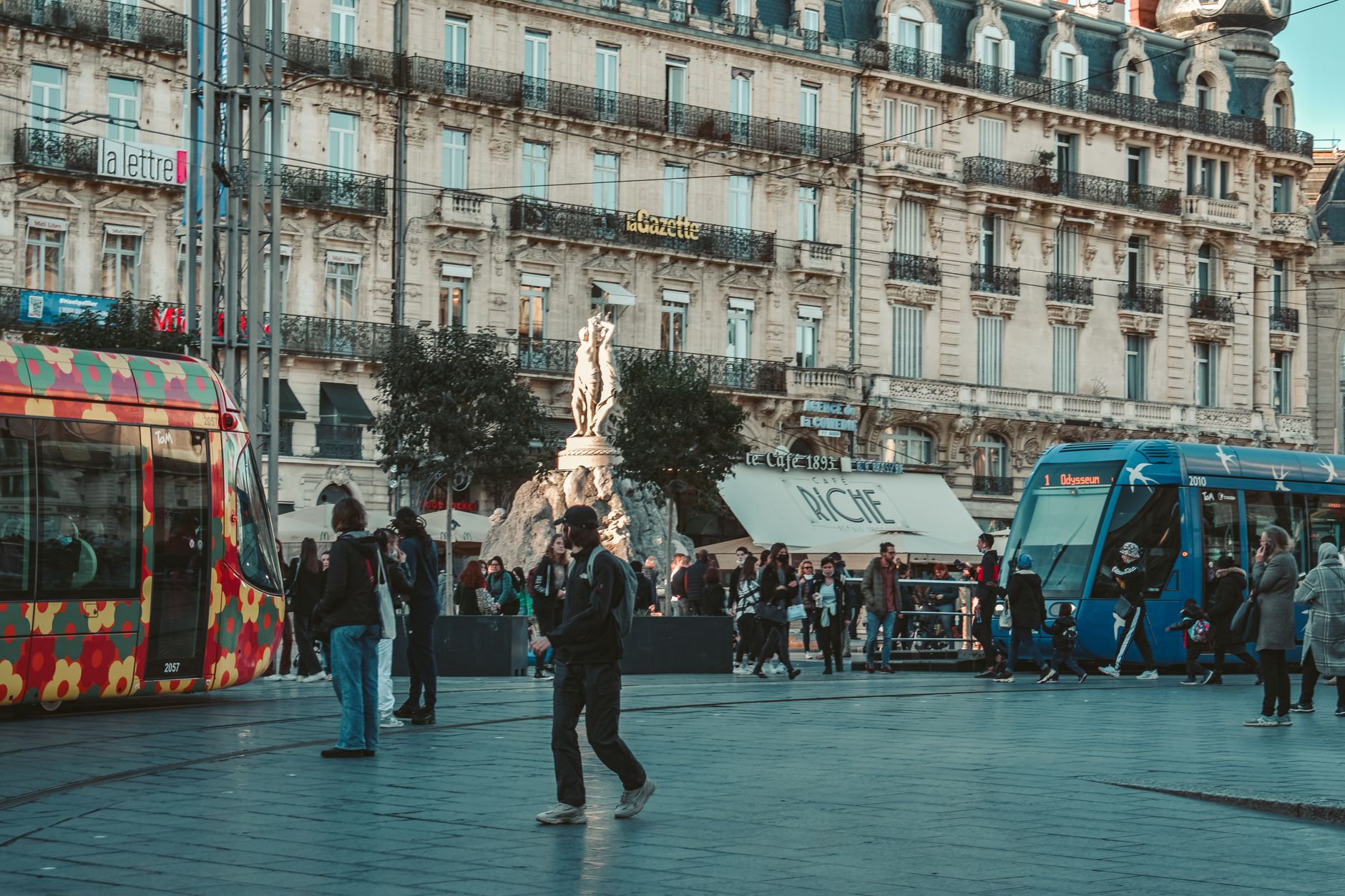
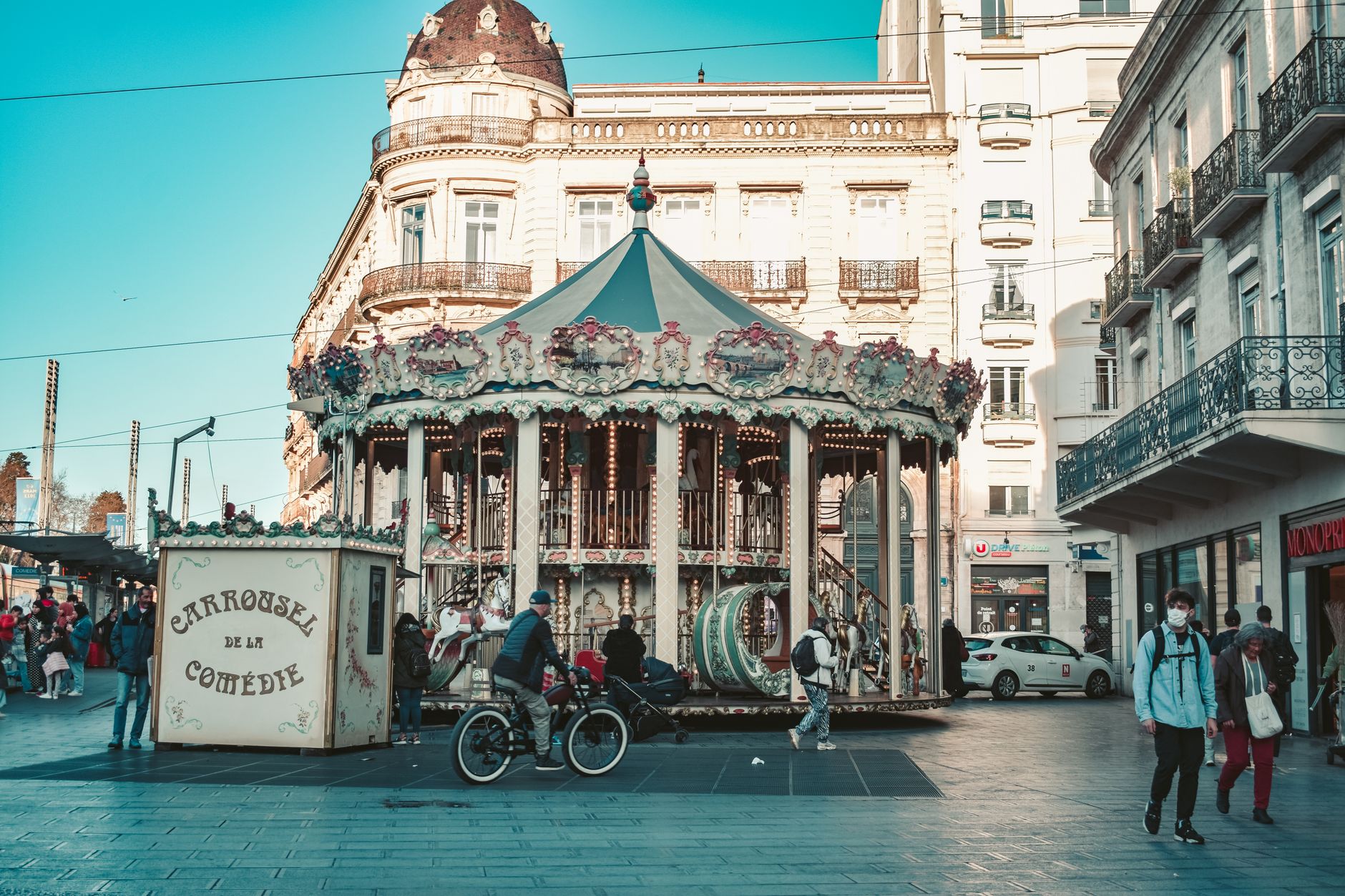
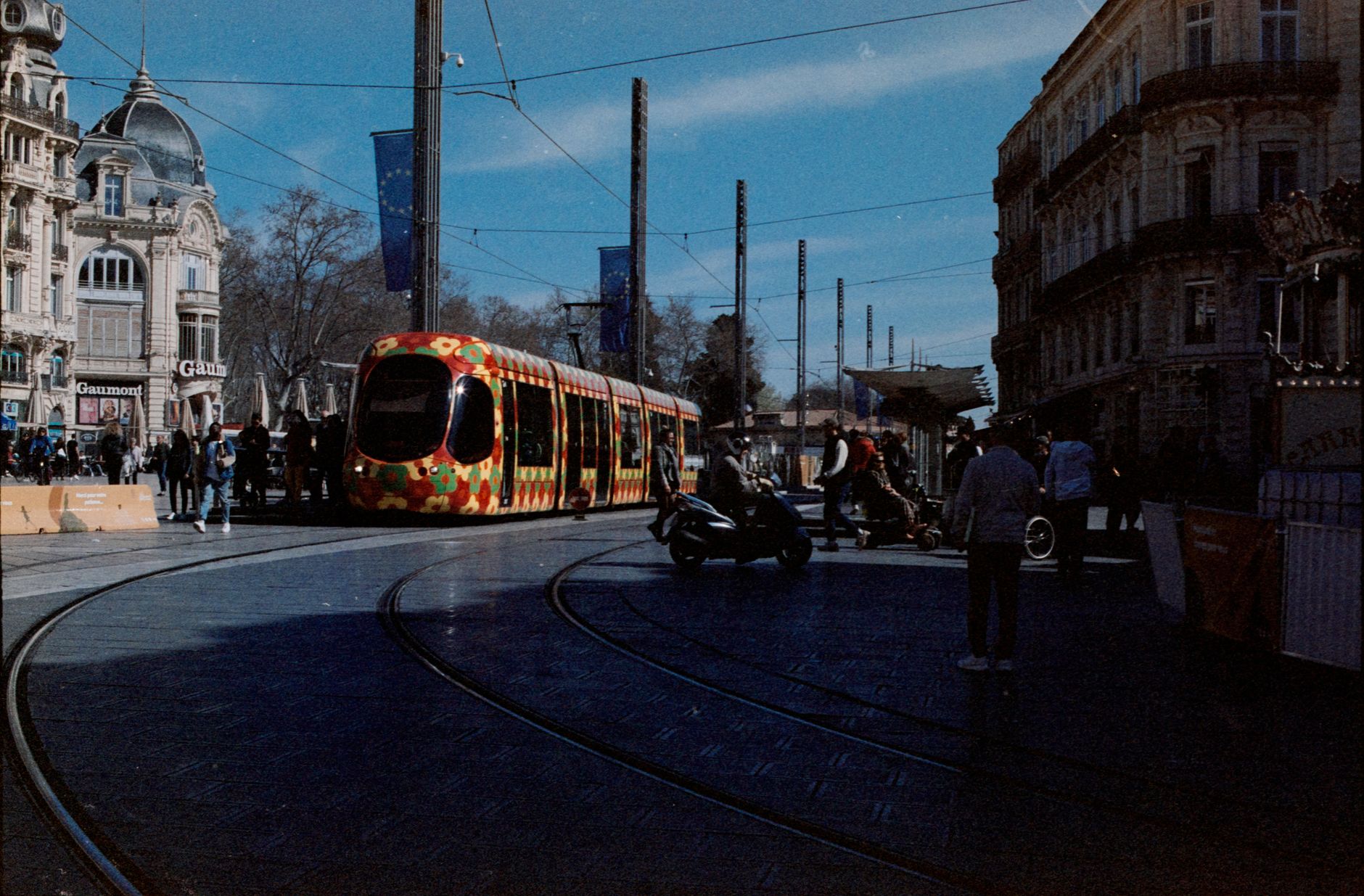
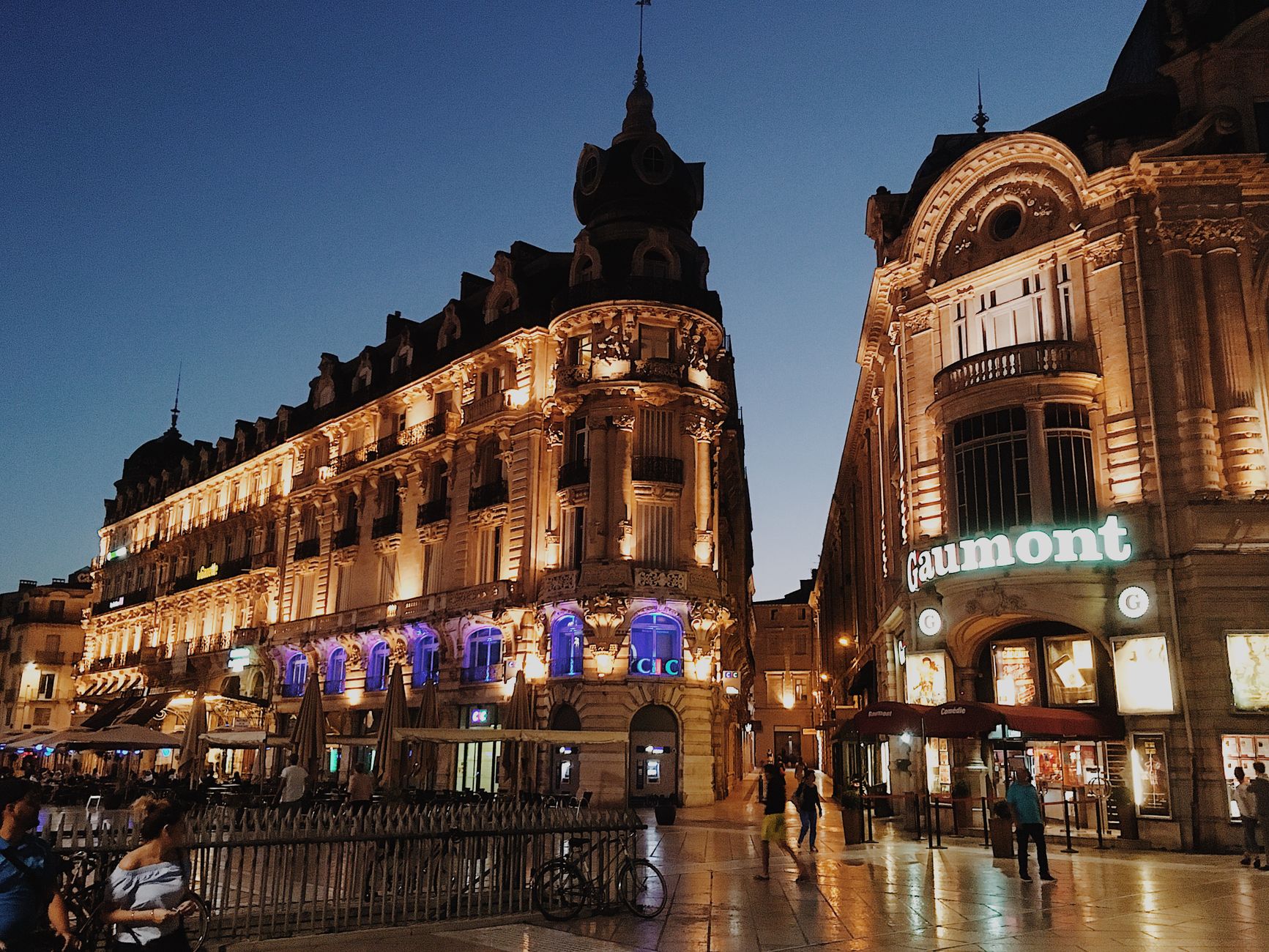
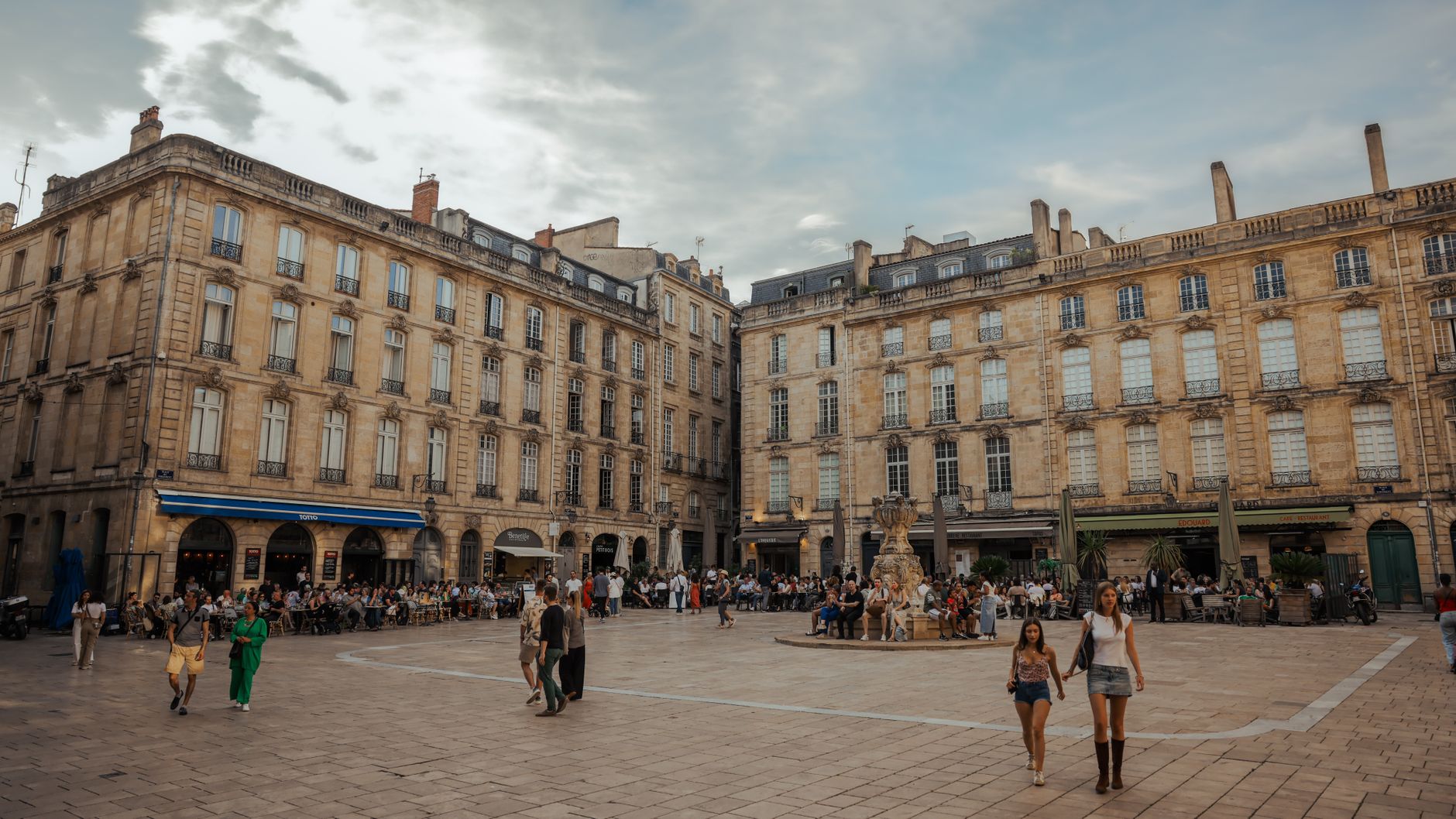
Place de la Comédie is where you get your bearings — a broad oval of pale stone ringed by cafés, with the Opéra Comédie at one end and the tram sliding through every few minutes. From here, the Écusson fans out: a shield-shaped medieval centre of narrow streets, grand hôtels particuliers, and the oldest botanical garden in France, planted in 1593. Montpellier is a student city in the oldest sense — its medical faculty has been running since the 13th century — and that deep habit of intellectual life still shows in the pace of the place.
What makes it distinct from its Occitanie neighbours is the layering: Roman-era foundation myths don't apply here, since the city was only founded in 985. Everything you see is medieval at the oldest, and then interrupted by bold gestures of contemporary architecture that the city has been commissioning since the 1970s.
💛 What travellers fall for
People who return tend to route their mornings through the Jardin des plantes — oldest in France, quiet before 10am — and end evenings somewhere along the Lez river near the Arbre Blanc, where the suspended balconies cast long shadows over the water. The free tram network makes it easy to drift between the historic Écusson and the Antigone district without thinking about it.
Experiences you don't want to miss




Deals in Montpellier
Book directly at the provider

How Montpellier came to be
Two hamlets, a castle, and the Guilhem family: that's how Montpellier started in 985. There was no Roman city here — the nearby episcopal settlement of Maguelone held regional importance until pirate raids pushed people inland. From the 13th century Montpellier belonged to the Crown of Aragon, then briefly to the Kingdom of Majorca, before being sold to France in 1349. Its medical university, formally established in 1220, drew on Christian, Muslim and Jewish scholarship and is still the oldest continuously operating medical faculty in the world.
Religious conflict left its marks too. Protestants held the city as a fortified stronghold under the Edict of Nantes, until Louis XIII besieged it in 1622 and returned it to Catholic control under the Peace of Montpellier. Louis XIV later made it capital of Bas Languedoc, which is when the Promenade du Peyrou, the triumphal arch, and many of the grand townhouses in the centre were built.
Who and what shaped it
People who shaped it
Landmark buildings
See Montpellier in motion
Plan your visit
On the map
When to go
Summers are long, dry and genuinely hot — July and August regularly push past 30°C. Spring and autumn are the most comfortable seasons for walking, with warm days and cooler evenings. Winters are mild but can bring the Tramontane wind, which clears the sky to an almost unsettling blue.
Right now
Background & history adapted from Wikipedia (CC BY-SA) · specs from Wikidata (CC0) · weather from Open-Meteo · map data © OpenStreetMap contributors · photos from Wikimedia Commons / Unsplash with per-image credit. No third-party reviews or social posts reproduced.