
Narbonne
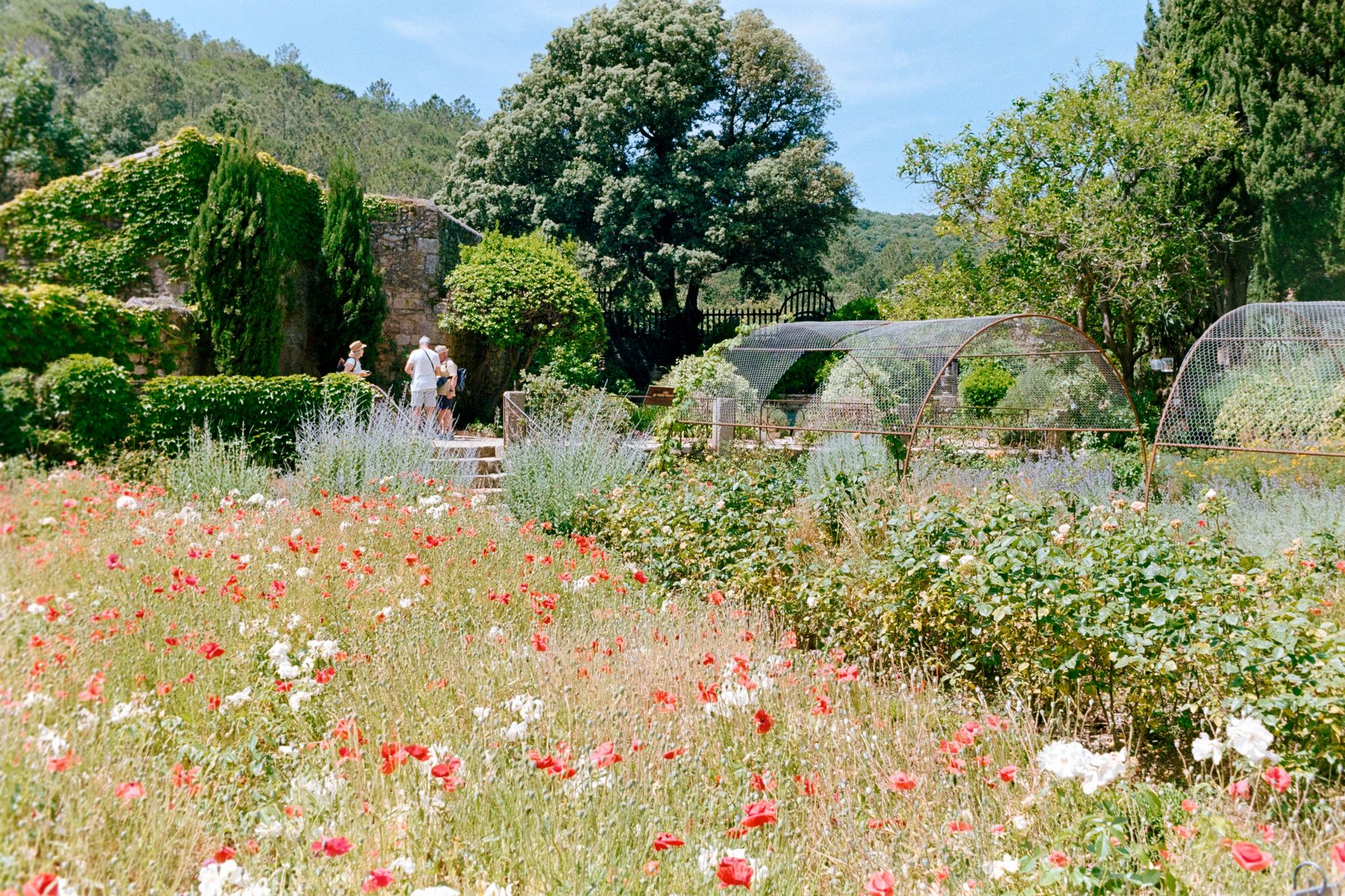
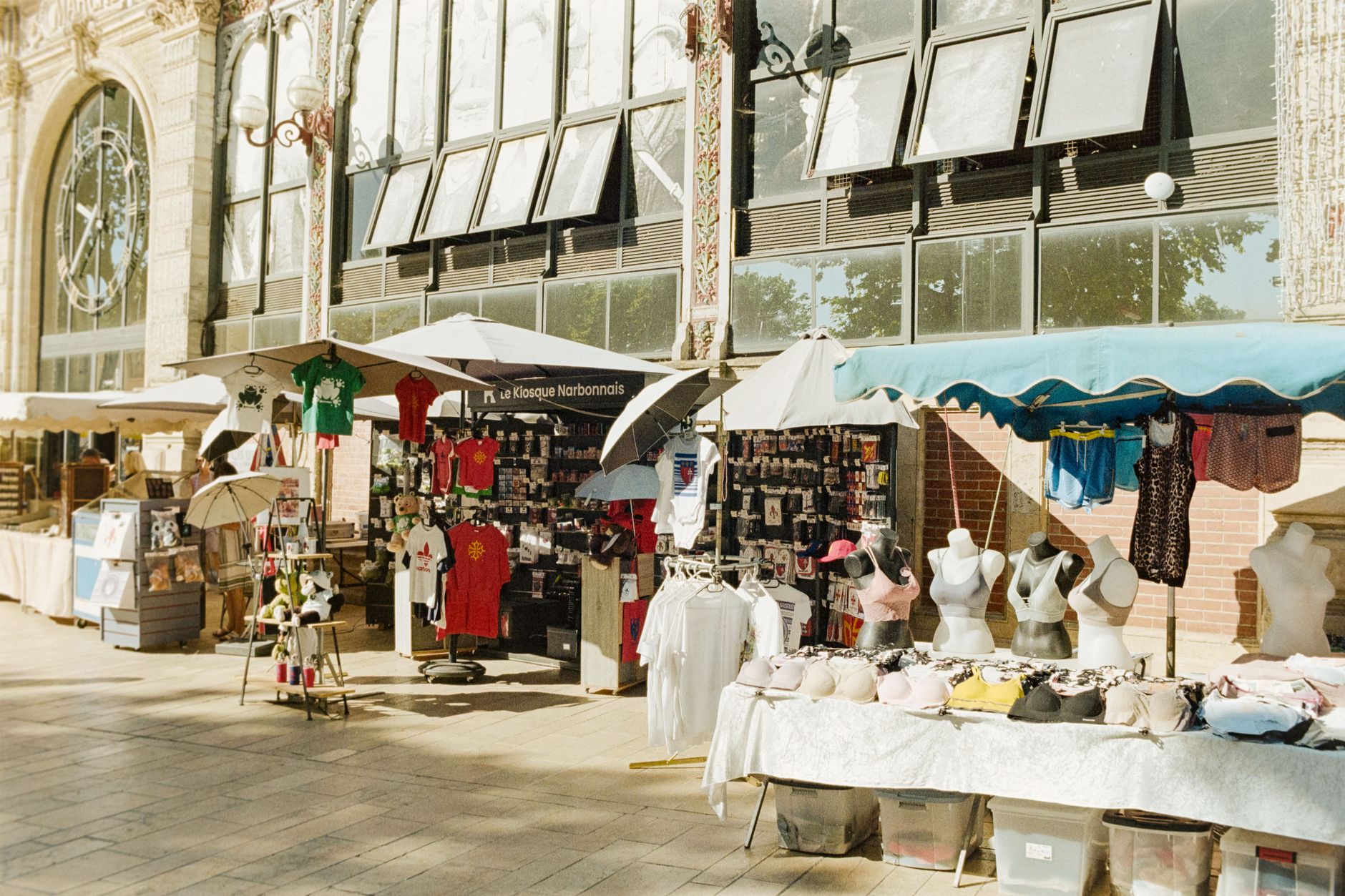
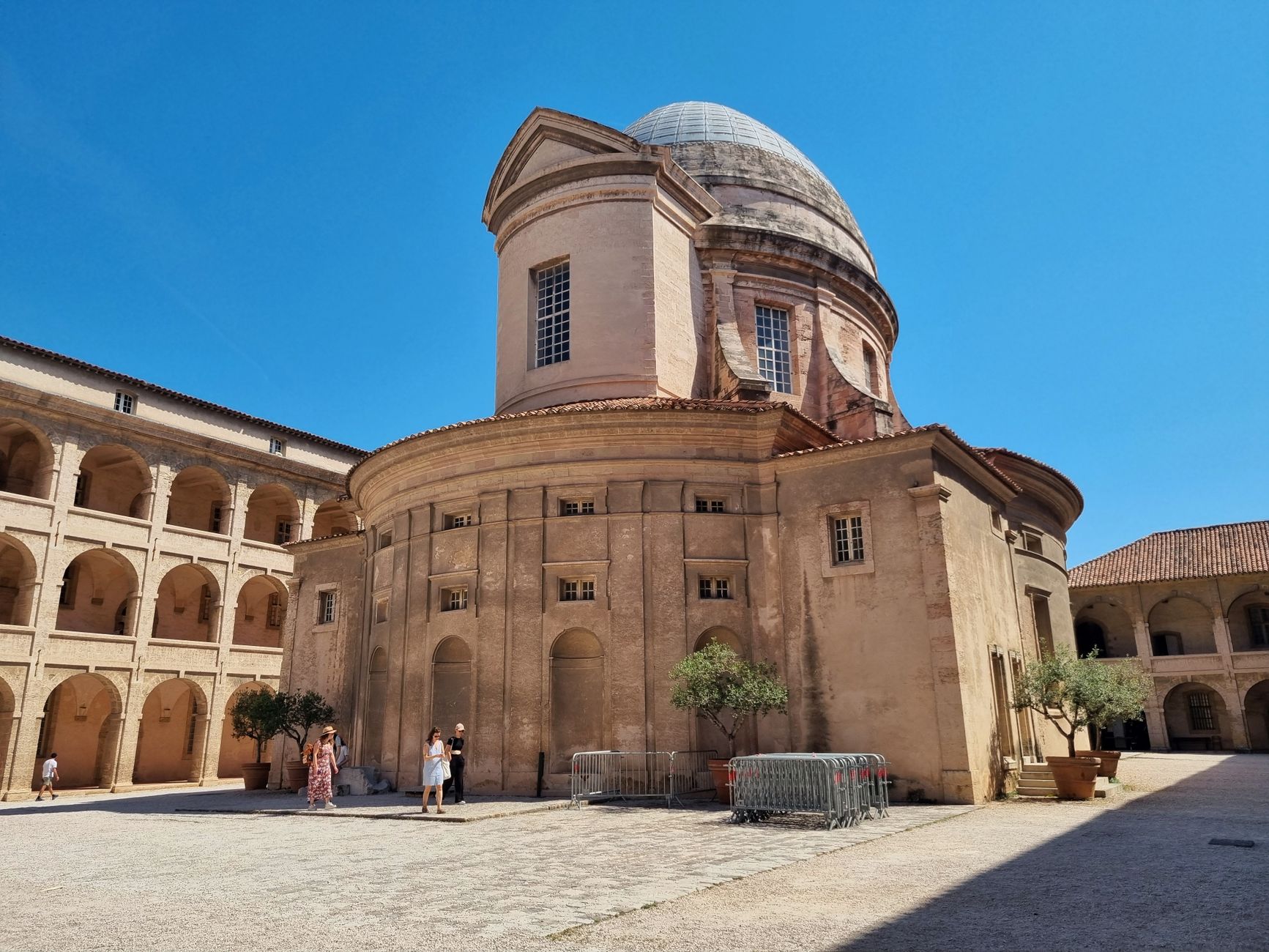
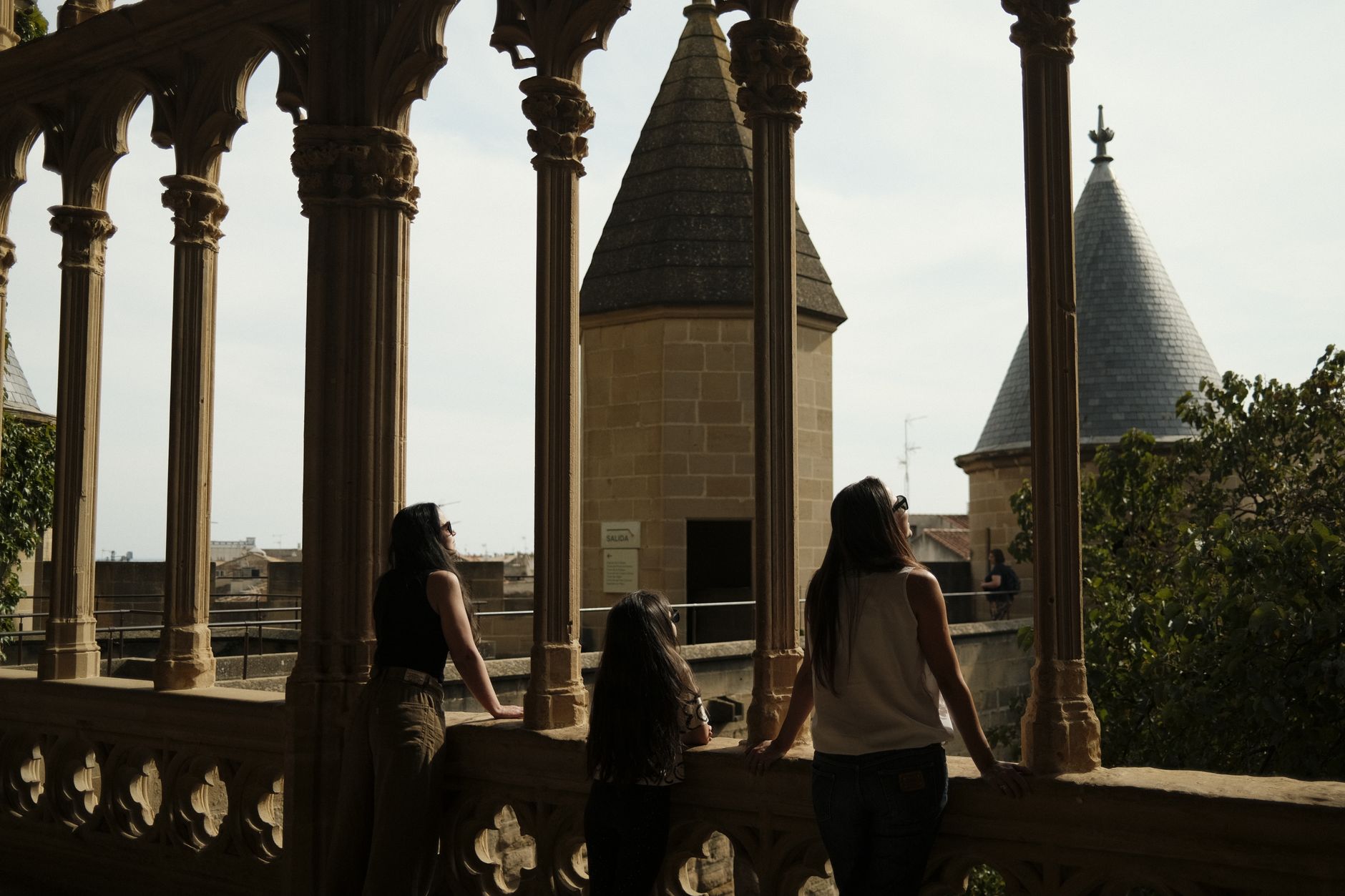
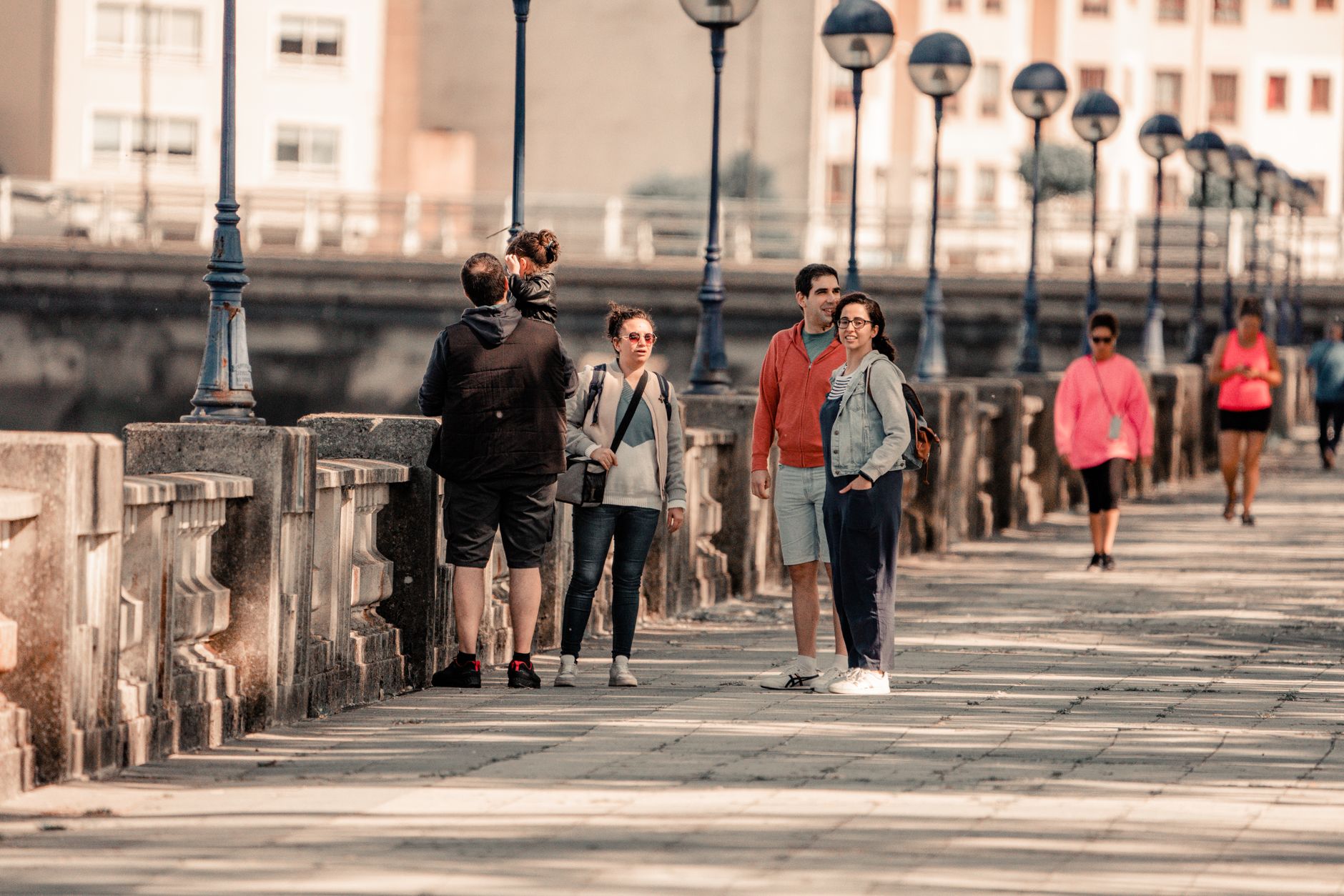

A section of Roman road sits exposed in the middle of Narbonne's central square, discovered by accident in 1997 during renovation works. Workers pulled up paving stones and found the Via Domitia underneath — the road that once connected Italy to Spain, and that made this city the first Roman colony in Gaul. That palimpsest quality runs through everything here: medieval towers built on Roman foundations, a canal splitting the old town in two, a cathedral so tall it never got its nave.
Narbonne rewards the kind of attention you give to a place that doesn't announce itself. The Canal de la Robine, a UNESCO-listed branch of the Canal du Midi, threads quietly through the centre. The underground Roman warehouse, the Horreum, sits five metres below street level, its stone corridors intact since the first century BC.
💛 What travellers fall for
People who come back tend to mention the same things: arriving by train, walking the ten minutes into town along the canal, and spending longer than planned in the Narbo Via museum — 760 funerary monument fragments reassembled into something that feels genuinely alive. The cathedral's unfinished choir, entered free of charge, stops most of them cold.
Experiences you don't want to miss



Deals in Narbonne
Book directly at the provider
How Narbonne came to be
In 118 BC, Roman consul Gnaeus Domitius Ahenobarbus founded Colonia Narbo Martius here, making it the first Roman colony in Gaul. He also began construction of the Via Domitia, the road that would bind the Roman world from the Alps to the Pyrenees. Augustus later declared the city capital of Gallia Narbonensis, and for centuries it was one of the most significant ports on the western Mediterranean.
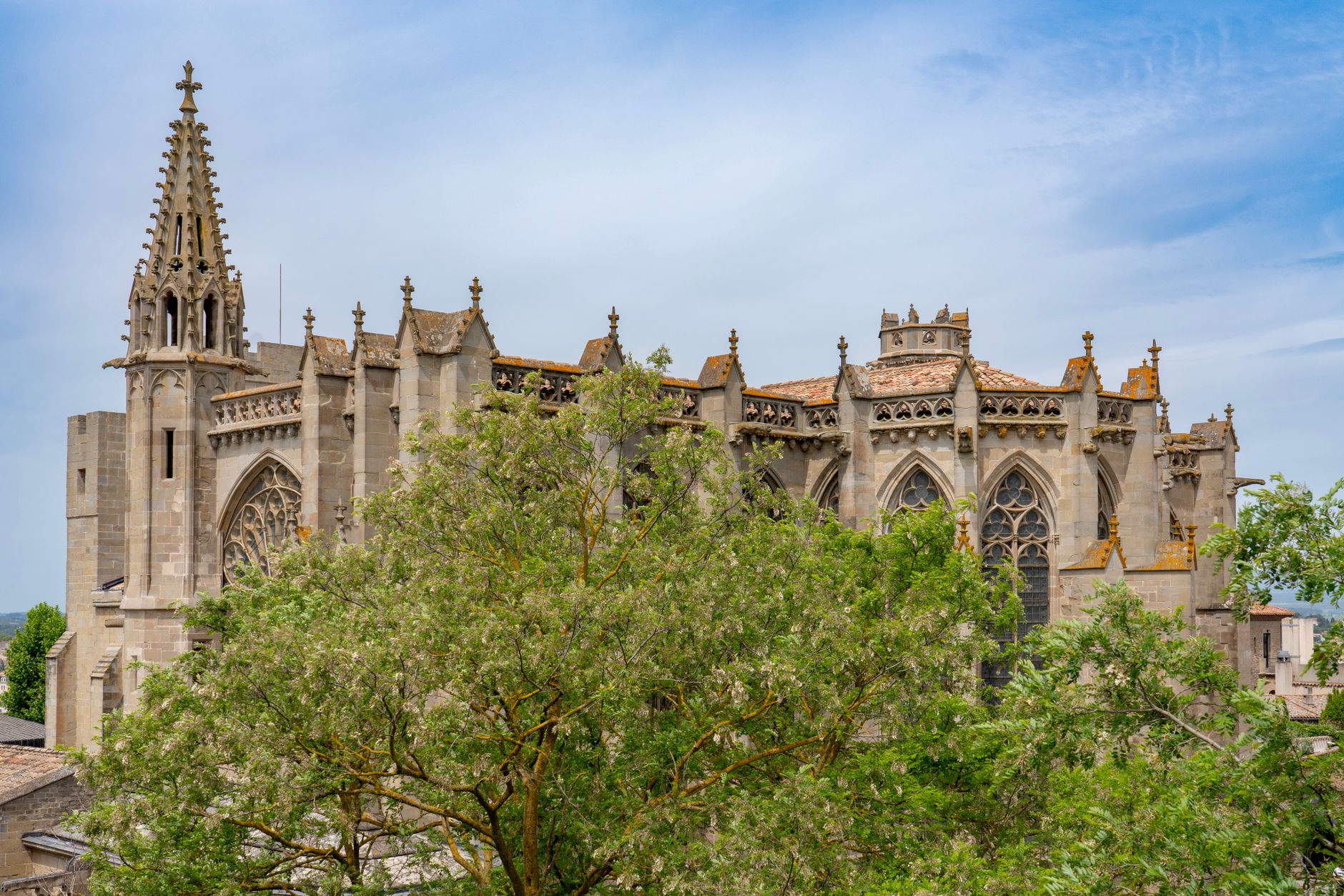
Then the River Aude changed course in the fourteenth century, and Narbonne's access to the sea slowly closed. The city that had survived Visigoths (who made it capital of Septimania in 462), the Umayyad Caliphate (which held it from 719 to 759), and centuries of political shuffling, was undone quietly by geography. The cathedral, begun in 1272, was never finished — its choir alone rises 41 metres, the third highest in France.
Who and what shaped it
People who shaped it
Landmark buildings
See Narbonne in motion
Plan your visit
On the map
When to go
Summers run hot, with July and August averaging around 30°C — fine for sitting by the canal in the evening, less comfortable for long stretches on foot in the middle of the day. Winters are mild but noticeably wetter; spring and early autumn offer the most straightforward conditions for walking the city.
Right now
Background & history adapted from Wikipedia (CC BY-SA) · specs from Wikidata (CC0) · weather from Open-Meteo · map data © OpenStreetMap contributors · photos from Wikimedia Commons / Unsplash with per-image credit. No third-party reviews or social posts reproduced.