
Nîmes
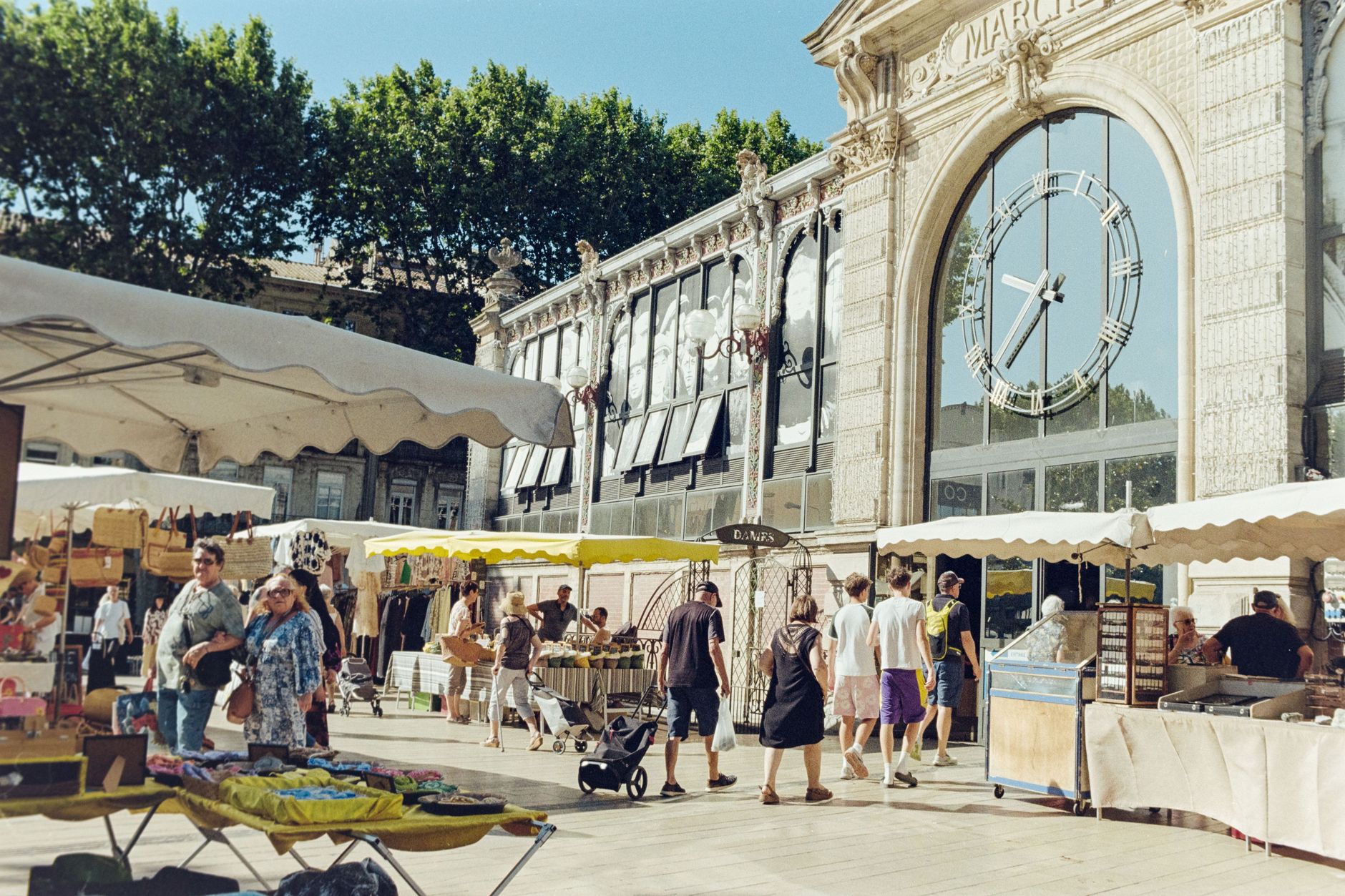
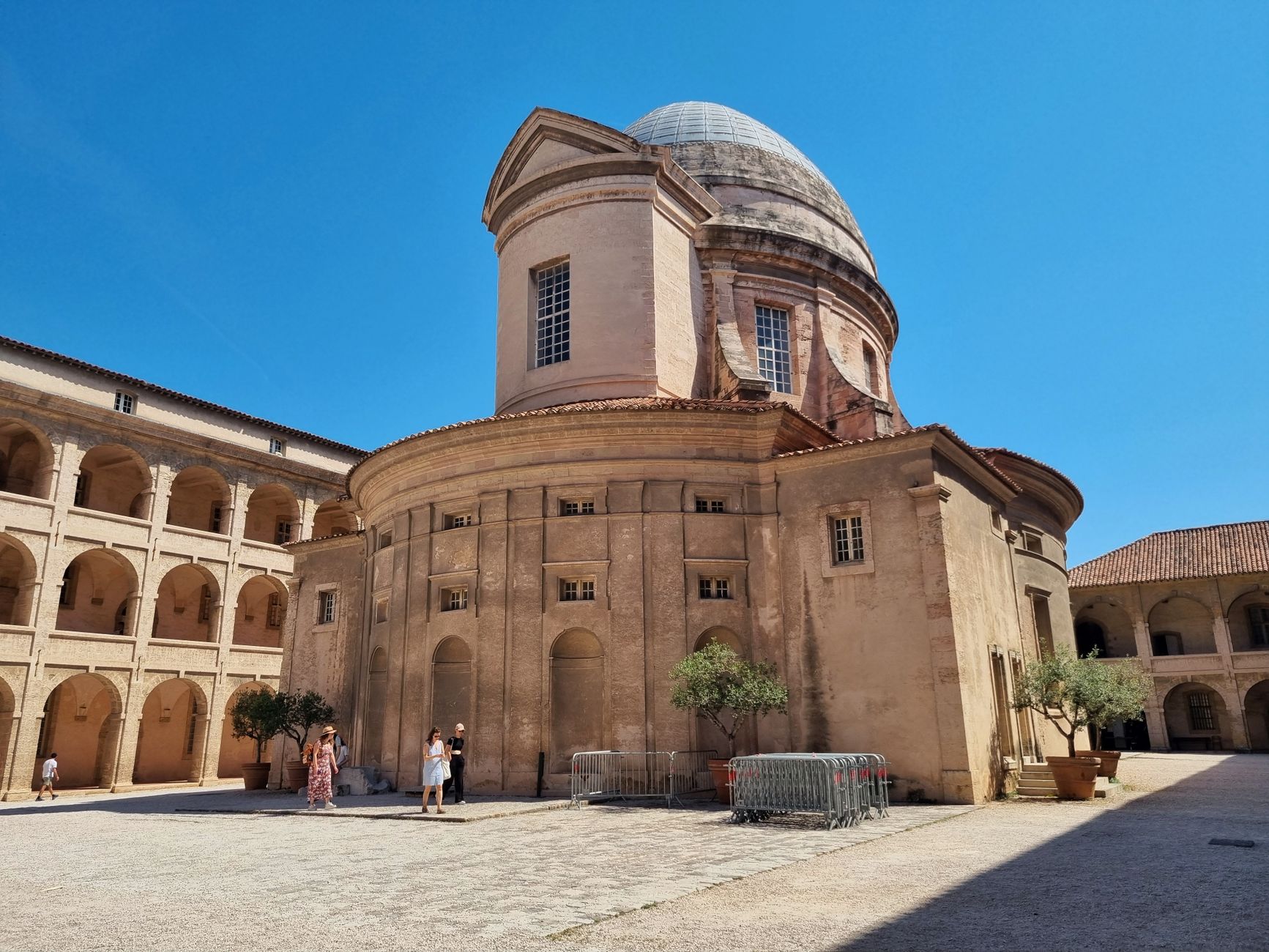
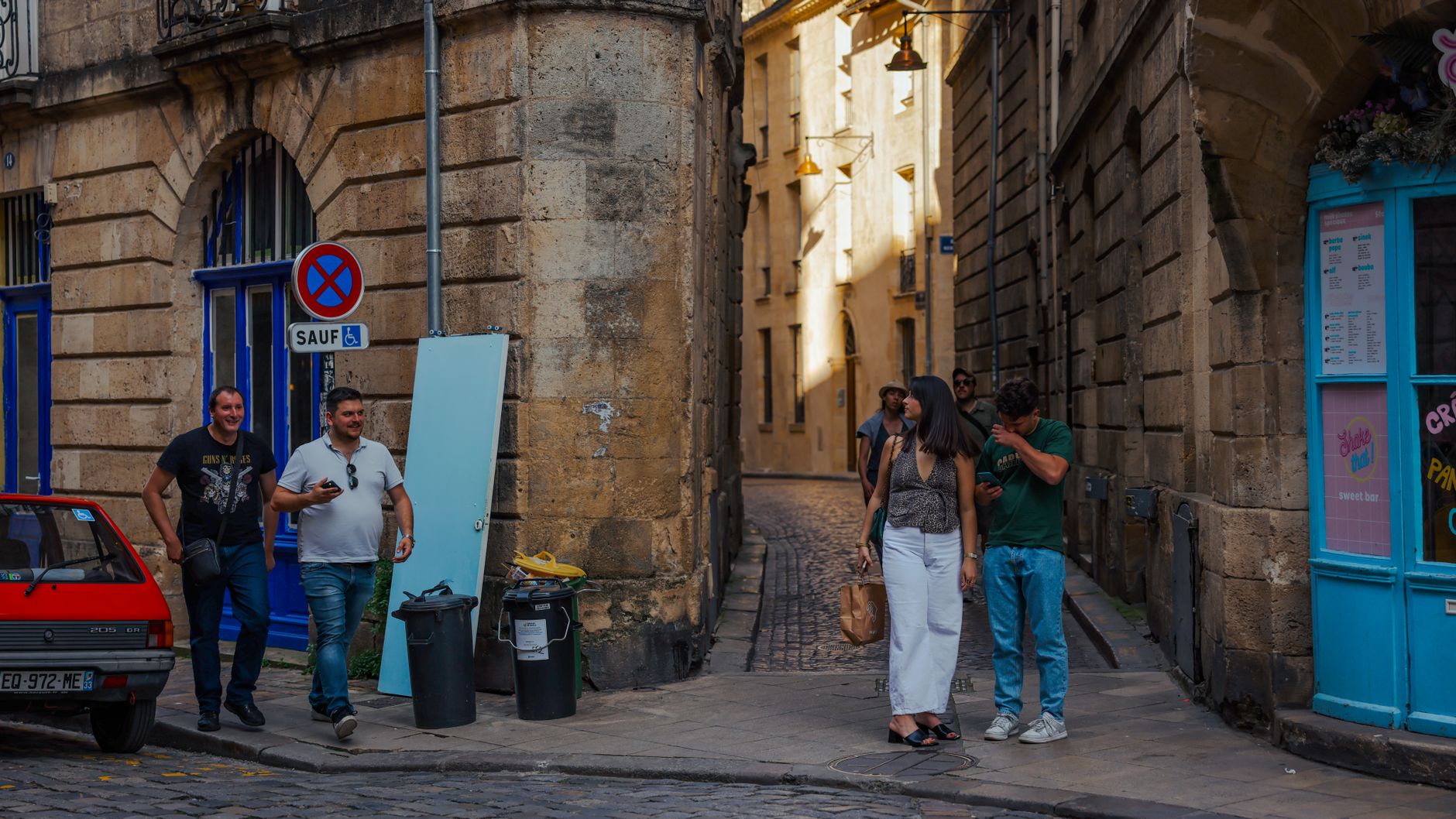
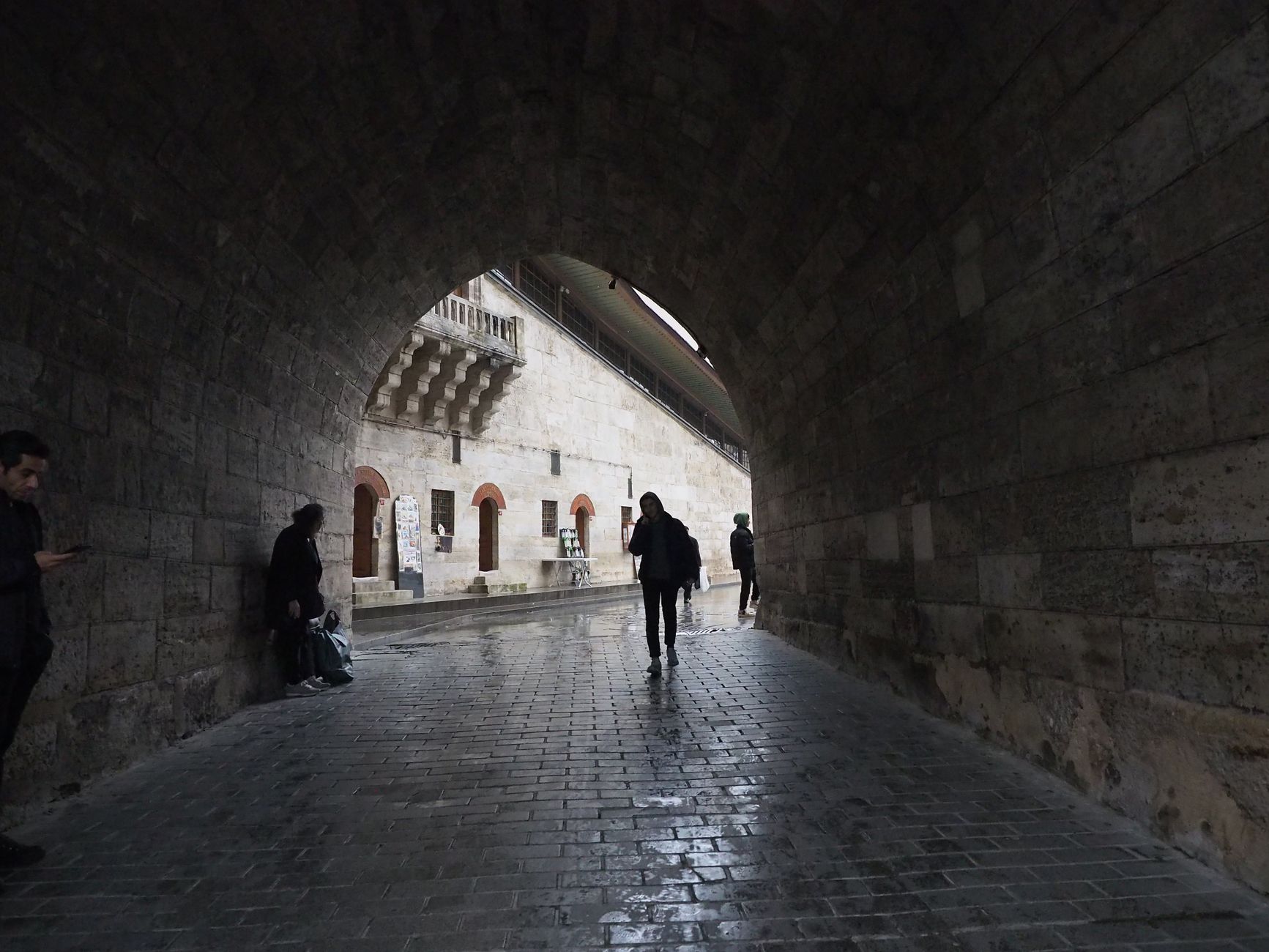
Stand in the centre of Nîmes and you are flanked by two thousand years of stone. The Maison Carrée, a Roman temple so intact it looks newly quarried, faces Norman Foster's glass-and-steel Carré d'Art across a sun-bleached square — the conversation between them is the city in miniature. Nîmes has more Roman fabric than almost anywhere outside Rome itself, and it carries that weight lightly, folding arenas and aqueducts into the rhythm of an ordinary French city where people eat lunch and argue about parking.
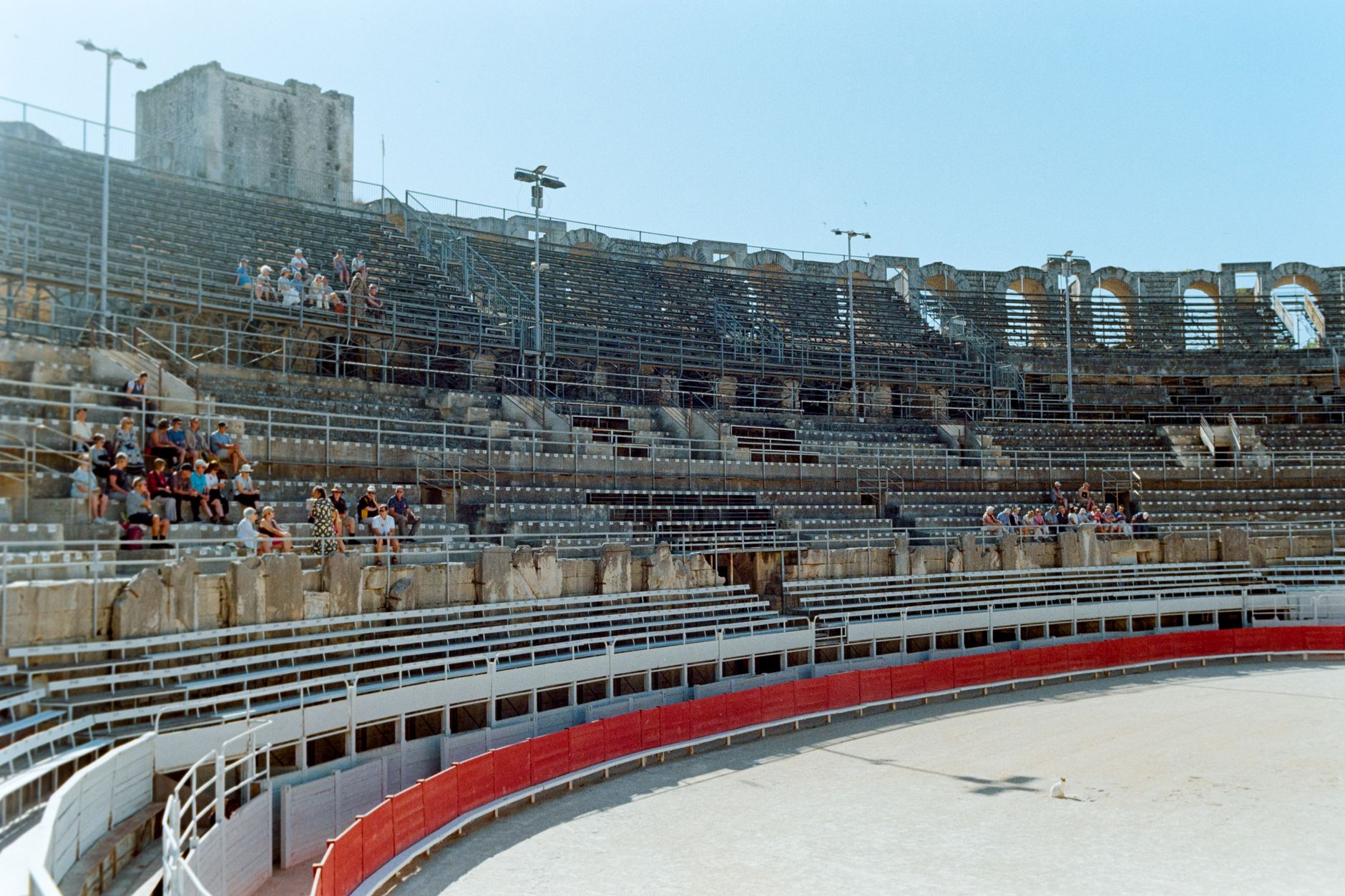
UNESCO granted the old Roman forum World Heritage status in 2026, but Nîmes has never really needed the validation. The Arena of Nîmes, built in 70 AD for 24,000 spectators, still hosts bullfights. The past here is not behind glass.
💛 What travellers fall for
People who come back tend to mention the same morning: coffee somewhere near the Jardins de la Fontaine before the tour groups arrive, then a slow walk up to the Tour Magne while the city is still quiet. The Musée de la Romanité, opened in 2018 beside the Arena, earns its return visit — the 5,000 artefacts hit differently once you've walked the streets above them.
Experiences you don't want to miss




Deals in Nîmes
Book directly at the providerHow Nîmes came to be
Nîmes began as Colonia Nemausus, a settlement given to veterans of Julius Caesar's Nile campaigns — men who received plots of land on the plain and built a city that still bears their mark. Augustus pushed the project further, ordering a six-kilometre ring of ramparts reinforced by fourteen towers, two of whose gates survive. The Maison Carrée, completed around 5–7 AD, was dedicated to Gaius and Lucius Caesar, Augustus's grandsons, both of whom died young.
The medieval city had a harder time of it. Nîmes passed to the French crown in 1229 and became a significant Protestant centre during the late Middle Ages, a status that made it a target during the Wars of Religion (1562–1598). The cathedral was destroyed twice in the 1500s before being rebuilt in 1646. The Arena, meanwhile, had filled up with houses by the medieval period; they were cleared away in 1809.
Who and what shaped it
People who shaped it
Landmark buildings
See Nîmes in motion
Plan your visit
On the map
When to go
Summers are long, dry and genuinely hot — the stone plazas radiate heat by midday in July and August, so mornings and evenings are when the city belongs to you. Spring and autumn are the more comfortable seasons for walking; winters are mild but can bring the Mistral wind off the Rhône valley, sharp and persistent.
Right now
Background & history adapted from Wikipedia (CC BY-SA) · specs from Wikidata (CC0) · weather from Open-Meteo · map data © OpenStreetMap contributors · photos from Wikimedia Commons / Unsplash with per-image credit. No third-party reviews or social posts reproduced.