
Montauban
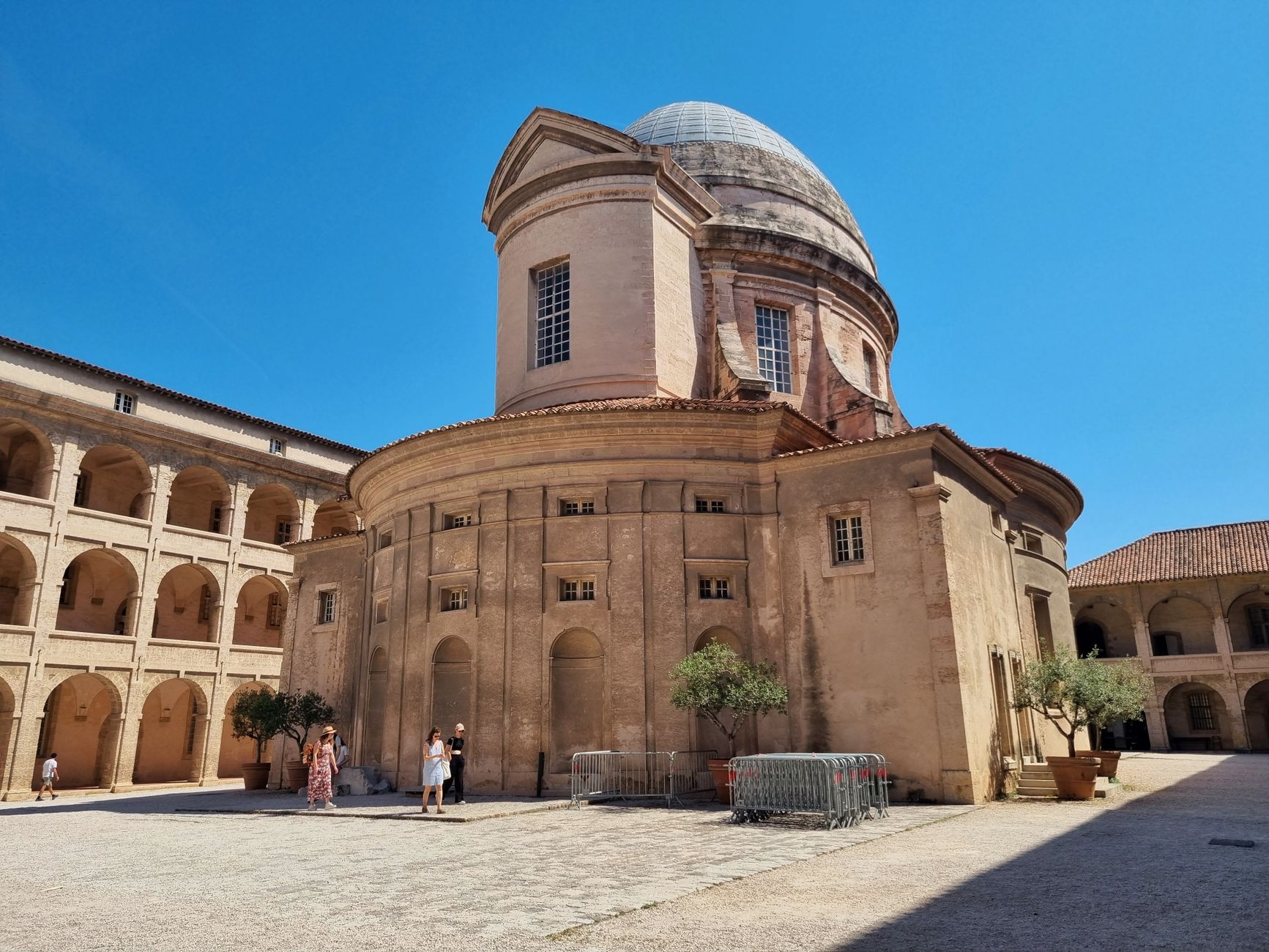
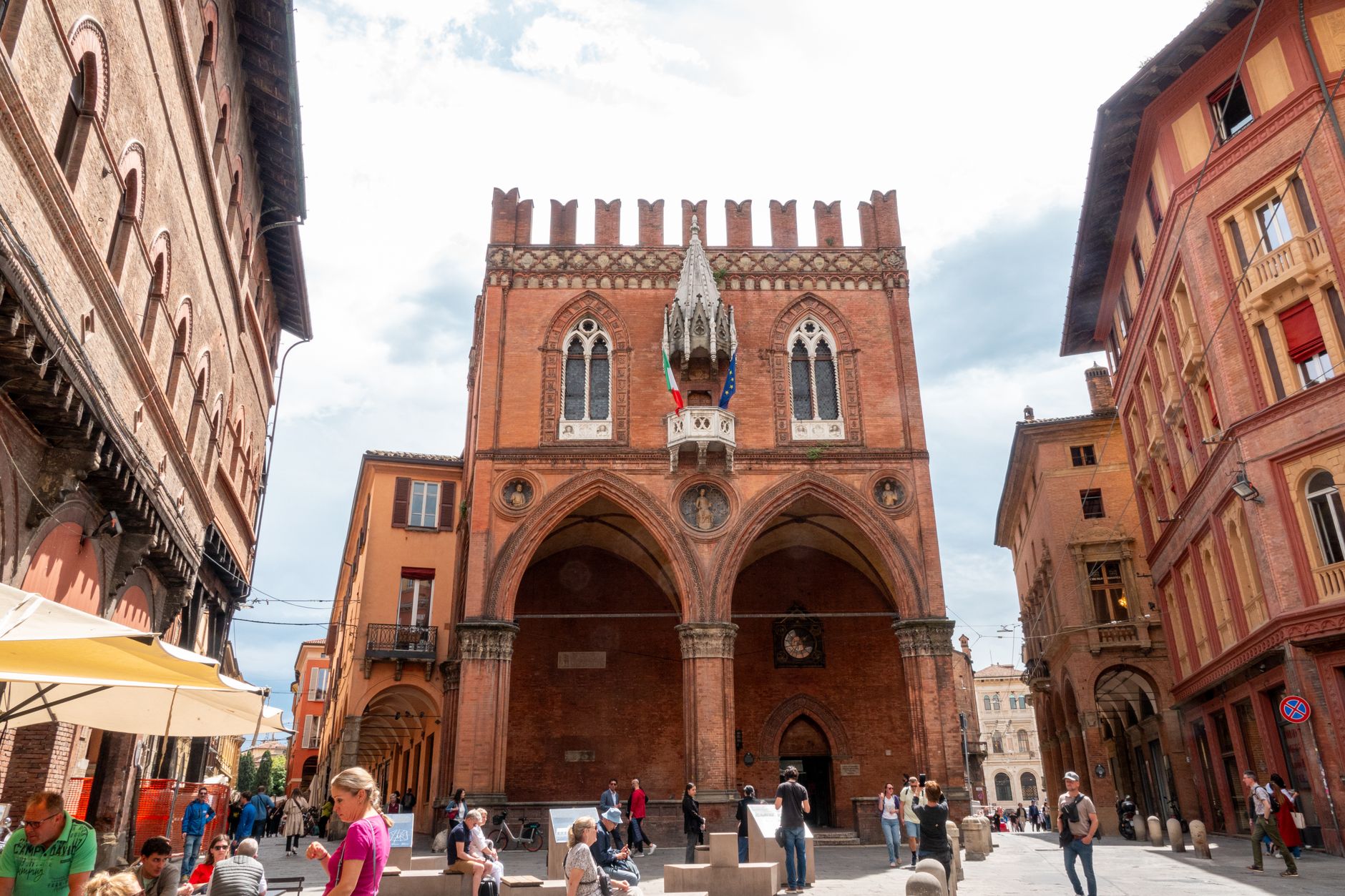
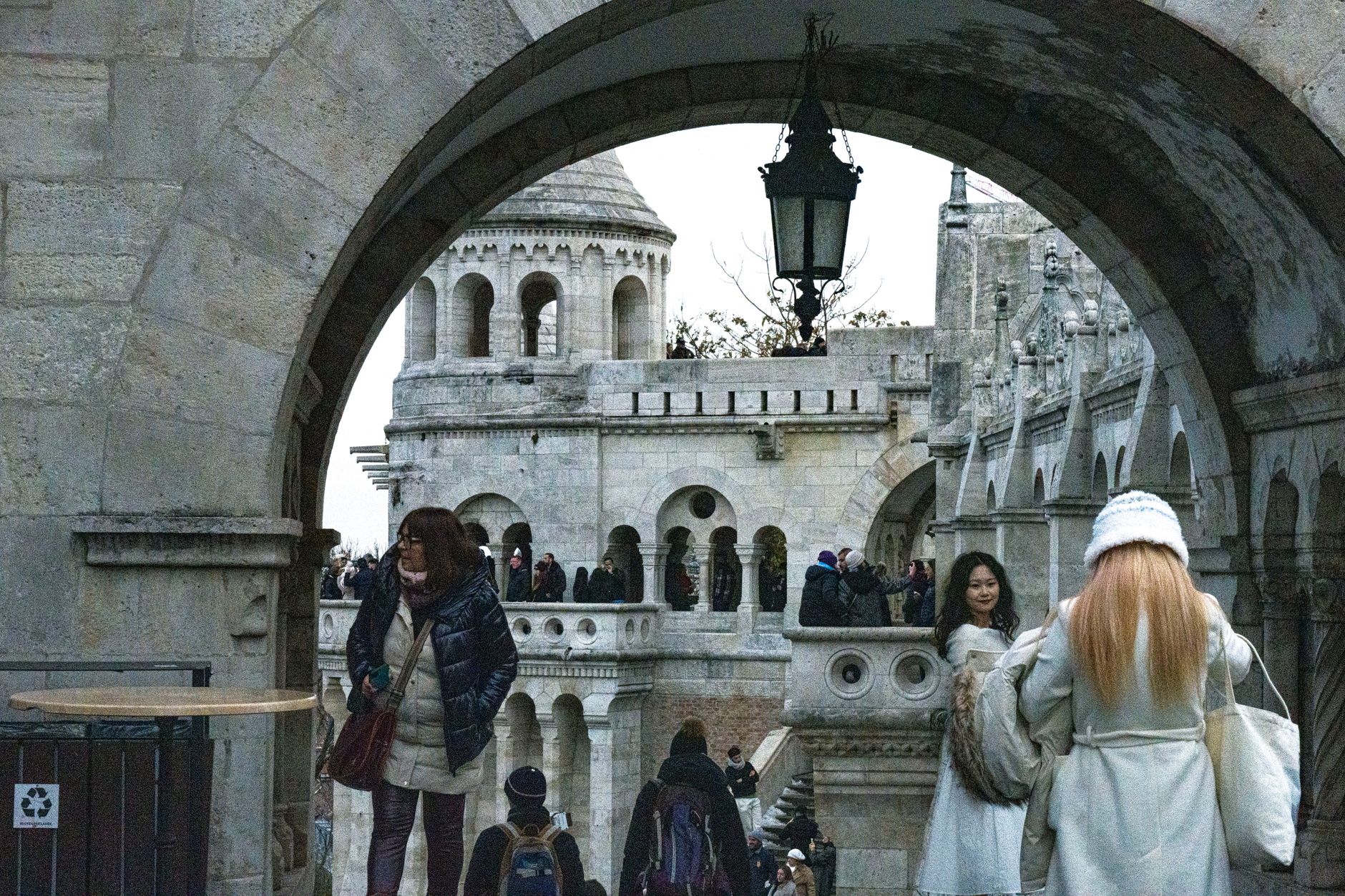
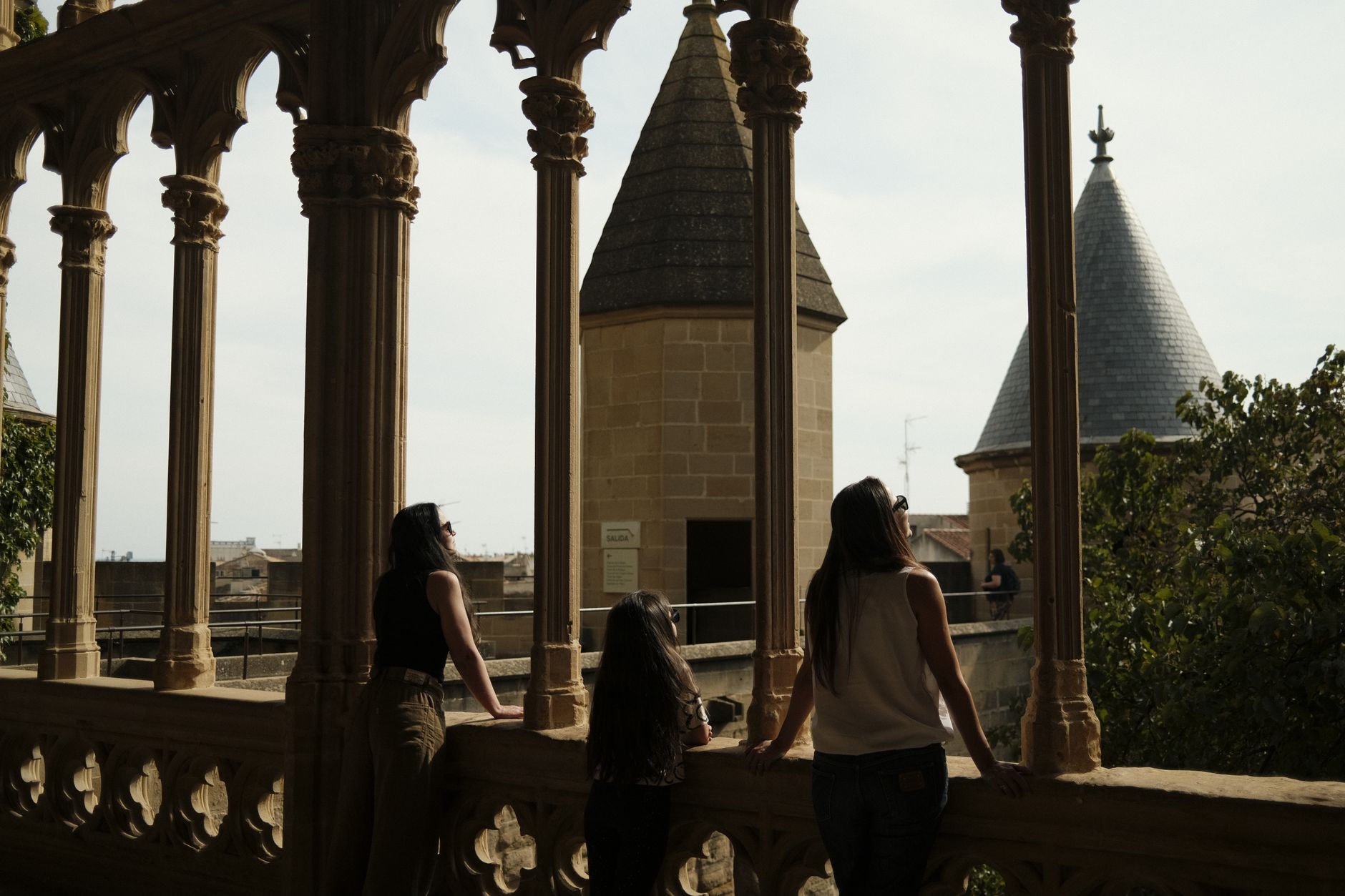
Montauban is a city built from its own earth — the reddish-pink brick that gives every street, archway and façade its particular warmth comes from clay dug locally since the town's founding in 1144. Stand on the Pont Vieux, the seven-arched bridge that took more than thirty years to build across the Tarn, and you get the view that makes sense of the place: the water below, the old episcopal palace above, and everywhere that terracotta hue.
This is a city with a serious artistic inheritance. Ingres was born here and left his studio's worth of drawings to the town. Bourdelle, who studied under Rodin and taught Giacometti, came from here too. The museum that holds their work sits inside a former castle, with a medieval hall underground that dates to the English occupation.
💛 What travellers fall for
People who come back tend to time a visit around the Saturday morning market on Allées Mortarieu — it runs large and unhurried, and it's a good reason to stay the night before rather than arriving by day-trip from Toulouse. The Église Saint-Jacques rewards a second look: the cannonball damage from the 1621 siege is still legible on the stone.
Experiences you don't want to miss


Deals in Montauban
Book directly at the provider


How Montauban came to be
Count Alphonse Jourdain of Toulouse founded Montauban in October 1144, granting it a liberal charter that made it one of the earliest bastides in the south of France. The city passed to English hands in 1360 and remained so until 1415 — the underground hall in the Musée Ingres Bourdelle still carries the name of the Black Prince from that period.
By the 16th century, Montauban had become the main Huguenot stronghold in southwest France, officially adopting the Reformed faith in 1561. In 1621, its residents held off a three-month siege by Louis XIII's royal army — the marks are still on Saint-Jacques. Eight years later, Cardinal Richelieu arrived, the walls came down, and autonomy ended. Napoleon made it a préfecture in 1809 when he created the Tarn-et-Garonne department.
Who and what shaped it
People who shaped it
Landmark buildings
See Montauban in motion
Plan your visit
On the map
When to go
Summers in Montauban are genuinely hot, with July and August regularly climbing well above 30°C — the covered arcades of Place Nationale earn their keep. Winters are mild rather than cold, and spring and early autumn give you warm days without the midday intensity.
Right now
Background & history adapted from Wikipedia (CC BY-SA) · specs from Wikidata (CC0) · weather from Open-Meteo · map data © OpenStreetMap contributors · photos from Wikimedia Commons / Unsplash with per-image credit. No third-party reviews or social posts reproduced.