
Foix

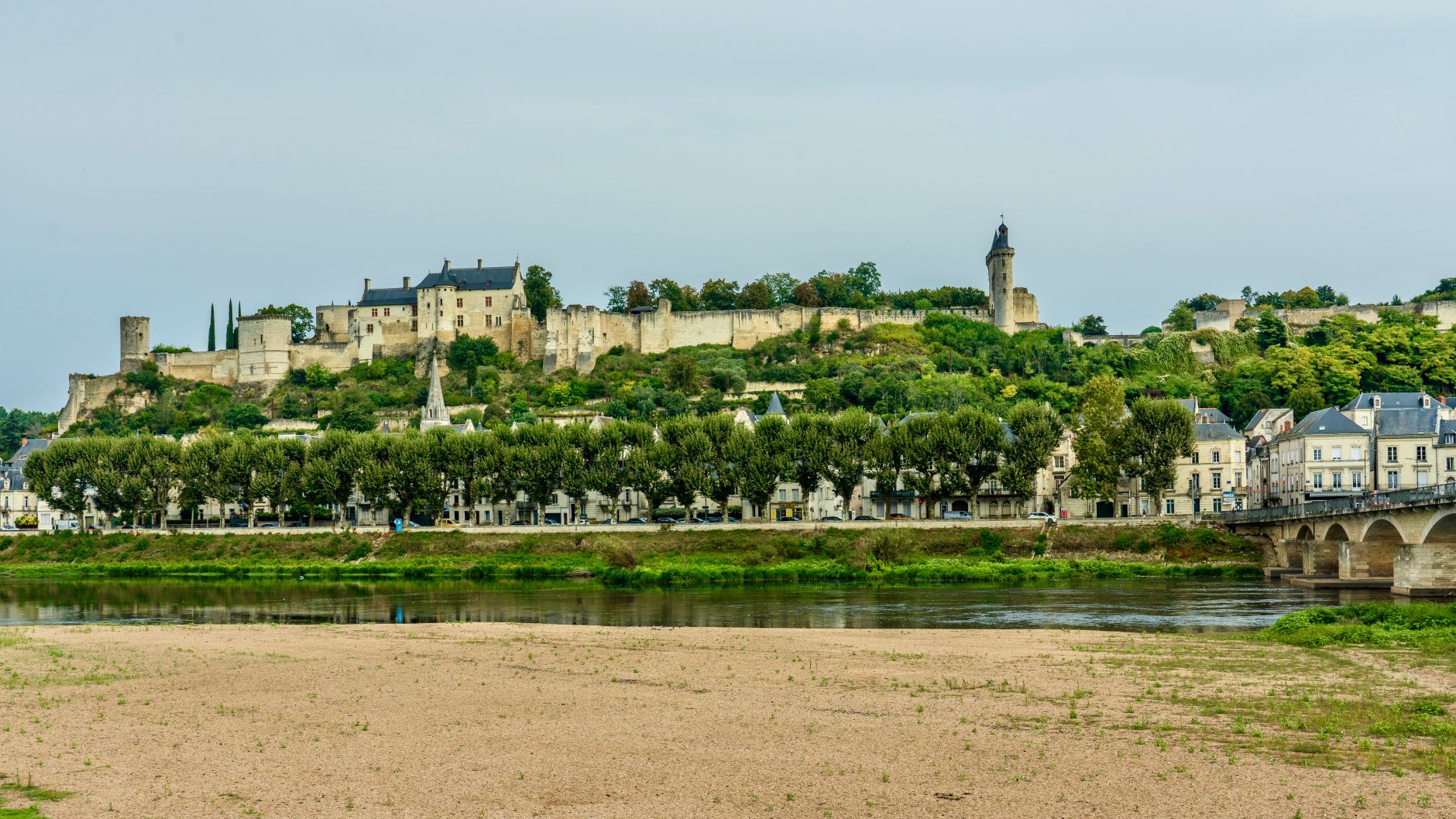
Three towers of pale stone rise from a sheer rock at the meeting of two rivers, and the whole town of Foix arranges itself below as if it had no choice in the matter. The Château de Foix has been up there since at least 987, and it still runs the show visually — you can see it from the train as you pull in, from the Friday market on the Allées de Vilotte, from almost anywhere.
Foix is a small Pyrenean prefecture that earns its keep through substance rather than spectacle. Half-timbered houses line lanes narrow enough to feel medieval, the abbey doorway dates from before the Wars of Religion destroyed the rest, and on Fridays the wide central boulevard fills with farmers, bakers and the kind of unhurried commerce that makes an afternoon disappear.
💛 What travellers fall for
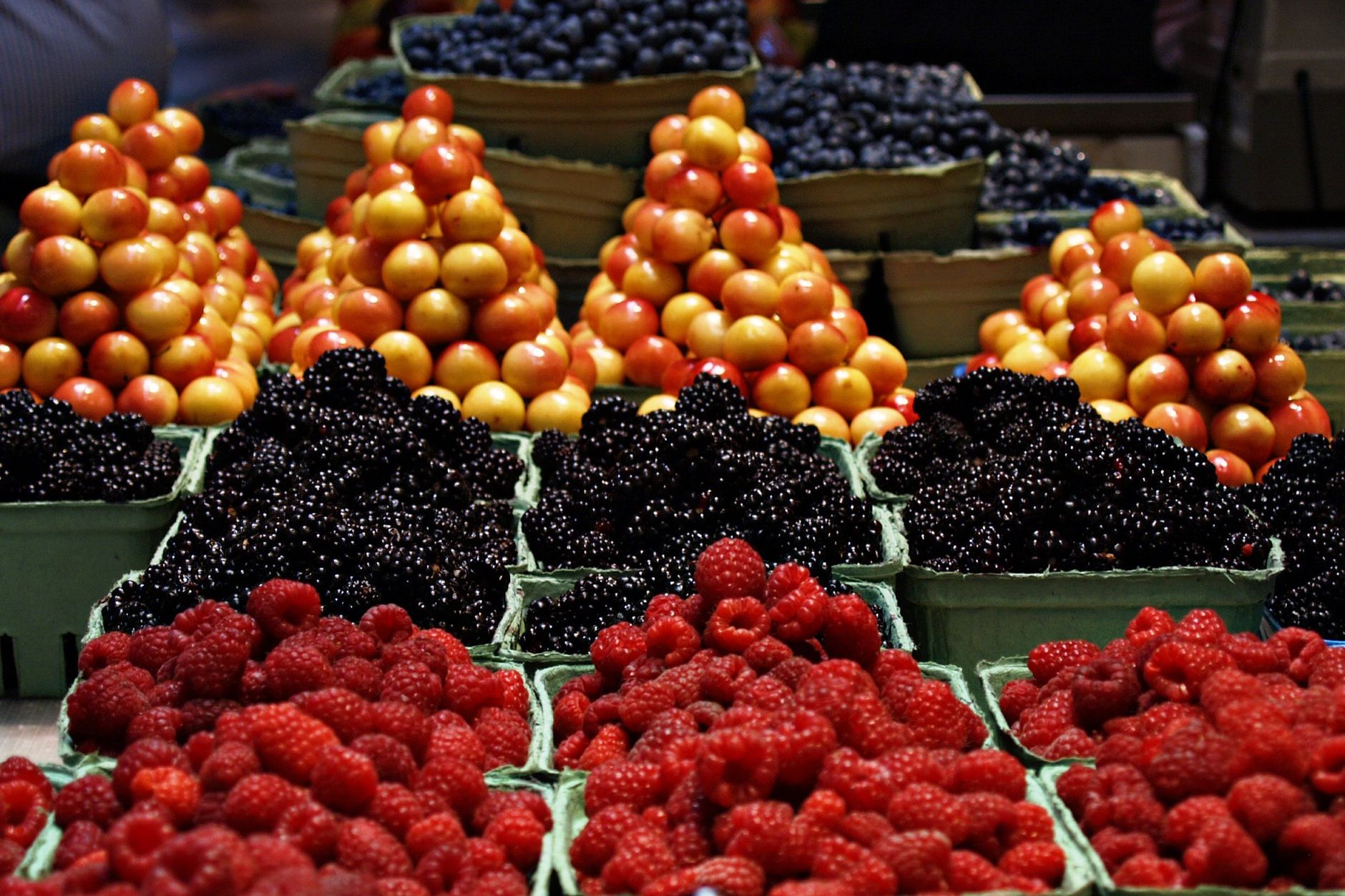
People who come back tend to mention the Friday market first — the organic section tucked around the Saint-Volusien square is worth arriving early for. The Halle aux Grains on a Tuesday morning is quieter and more local still. Plan four hours for the castle if you're going inside; the museum in the keep rewards the climb.
Experiences you don't want to miss


Deals in Foix
Book directly at the provider

How Foix came to be
Romans fortified the outcrop first, but the castle as a political fact dates to 987, when it appears in written records. In 1002 it passed by will to Bernard, son of Roger I of Carcassonne, and by 1034 it had become the capital of an independent county. That county proved stubborn: when Simon de Montfort IV came north during the Albigensian Crusade, the walls held against him repeatedly between 1211 and 1217. Sixty years later Philip the Bold had to lead an expedition in person before the Count of Foix finally surrendered.
The most celebrated of the counts was Gaston III, known as Phoebus (1331–1391), the last to actually live in the castle. By 1290 the counts had largely moved on to Béarn, and the fortress drifted toward a grimmer purpose — it served as a prison until 1864. The castle's connection to French history has one final flourish: Henry of Navarre, who held the county, became Henry IV of France in 1589.
Who and what shaped it
People who shaped it
Landmark buildings
See Foix in motion
Plan your visit
On the map
When to go
Foix sees real seasons — February averages around 8°C, August around 25°C, with nearly 1,300 mm of rain spread across the year. May through September is the window when warmth and daylight are both on your side; summer days are pleasant rather than punishing at this elevation.
Right now
Background & history adapted from Wikipedia (CC BY-SA) · specs from Wikidata (CC0) · weather from Open-Meteo · map data © OpenStreetMap contributors · photos from Wikimedia Commons / Unsplash with per-image credit. No third-party reviews or social posts reproduced.