
Rodez
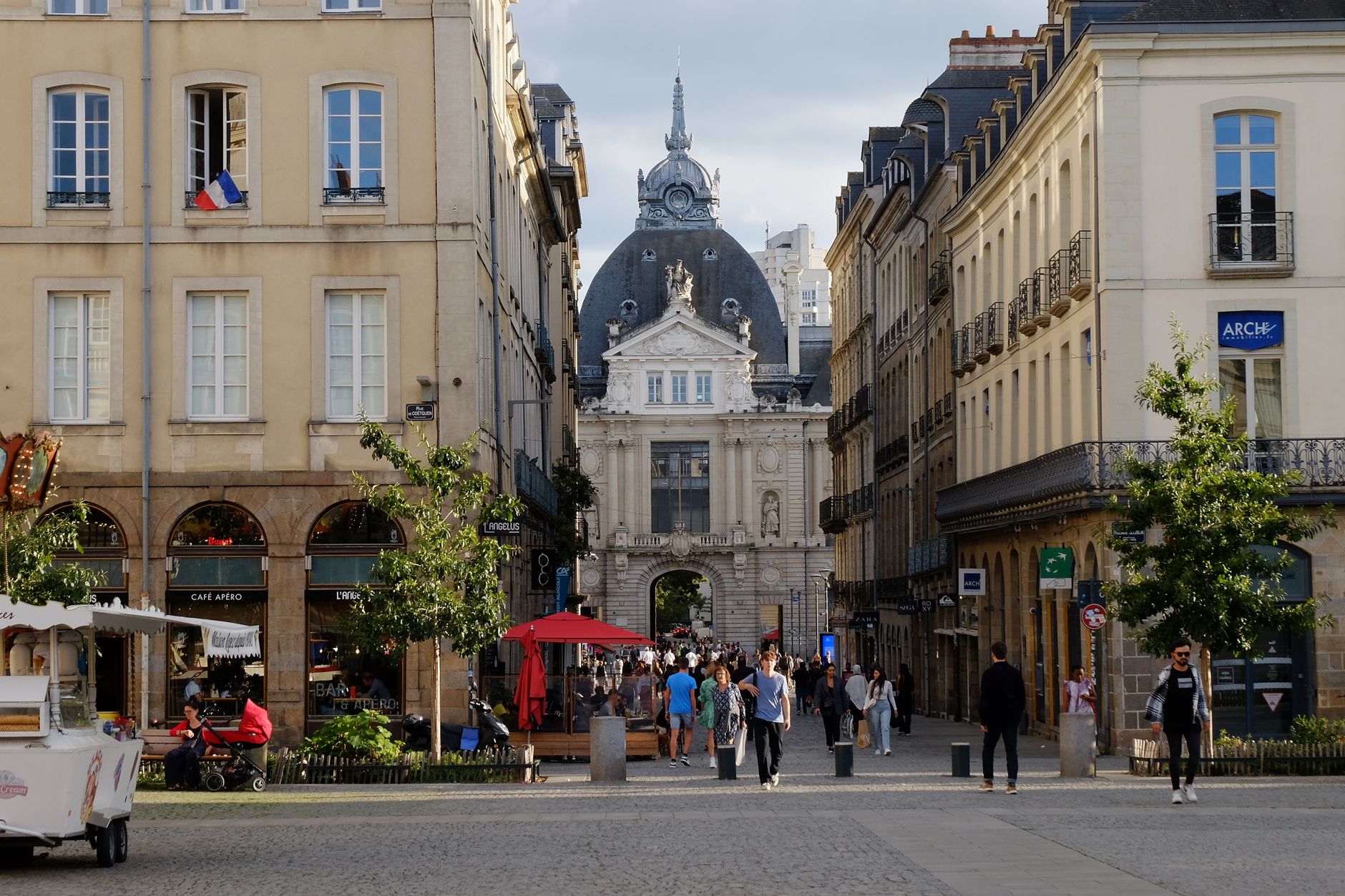
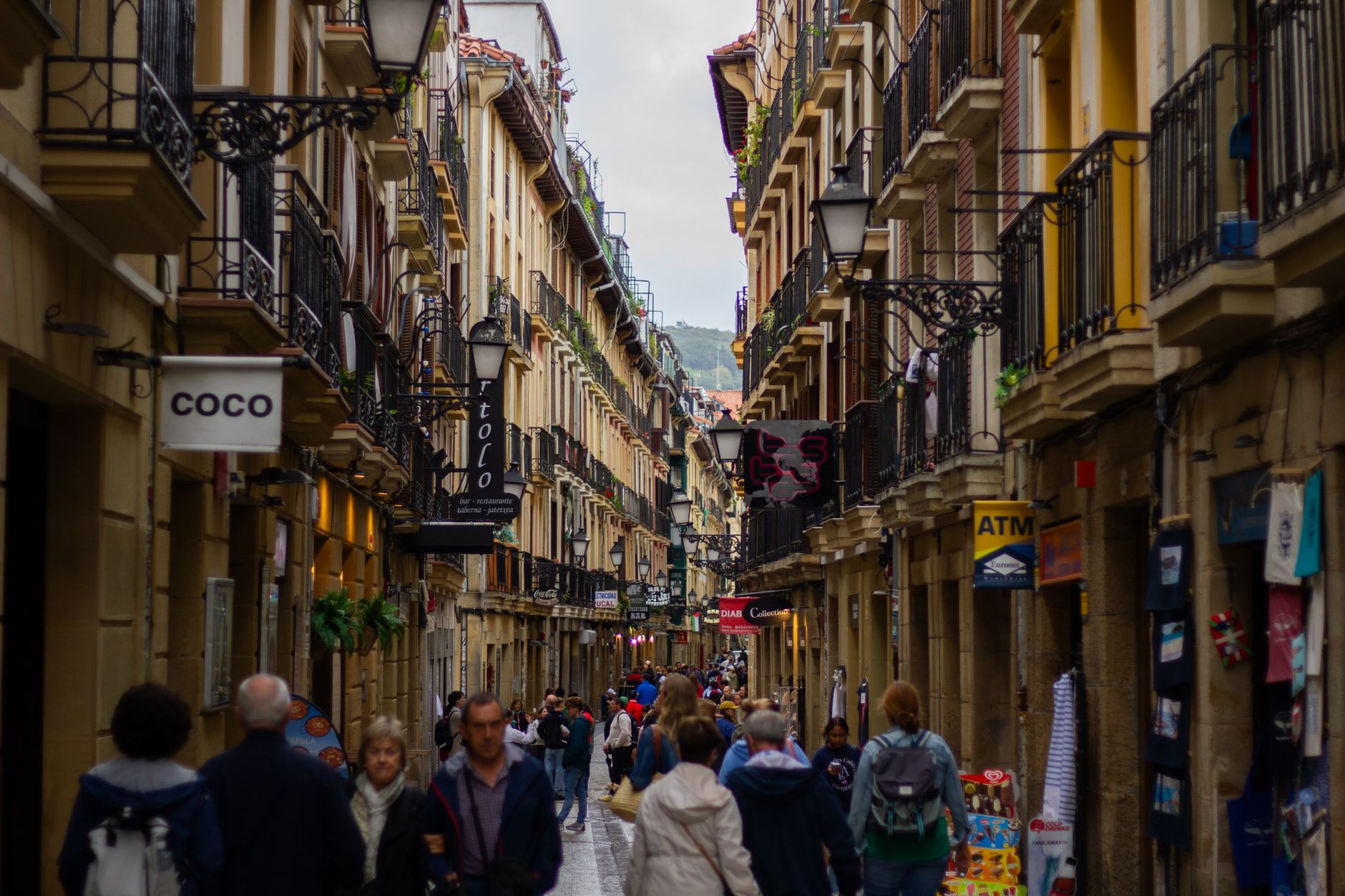
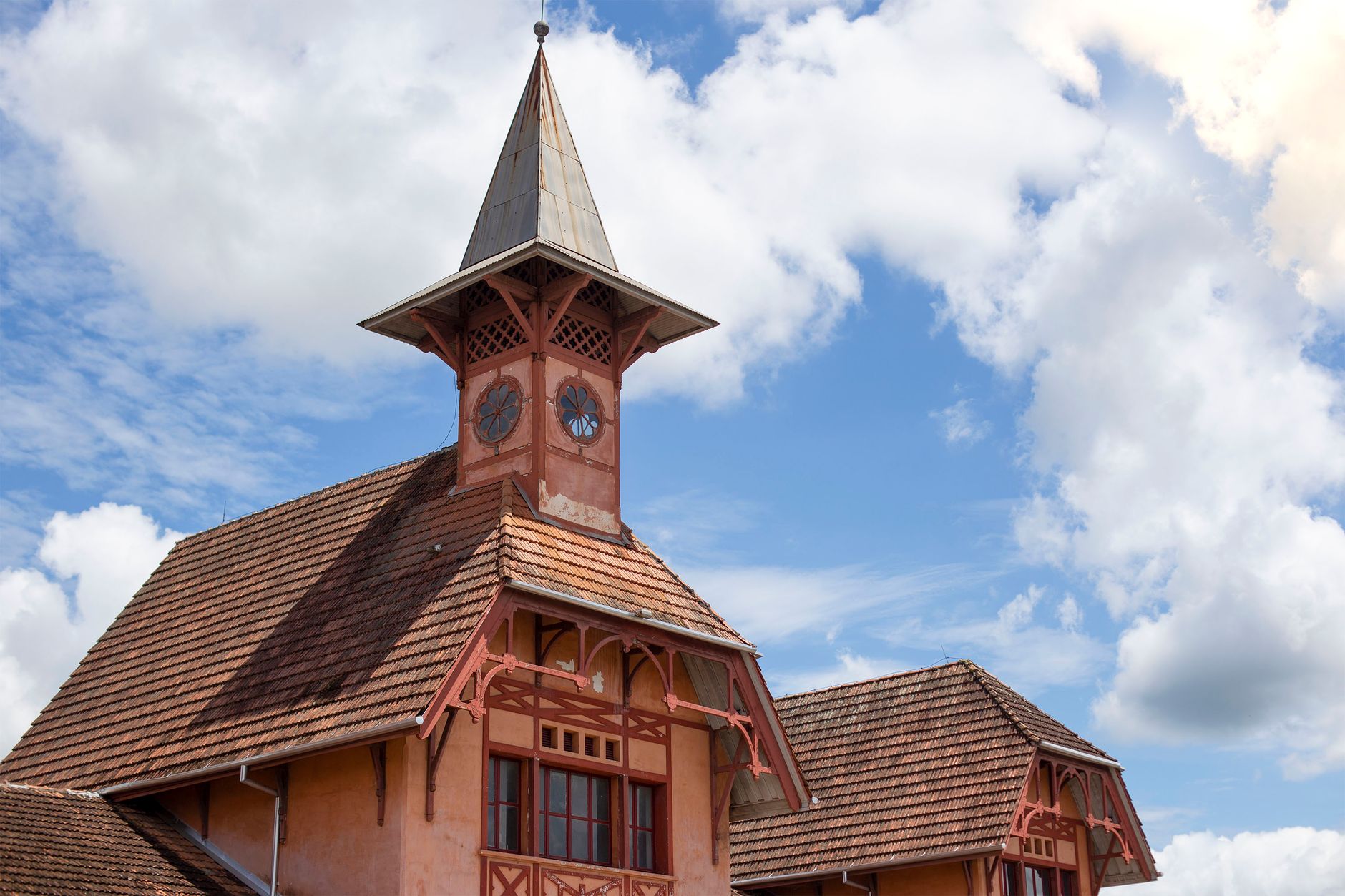
The first thing you notice about Rodez is the cathedral — specifically its north tower, a florid spike of pink sandstone that rises 87 metres above the old rooftops and can be seen from the surrounding plateau long before you reach the city. Everything else in Rodez arranges itself around that tower, including the medieval alleyways, the half-timbered houses with corbelled facades, and a surprisingly serious contemporary art museum dedicated to one of the most recognisable painters France produced in the 20th century.
Rodez sits on a hill above the Aveyron river, the administrative capital of its department and a city that has been fought over, divided and sold — literally — across nearly two millennia. It rewards the kind of attention most visitors reserve for better-known neighbours.
💛 What travellers fall for
People who come back tend to mention the same things: climbing the cathedral's 400 steps to the bell tower on a clear morning, then finding lunch somewhere in the cobblestone centre ville. The Musée Fenaille, with its extraordinary statue-menhirs from 3000 BC, catches nearly everyone off guard — it's the kind of collection you didn't know existed until you're standing in front of it.
Experiences you don't want to miss




Deals in Rodez
Book directly at the provider

How Rodez came to be
The Celts were here first, establishing a settlement by at least the 5th century BC. The Romans renamed it Segodunum; after their withdrawal it passed through Visigoth and Frankish hands, and was raided by Arab forces in 725. Medieval Rodez was literally a divided city — Counts and Bishops controlled separate sectors, separated by a wall, and spent centuries in rivalry. The Counts periodically defied the French crown until Louis XI forced the submission of Count John IV in the 15th century.
The last count, Henry VI of Rodez, sold his title to the Royal Crown in 1589 — and later became Henry IV of France. With the Revolution, Rodez was made chef-lieu of the new Aveyron department. Between 1792 and 1798, astronomers Pierre Méchain and Jean-Baptiste Delambre used the cathedral as a central surveying point to calculate Earth's circumference — the measurement that defined the metre.
Who and what shaped it
People who shaped it
Landmark buildings
See Rodez in motion
Plan your visit
On the map
When to go
Rodez has an oceanic climate but sits high enough to feel noticeably cooler than other cities in southern France — winters are sharp, occasionally frosty, while summers turn hot and sunny with July highs around 26°C. Spring and early autumn are the most reliably pleasant seasons for walking the old town.
Right now
Background & history adapted from Wikipedia (CC BY-SA) · specs from Wikidata (CC0) · weather from Open-Meteo · map data © OpenStreetMap contributors · photos from Wikimedia Commons / Unsplash with per-image credit. No third-party reviews or social posts reproduced.