
Sète
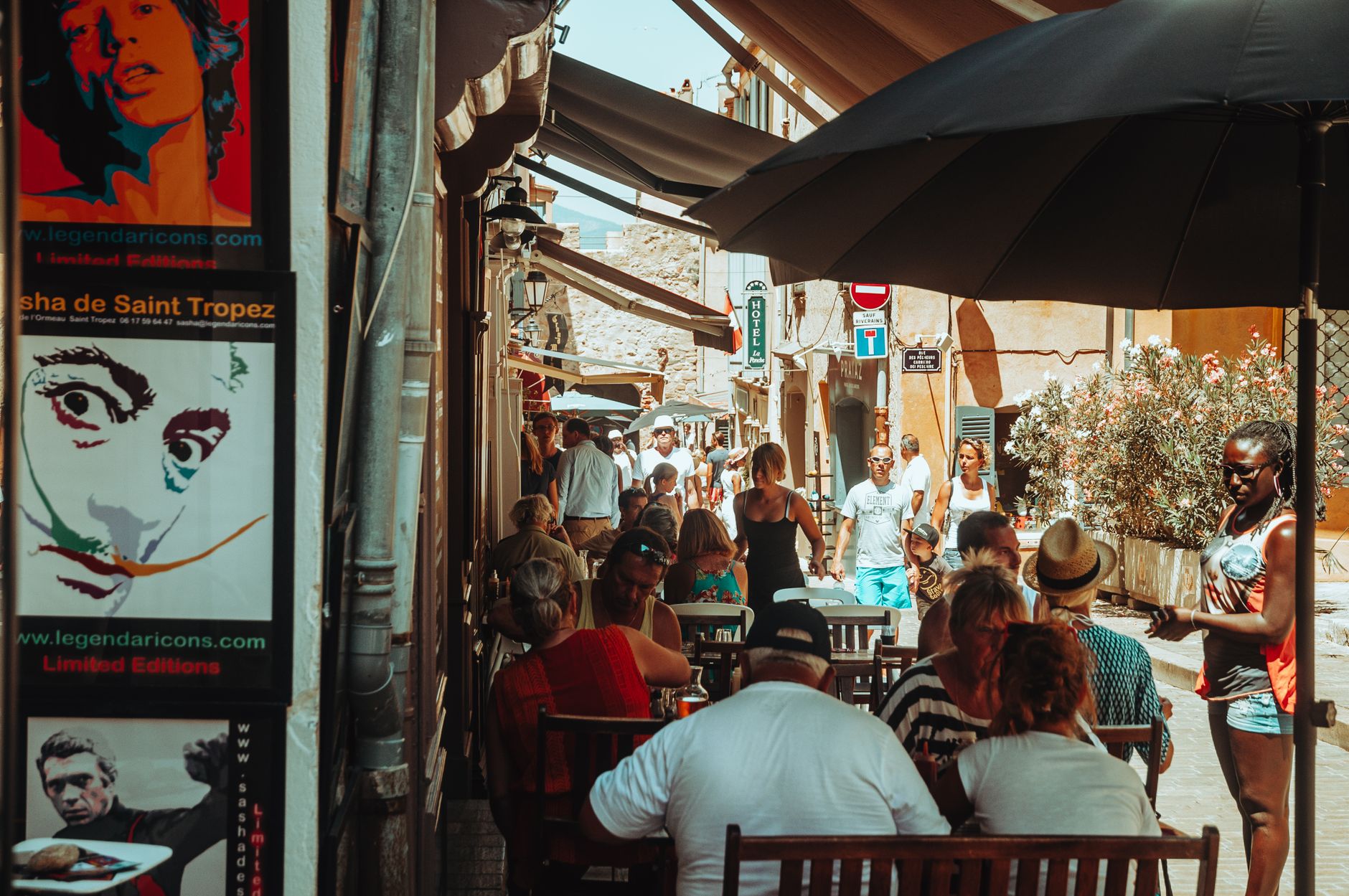
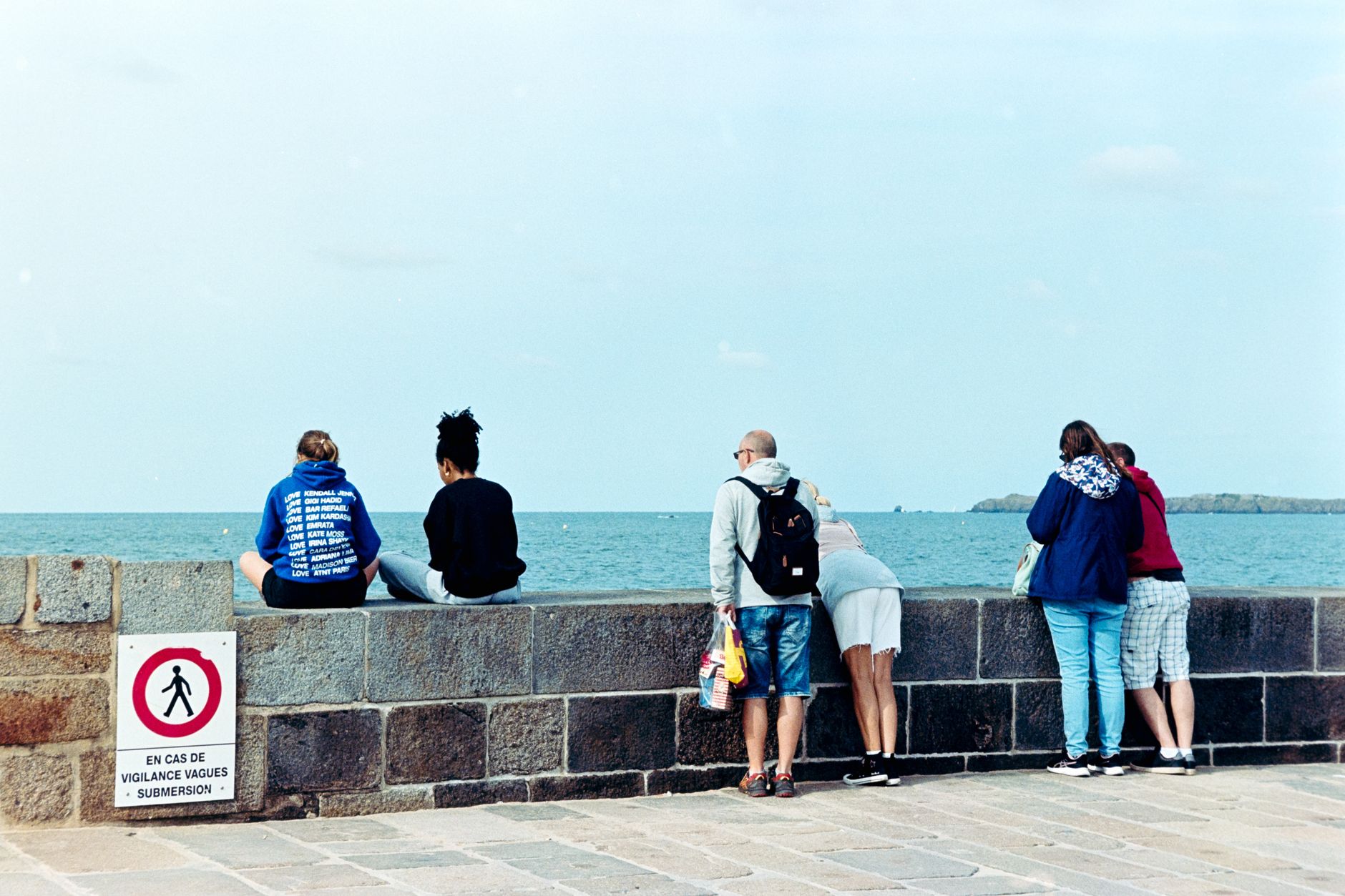
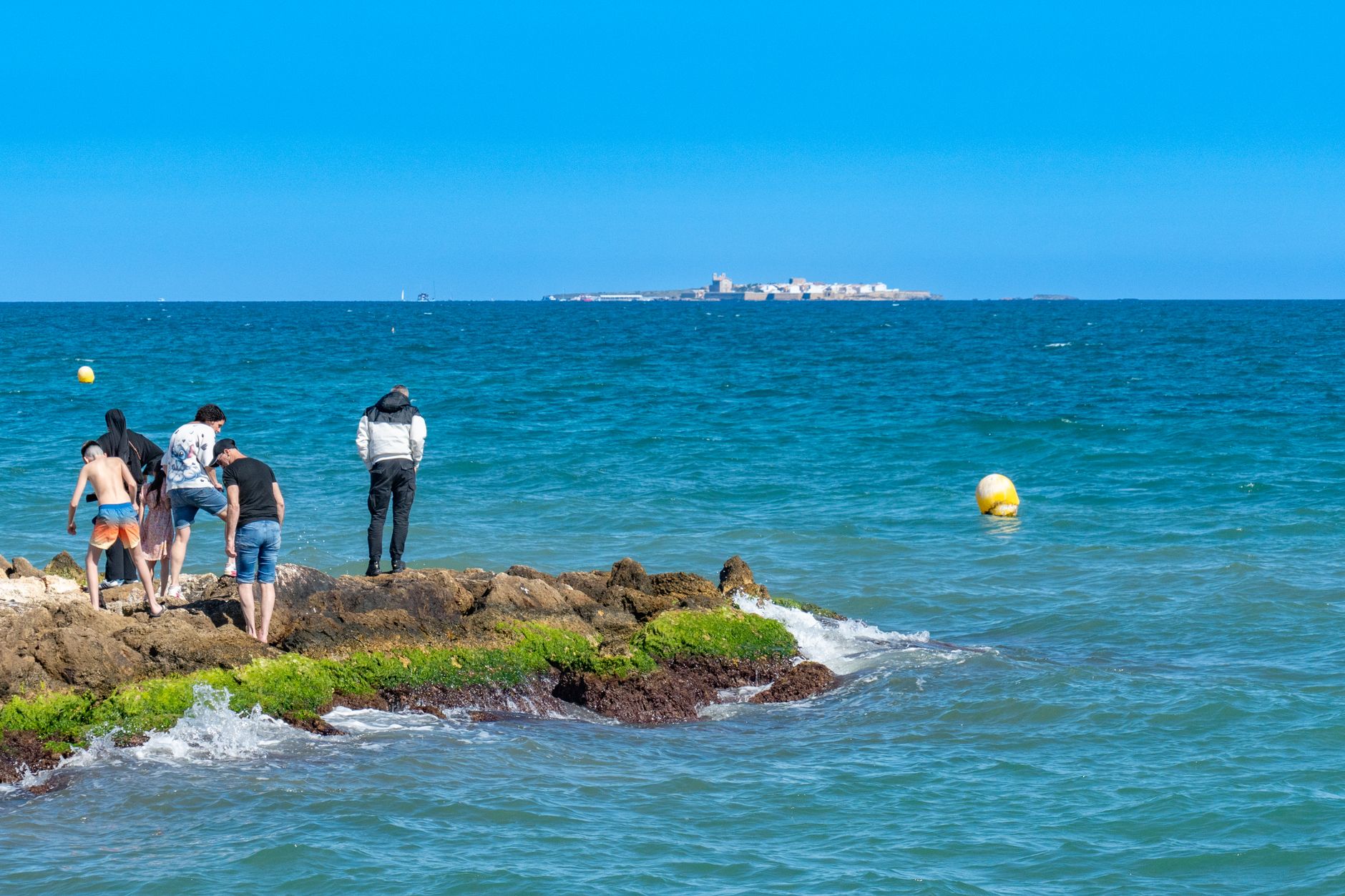
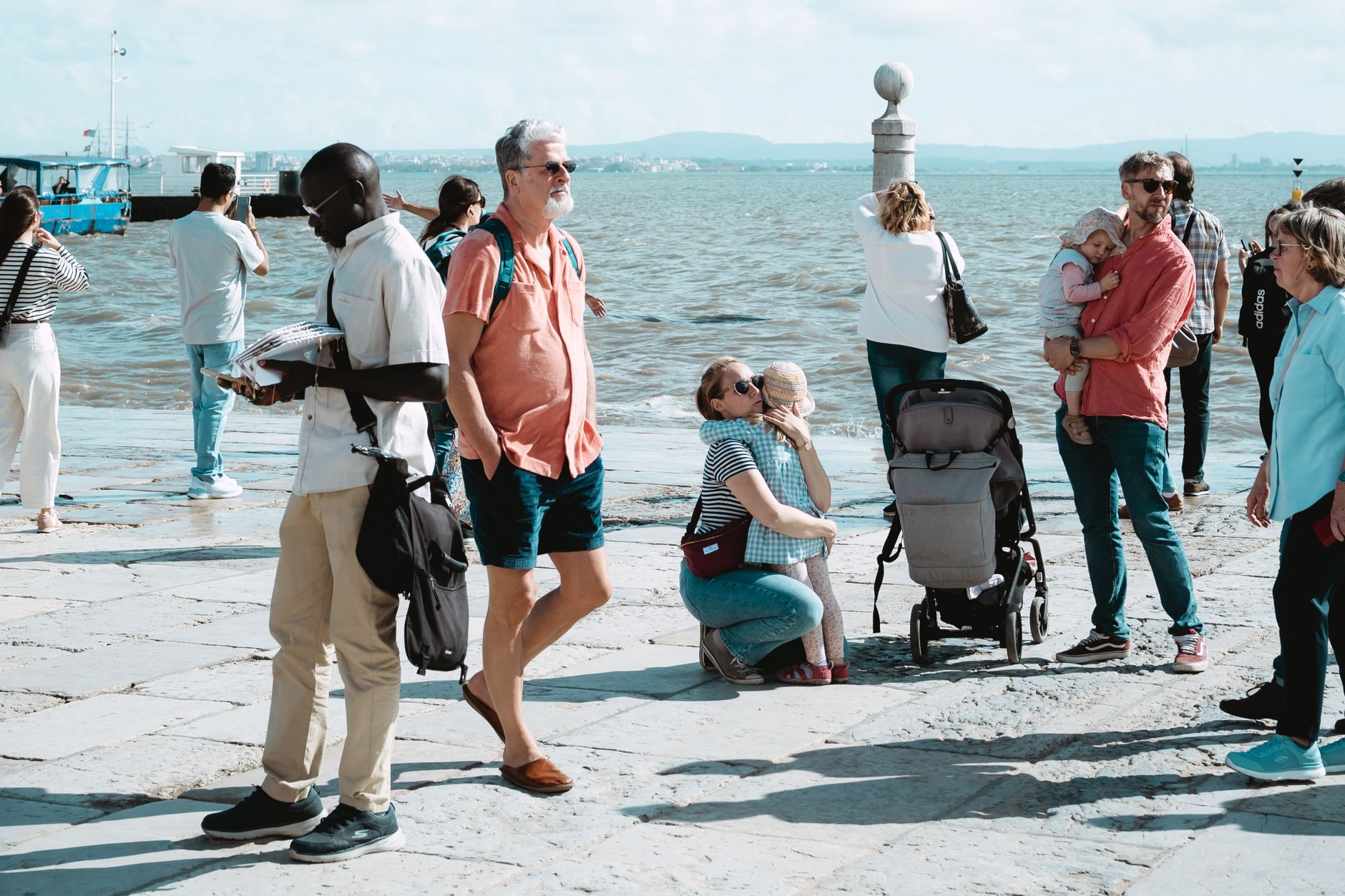
Sète sits on a narrow tongue of land between the Mediterranean and the Étang de Thau, water on both sides and a limestone hill rising from the middle. The Canal Royal cuts straight through the old centre, lined with the faded mansions of 18th-century wine merchants, and on summer evenings the jousting barges come out — men in white, long lances, trying to knock each other into the water. It has been happening here since the day the town was founded, in 1666.
This is a working port that has also produced, improbably, a poet-philosopher, a chansonnier, a theatre visionary, a flamenco guitarist and a filmmaker of world standing — all born within a few streets of each other.
💛 What travellers fall for
People who come back tend to mention the same morning: climbing the 120 steps of the Saint-Louis Lighthouse before the heat sets in, then walking the 650-metre cobbled pier out into the sea. After that, the covered market near the canal for sea urchins and a glass of local Picpoul. The Musée Paul Valéry in the afternoon, when the slope of Mont Saint-Clair is in shade.
Experiences you don't want to miss


Deals in Sète
Book directly at the provider
How Sète came to be
Louis XIV and his minister Colbert chose this spot in 1666 as France's new Mediterranean gateway — the first stone of the Saint-Louis mole was laid on July 29 of that year, and the first water jousting tournament was held the same day. The engineer Pierre-Paul Riquet selected the foot of Mont Saint-Clair as the terminus for the Canal du Midi, completed in 1681, which finally linked the Atlantic to the Mediterranean and made Sète's fortune through the wine trade.
The 19th century brought one of France's first passenger railways — the Montpellier–Sète line, opened in 1839. The town was bombed in June 1944 and liberated that August. The name itself changed in 1928, when the old spelling 'Cette' was officially replaced with 'Sète'.
Who and what shaped it
People who shaped it
Landmark buildings
See Sète in motion
Plan your visit
On the map
When to go
Summers are hot and dry, with the sea reliably warm from June through September. Spring and autumn bring mild days and occasional sharp winds off the water; winters are short and rarely severe, though the waterfront can feel raw in January.
Right now
Background & history adapted from Wikipedia (CC BY-SA) · specs from Wikidata (CC0) · weather from Open-Meteo · map data © OpenStreetMap contributors · photos from Wikimedia Commons / Unsplash with per-image credit. No third-party reviews or social posts reproduced.