
French Pyrenees
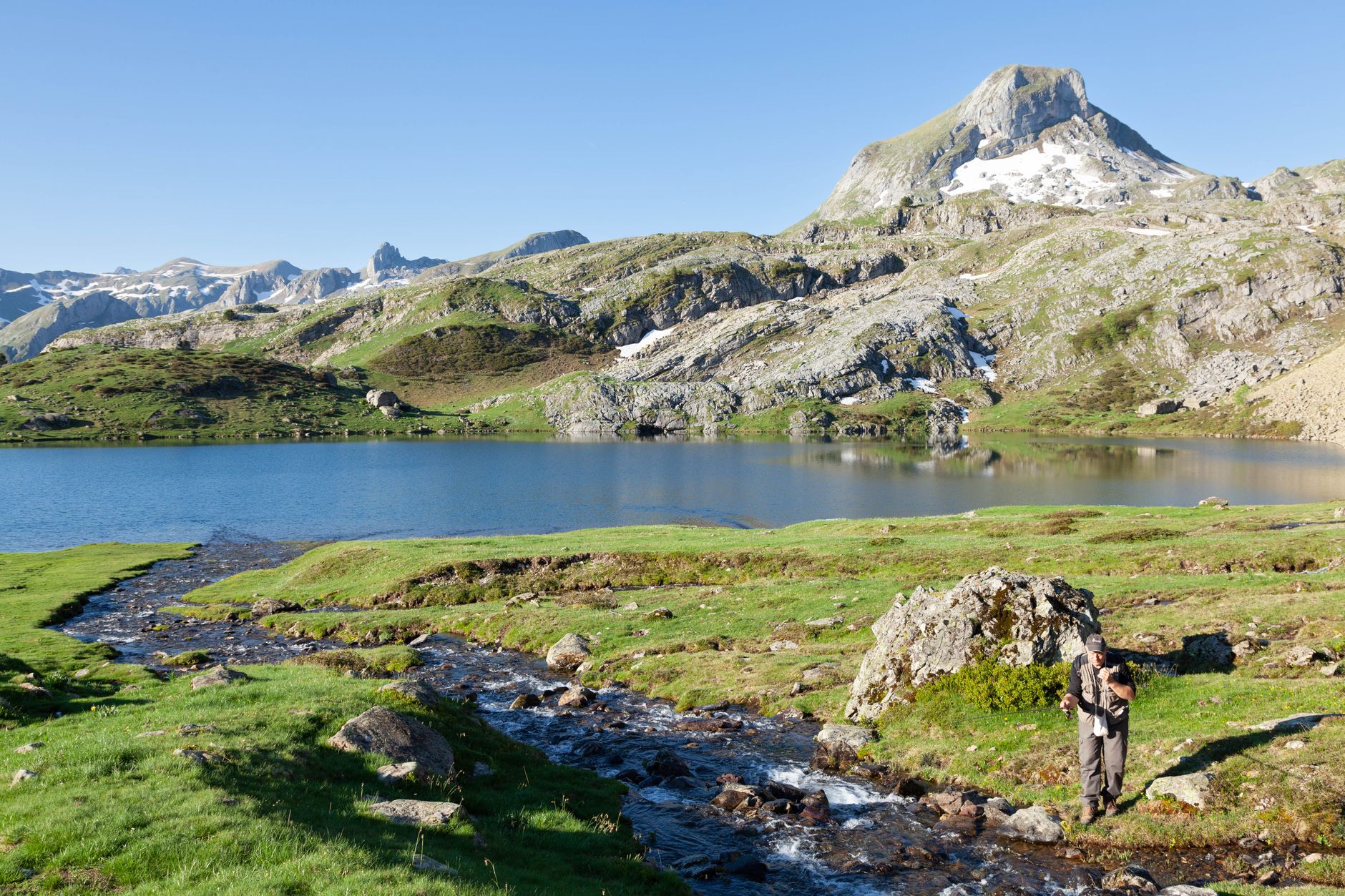
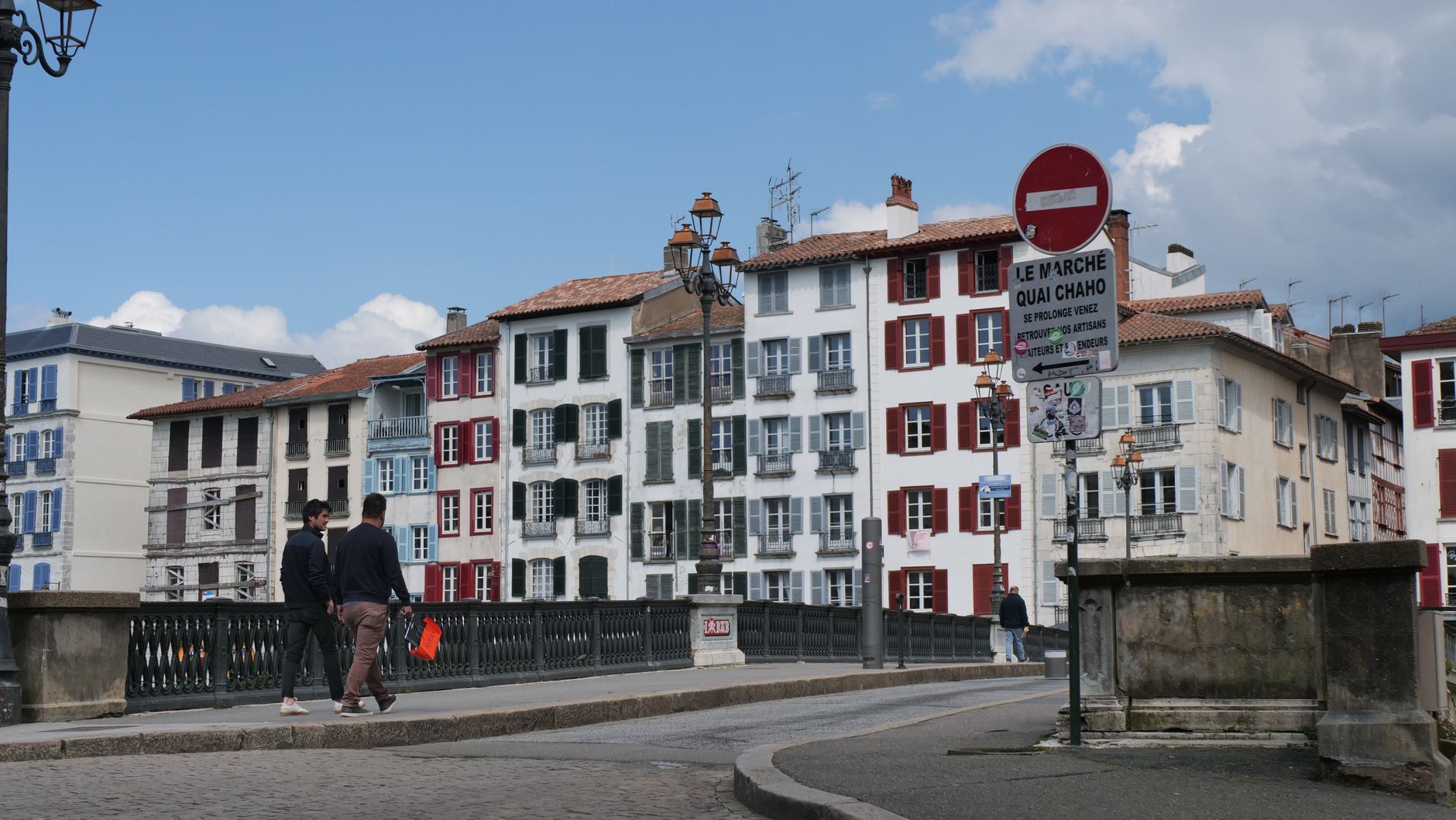
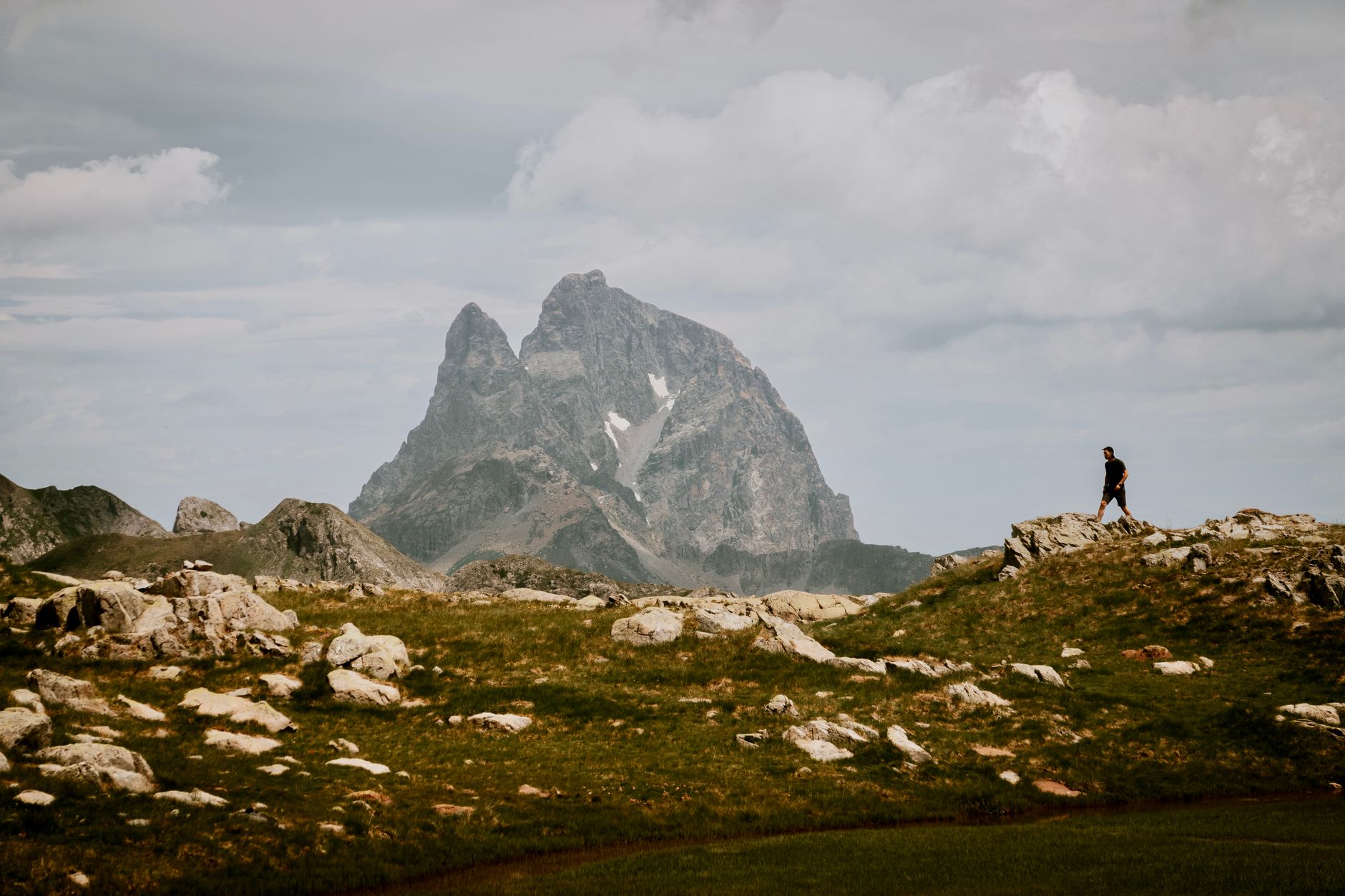
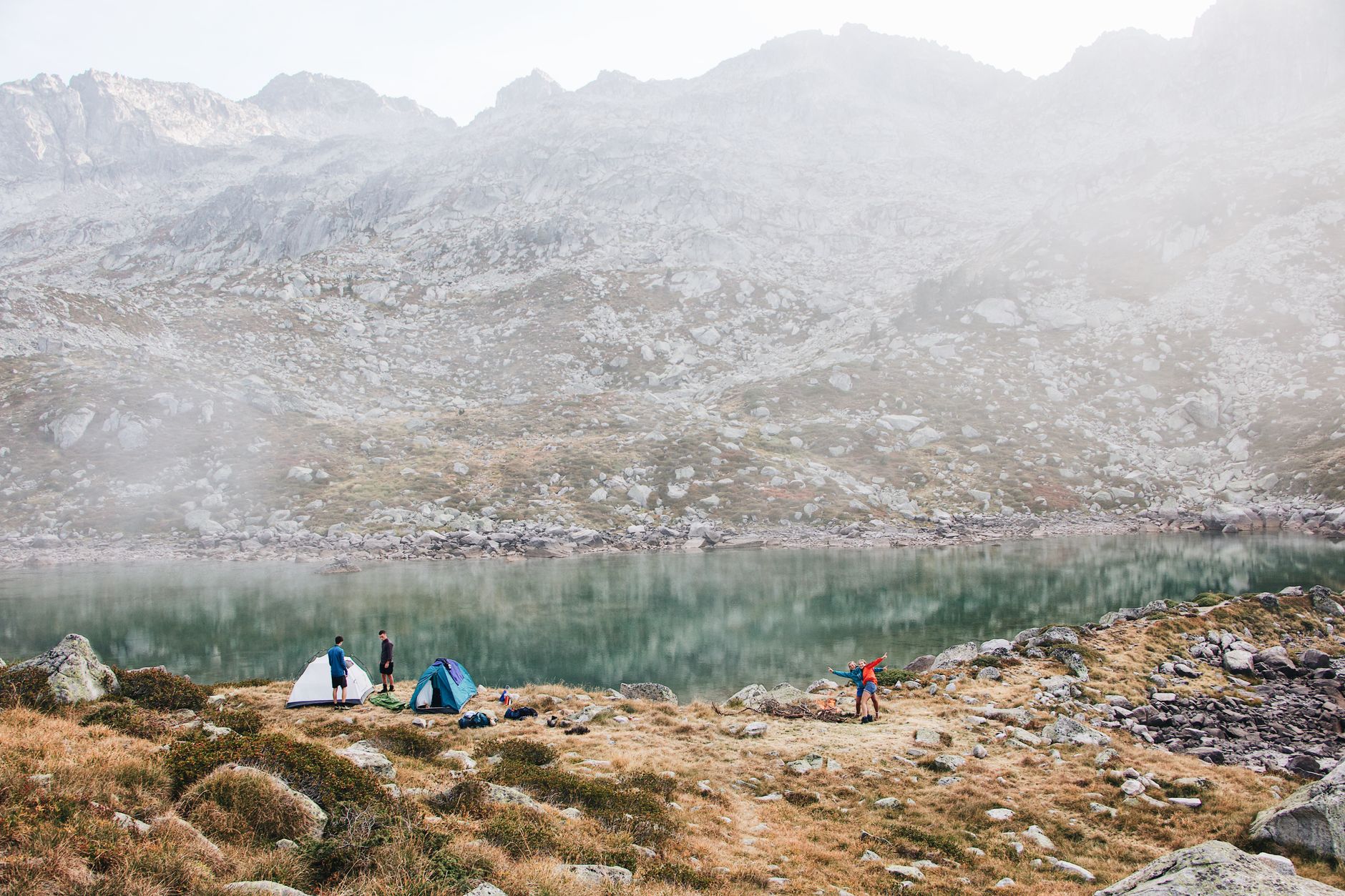
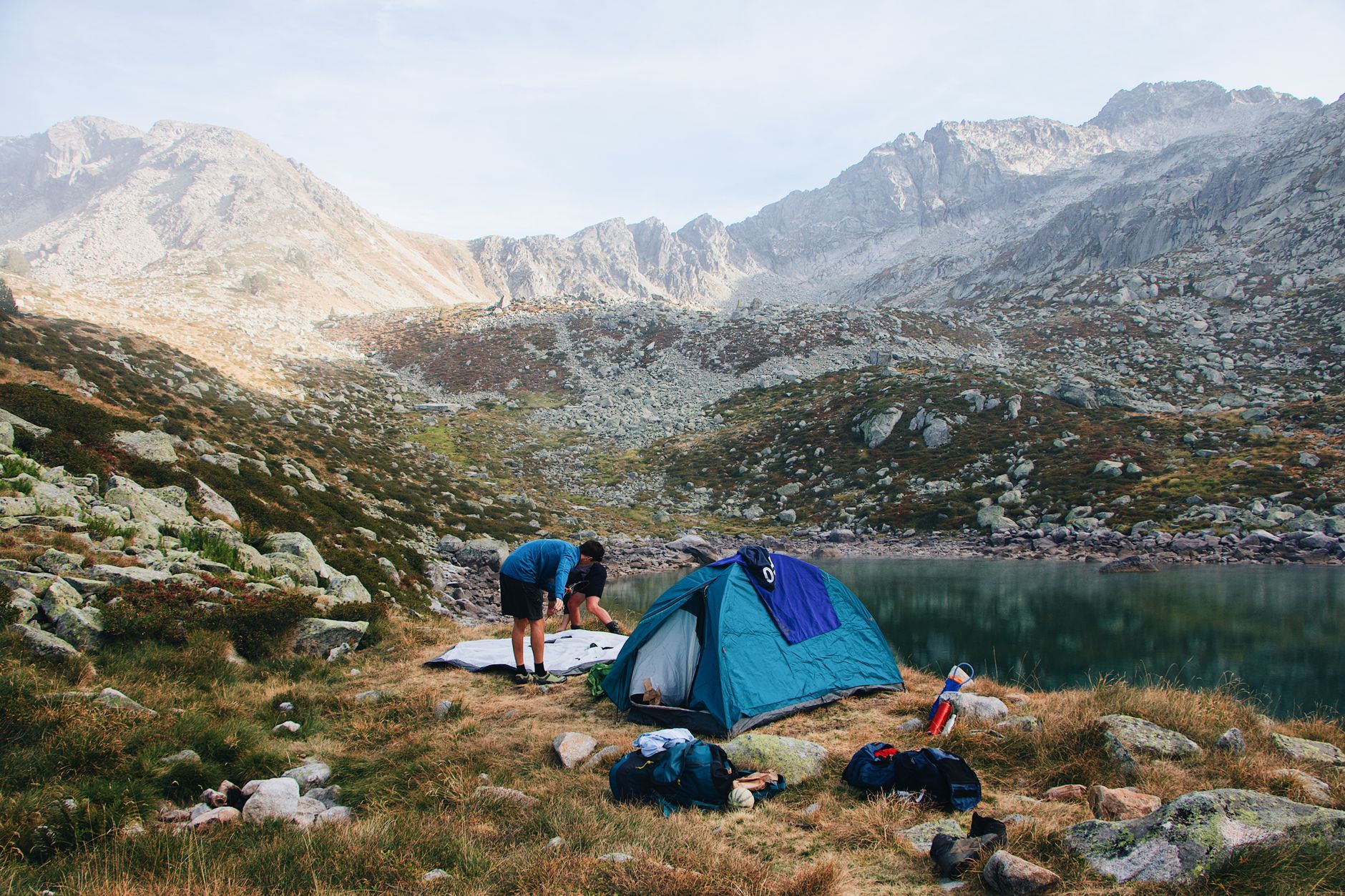
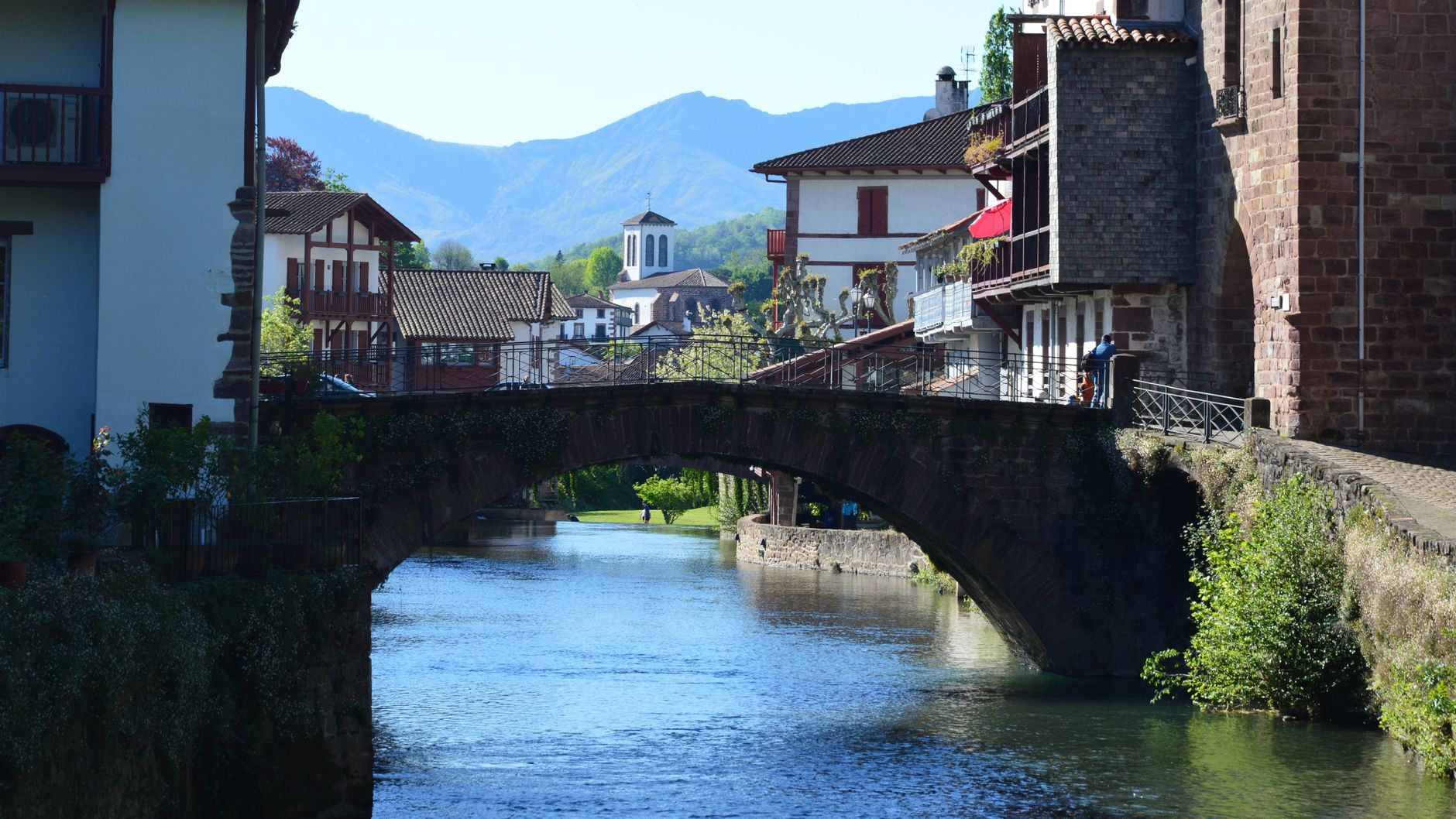
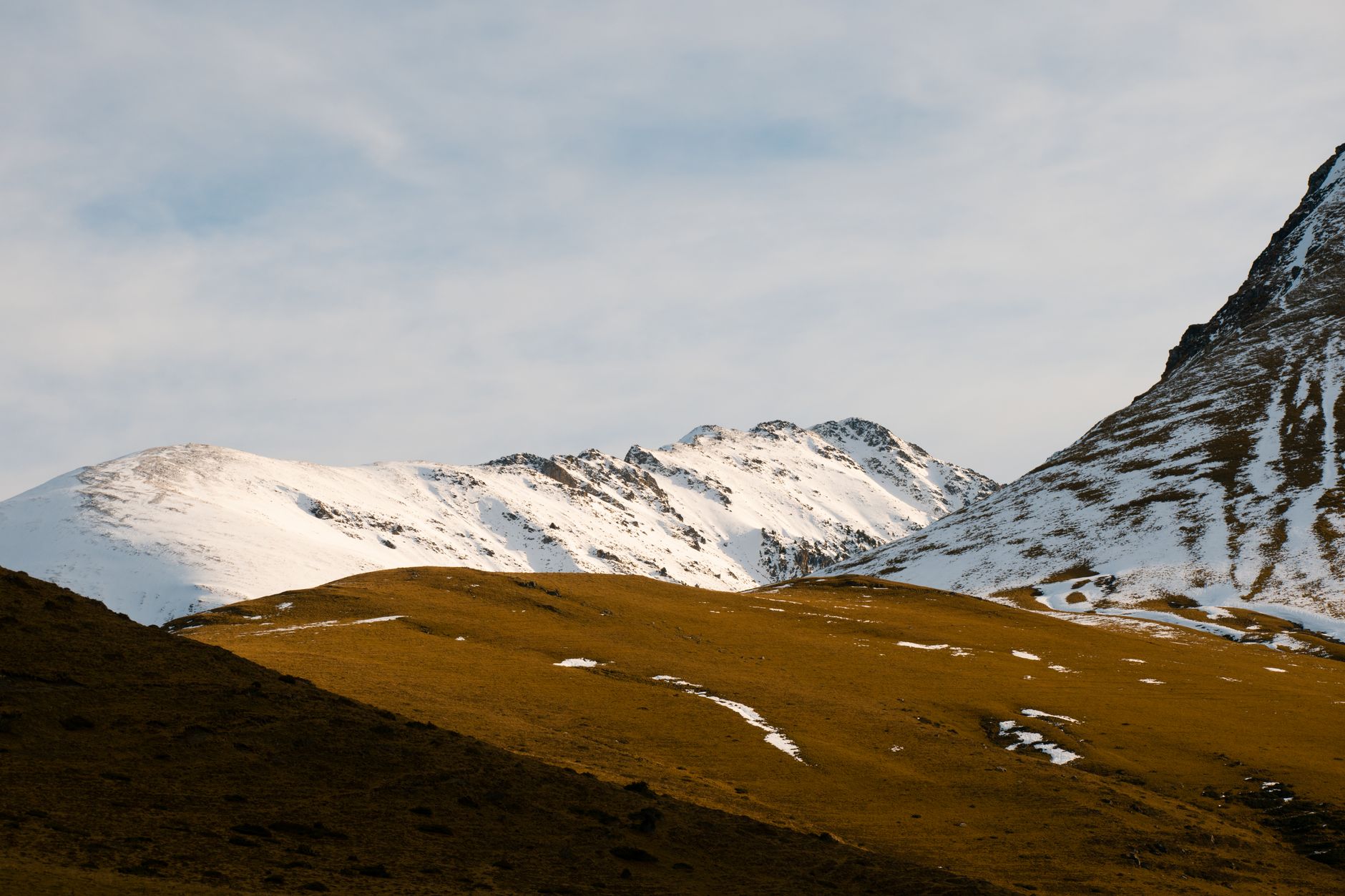
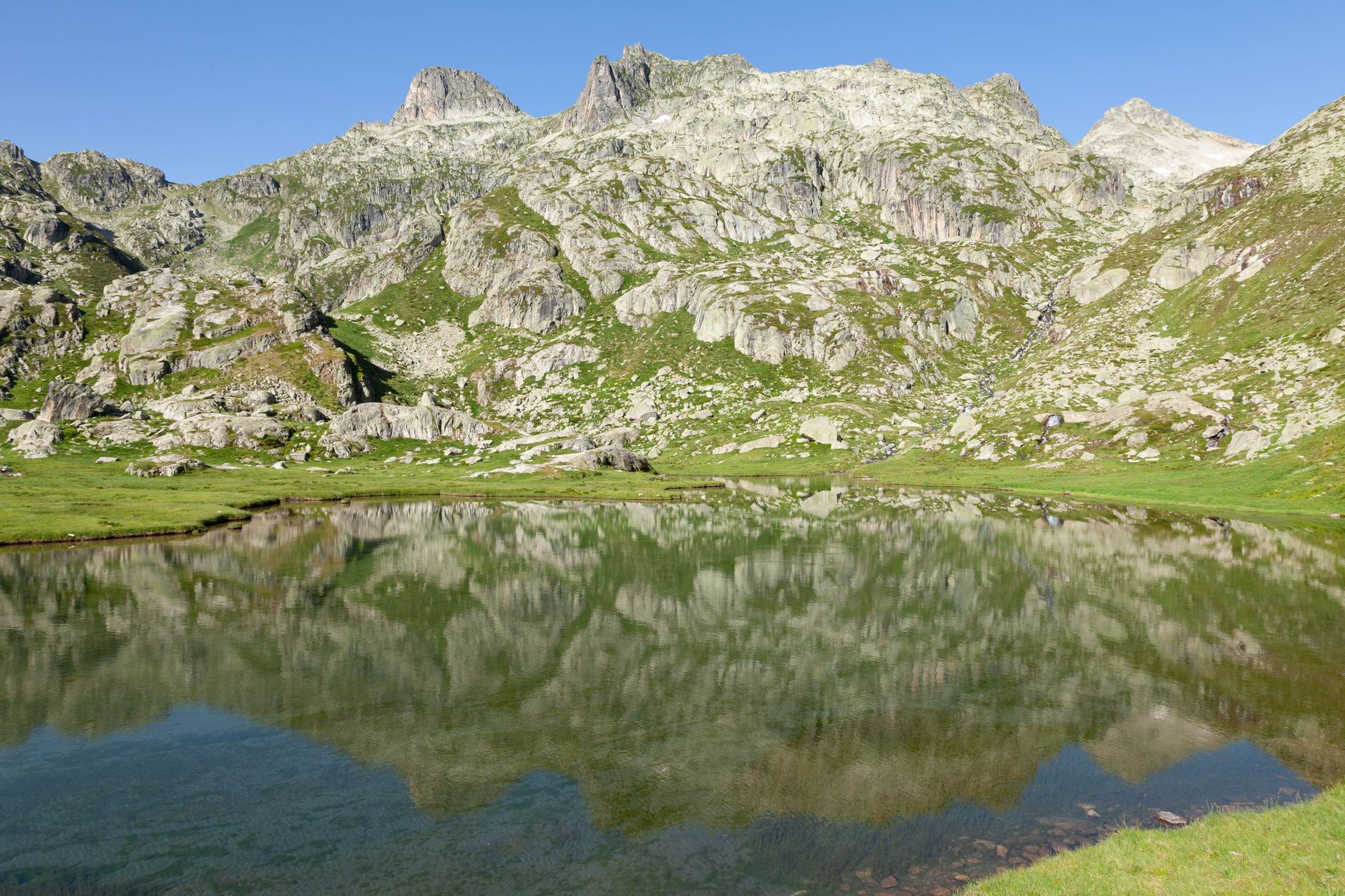
The Pyrenees begin where the Atlantic ends and finish where the Mediterranean begins — 435 kilometres of mountain spine separating France from Spain, with a character that shifts the further east you travel. In the west, Atlantic weather rolls in heavy and green; by the time you reach the eastern ranges, the light turns drier and harder, and the architecture starts to borrow from Catalonia.
At Cirque de Gavarnie, a natural amphitheatre of cliffs rising 1,500 metres, a single waterfall drops 422 metres into the valley floor. The Little Yellow Train climbs to 1,593 metres through gorges and viaducts on a 63-kilometre route that runs year-round. These are the details that stay with you.
Popular cities in French Pyrenees
💛 What travellers fall for
People who return tend to time it for late September or October — the Indian summer window when the storms have cleared, the meadows are still green and the Yellow Train runs half-empty on weekdays. Arreau's Thursday market under the clocktower hall is worth building a morning around, and Cauterets rewards a second visit once you've learned to pace a spa town properly.
Experiences you don't want to miss


How French Pyrenees came to be
The range itself is ancient by any measure: the collision of the Iberian and Eurasian plates began lifting these mountains around 65 million years ago, with the most intense deformation occurring during the Oligocene epoch. Ice and water did the rest, carving the cirques and valleys that define the landscape today.
Human history settled into those valleys with equal persistence. The 11th-century cathedral at Saint-Bertrand-de-Comminges — a UNESCO World Heritage Site — and the Knights Templar fortified church at Luz Saint-Sauveur mark the depth of medieval presence here. The mountains also drew early mountaineers: in 1802, Ramond de Carbonnières made the first recorded ascent of Monte Perdido, at 3,355 metres one of the range's great limestone peaks.
Who and what shaped it
People who shaped it
Landmark buildings
See French Pyrenees in motion
Plan your visit
On the map
When to go
Late September through October is the most reliable window — warm, dry and clear after summer's thunderstorm season. Spring opens up below 1,500 metres by May, with wildflowers in the meadows, though April stays cool and wet; the western end near the Basque country is one of France's wettest corners year-round, while the eastern Pyrenees run noticeably sunnier and drier.
Right now
↡ Cities
No places match these filters.
Background & history adapted from Wikipedia (CC BY-SA) · specs from Wikidata (CC0) · weather from Open-Meteo · map data © OpenStreetMap contributors · photos from Wikimedia Commons / Unsplash with per-image credit. No third-party reviews or social posts reproduced.