
Amélie-les-Bains-Palalda

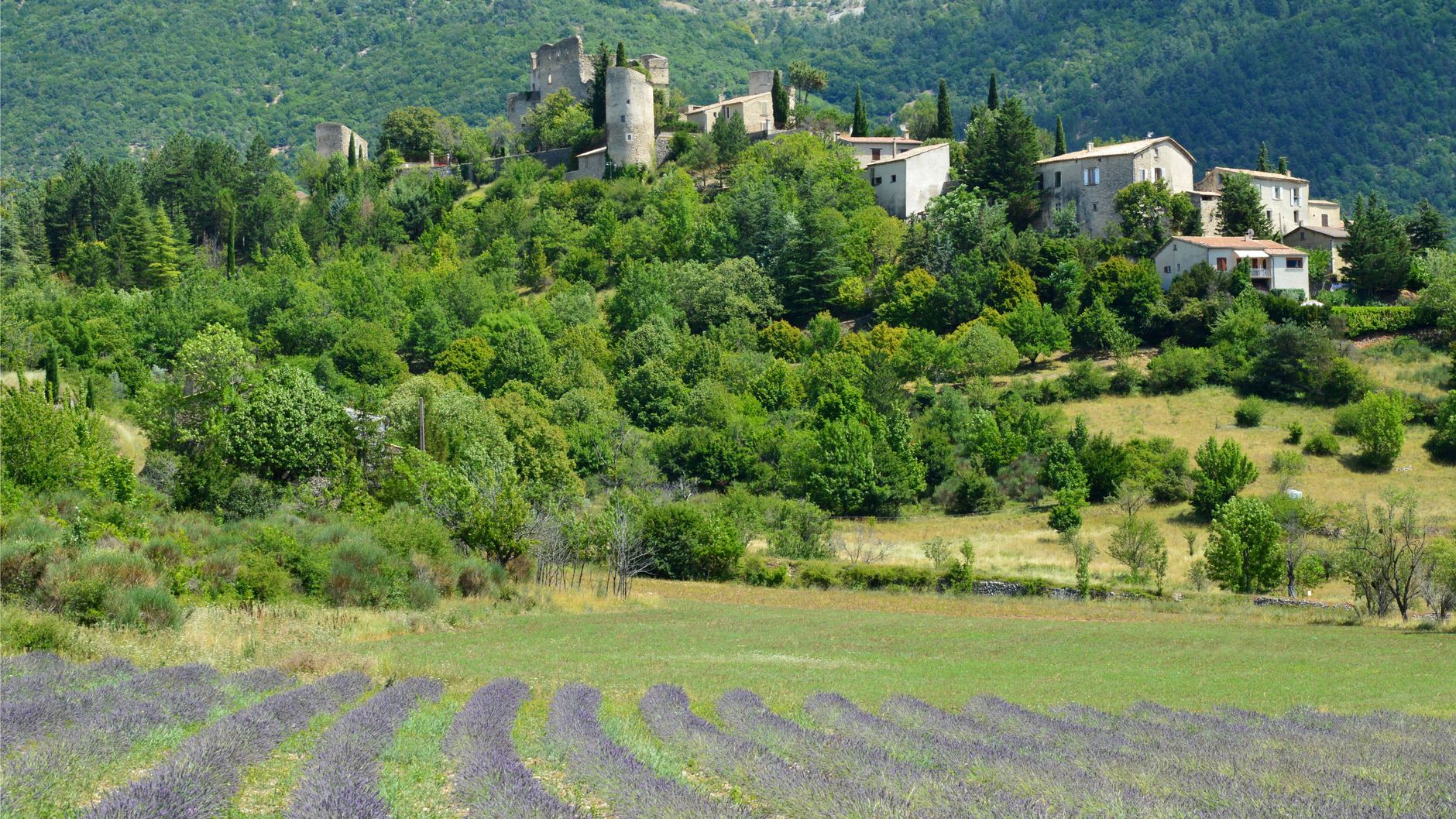
The thermal water here runs between 44 and 62 degrees Celsius, hot enough that you can feel the heat rising before you step into the bath. Amélie-les-Bains-Palalda sits low in the Tech valley at 230 metres, close enough to the Spanish border that its original Catalan name — Els Banys d'Arles — still feels more honest than the 1840 royal rechristening.
Two distinct settlements merged into one in 1942: the spa town of Amélie on the valley floor, with its Roman vaults and modern thermal halls, and the older hilltop village of Palalda, where a 12th-century nave and a granite-portalled church look out over terraced rooftops. The Thursday market, the cobbled streets, the tomb of a 21-year-old Japanese samurai in the local cemetery — the place accumulates specifics.
💛 What travellers fall for
People who come back tend to combine a few days at the Thermes du Mondony with a slow morning in Palalda before the heat builds. The Roman bath vault — 11 metres high, 22 metres long, Gallo-Roman stonework intact beneath the changing rooms — is worth asking to see on a guided tour. The Thursday market is the one to time your visit around.
Experiences you don't want to miss




Deals in Amélie-les-Bains-Palalda
Book directly at the provider


How Amélie-les-Bains-Palalda came to be
Roman bathers were here first: the vaulted chamber now preserved inside the thermal establishment dates to the 2nd century AD, its frigidarium and caldarium alcoves still legible in the stonework. The settlement's written record stretches back to 869, when the church of Saint-Quentin was already old enough to be mentioned in documents; it was reconsecrated after restoration in 1061.
The fort arrived in 1670, engineered by Saint-Hilaire and then modified by Vauban in 1679 as part of the defensive line drawn after the 1659 Treaty of the Pyrenees. Its four bastions — Roy, Queen, Dauphin, Chamilly — frame a central tank and chapel; it became a Historic Monument in 1909 and was classified among UNESCO's Vauban Fortifications in 2008, though it remains private and closed to visitors. The town was renamed in 1840 for Queen Marie-Amélie, wife of Louis-Philippe I, and the two communes of Amélie and Palalda were formally united in 1942.
Who and what shaped it
People who shaped it
Landmark buildings
See Amélie-les-Bains-Palalda in motion
Plan your visit
On the map
When to go
Winters are mild for the Pyrenees — January averages a maximum of 11°C — and summers are warm and sunny, with July delivering nearly ten hours of daylight and August peaking around 28°C. Late-afternoon thunderstorms are common in summer; October is the wettest month, though rain tends to come in concentrated bursts rather than grey days.
Right now
Background & history adapted from Wikipedia (CC BY-SA) · specs from Wikidata (CC0) · weather from Open-Meteo · map data © OpenStreetMap contributors · photos from Wikimedia Commons / Unsplash with per-image credit. No third-party reviews or social posts reproduced.