
Gavarnie
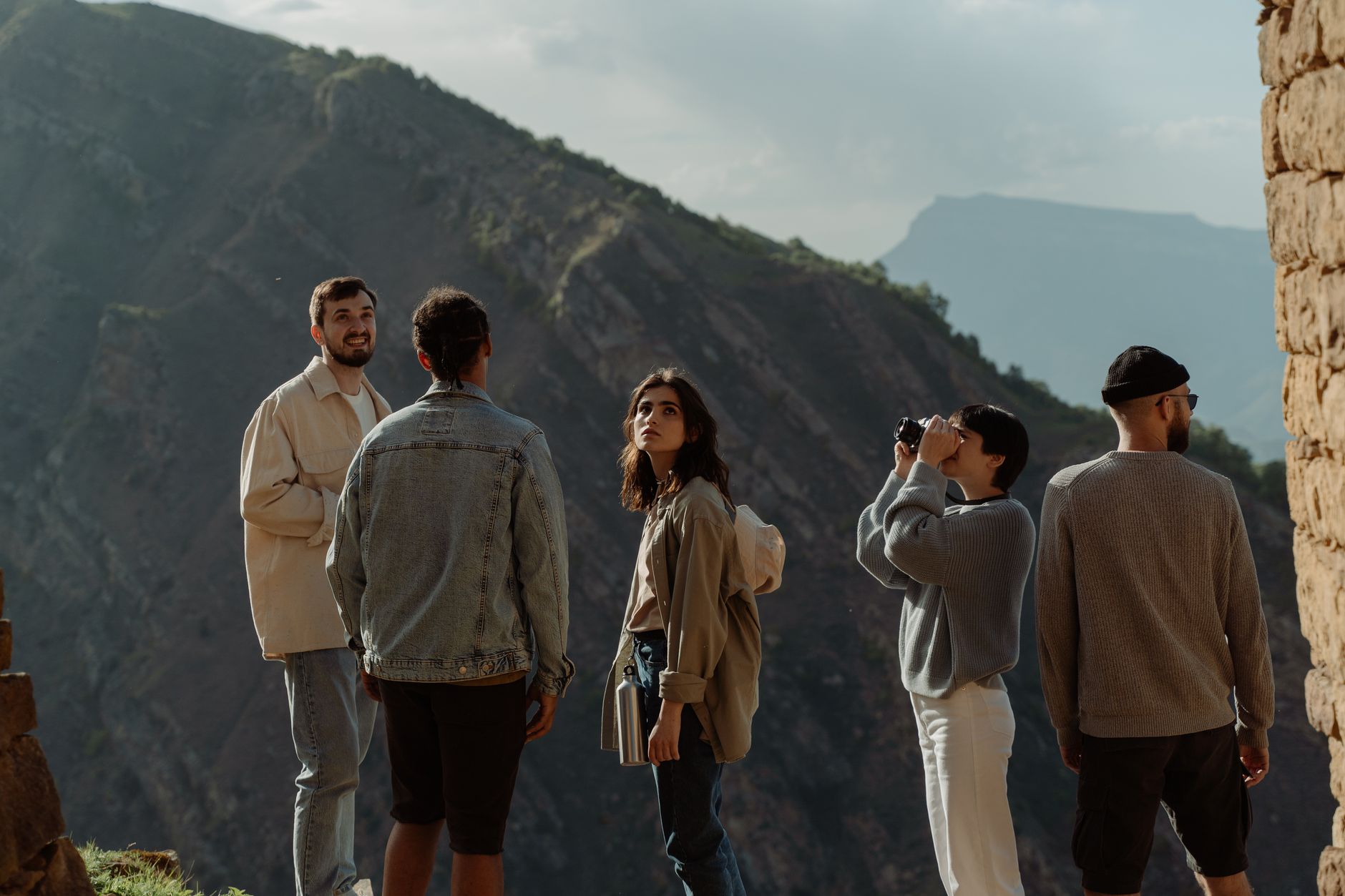
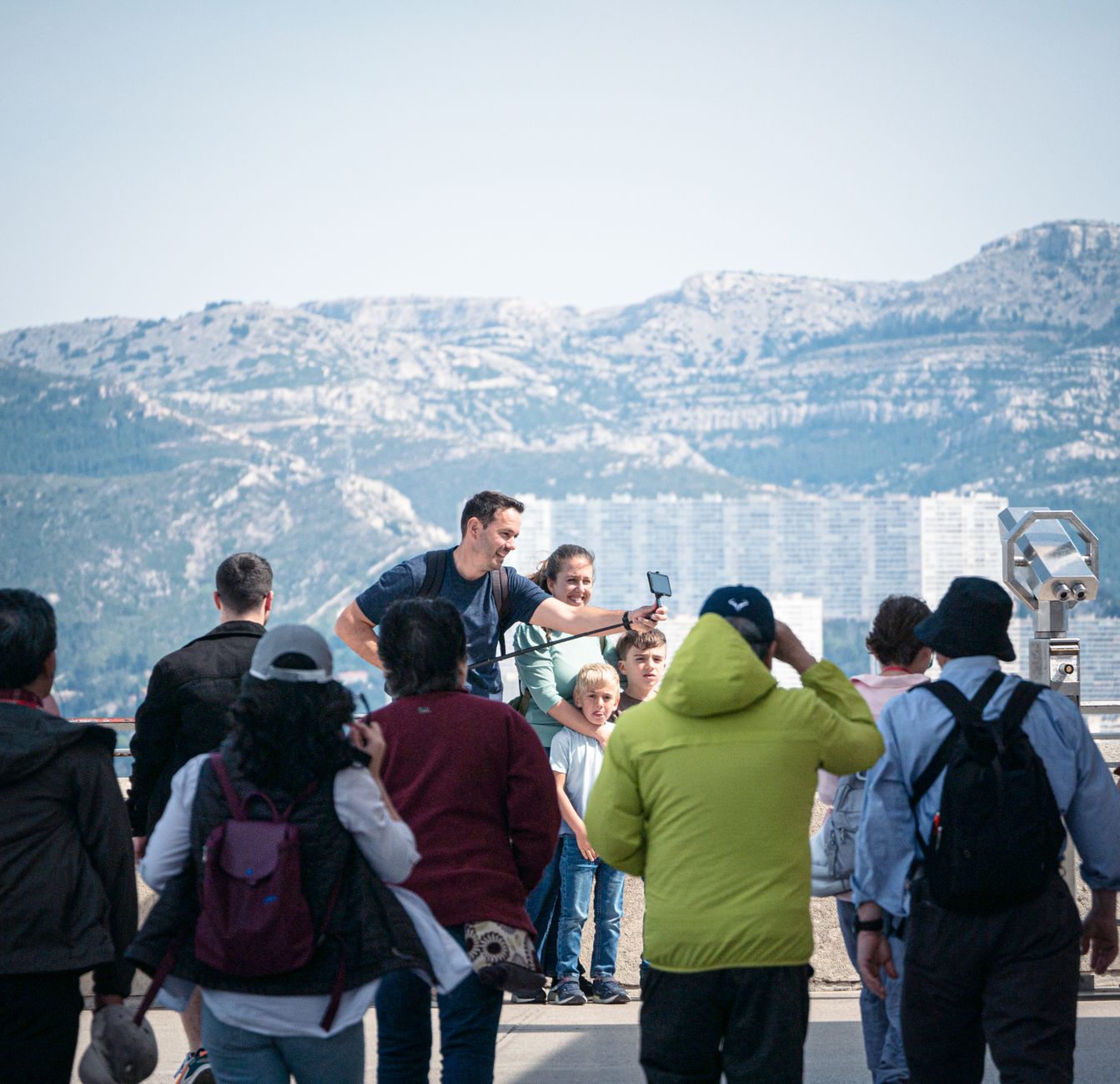
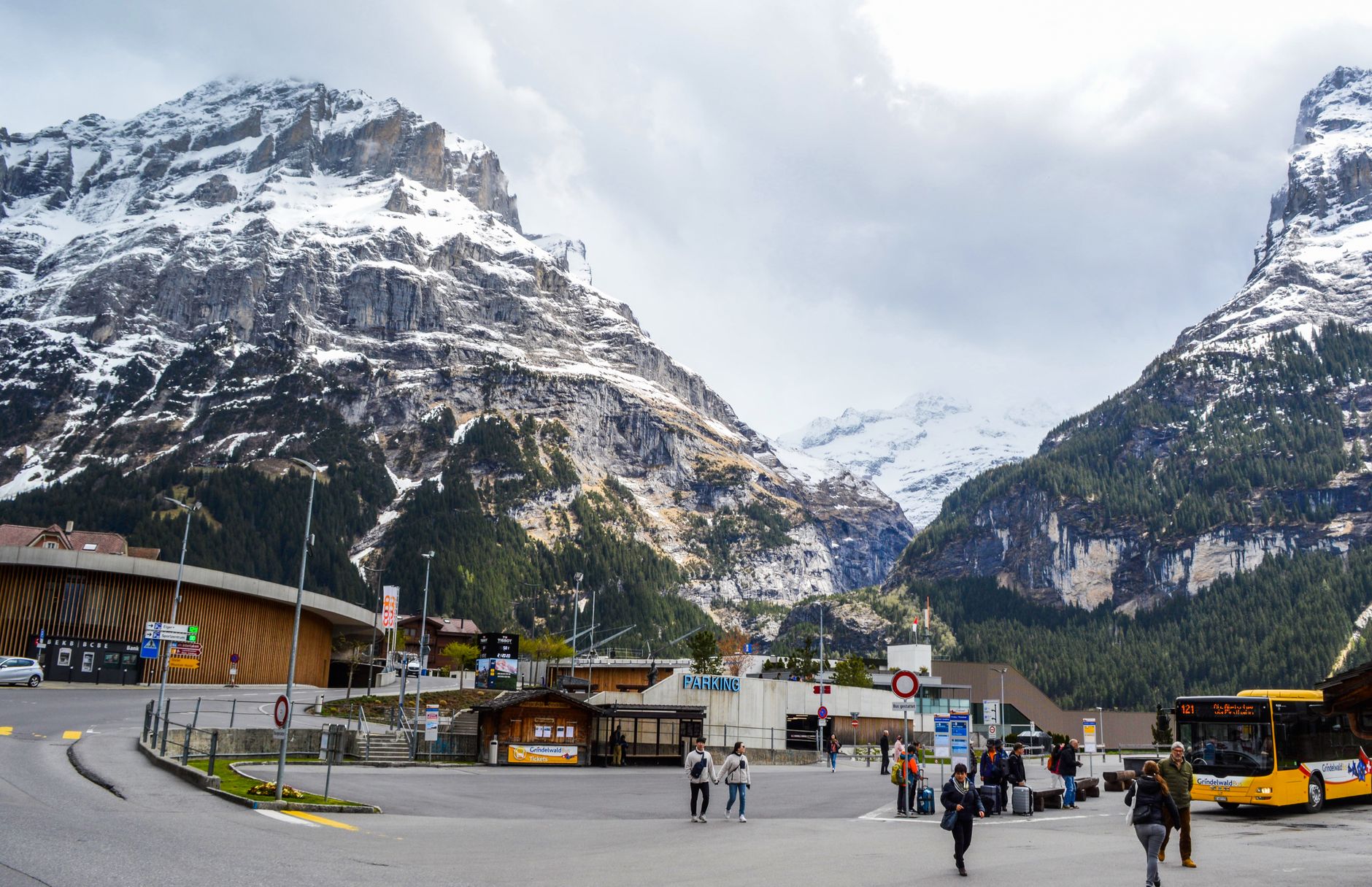
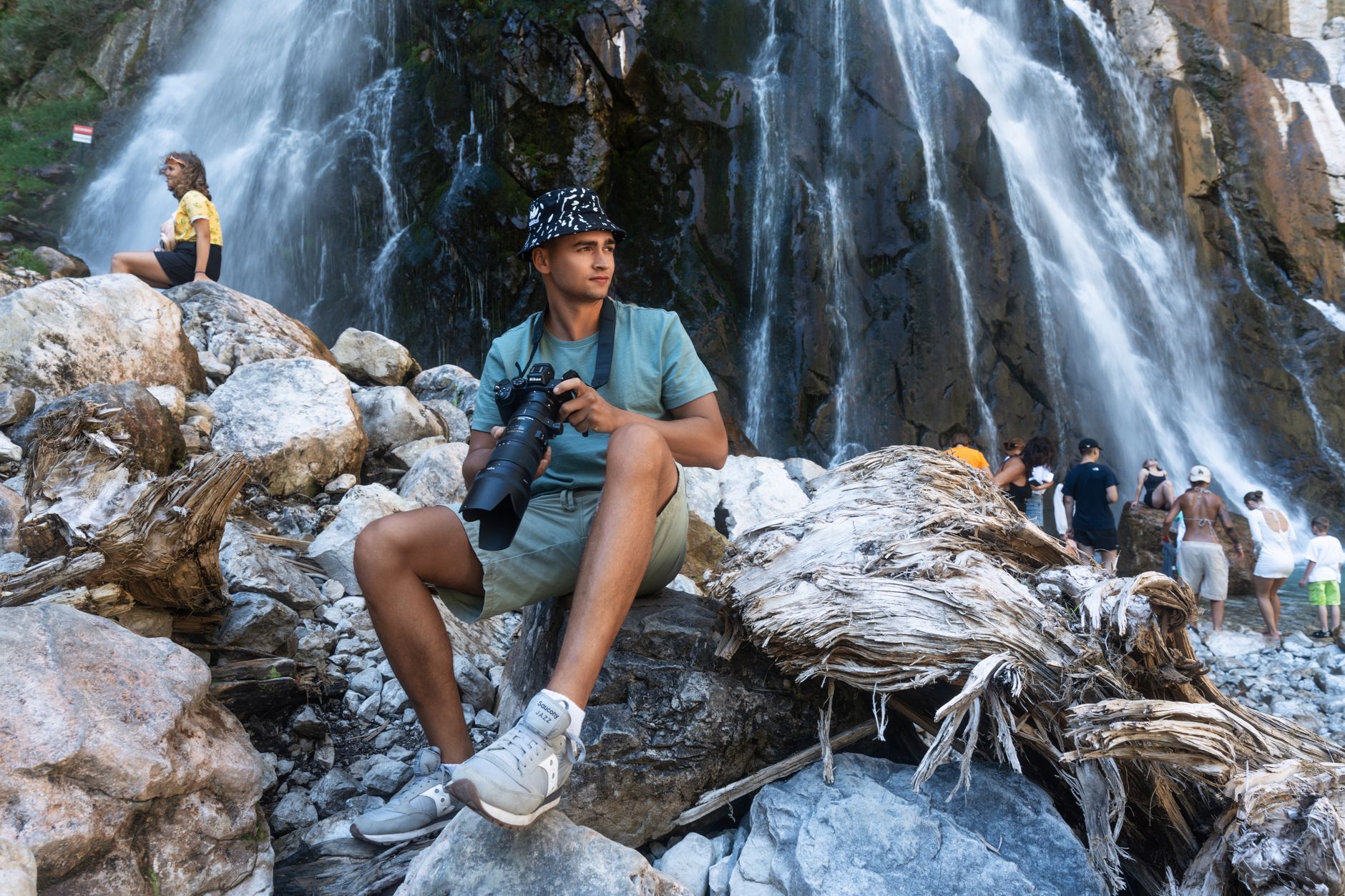
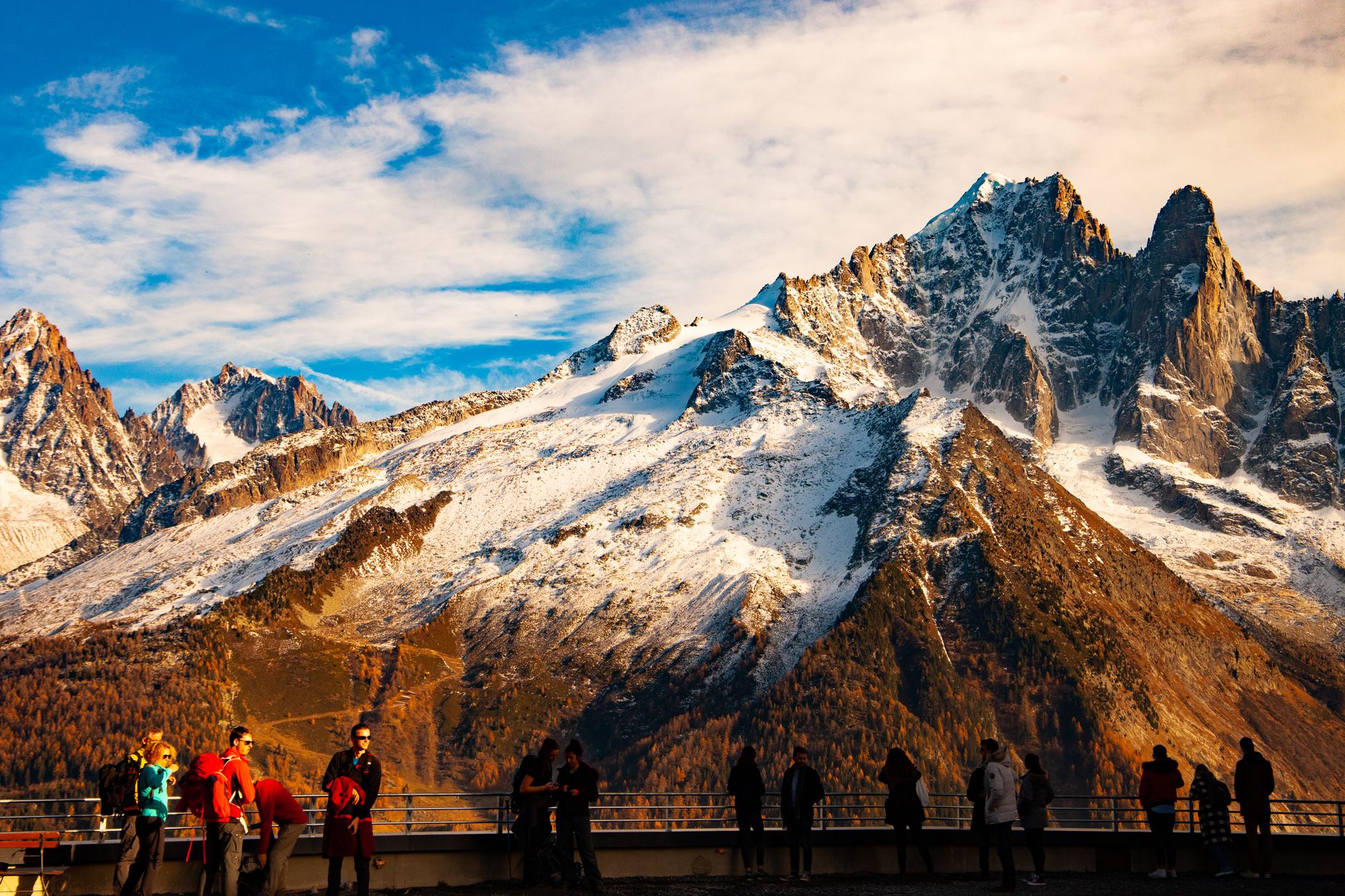
The road into Gavarnie ends here — literally. The D921 runs out of village and the mountains take over, which tells you something about the scale of what you've come to see. The Cirque de Gavarnie is a natural amphitheater whose rock walls climb 1,500 metres above the valley floor, and the Grande Cascade drops 425 metres in a single plunge, the longest waterfall in France. You can walk from the village to the foot of it in about an hour along a well-worn path.
The village itself is small enough to read in an afternoon — a handful of hotels, restaurants, a medieval parish church, and donkey-hire stations for those who'd rather ride than walk. The Prime Meridian passes through here, a fact easy to miss and oddly fitting for a place that feels like an edge of the known world.
💛 What travellers fall for
People who come back tend to time it for early morning in July, when the cirque path is quieter and the light on the upper walls is something else entirely. The parking area near the village entrance charges a flat €8, and arriving before 9am means you beat both the coach groups and the afternoon cloud that often settles over the upper amphitheater.
Experiences you don't want to miss


Deals in Gavarnie
Book directly at the provider
How Gavarnie came to be
Gavarnie's age shows in its church, built around the 12th century as a waystation on the pilgrimage road to Santiago de Compostela. The village is still a listed stage on that UNESCO-recognised route, and the church holds a cabinet said to contain the skulls of Knights Templar who died making the journey — a claim nobody has pressed too hard.
From the 16th century onward, the cirque drew a different kind of pilgrim: botanists, painters, poets, and early mountaineers caught up in what came to be called Pyreneism, the systematic romantic and scientific exploration of these mountains. Victor Hugo added his voice in the 19th century, describing the cirque in his poem "Dieu" as an "impossible and extraordinary object" — the Colosseum of nature. In 2016, Gavarnie merged administratively with neighbouring Gèdre to form the commune of Gavarnie-Gèdre.
Who and what shaped it
People who shaped it
Landmark buildings
See Gavarnie in motion
Plan your visit
On the map
When to go
Summers run mild — August averages around 17°C, though the record has touched 34°C — and the valley receives heavy rainfall across the year, with October the wettest month. Winter is cold and genuine; February averages just above freezing and has dipped to -18°C.
Right now
Background & history adapted from Wikipedia (CC BY-SA) · specs from Wikidata (CC0) · weather from Open-Meteo · map data © OpenStreetMap contributors · photos from Wikimedia Commons / Unsplash with per-image credit. No third-party reviews or social posts reproduced.