
Tarbes
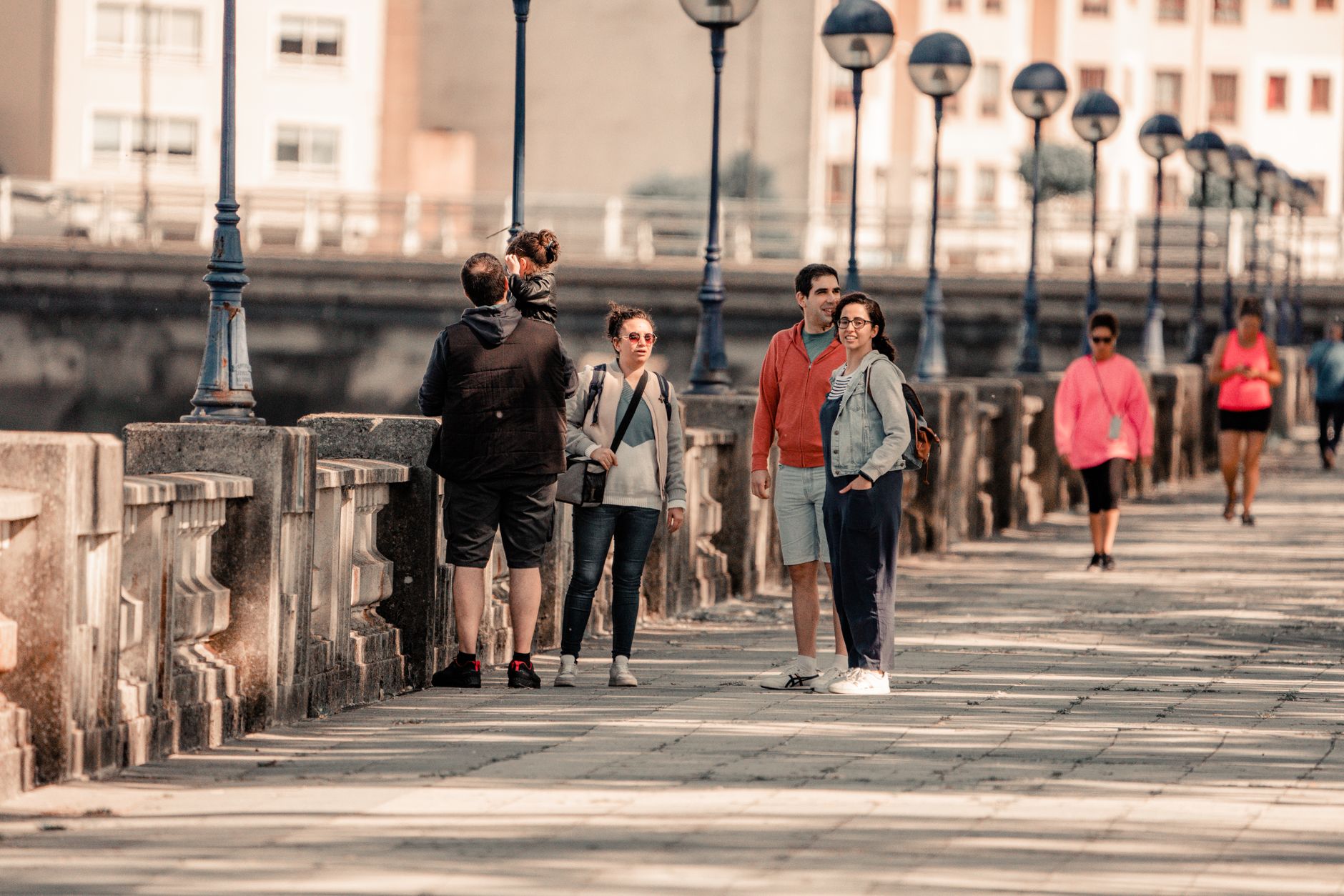
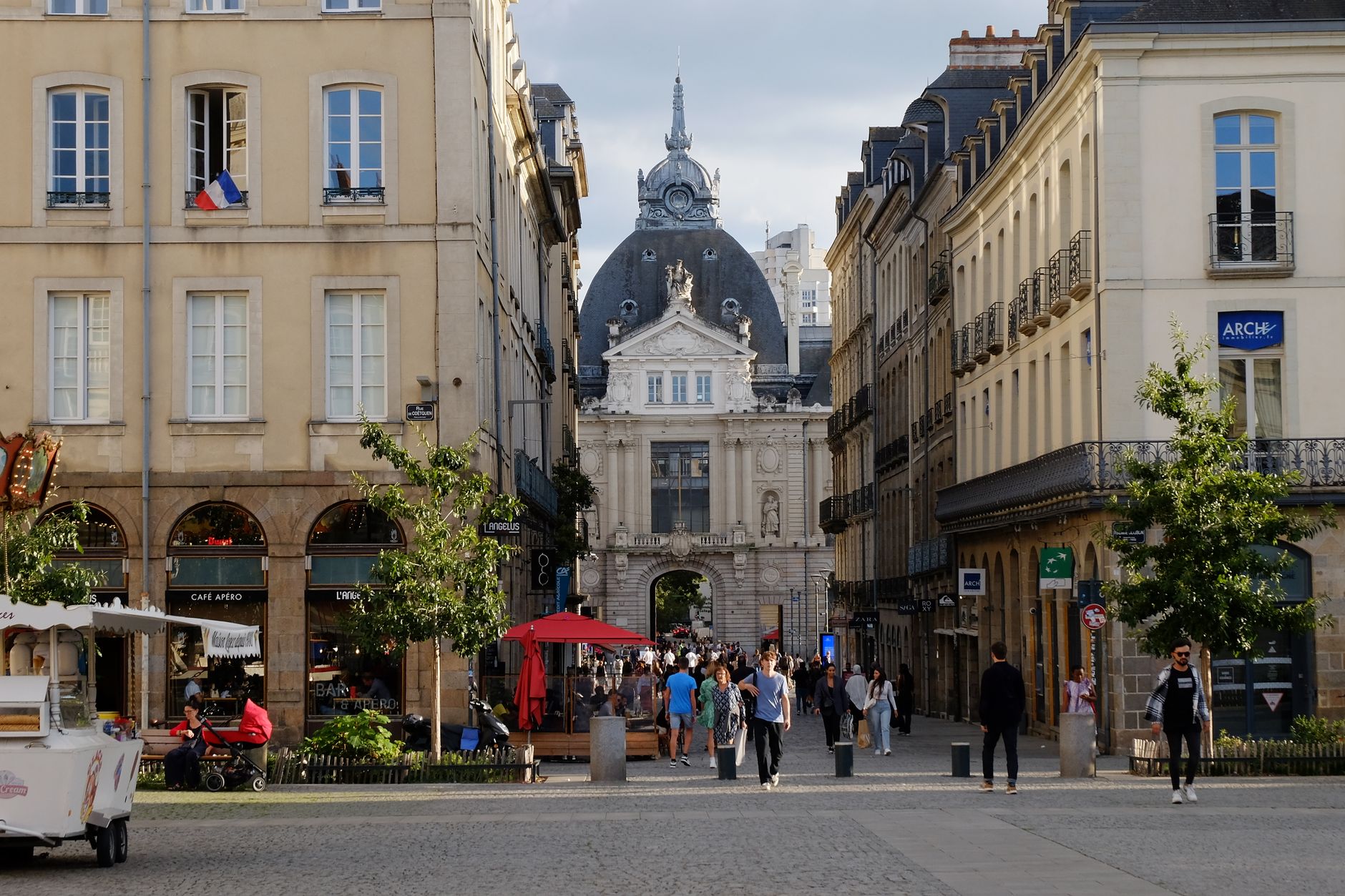
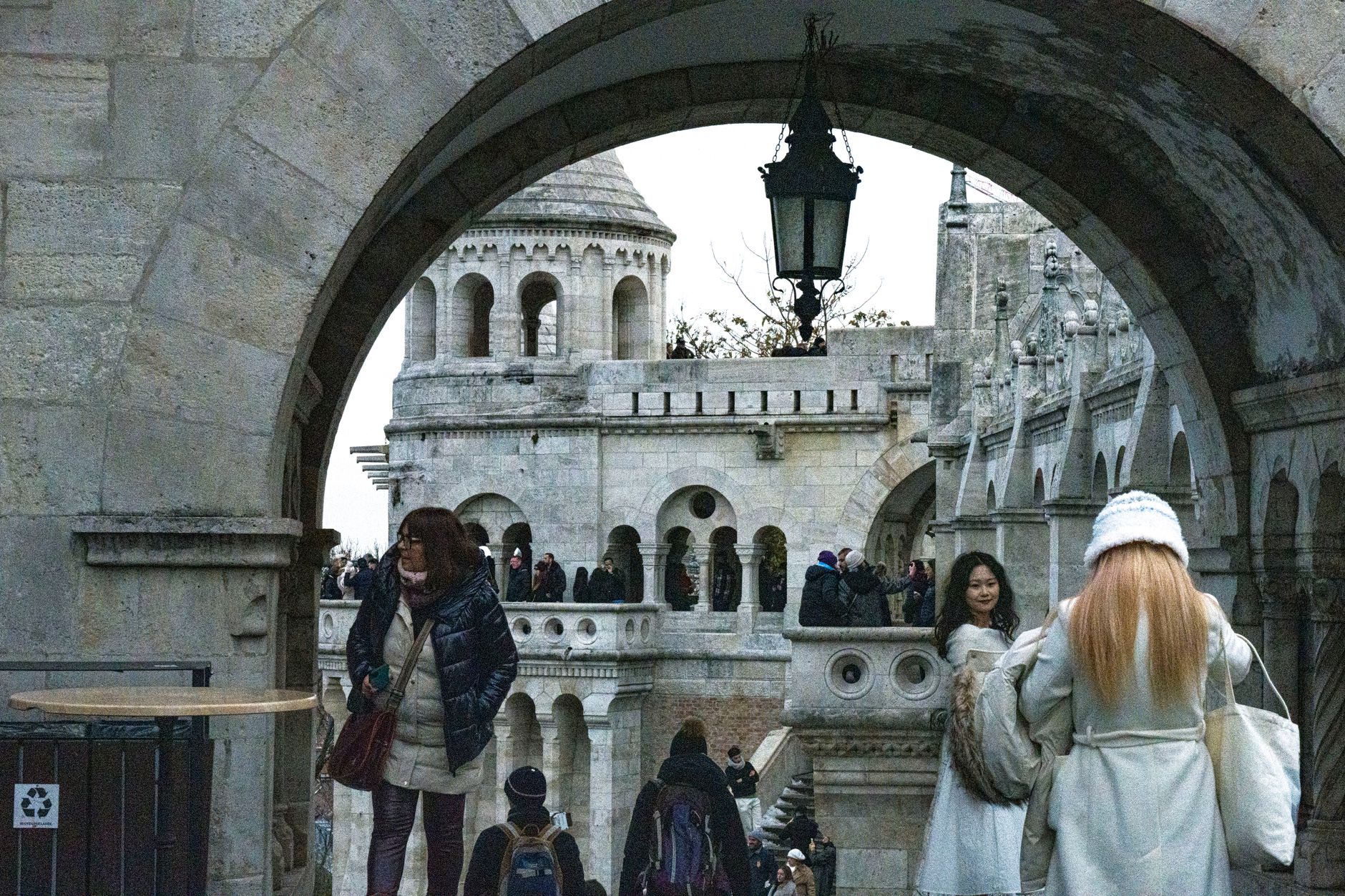

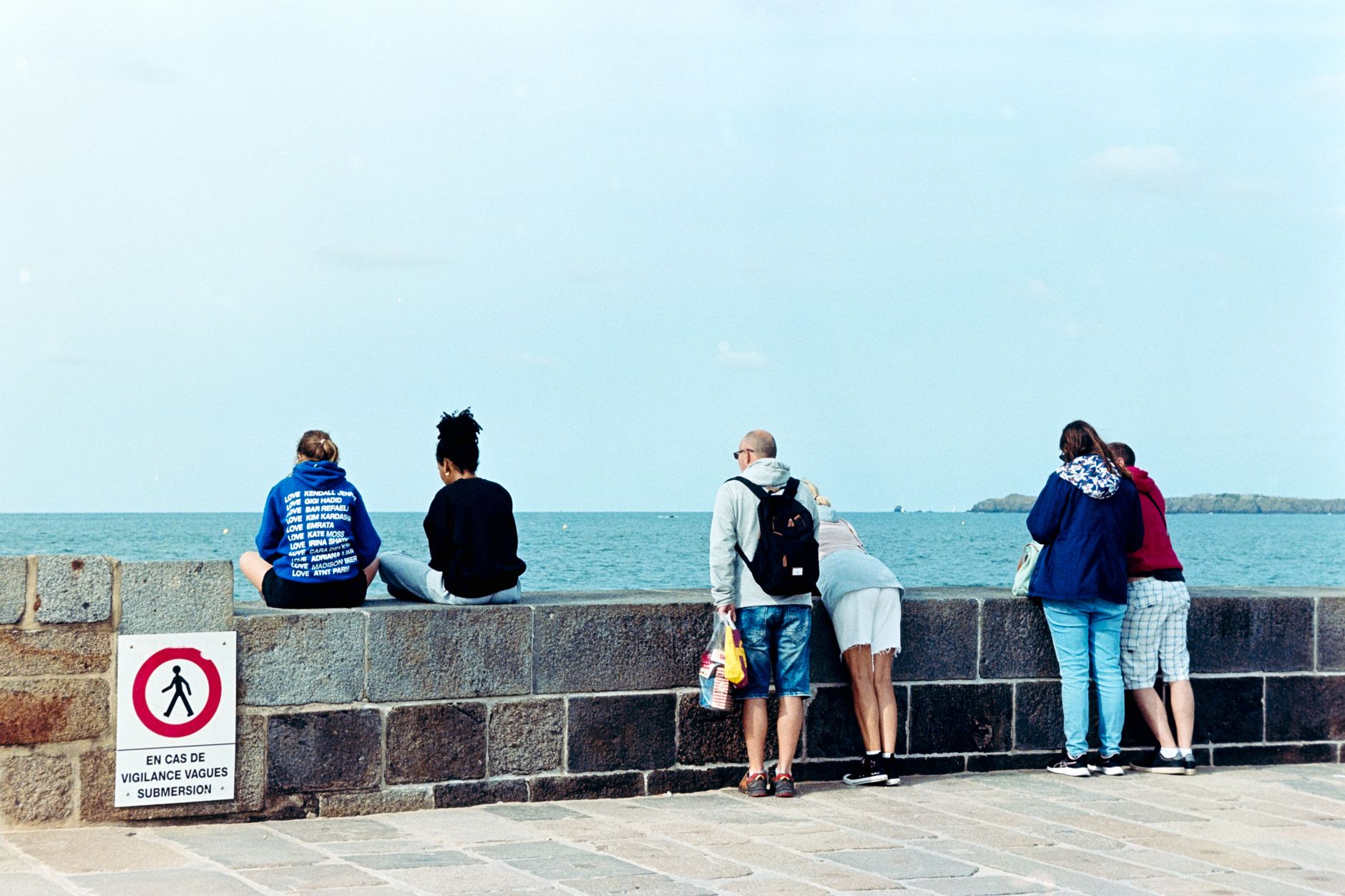
Tarbes sits at the foot of the Pyrenees like a market town that never forgot it was also a capital — prefecture of the Hautes-Pyrénées since 1790, with the broad avenues and stone civic buildings to prove it. The mountains are visible on clear days from almost anywhere in the city, but Tarbes itself stays level, unhurried, and largely unvisited by the crowds heading south to Gavarnie or Cauterets.
What draws you in is the specific texture of the place: a 14th-century Gothic cloister reassembled inside a public garden, a covered market built in the style of Baltard's Paris pavilions, and a national stud farm that Napoleon ordered into existence in 1806 and that still operates on eight hectares near the centre.
💛 What travellers fall for
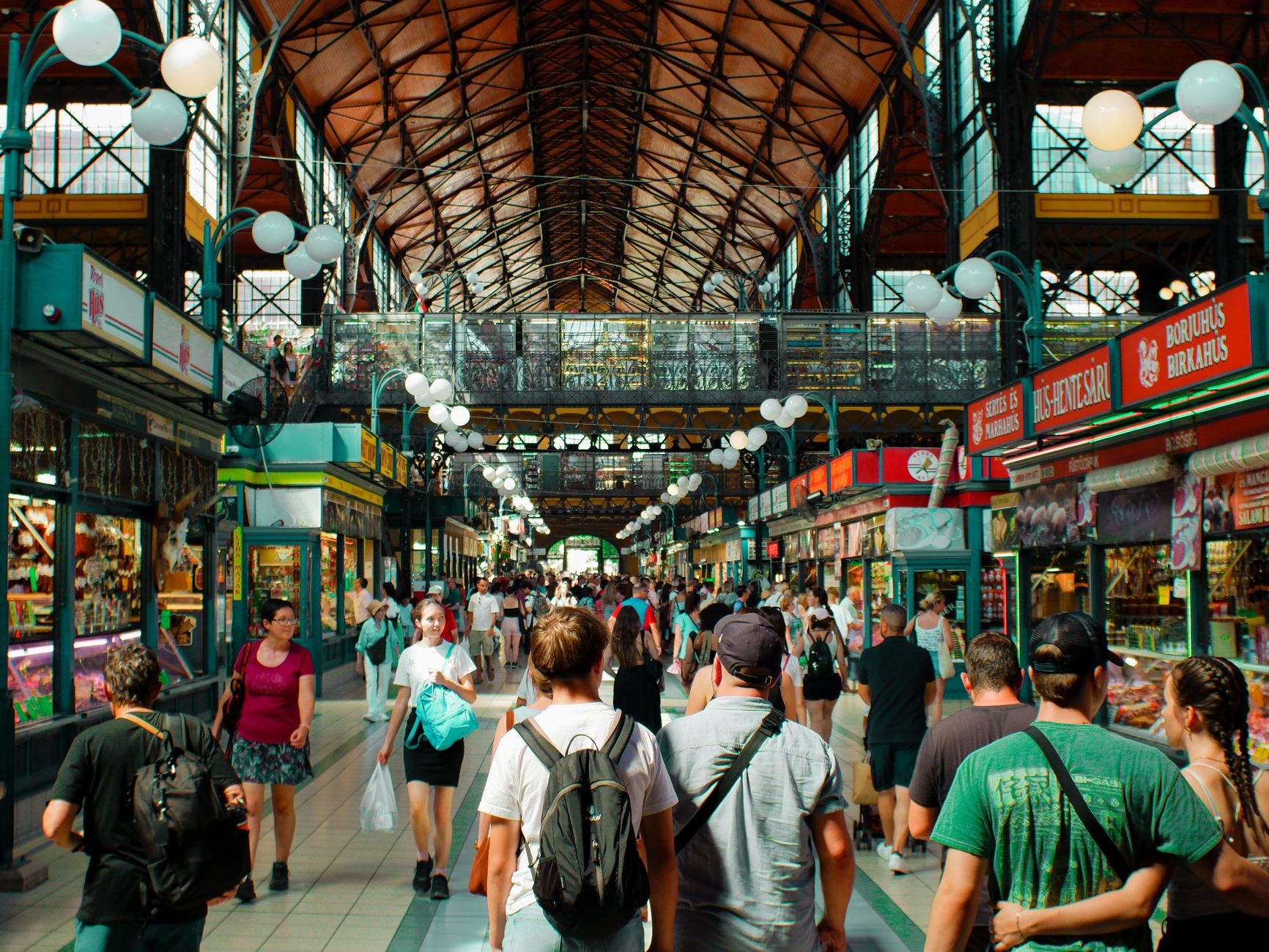
People who come back tend to time a Thursday morning around the Halle Marcadieu — the glass-and-steel market hall on the Brauhauban side of town. They also make a point of the Haras National guided tour, which runs just over an hour and costs very little, and is consistently quieter than its quality warrants.
Experiences you don't want to miss


Deals in Tarbes
Book directly at the provider
How Tarbes came to be
The settlement that became Tarbes was already old when Gregory of Tours wrote about it in the 7th century, and it had been an episcopal see since the 6th. By the 10th century it was the capital of the countship of Bigorre — a position that made it worth fighting over. The English held it during the Hundred Years' War, and the Wars of Religion in the late 16th century left it badly damaged before it was absorbed into the French crown.
The Napoleonic era gave Tarbes its modern identity as a military and administrative town. The Haras National arrived in 1806, the prefecture was formalised in 1800, and the 19th century layered on the courthouse, the city hall, and the theatre — all of which still stand along the same classical axes.
Who and what shaped it
People who shaped it
Landmark buildings
See Tarbes in motion
Plan your visit
On the map
When to go
Tarbes has an oceanic climate: summers are warm rather than hot, with August averaging a high of around 24°C, and winters are mild but damp, with January nights dropping to freezing. Rainfall is generous year-round — nearly 1,500 mm annually — with May the wettest month, so late summer and early autumn offer the most settled skies and the clearest views toward the peaks.
Right now
Background & history adapted from Wikipedia (CC BY-SA) · specs from Wikidata (CC0) · weather from Open-Meteo · map data © OpenStreetMap contributors · photos from Wikimedia Commons / Unsplash with per-image credit. No third-party reviews or social posts reproduced.