
Bagnères-de-Bigorre
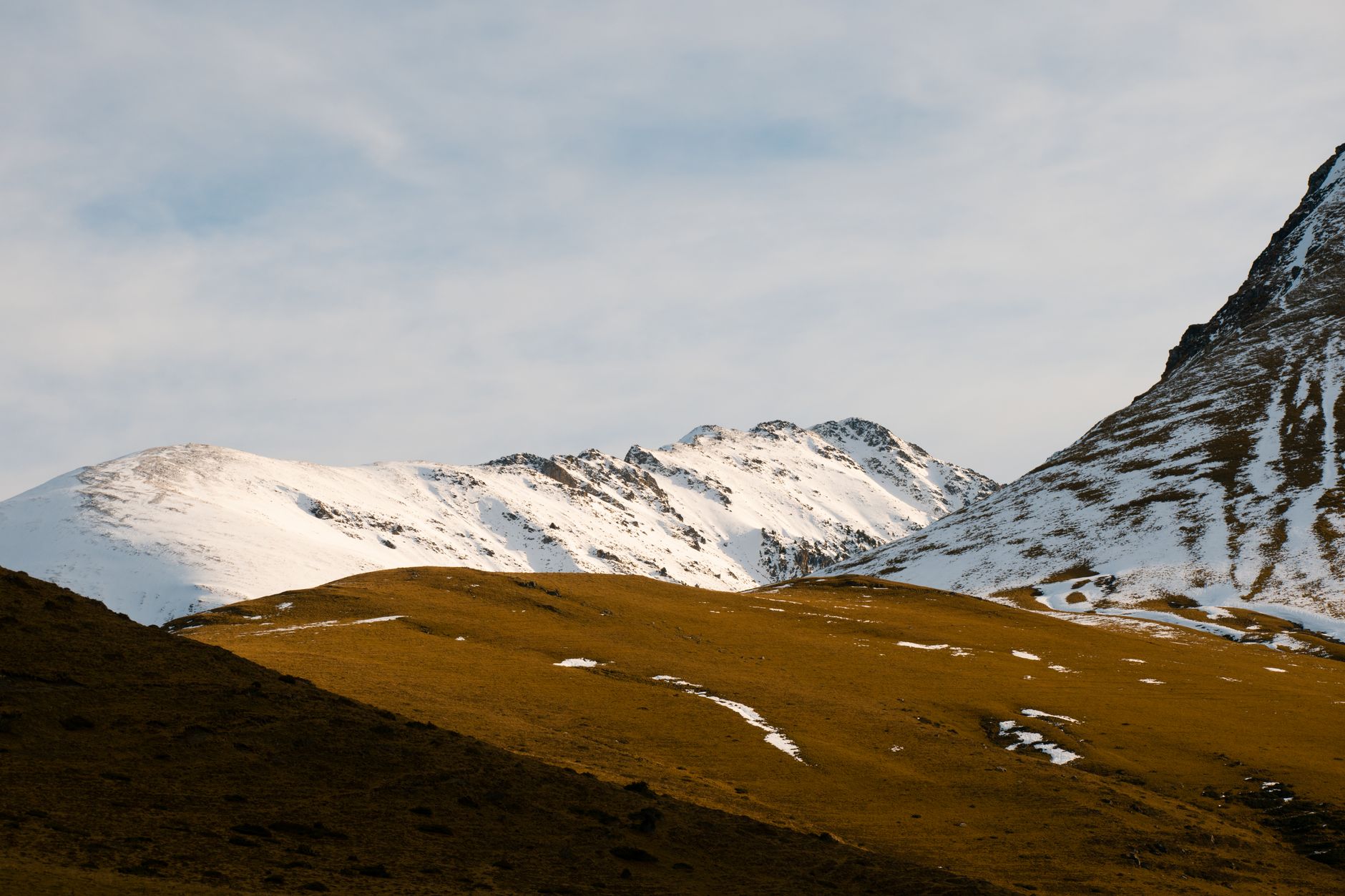
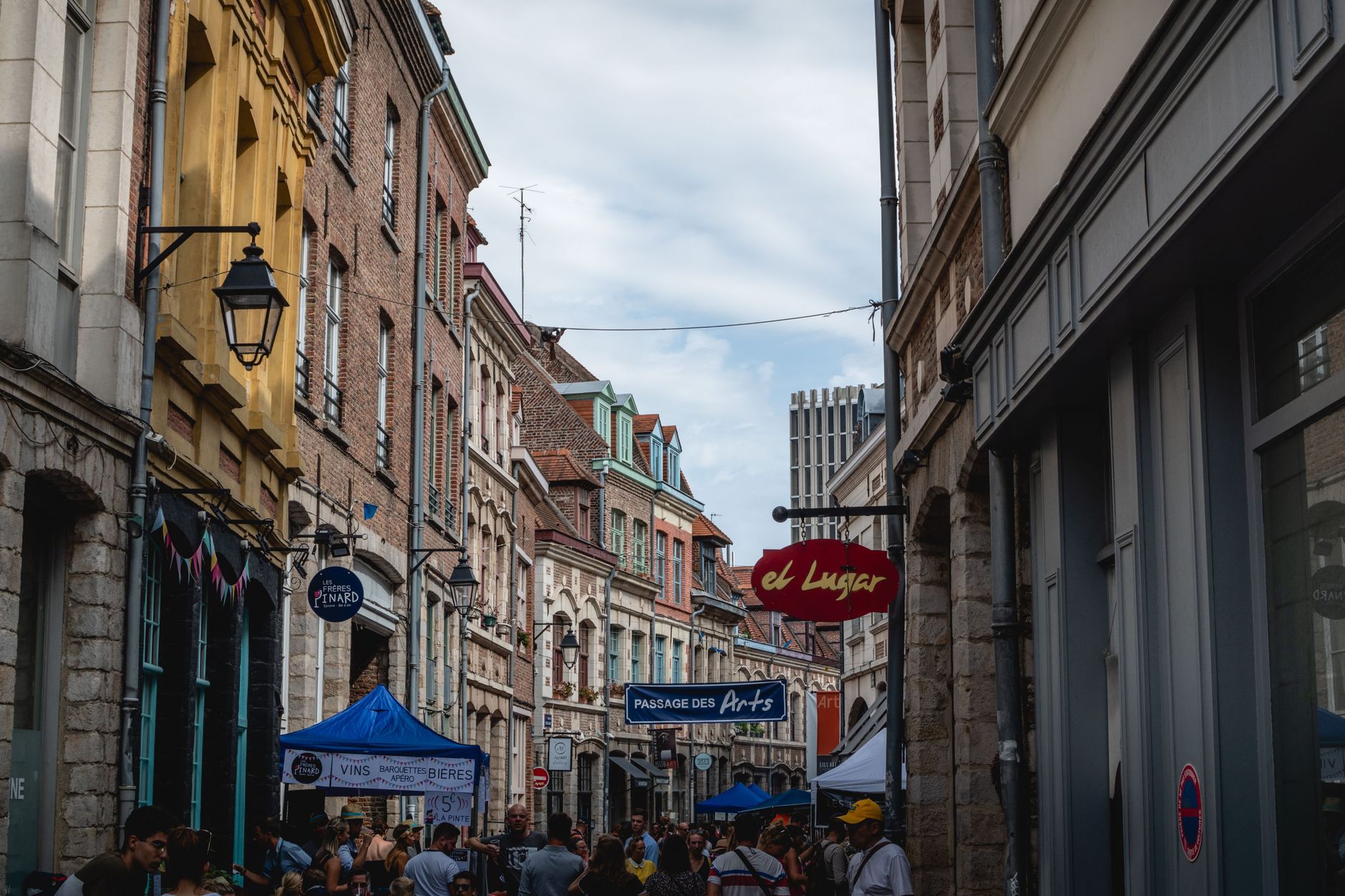
The thermal water here comes out of the ground at 50°C, and it has been doing so long enough that the Romans built an entire settlement around the fact. Bagnères-de-Bigorre sits at the foot of Mount Olivet in the Hautes-Pyrénées, and the logic of the town — its grand 19th-century facades, its marble-floored spa halls, its Belle Époque casino — follows directly from those springs. This is a place that has been drawing people to take the waters for two thousand years, and the architecture makes no attempt to hide it.
The town's other industry, marble, left an equally legible mark. Eight mills were operating by the mid-1800s, and the Marble Museum, opened in 2007, holds over 300 large samples of European stone — a quiet, serious collection that most visitors walk past without knowing it exists.
💛 What travellers fall for
People who come back tend to book directly into the Grands Thermes for a proper rheumatology or respiratory cure rather than a day visit — the three thermal pools and the marble interiors reward a slower pace. The Tower of the Jacobins is worth finding on foot; its 35-metre octagonal silhouette appears unexpectedly above the rooflines.
Experiences you don't want to miss





Deals in Bagnères-de-Bigorre
Book directly at the provider

How Bagnères-de-Bigorre came to be
Romans called it Vicus Aquensis and stationed legions nearby from around 28 BC, building bath infrastructure over the springs on Mount Olivet's slopes. The settlement was destroyed during the barbarian invasions and the thermal activity lay largely dormant for centuries before Centule III, Count of Bigorre, granted the town a charter in 1171. Henri IV took the waters here in 1581; Montaigne visited in 1578 and mentioned it in his Essays. An earthquake on 21 June 1660 damaged 150 houses, killed seven people, and briefly silenced the springs.
The 19th century transformed the town again. The railway arrived in 1862 — the first thermal station in Hautes-Pyrénées to get the connection — and spa attendance nearly doubled within five years. The marble industry peaked around the same period, with the Marbrerie Géruzet alone employing roughly 1,000 workers by the 1870s. The town's water won a gold medal at the 1878 Universal Exhibition in Paris.
Who and what shaped it
People who shaped it
Landmark buildings
See Bagnères-de-Bigorre in motion
Plan your visit
On the map
When to go
Summers are warm and draw the bulk of spa visitors, with mountain air keeping temperatures reasonable even in July and August. Winters are cold and the thermal facilities close from late November, making spring and early autumn the most balanced time to visit.
Right now
Background & history adapted from Wikipedia (CC BY-SA) · specs from Wikidata (CC0) · weather from Open-Meteo · map data © OpenStreetMap contributors · photos from Wikimedia Commons / Unsplash with per-image credit. No third-party reviews or social posts reproduced.