
Prades
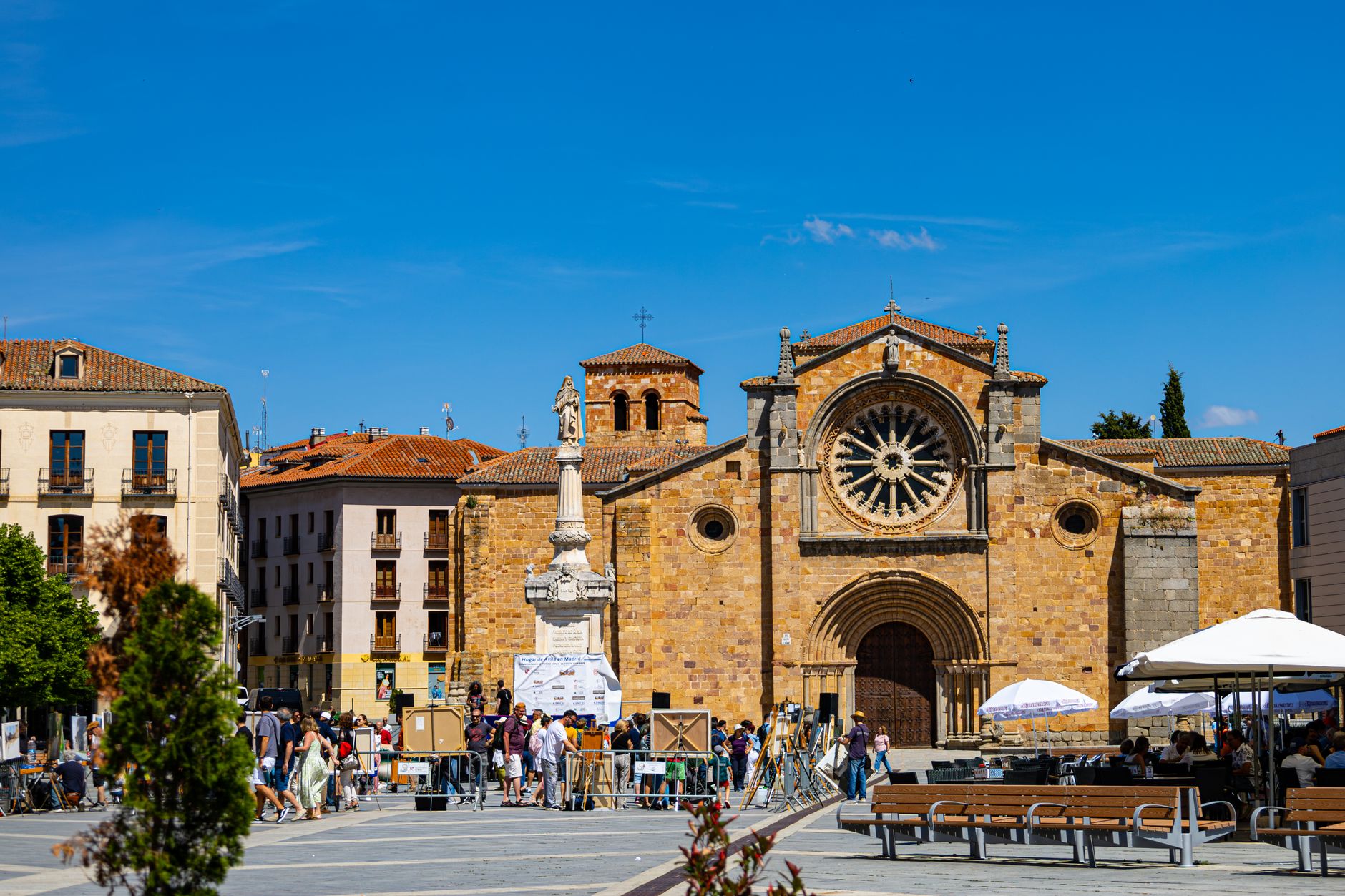
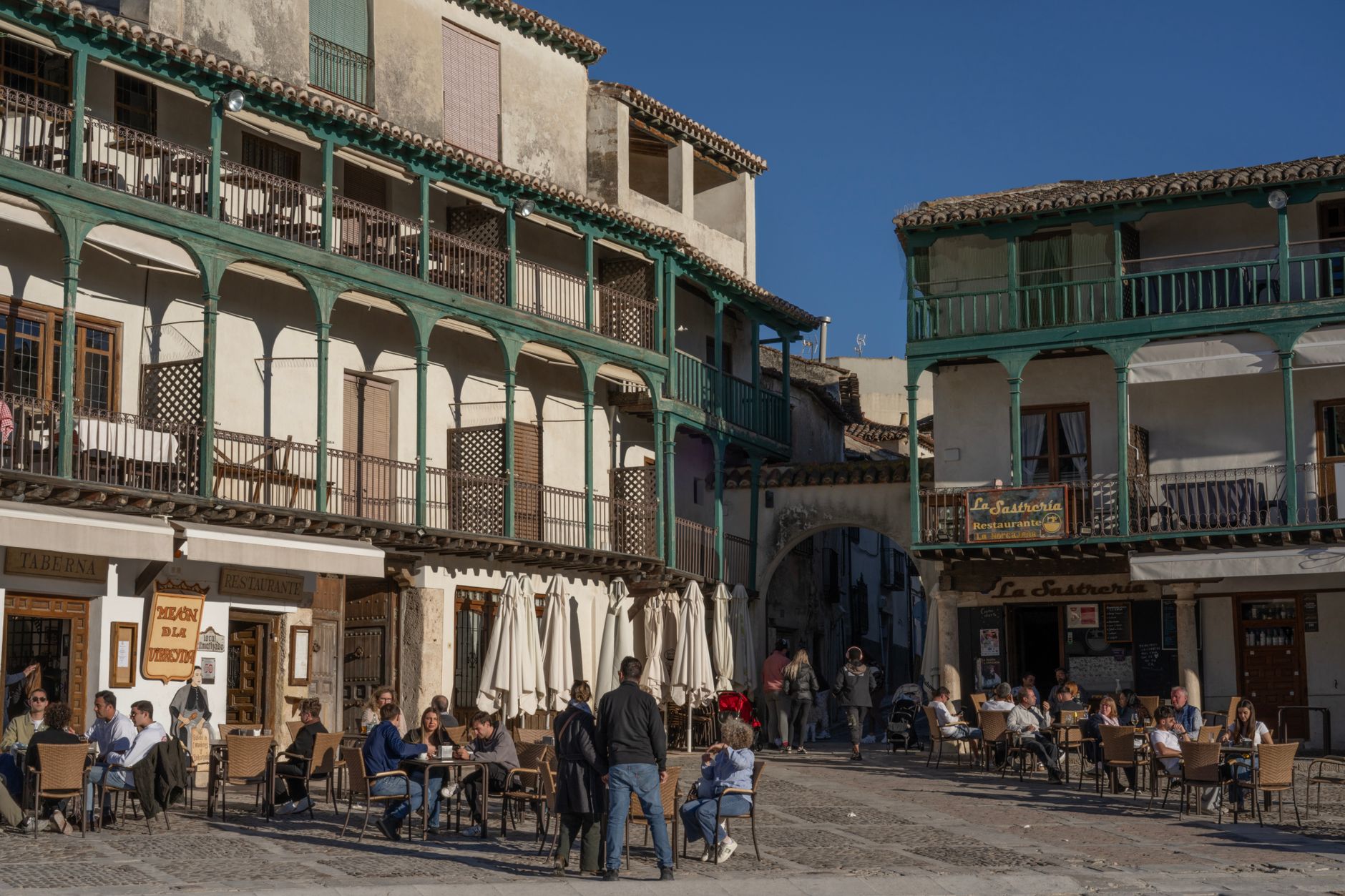
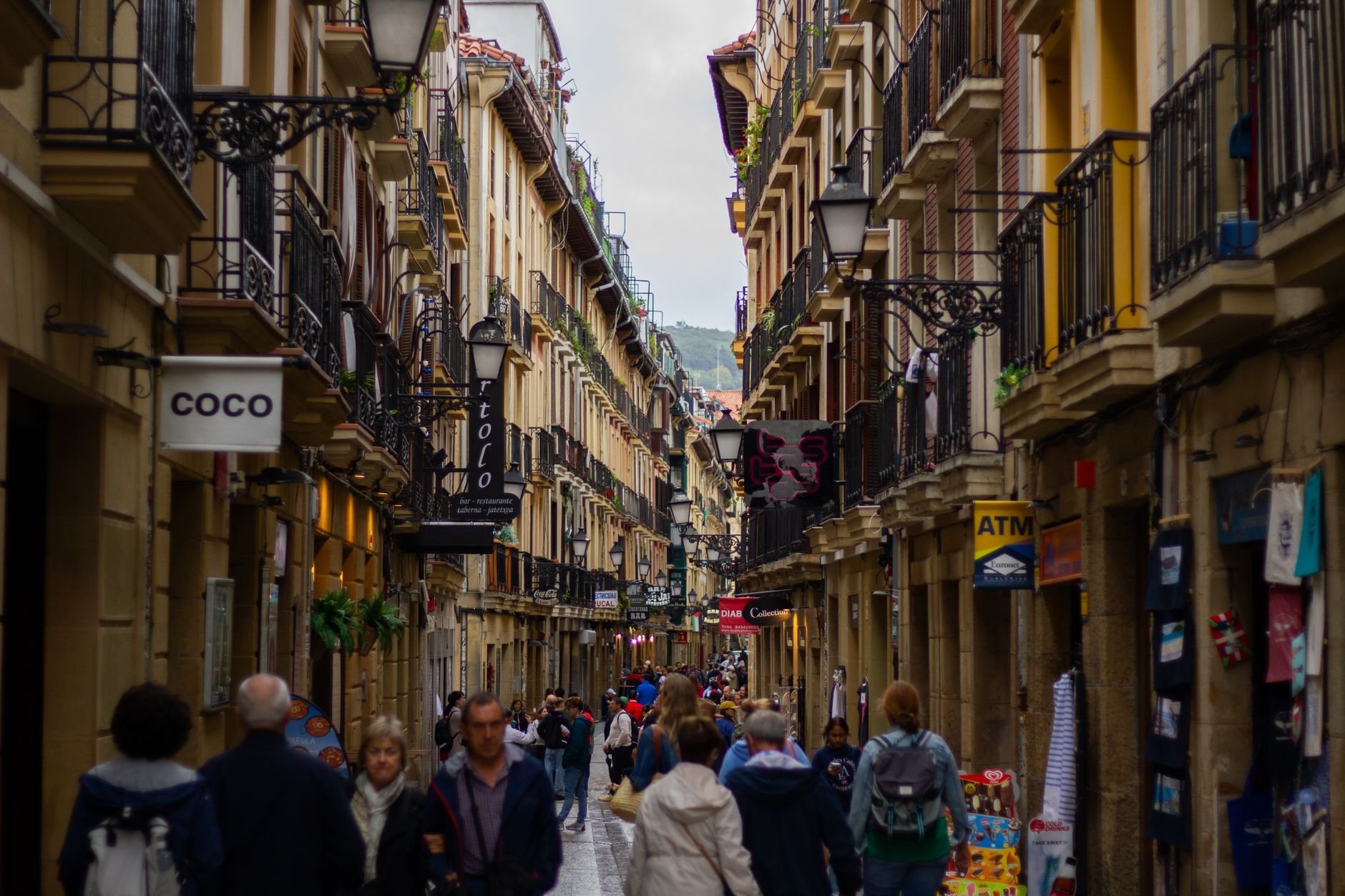
Prades sits in the Têt valley at the foot of Mount Canigou, a small Catalan market town that earns its place on the map through an unlikely collection of big stories. The Tuesday market spreads around the church of Saint-Pierre with more than 200 stalls, and the church itself contains a baroque altarpiece by Joseph Sunyer — sixteen metres high, eleven wide — the largest in France, which most visitors walk past without quite believing what they're looking at.
The town is compact and unhurried. You can cover it on foot in an afternoon, then find a café table and let the Pyrenean light do the rest. The Abbey of Saint-Michel-de-Cuxa is three kilometres south, and the valley opens further from there.
💛 What travellers fall for
People who come back tend to time it for the Pablo Casals Festival in late July or August — around thirty chamber concerts over two weeks, many held at Saint-Michel-de-Cuxa, where the acoustics of the old cloister do something to the music that a concert hall simply can't replicate. Book accommodation well ahead; the valley fills up.
Experiences you don't want to miss



Deals in Prades
Book directly at the provider

How Prades came to be
The church of Saint-Pierre anchors Prades's earliest recorded history: built in the 9th century, it was transferred in 843 by Sunifred, Earl of Roussillon, and his wife Ermessinde to Abbot Andedatus of Grasse Abbey. The town grew around it, and the church was rebuilt in Romanesque style in the 12th century, its 30-metre Lombard bell tower still standing. Roman coins found during excavations point to an even earlier presence. In 1276, the surrounding Conflent region passed to King Jacques II of Aragon, and Prades remained a Catalan-inflected corner of the mountains through the centuries that followed.
The modern chapter began with Pablo Casals, the cellist who arrived in exile after the Spanish Civil War and stayed. He founded the festival here in 1950 — timed to mark the bicentenary of Bach's death — and the town has carried that identity ever since. The grammarian Pompeu Fabra, who codified the Catalan language, is buried in the local cemetery. Thomas Merton, the Trappist monk and writer, was born here in 1915.
Who and what shaped it
People who shaped it
Landmark buildings
See Prades in motion
Plan your visit
On the map
When to go
Summers are warm and dry enough for outdoor concerts and market mornings, with August averaging around 25°C. Winters are cool — January sits near 9°C — and the wettest months tend to be May, June, and October, when afternoon storms roll in from the mountains.
Right now
Background & history adapted from Wikipedia (CC BY-SA) · specs from Wikidata (CC0) · weather from Open-Meteo · map data © OpenStreetMap contributors · photos from Wikimedia Commons / Unsplash with per-image credit. No third-party reviews or social posts reproduced.